Most organizations judge an event by attendance, feedback, and leads. The best ones also judge it by what’s left afterward: the images, footage, and stories that keep working once the room is empty.
If you’re responsible for marketing, communications, or business development, live event photography and video production is how you turn a one-day investment into a content library. The difference between a forgettable folder of photos and a campaign-ready asset collection comes down to planning, and planning happens in three phases.
Phase One: Before the Event
Set the purpose
Coverage should serve a defined goal. Ask what the content needs to do:
- Attract registrations or sponsors for the next event
- Show leadership and stakeholders the return on the investment
- Feed your website, social channels, and email campaigns
- Support recruiting and employer branding
- Document the event for reports, press, and archives
Each goal changes what gets shot, how much video you need, and how quickly you need it.
Build the coverage plan
Share your agenda, speaker list, VIPs, sponsor details, and venue information with your production team. A skilled producer will turn them into a shot list and a run-of-show that identifies:
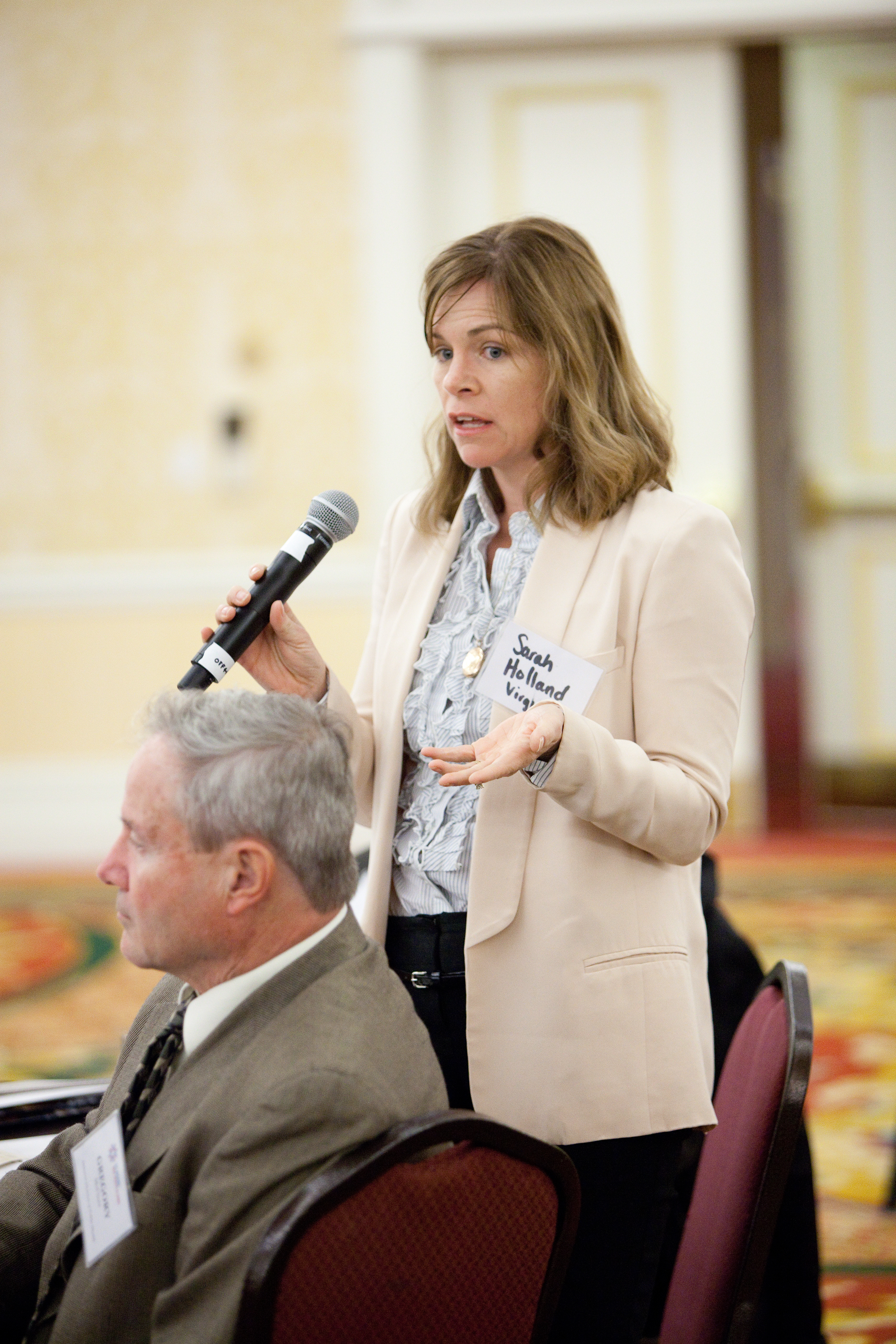
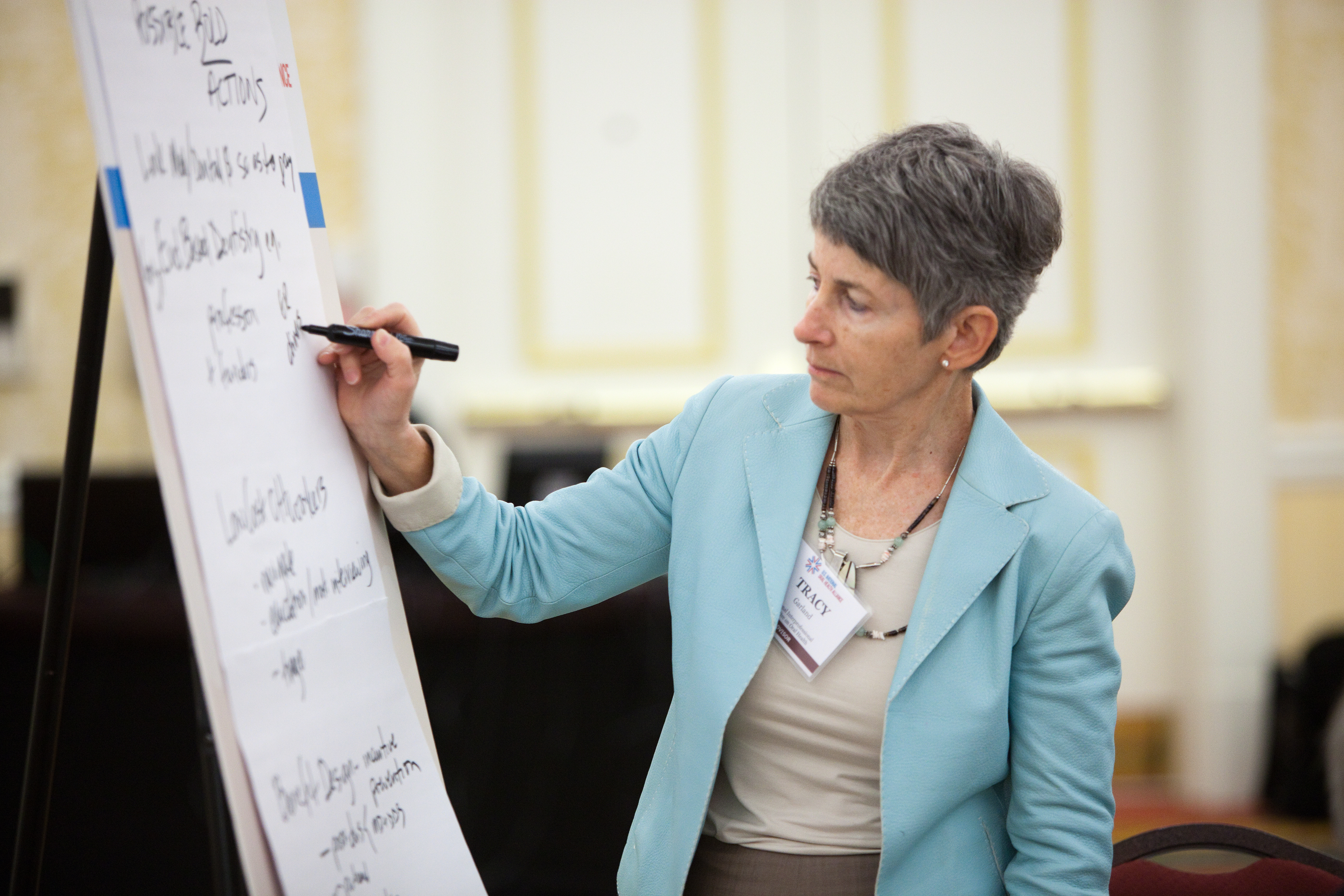
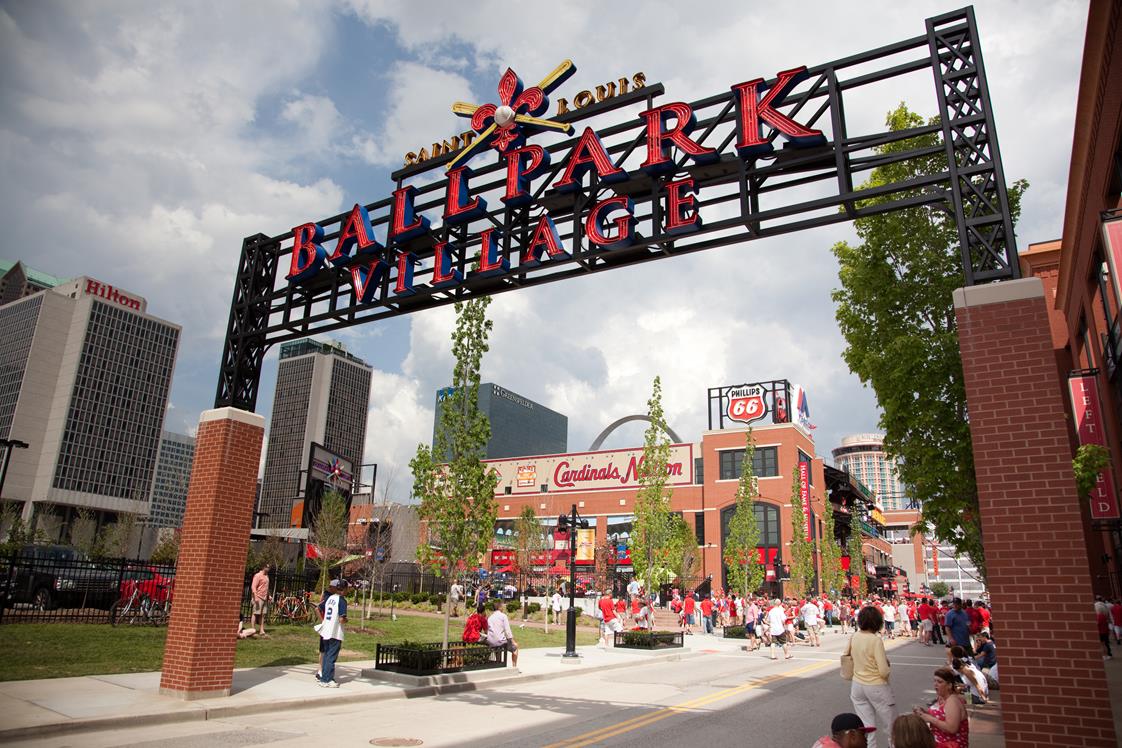
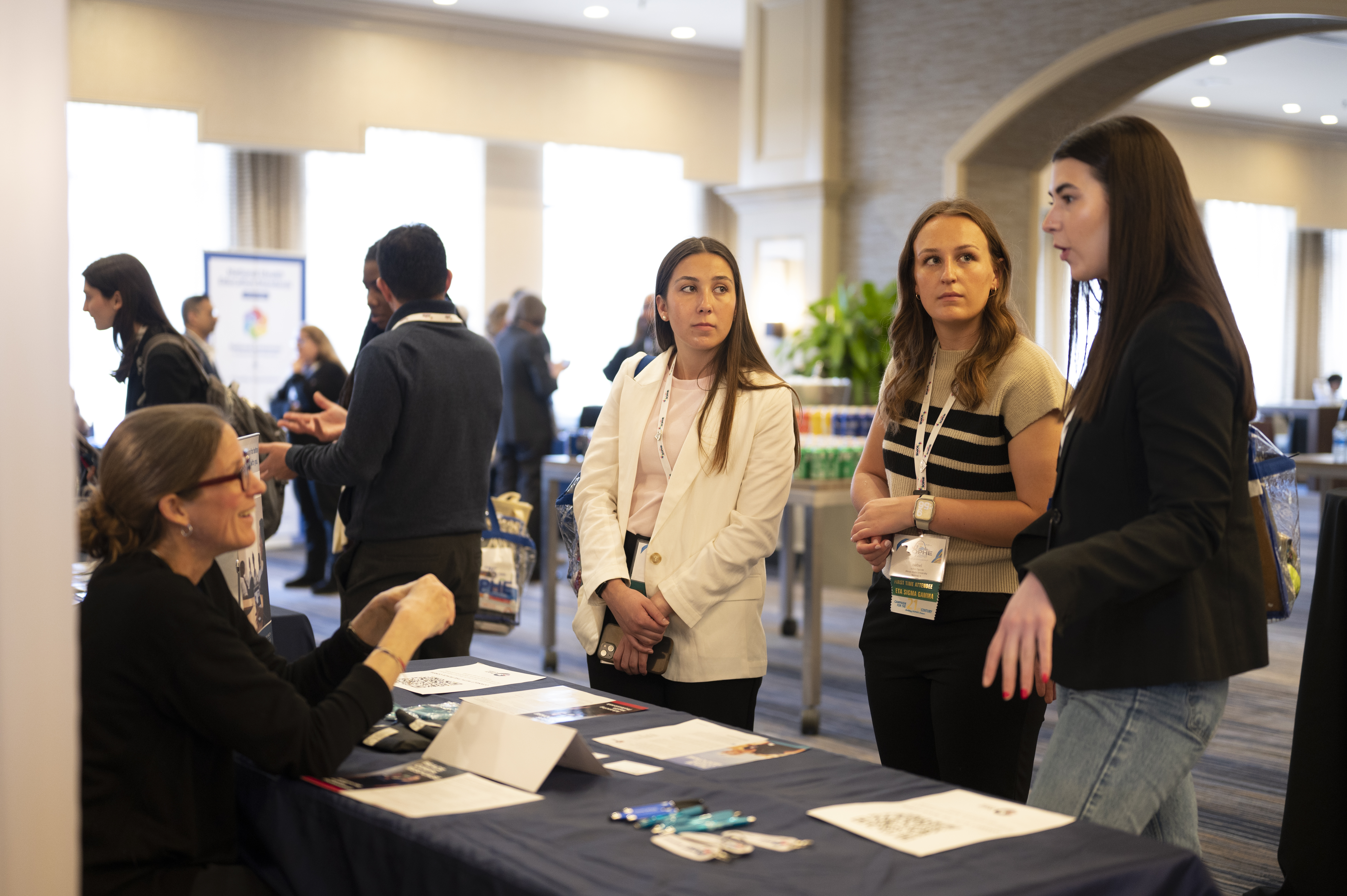
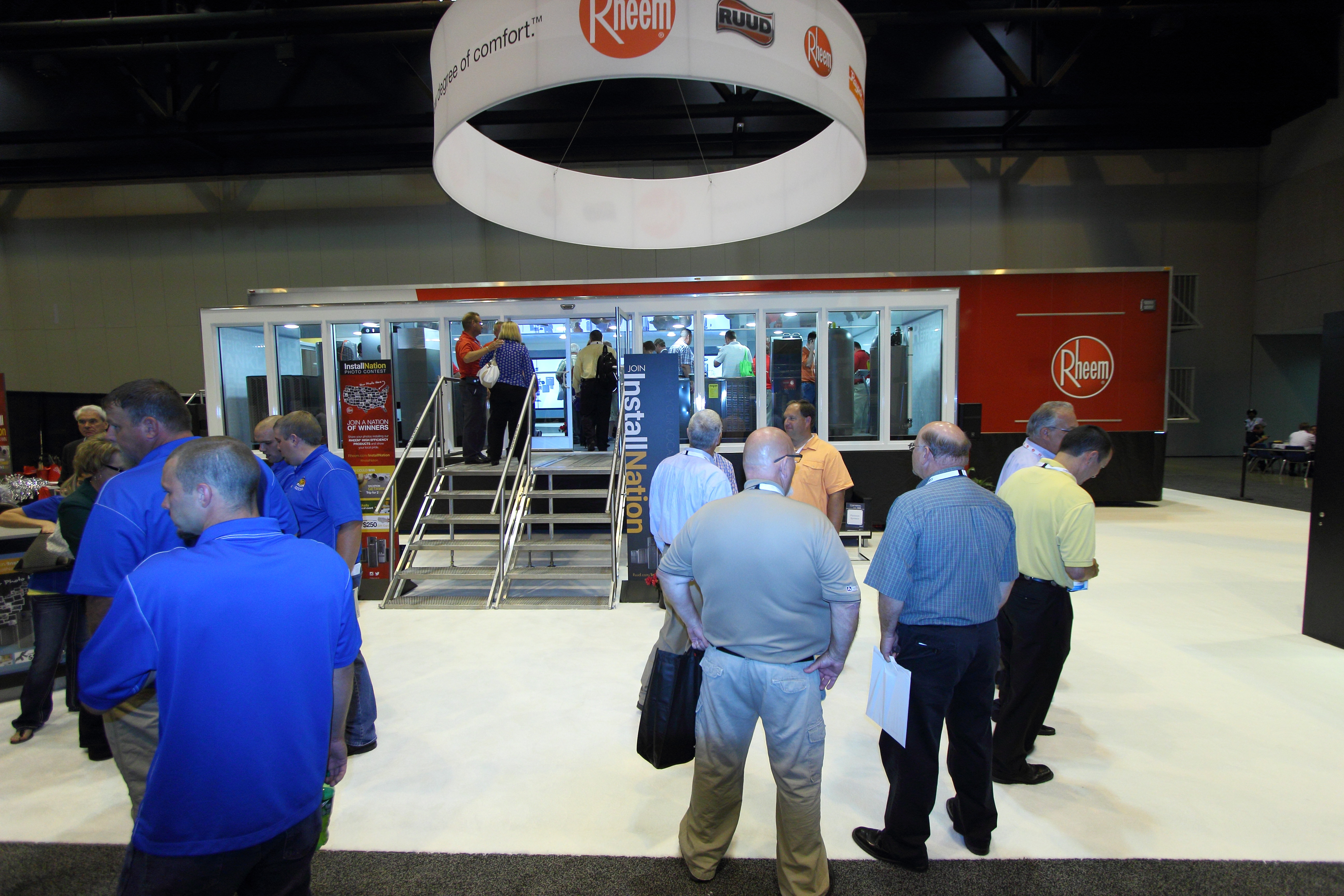
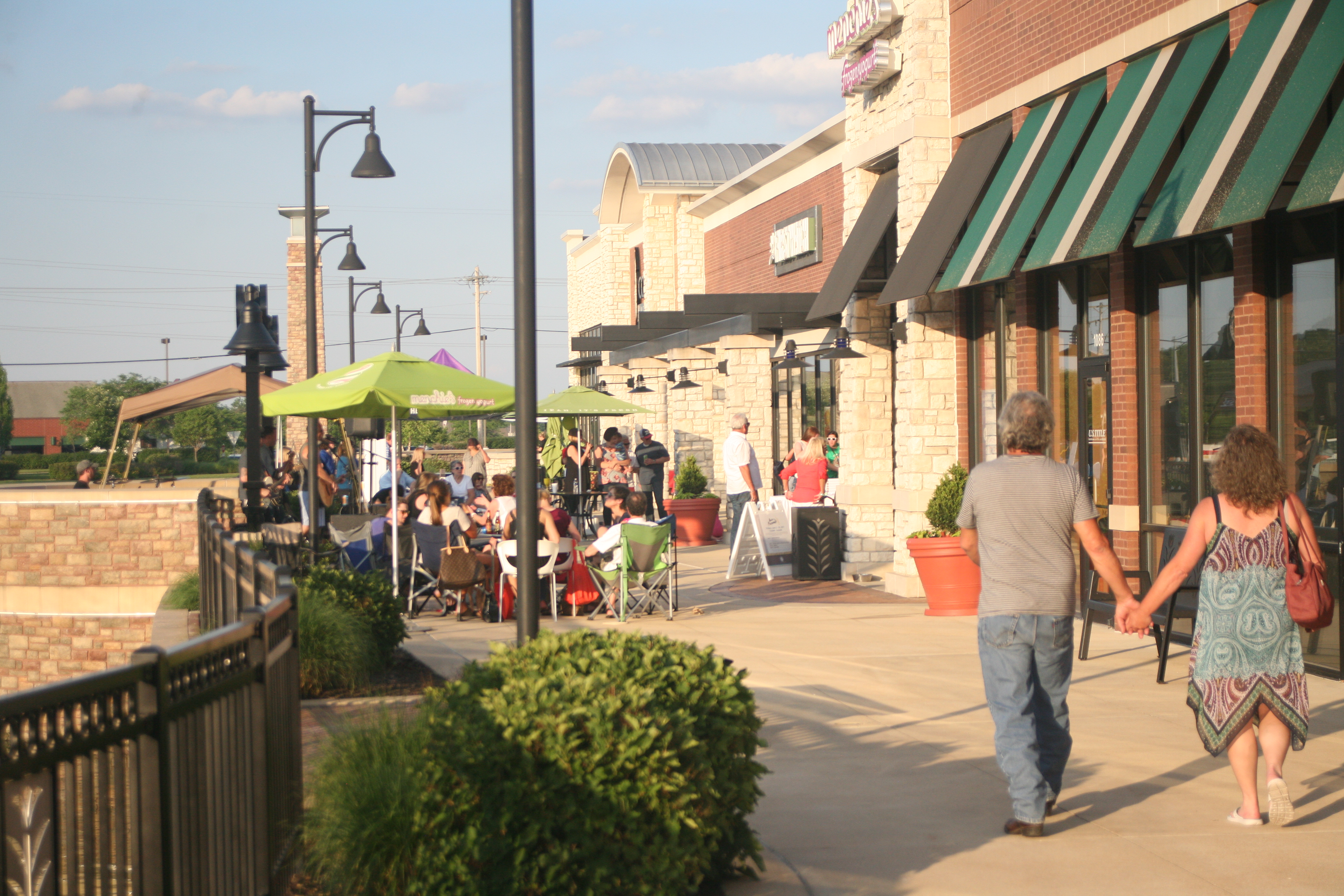
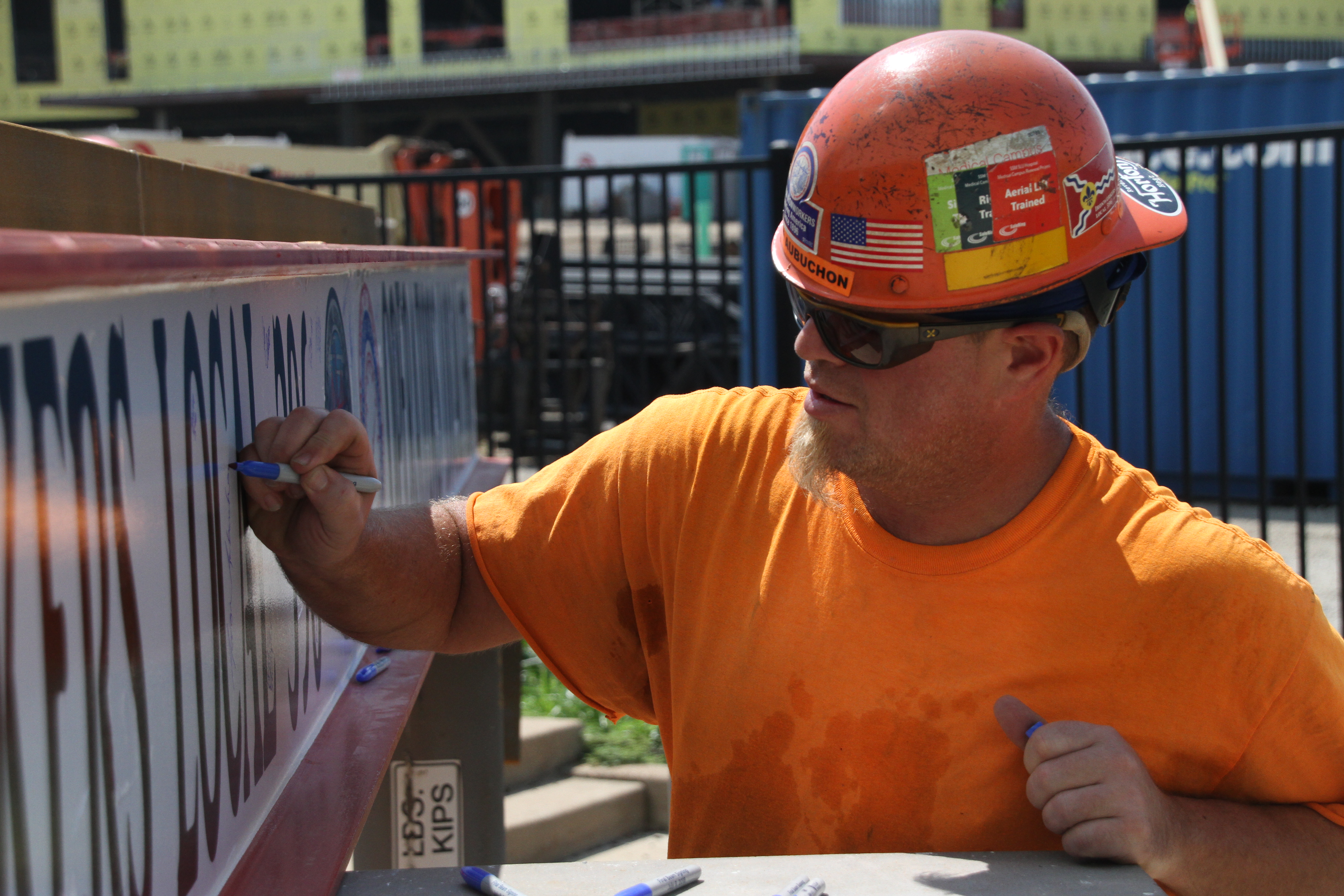
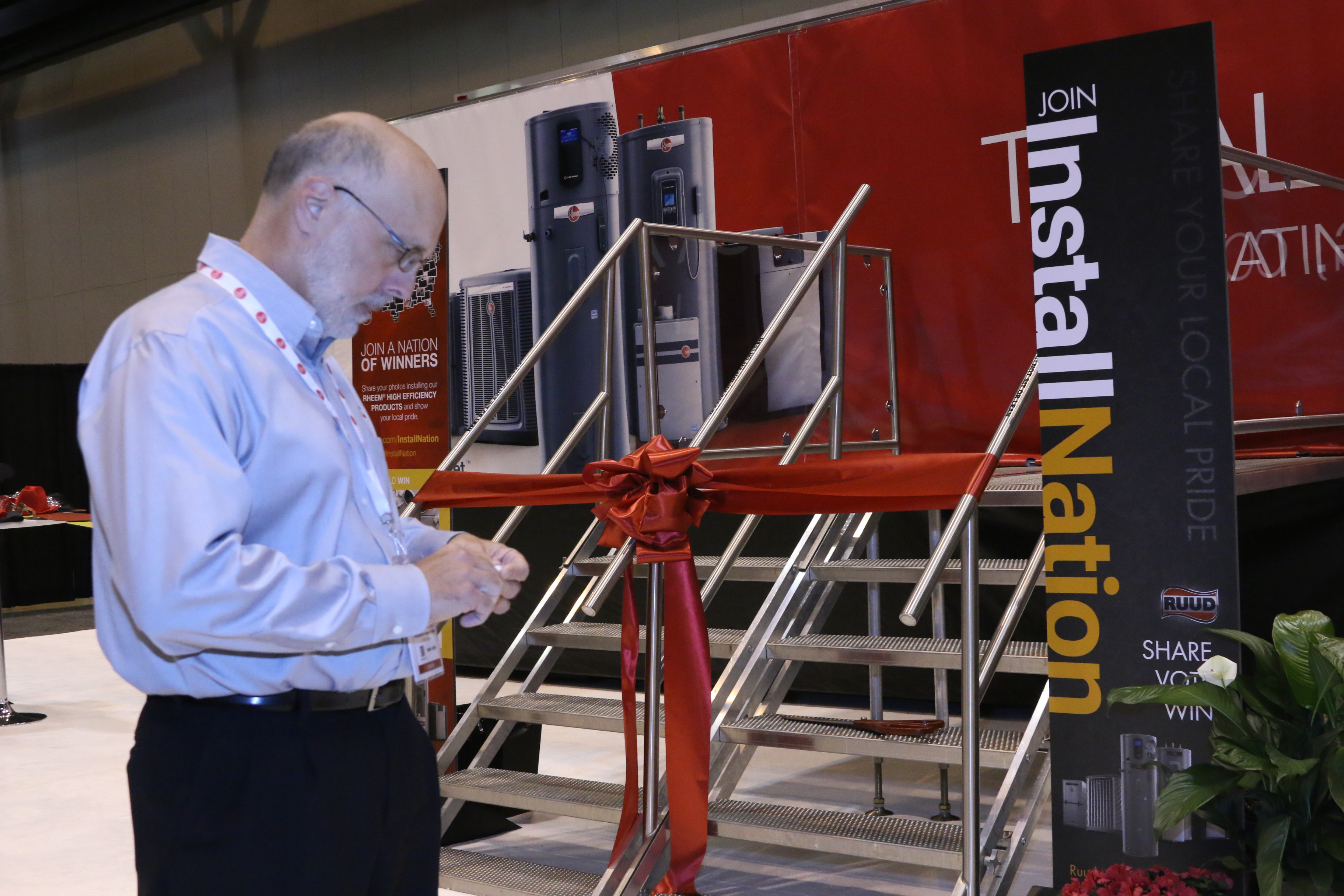
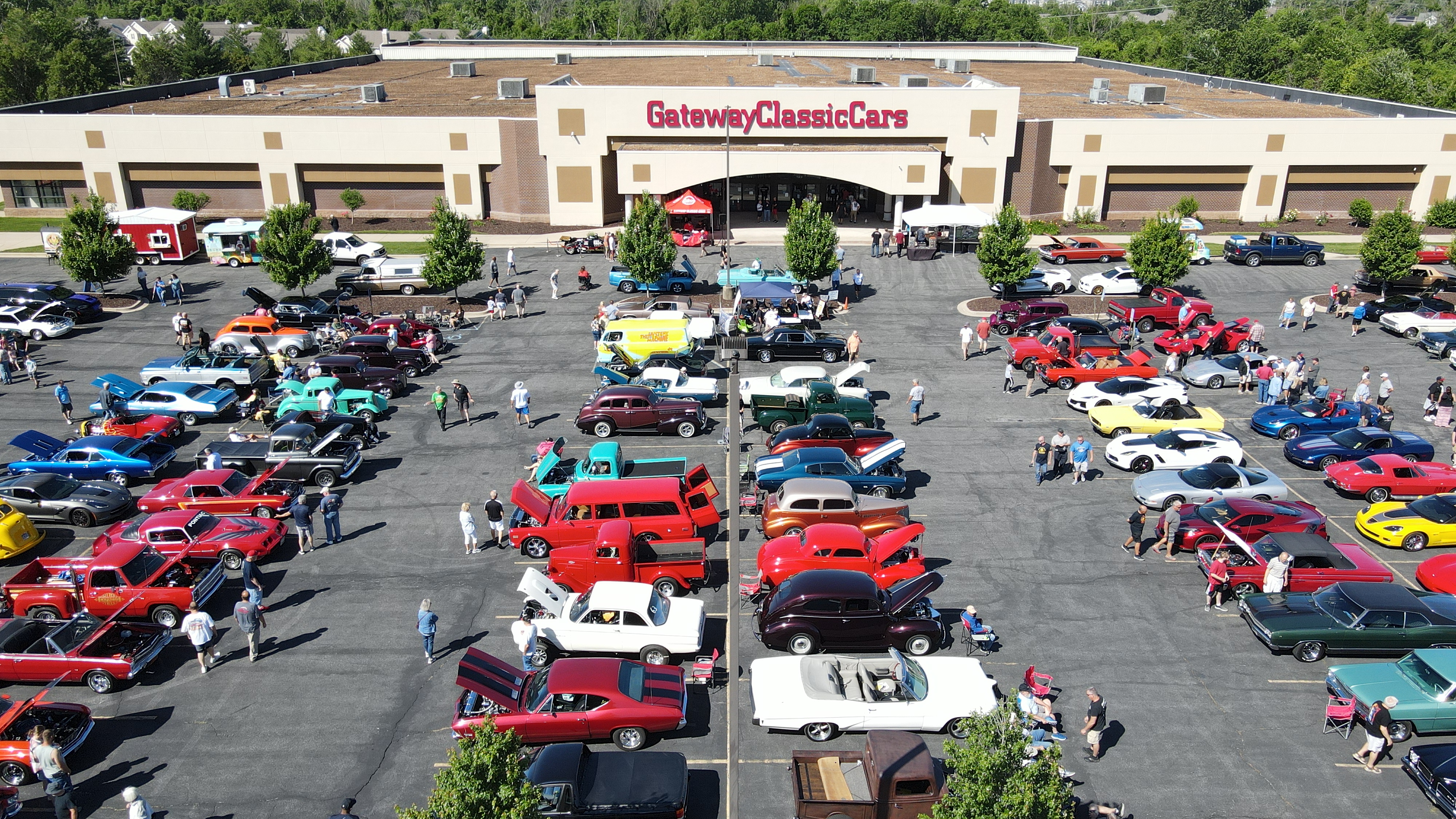
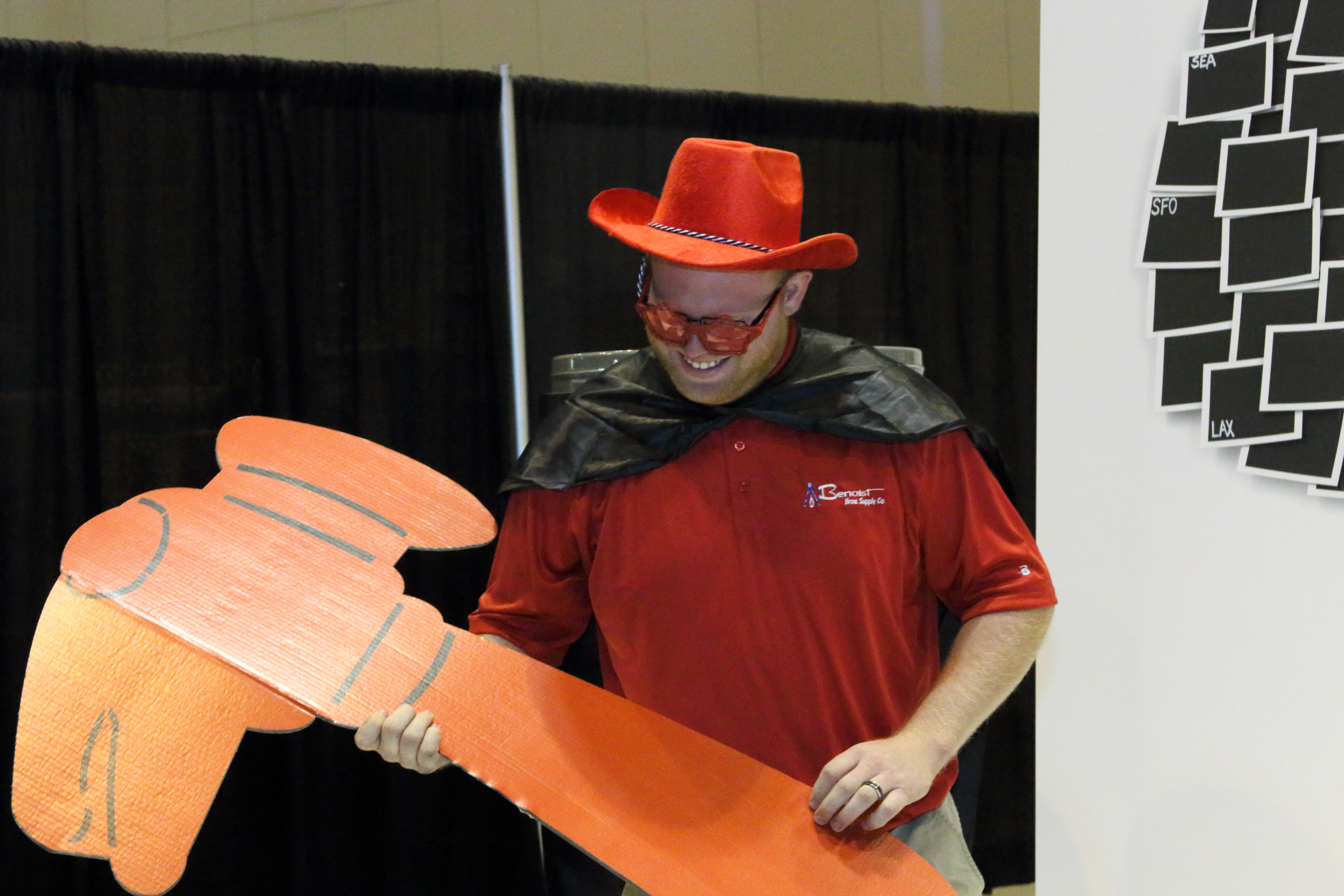
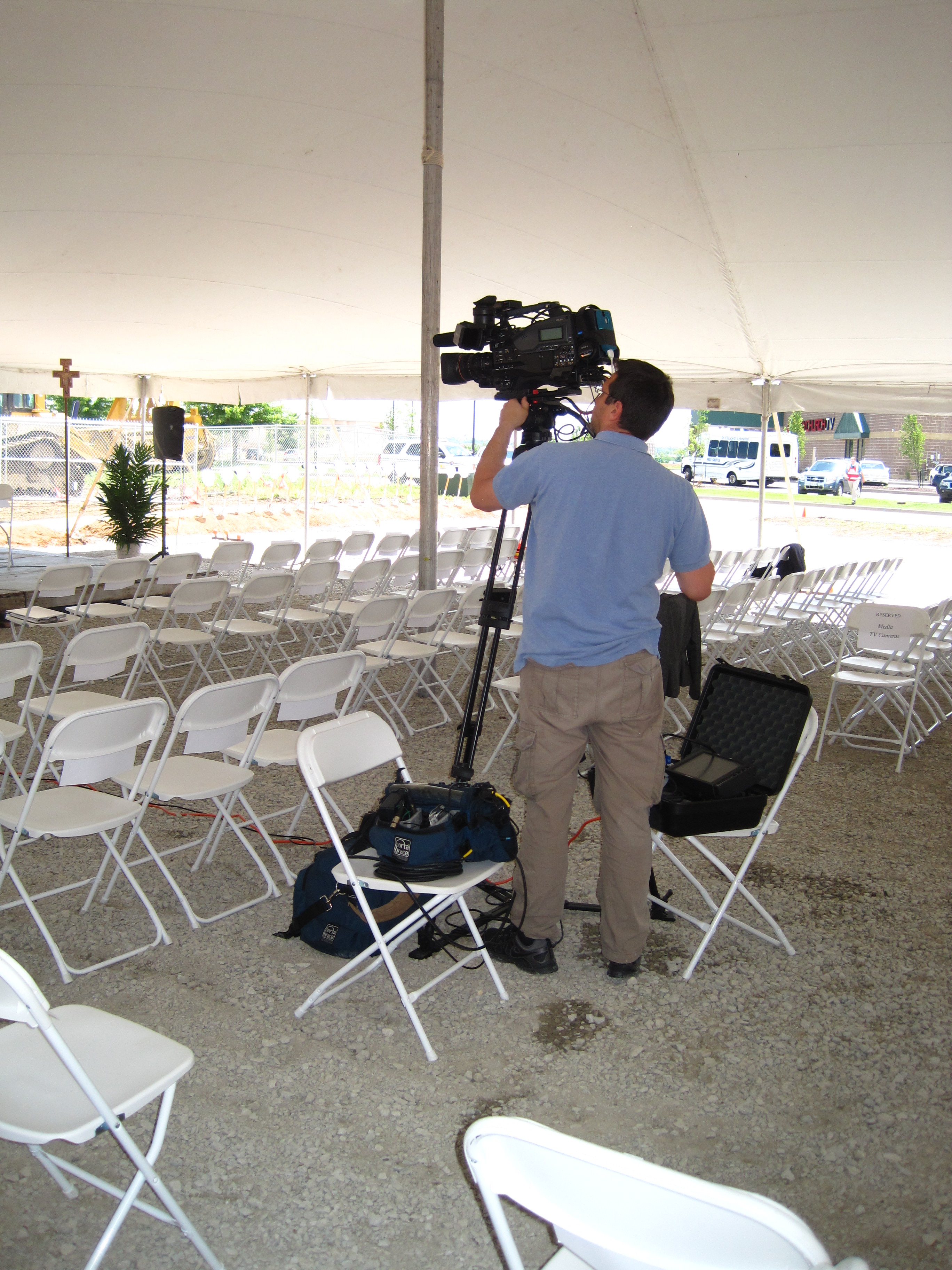
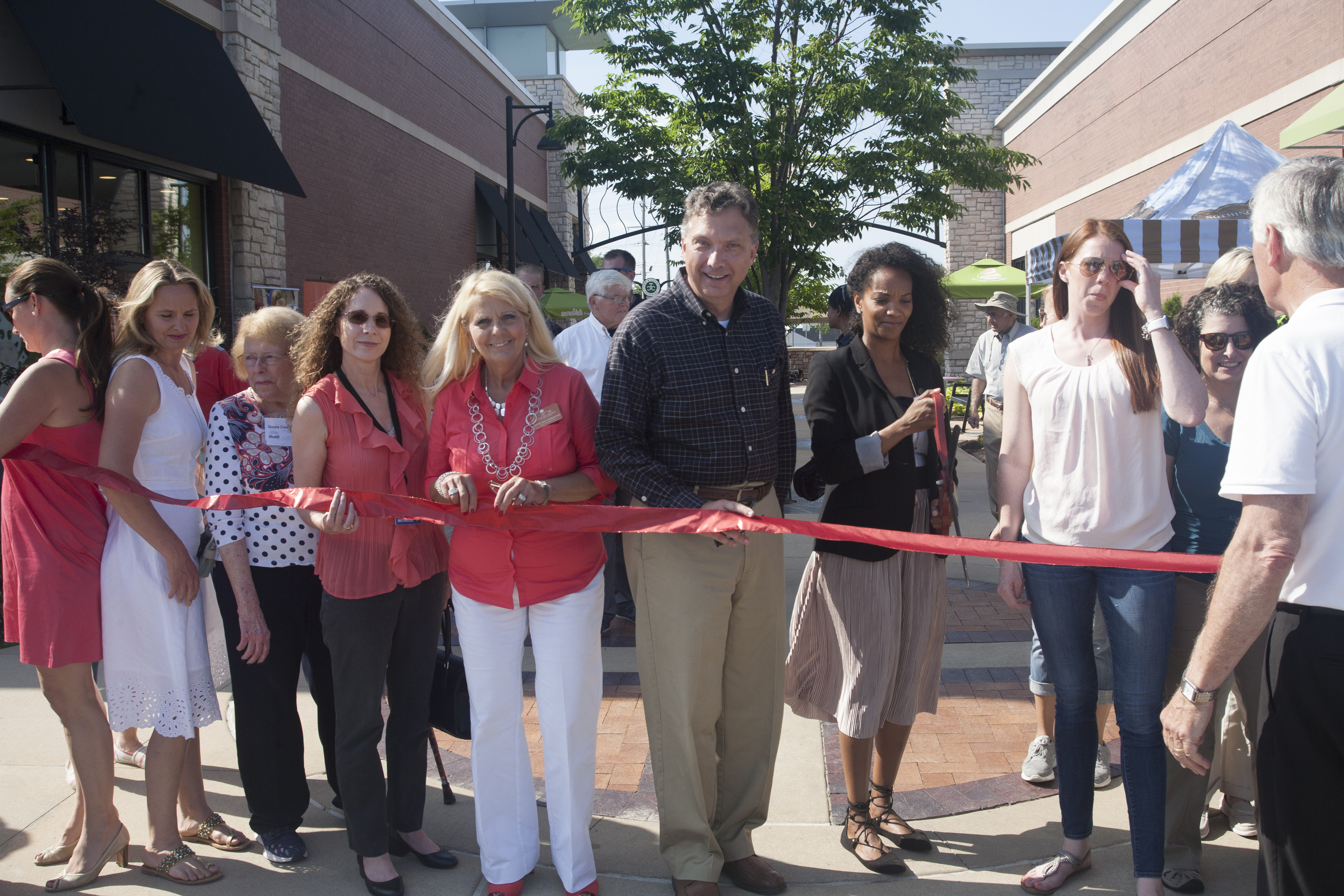
- Must-capture moments: keynotes, awards, ribbon cuttings, product reveals
- Key people: executives, honorees, partners, featured guests
- Brand touchpoints: signage, displays, stage design, sponsor areas
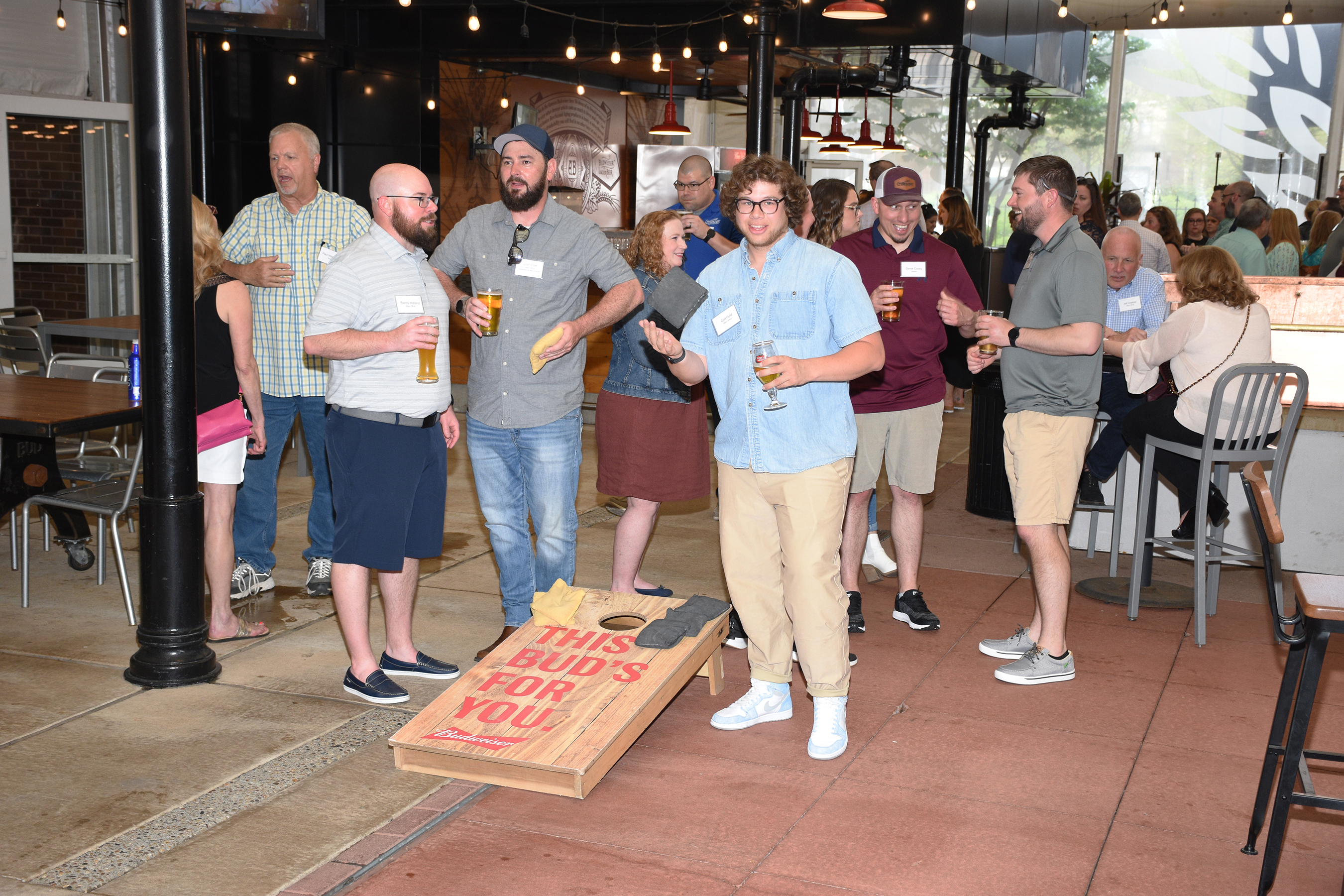
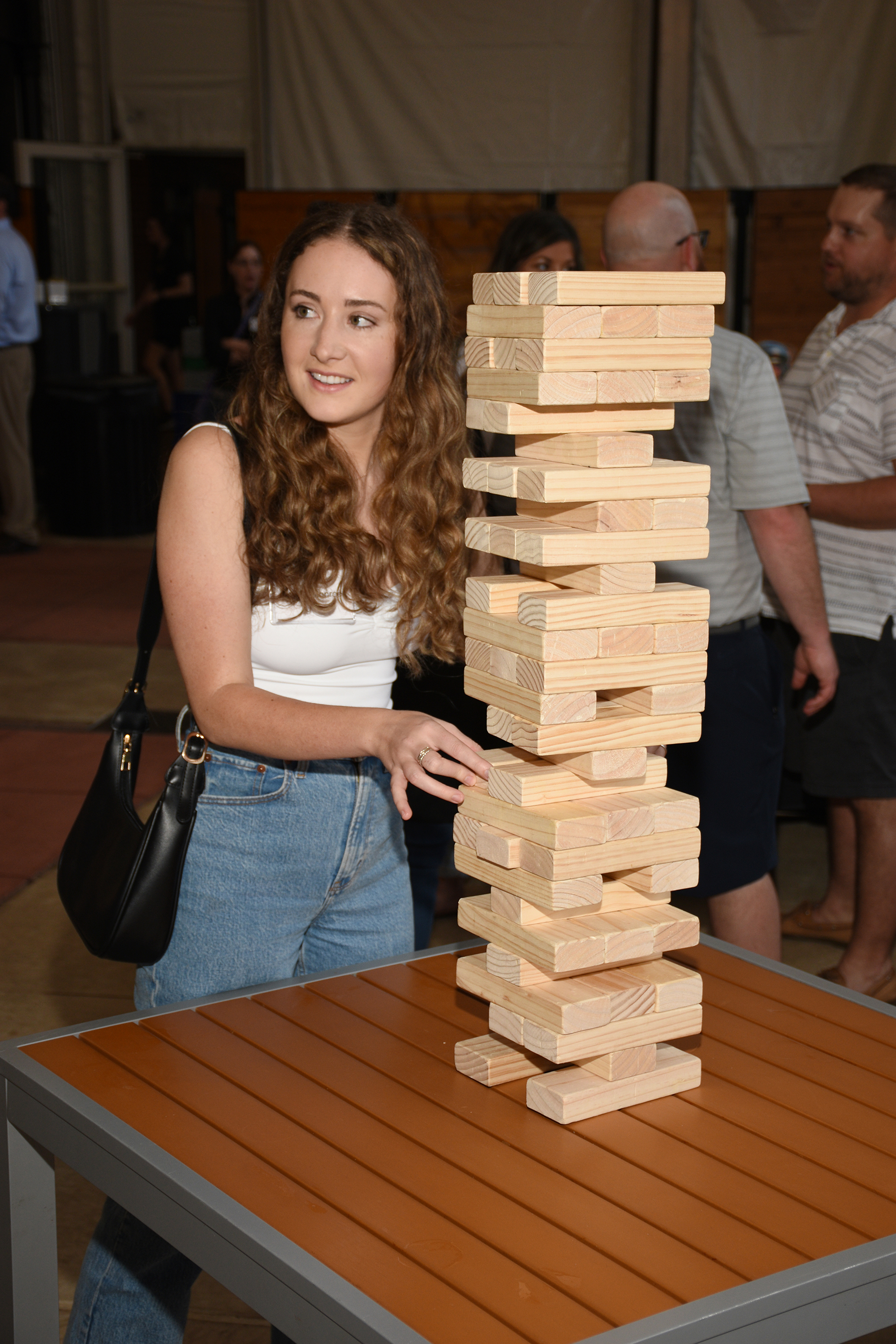
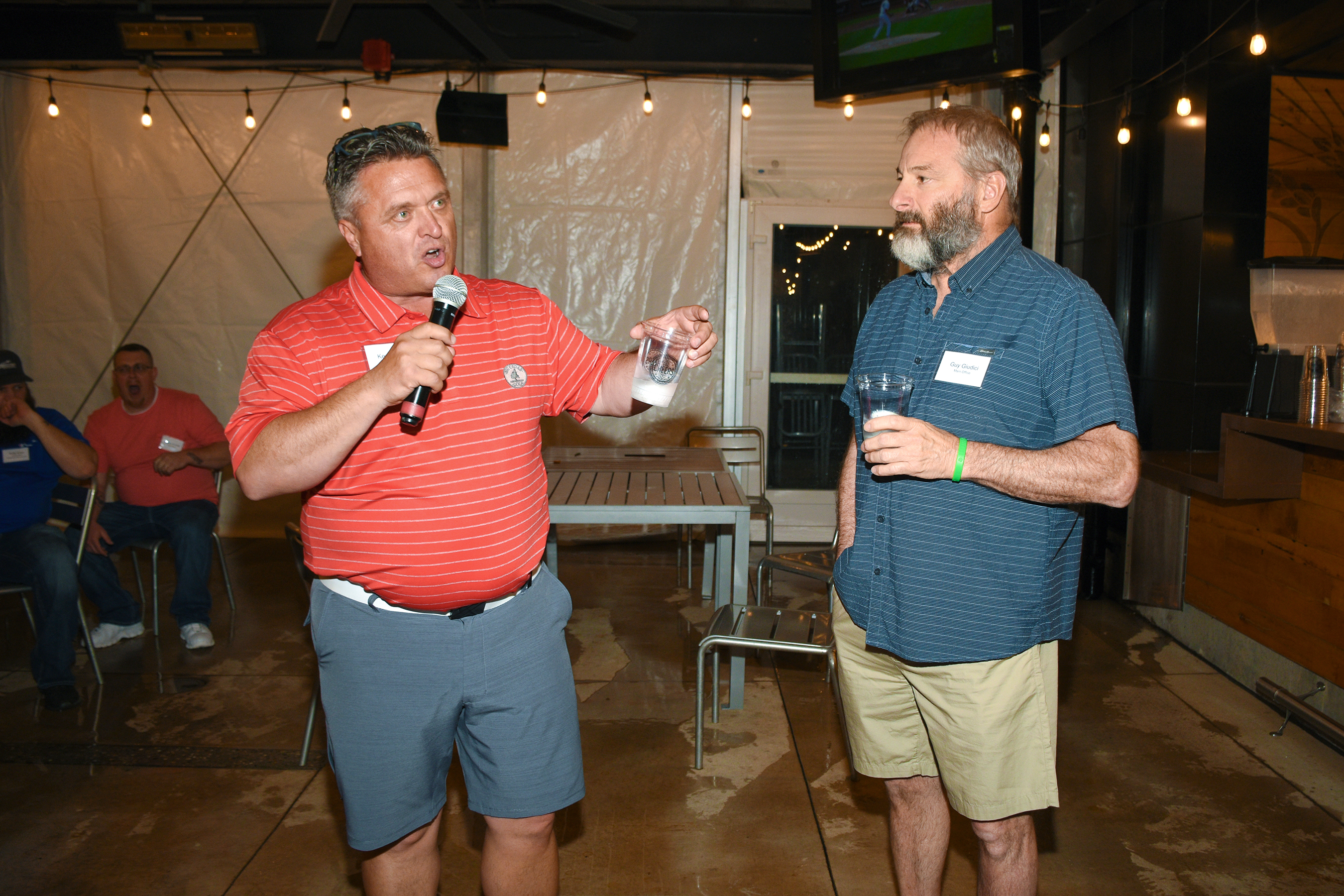
- Atmosphere: candid conversations, crowd reactions, and the small details that give an event its character
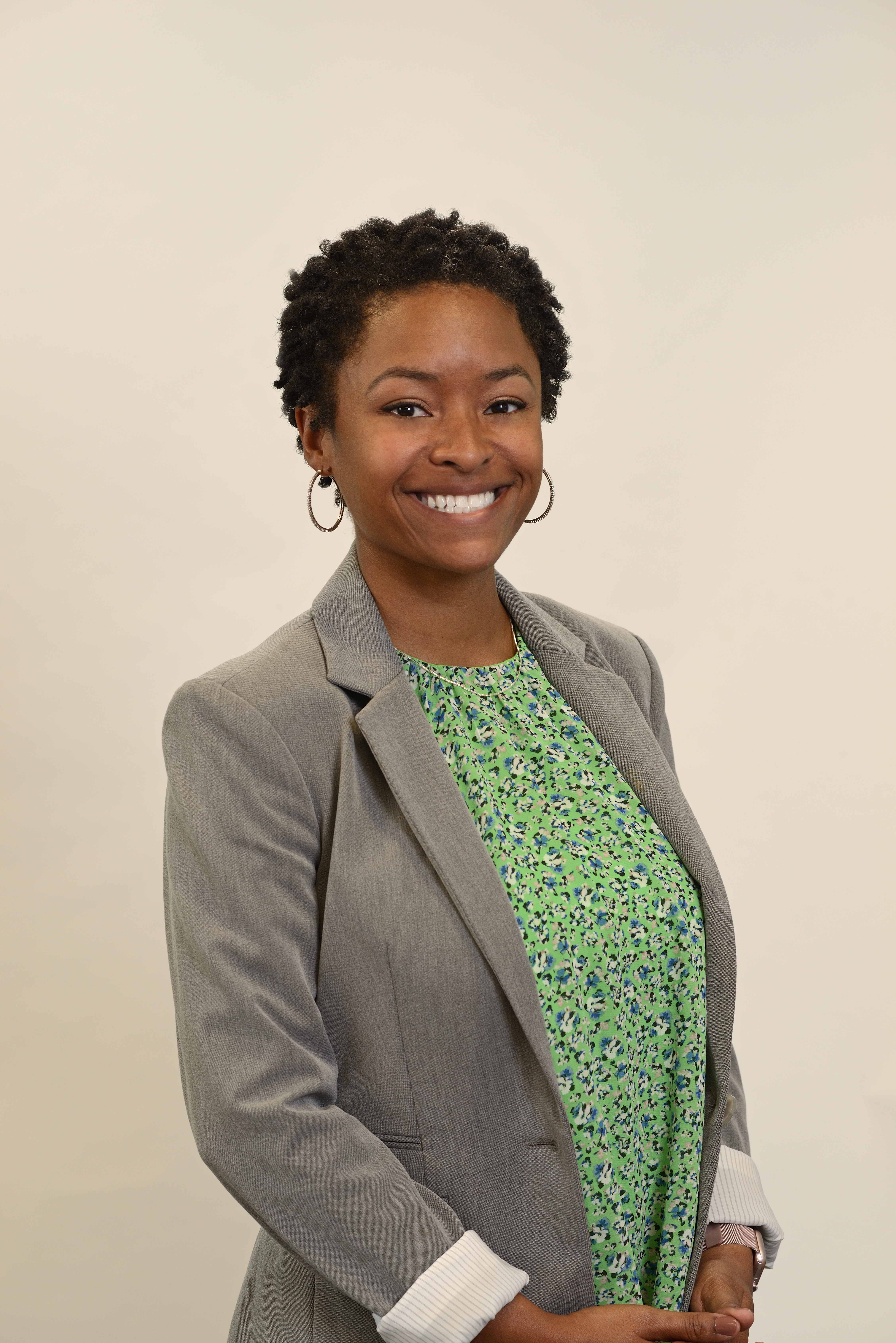
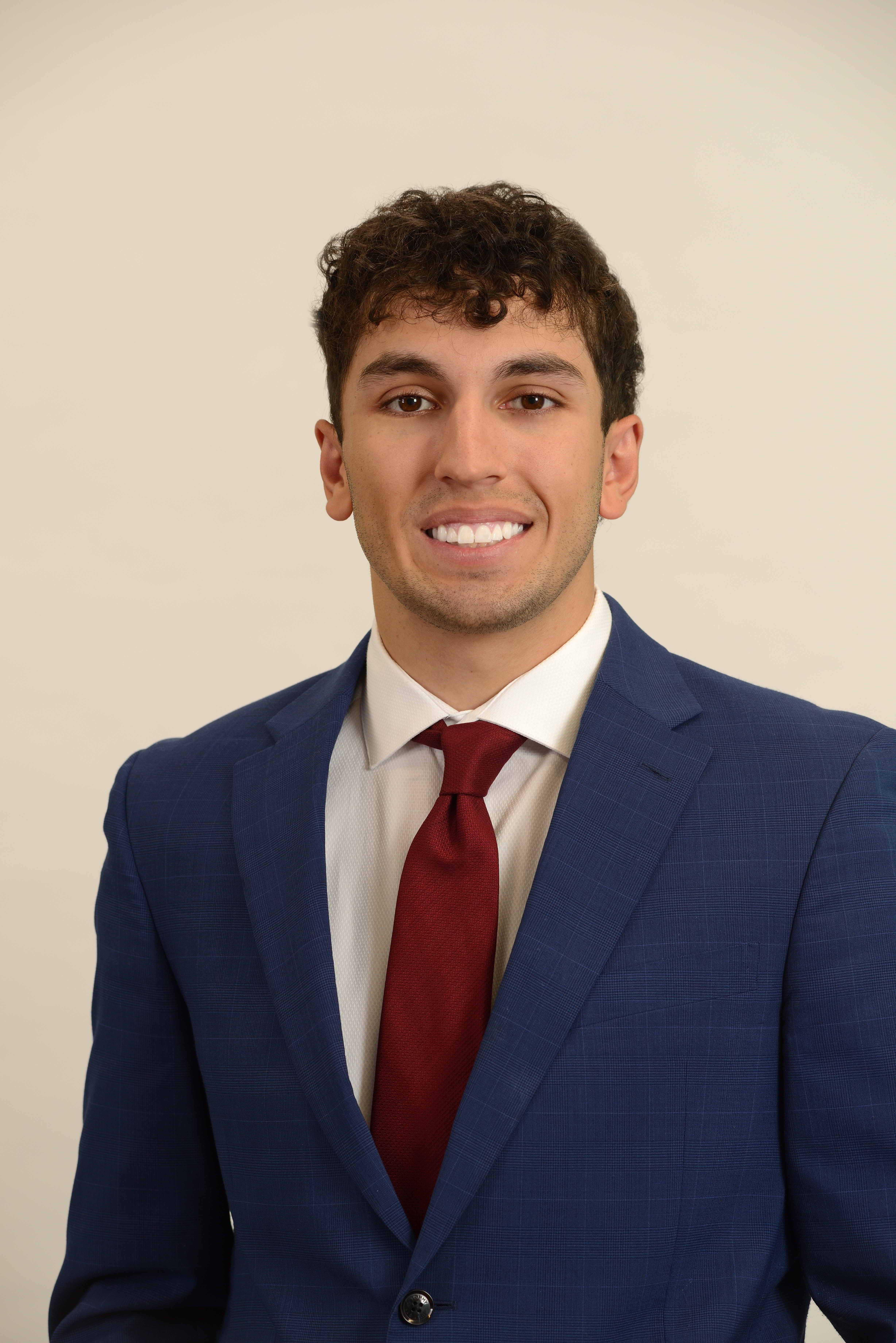
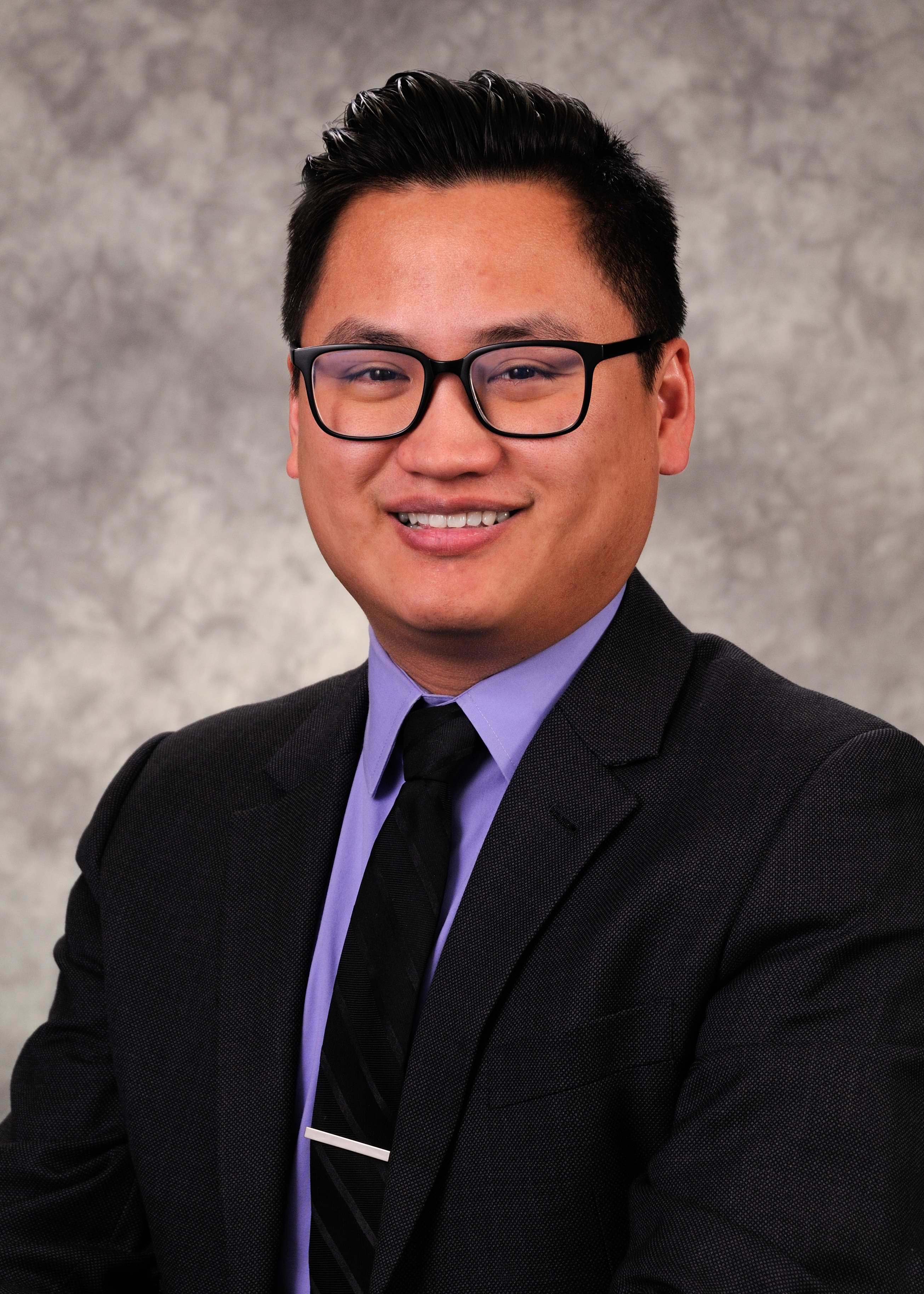
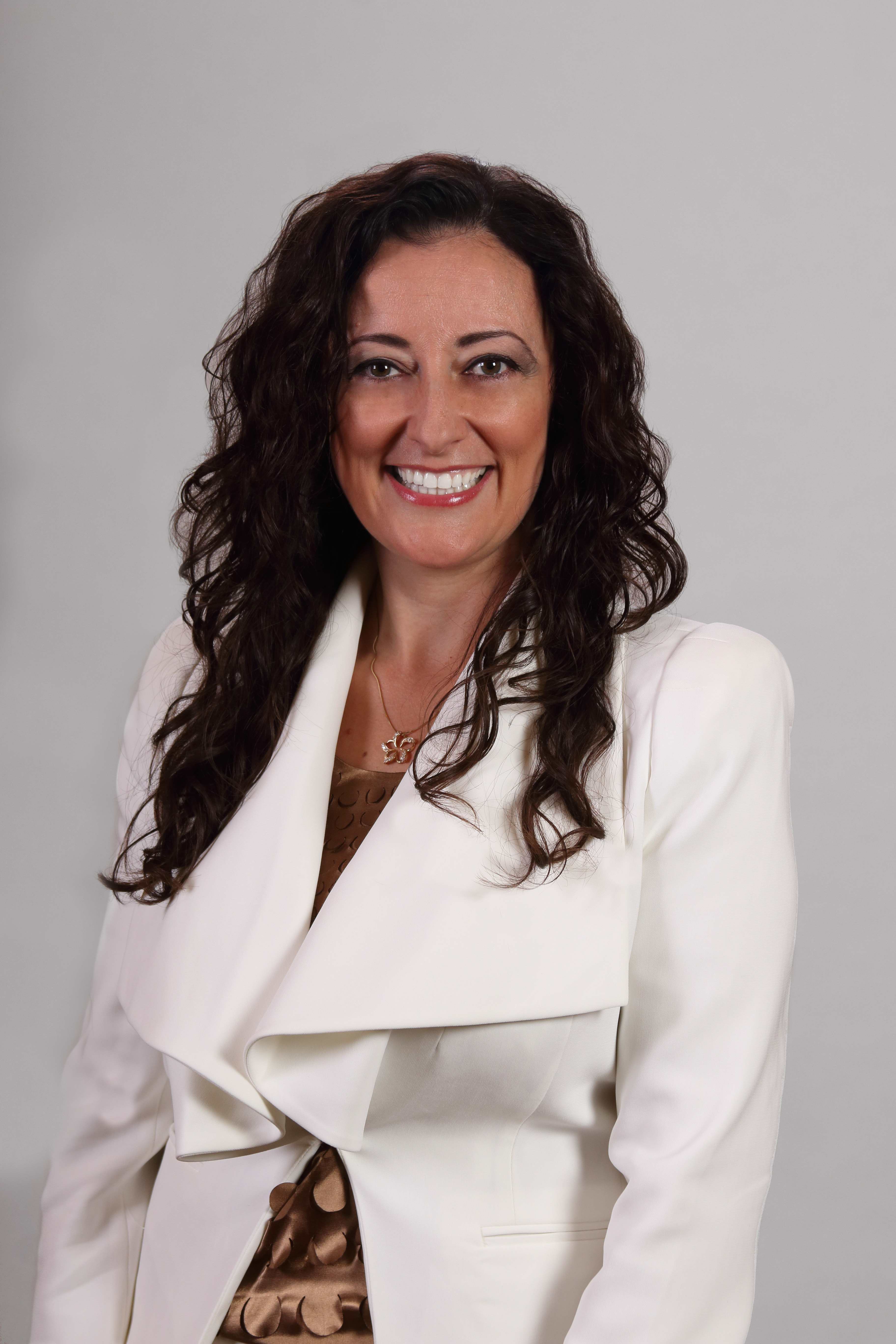
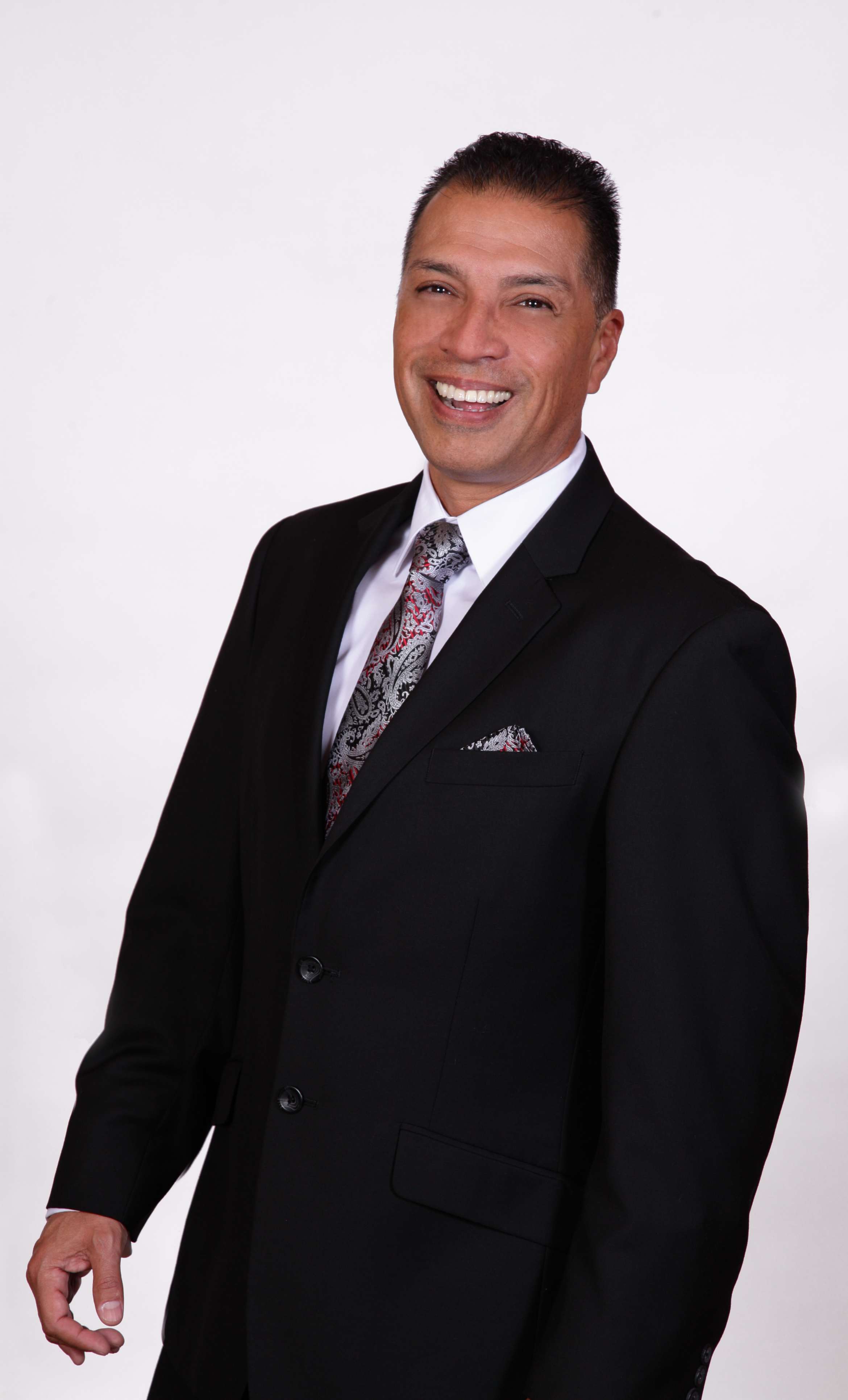
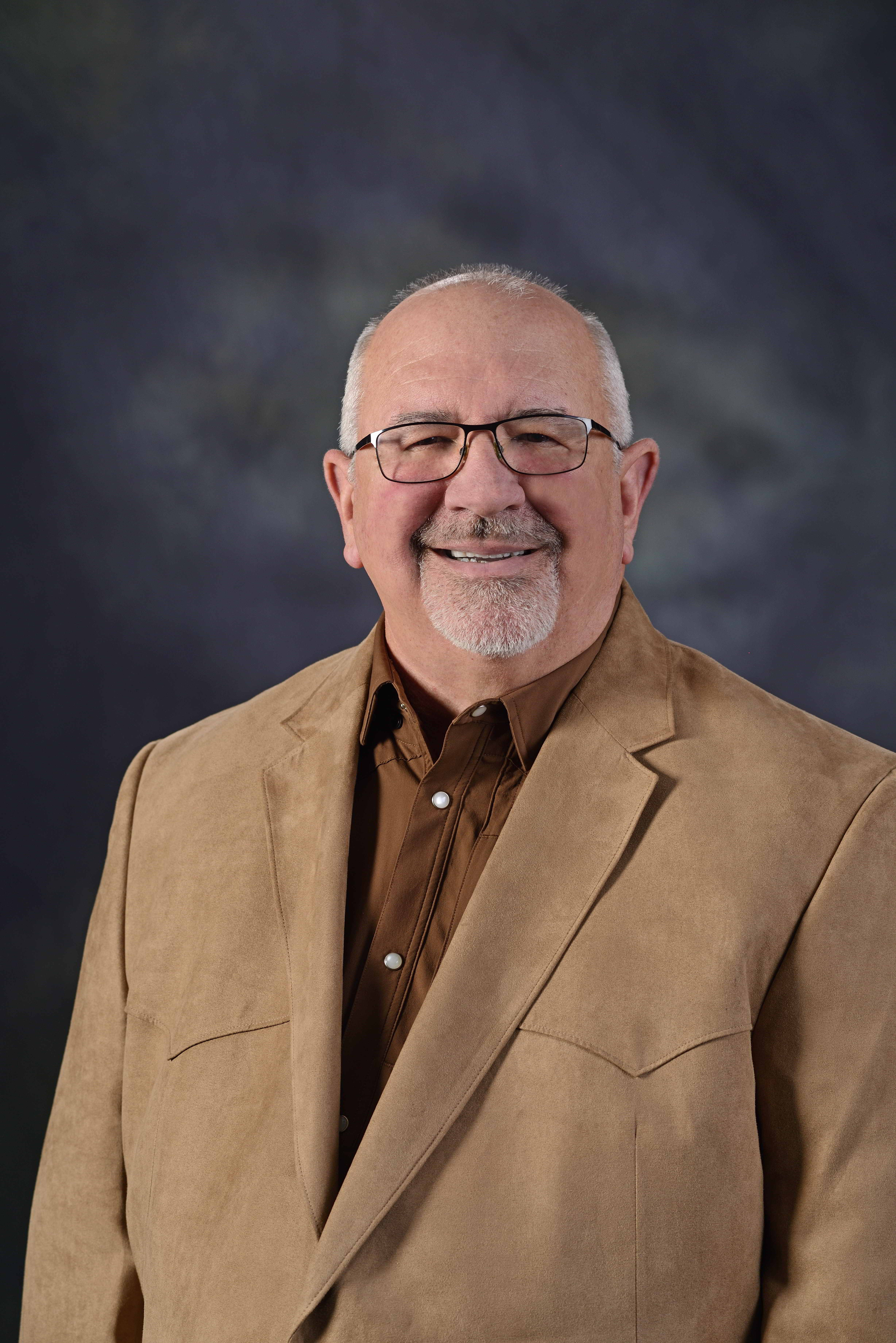
Consider adding a portrait or interview station
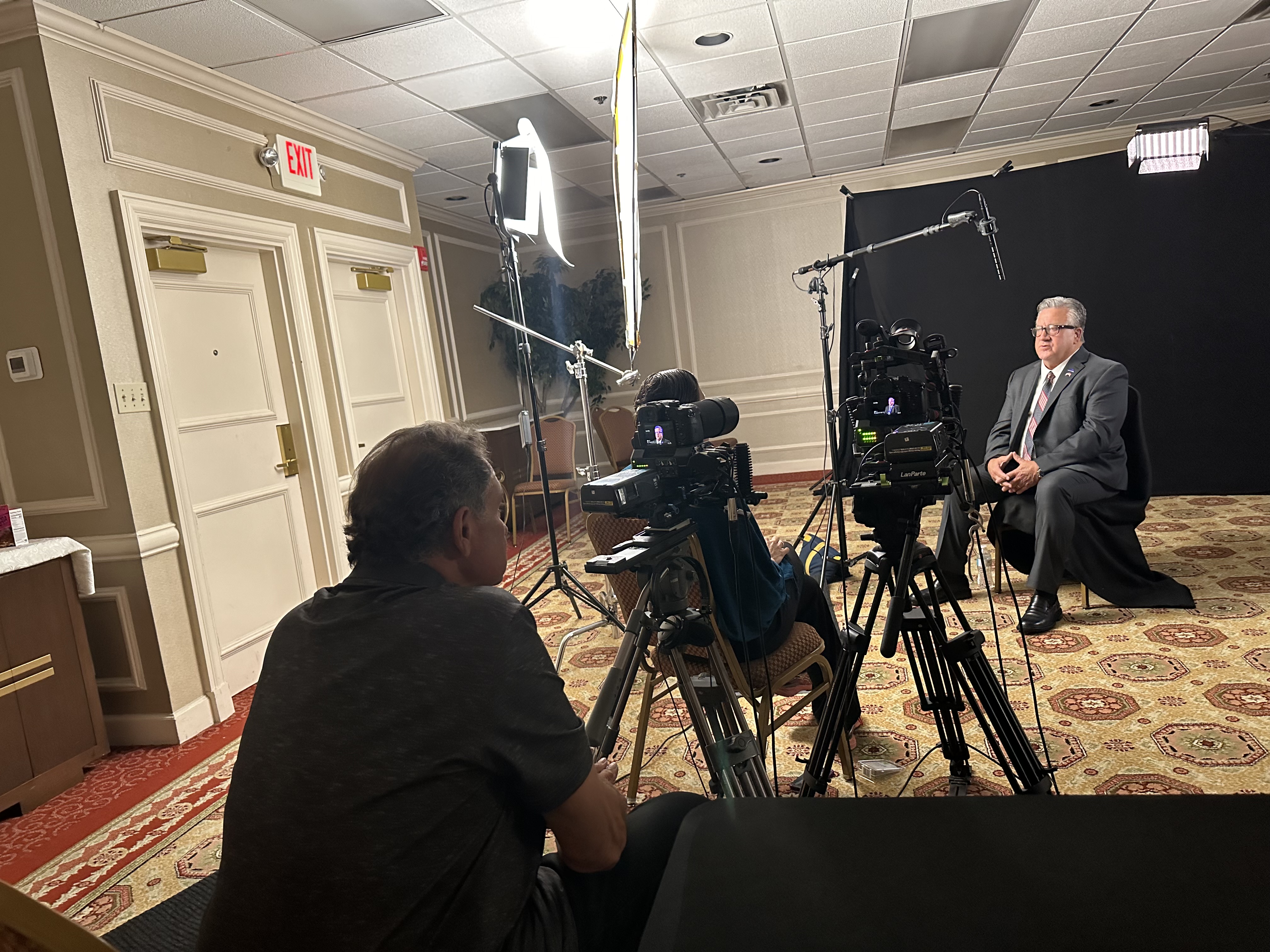
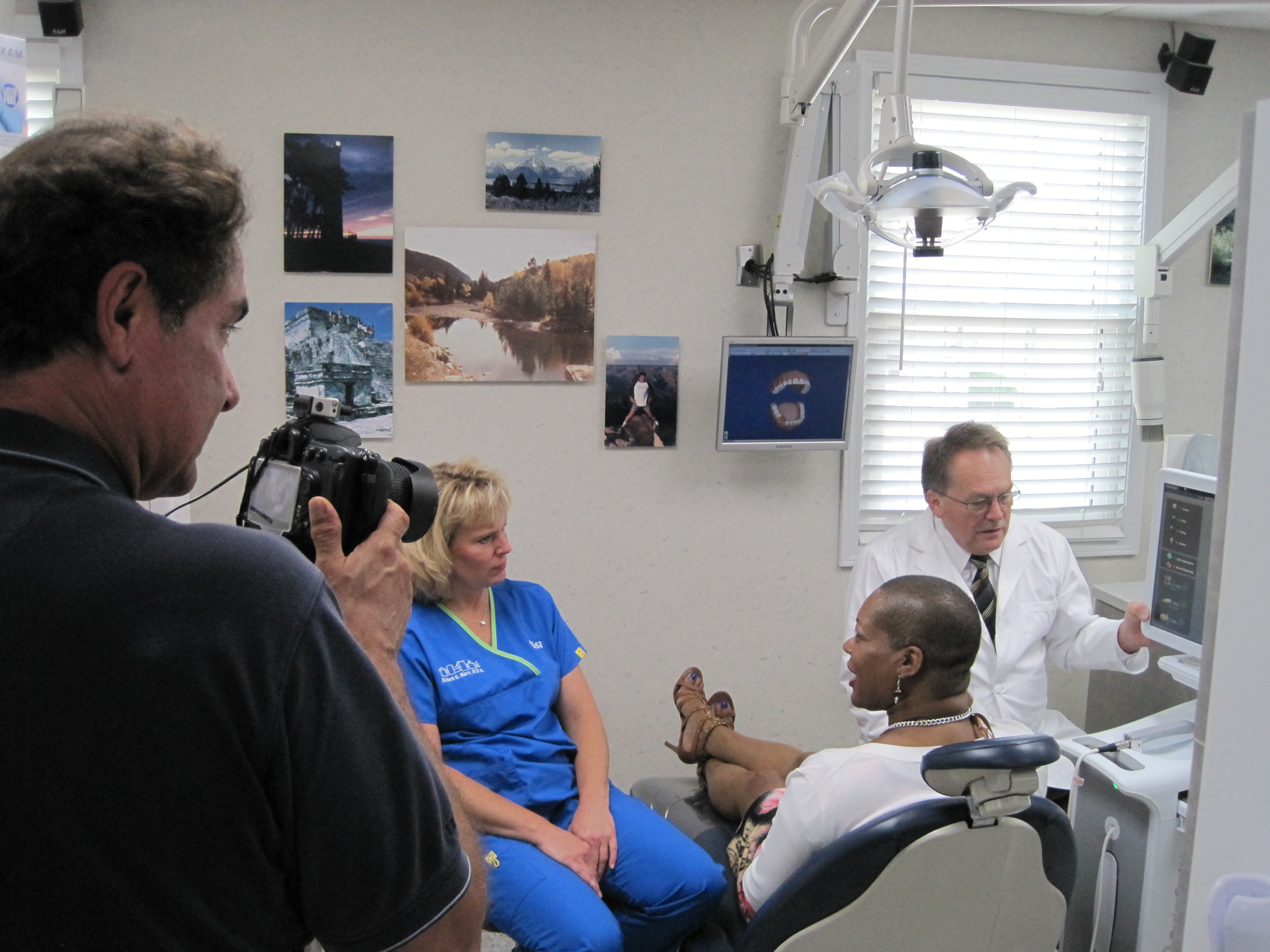
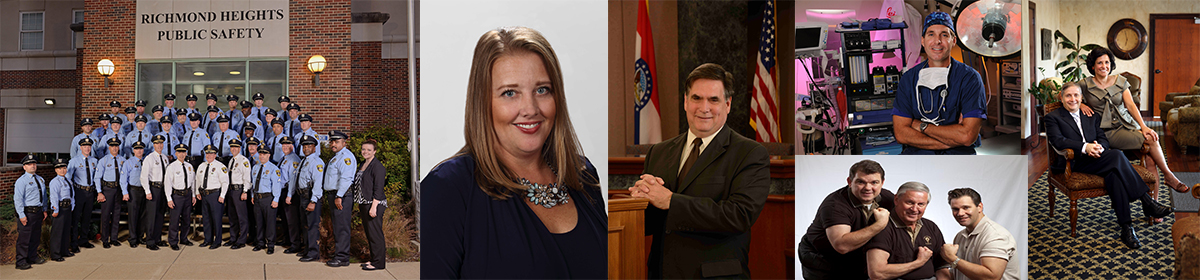
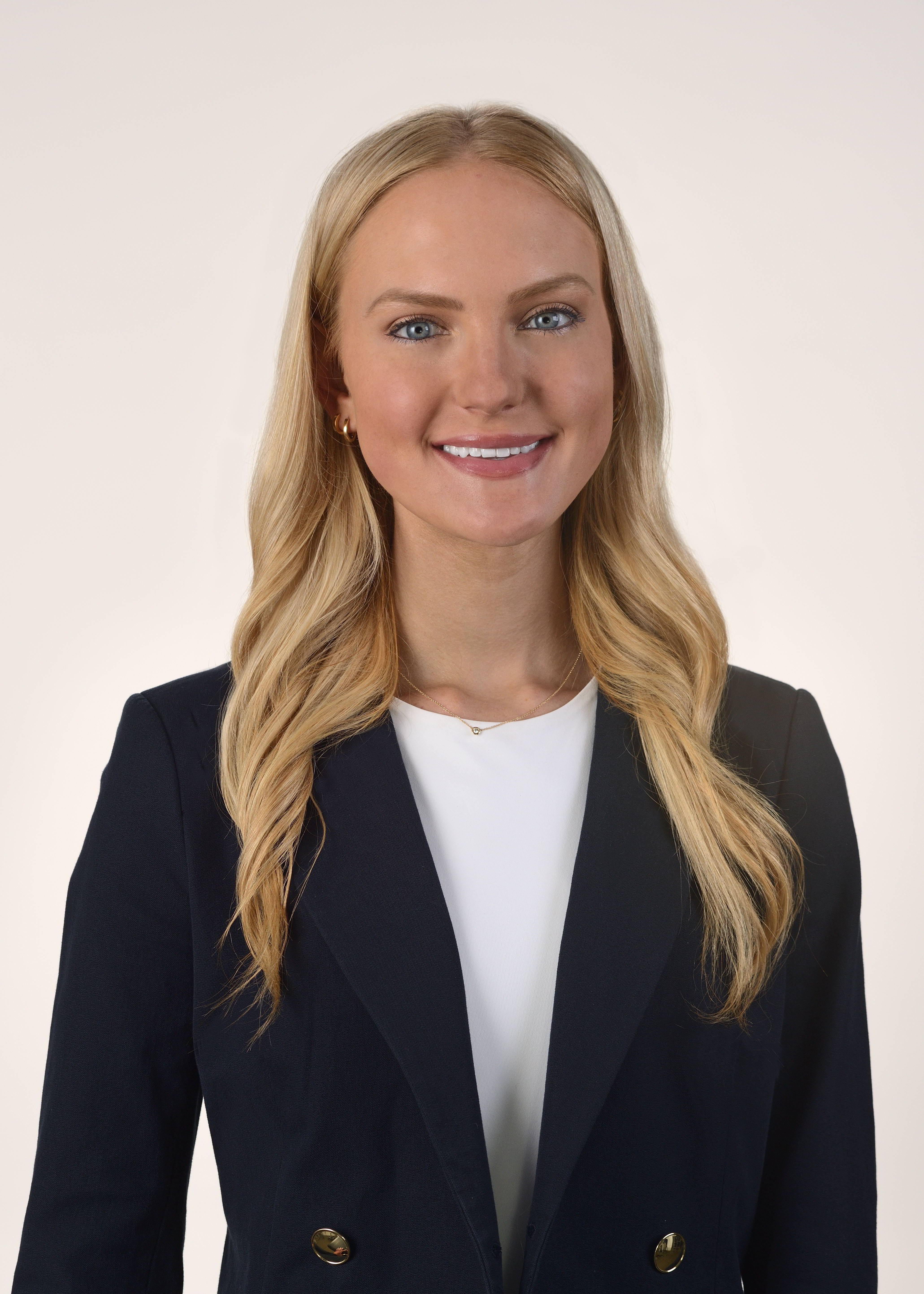
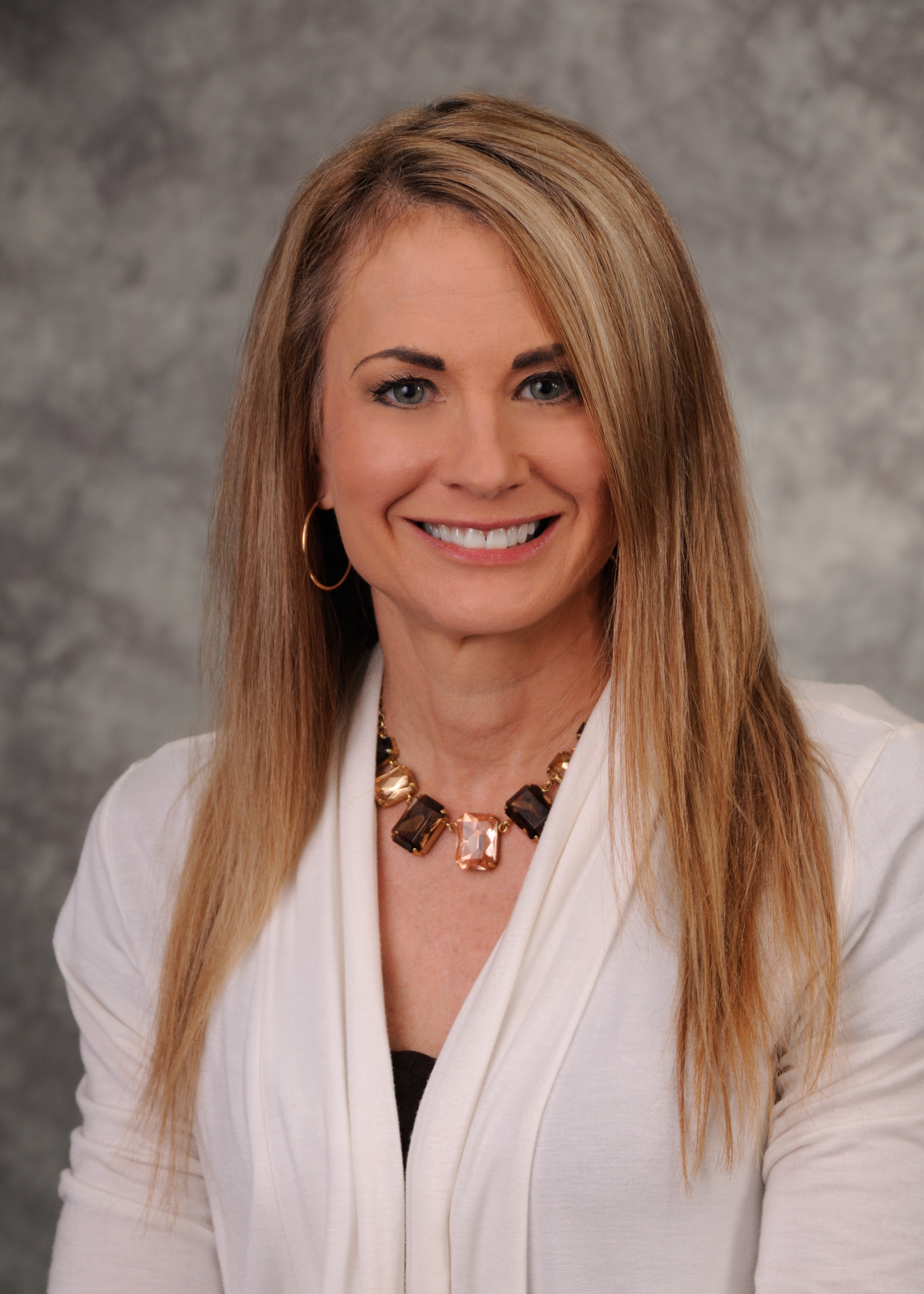
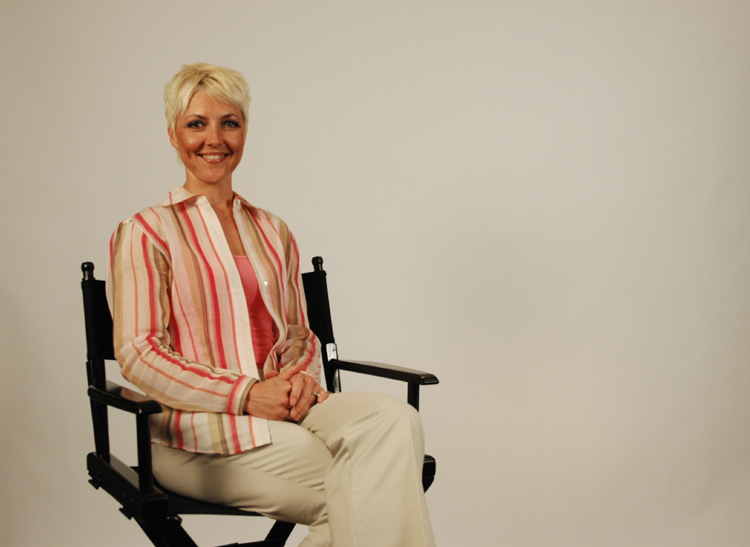
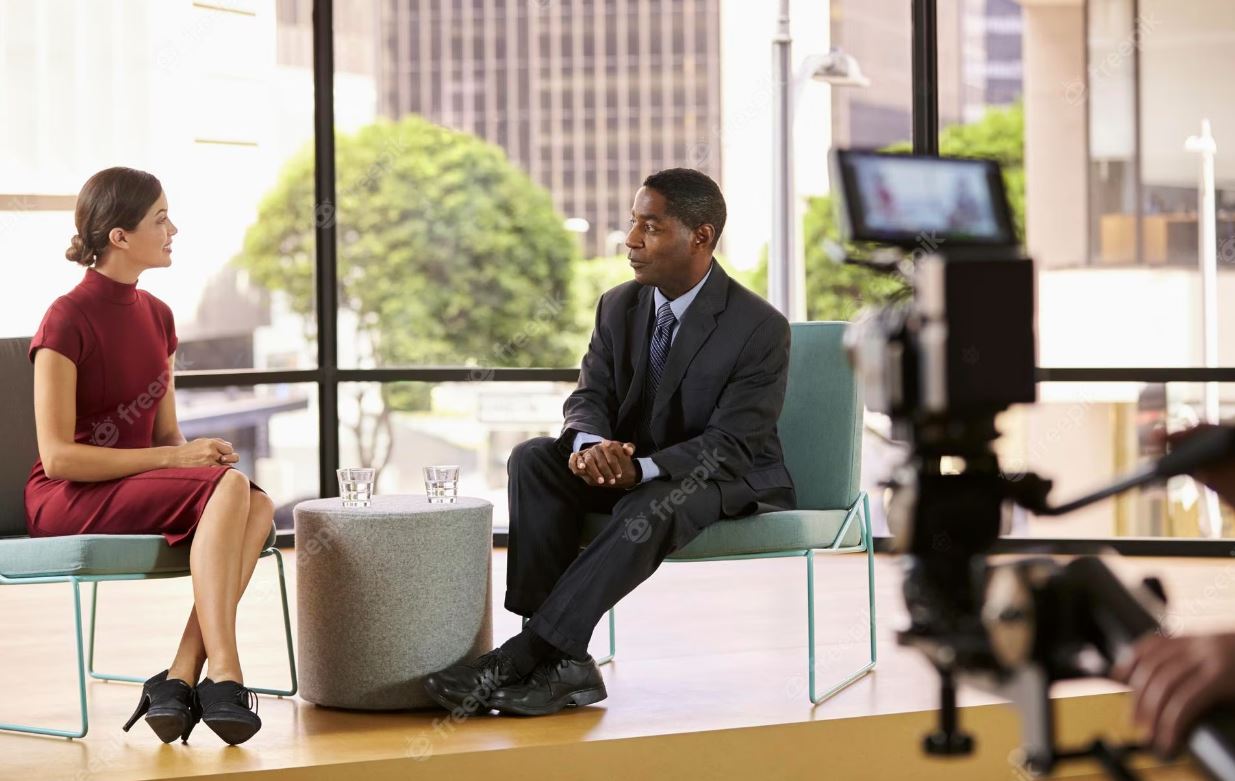
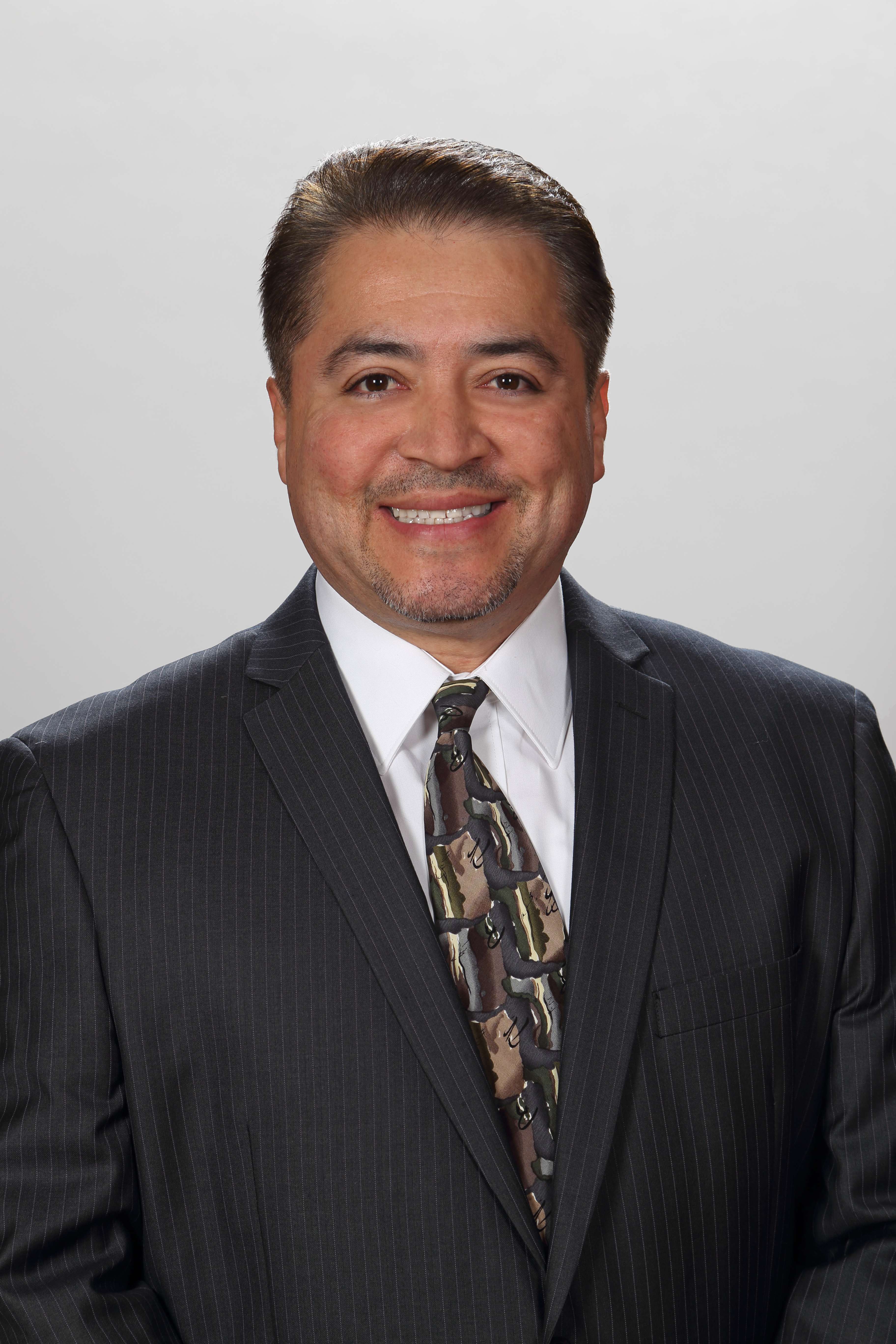
Events gather your most important people in one place. A quiet corner with controlled lighting and a clean backdrop lets you capture executive portraits, speaker headshots, and short on-camera testimonials while everyone is already there. These are often the most reusable assets from the entire event, because they stay current on websites, speaker pages, and press materials for a long time.
Scout the venue
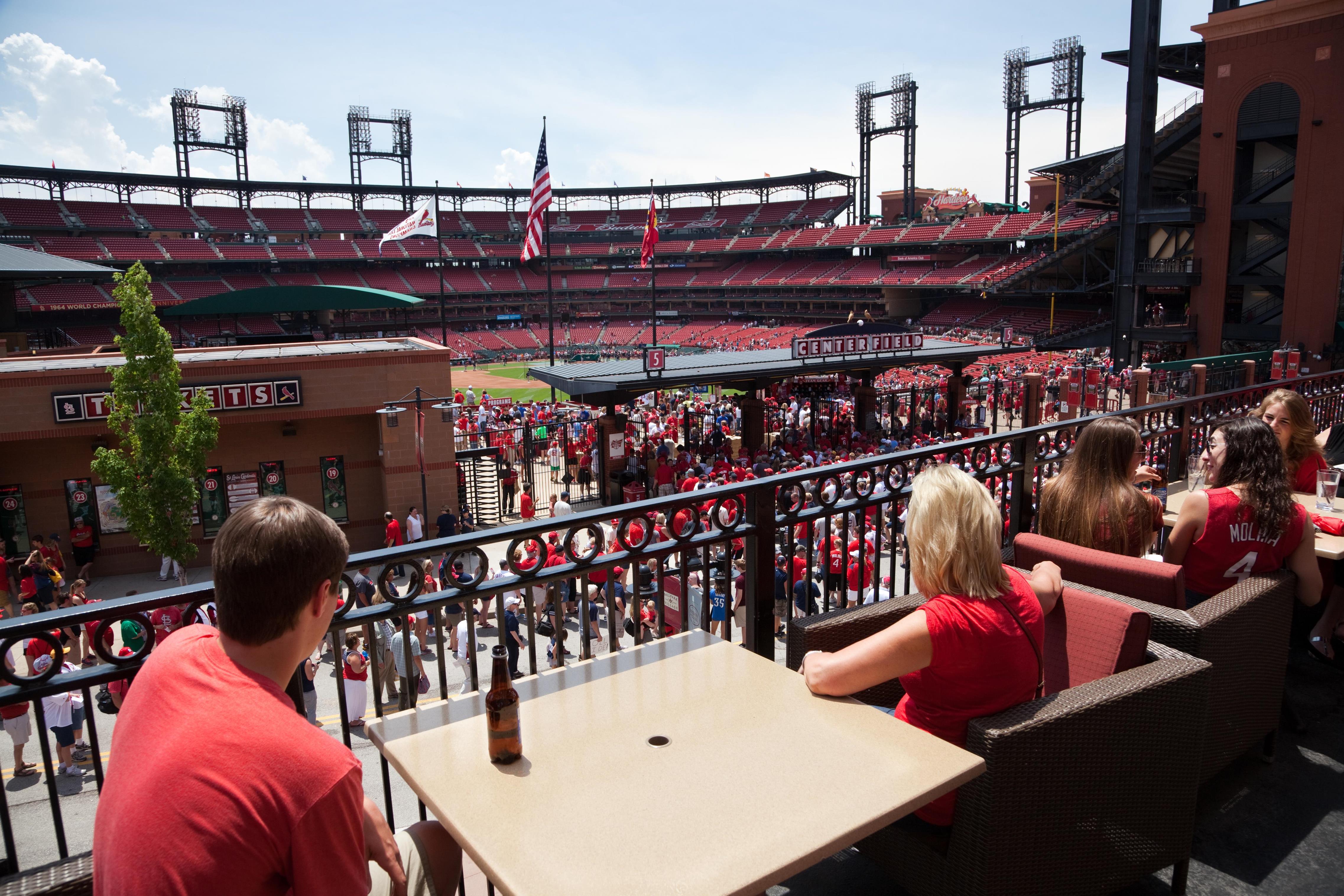
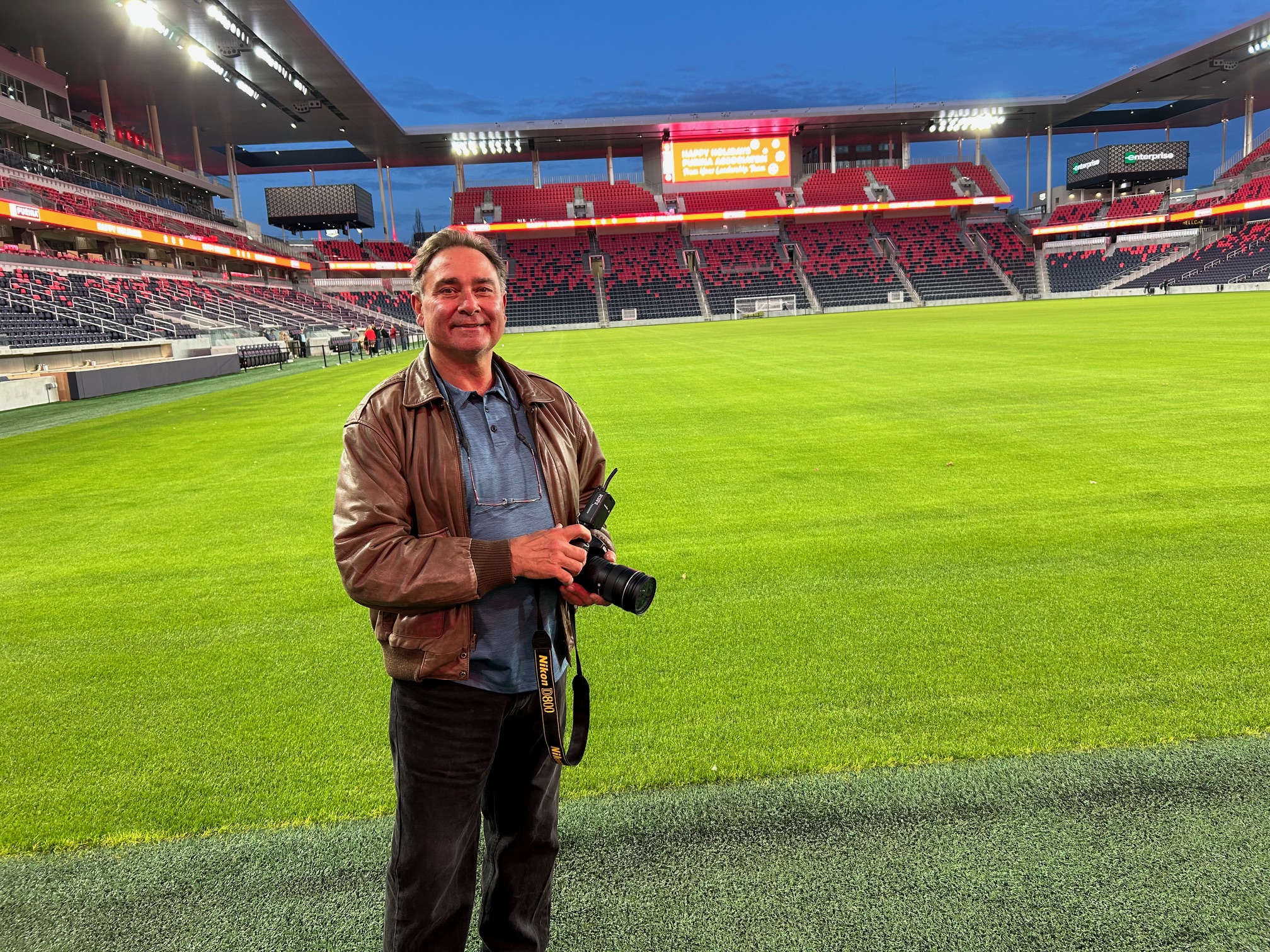
A venue walk-through prevents surprises. Check lighting through the day, power and audio access, sight lines, load-in rules, and quiet spaces for interviews. It’s also the best time to find b-roll opportunities, such as architectural details, setup activity, and branded elements that give the final video visual variety.
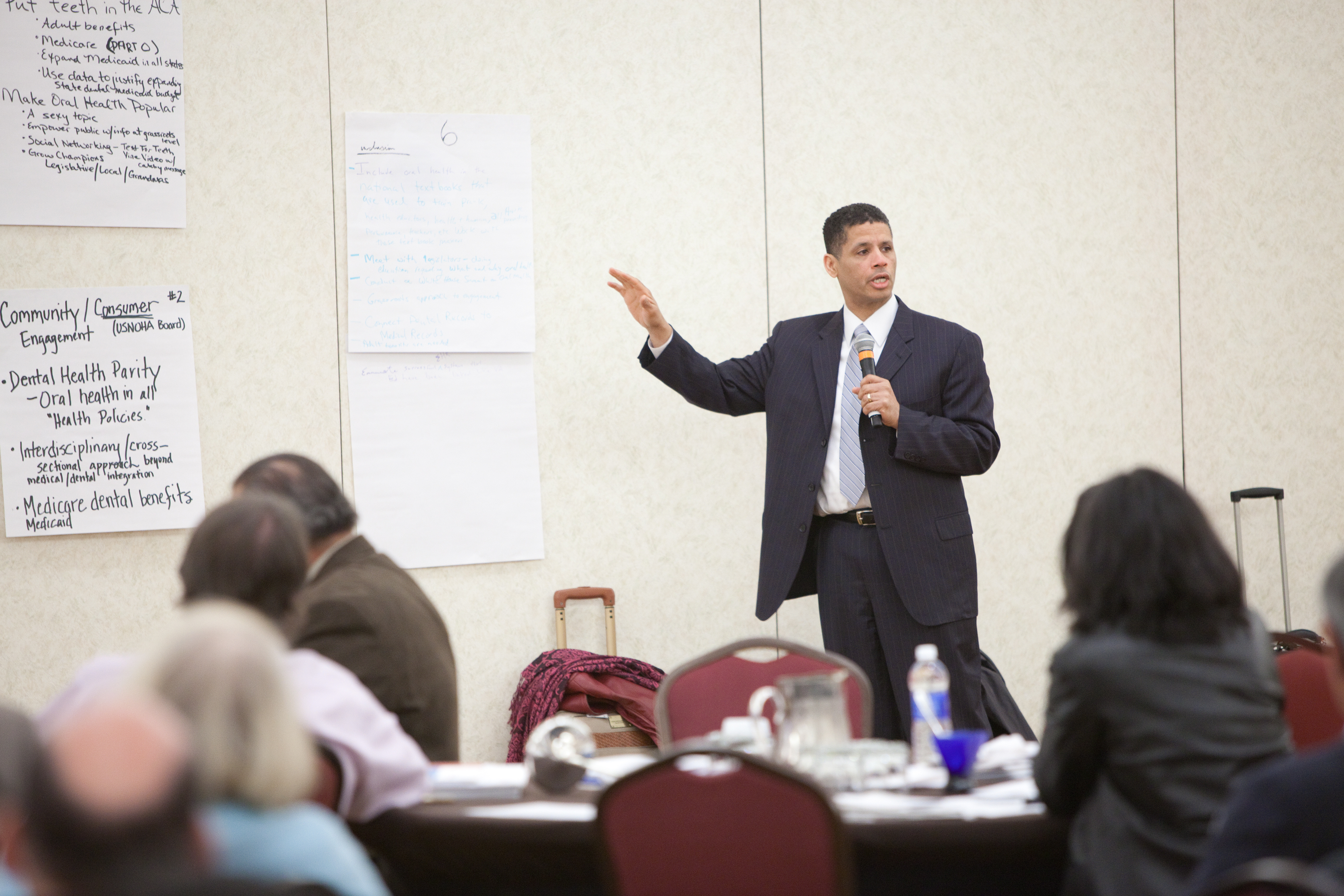
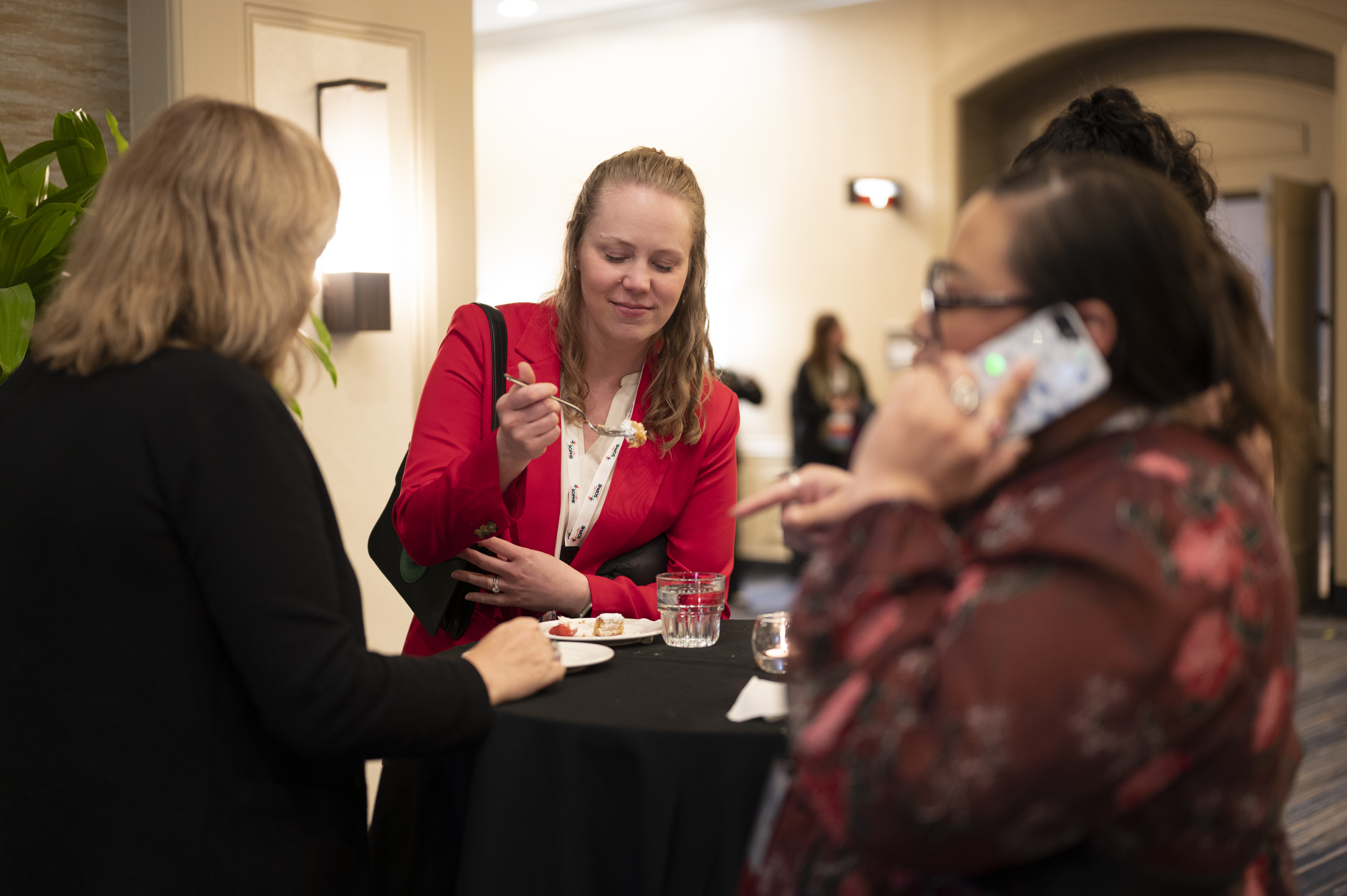
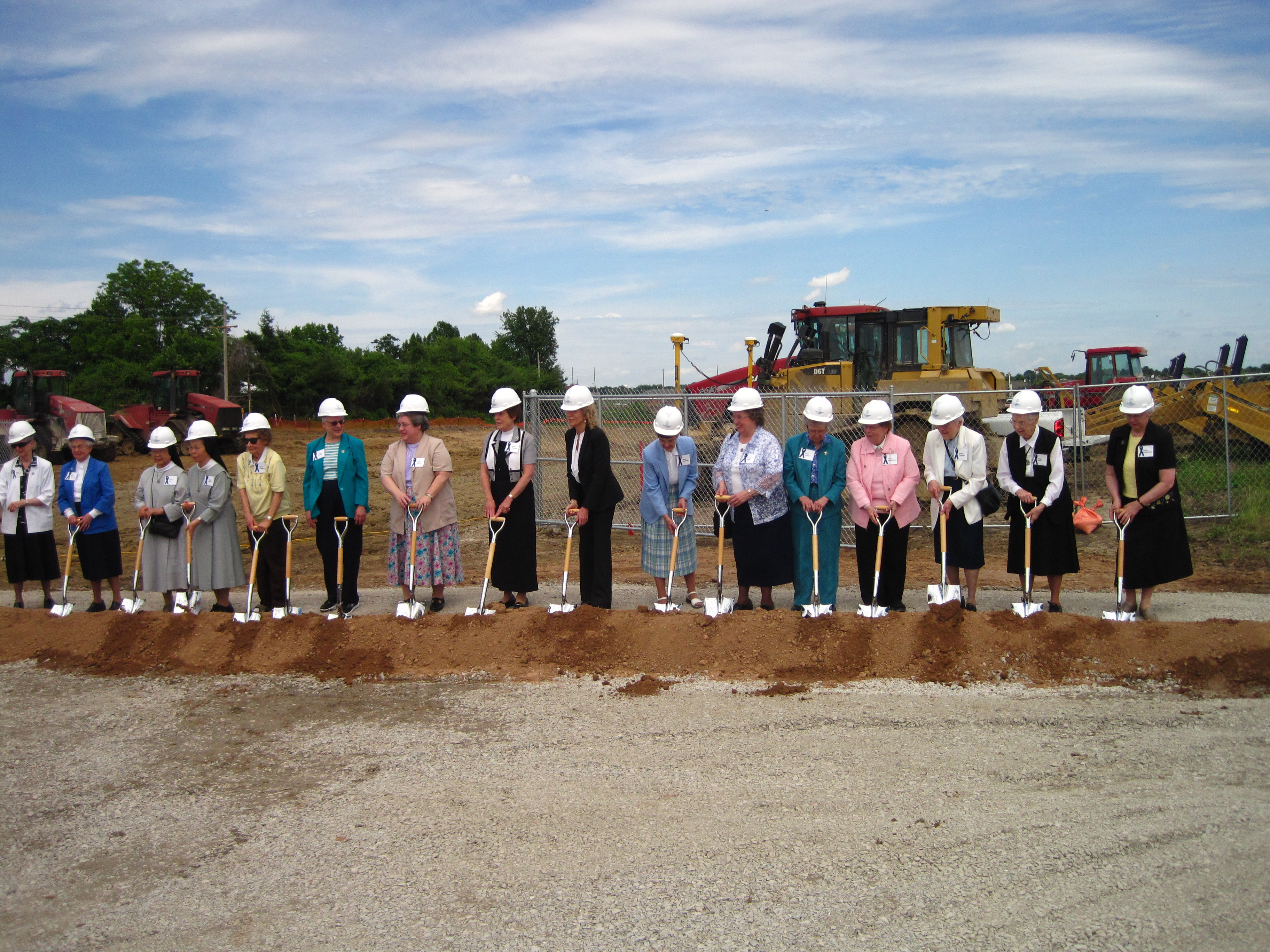
Phase Two: During the Event
Right-size the crew
| Event type | Typical coverage approach |
|---|---|
| Small reception or team gathering | One photographer |
| Mid-size corporate event, panel, or open house | Photographer plus videographer |
| Conference, gala, or multi-session program | Multi-camera video, dedicated sound, and photography |
| Outdoor event, grand opening, or large venue | Add licensed aerial coverage |
Prepare for difficult conditions
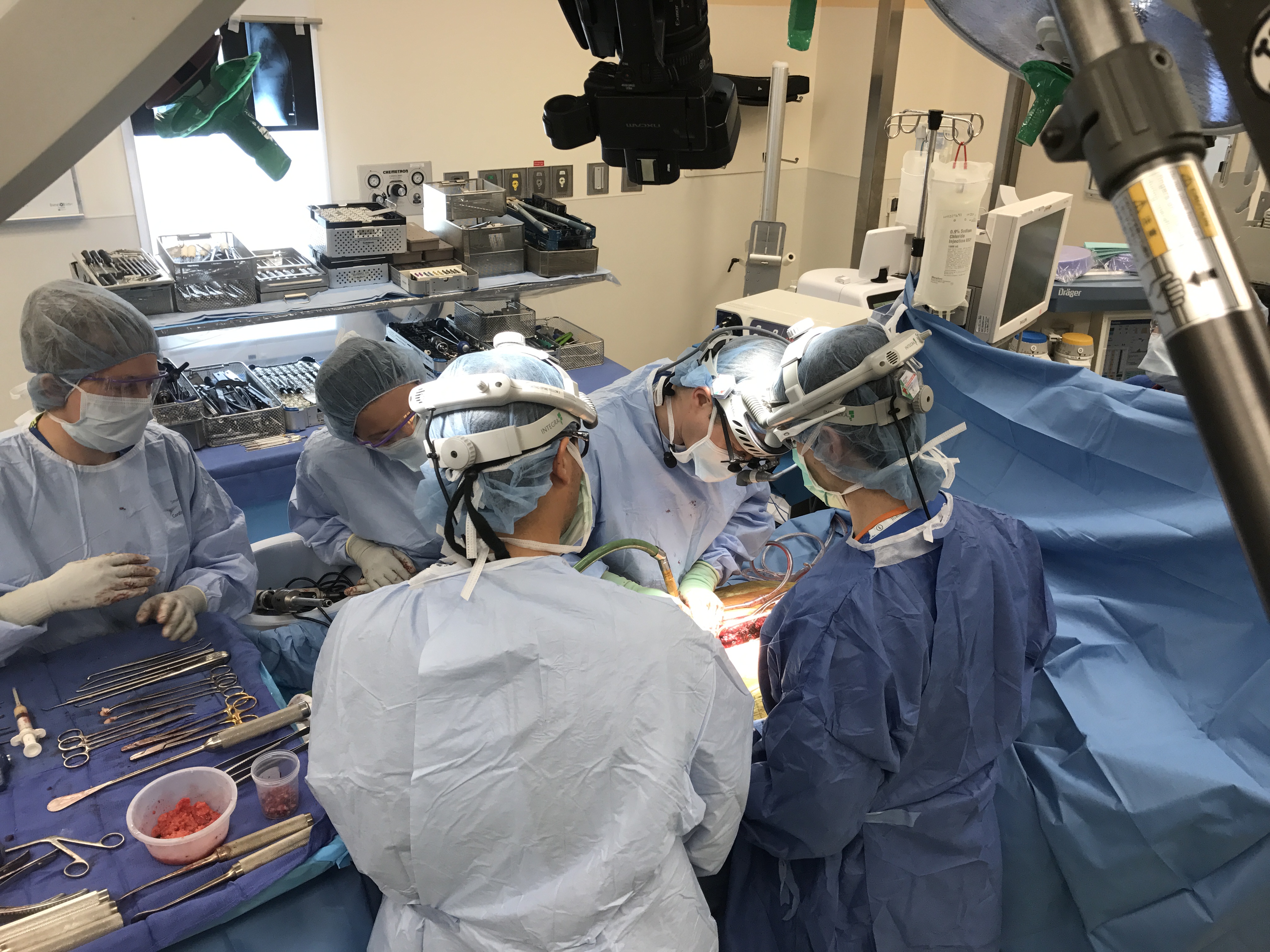
Event venues are rarely camera-friendly. Dim ballrooms, mixed lighting, bright stage screens, and fast-moving subjects demand fast lenses, strong low-light sensors, and experienced operators. Because there are no retakes, professional crews also run backup equipment and redundant recording as standard practice.
Treat audio as its own discipline
Great footage with poor sound isn’t usable. Professional event audio typically combines wireless lavalier or handheld microphones, a feed from the venue’s mixer, and separate ambient recording. If you plan to publish full sessions or testimonials, settle the audio plan first.
Stay flexible
Events never run exactly to schedule. Speakers swap, sessions run long, and the best moment is often the unplanned one. Experienced crews follow the plan but keep their eyes open.
Phase Three: After the Event
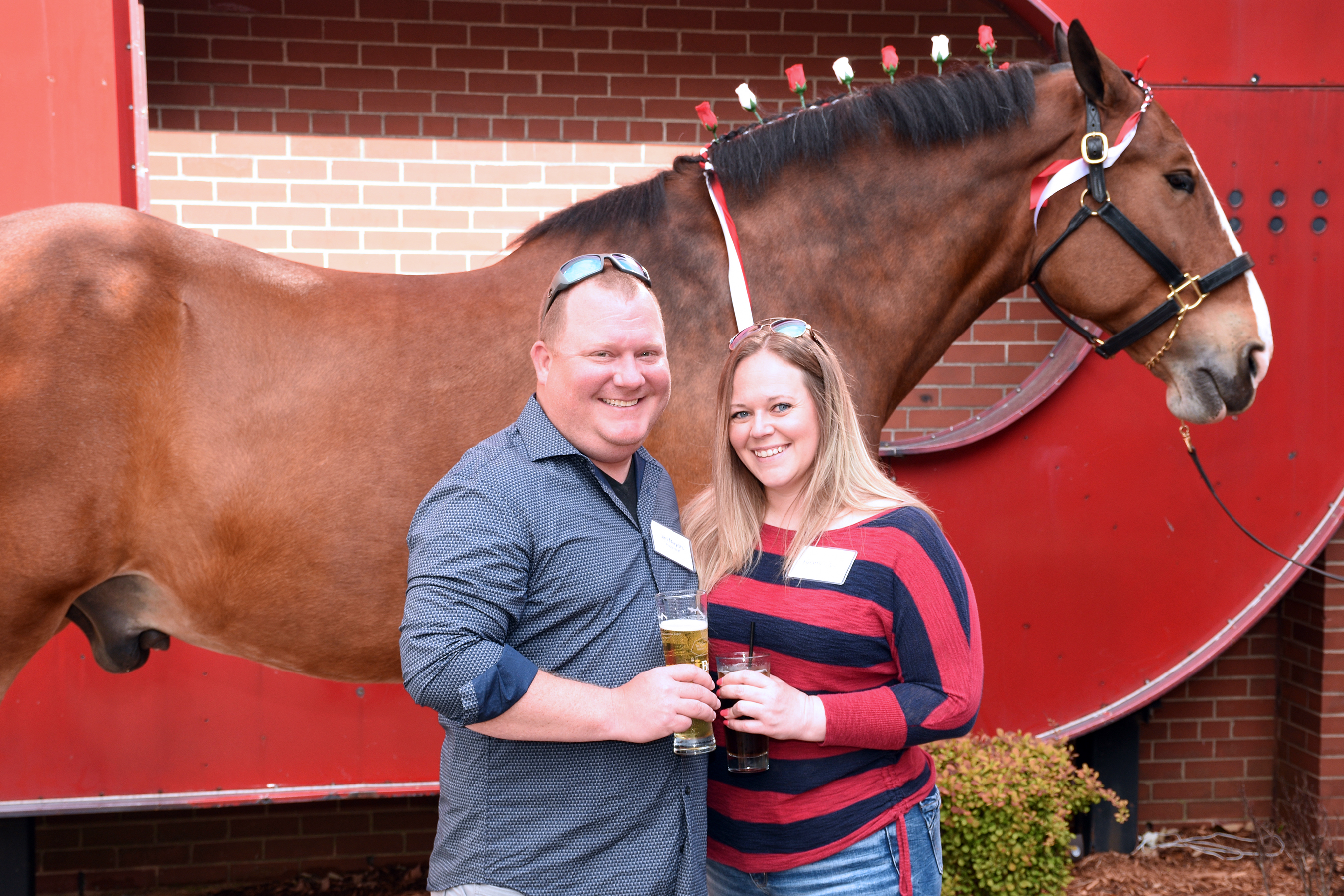
Agree on turnaround and deliverables
Different content has different urgency. A realistic delivery schedule might look like this:
- Within hours: a small selection of images or short clips for social media while the conversation is live
- Within days: the full edited photo gallery
- Within weeks: the polished highlight video, full-session recordings, and testimonial edits
Plan for every platform
One shoot can be edited into many formats: vertical clips for social, horizontal video for your site, short teasers for advertising, captioned versions for silent viewing, and high-resolution stills for print. Specifying these up front keeps the footage useful rather than locked into a single cut.
Use AI where it helps
AI-assisted tools can speed up sorting large image libraries, transcribing speeches, generating captions, and cleaning up audio. That means faster delivery, with an experienced editor still making the creative calls on pacing, color, and story.
Repurpose with intent
A single keynote can become a full recording, a 60-second promo, a set of quote graphics, and a blog post. Interviews become testimonials. Event photography fills out your website, newsletters, and recruiting pages. Highlights from this year’s event become the centerpiece of next year’s promotion. The organizations that get the most from event coverage decide in advance how they’ll reuse it.
Choosing a Production Partner
When comparing providers, ask:
- Can you show work from events similar to ours?
- Who will be on site, and what will each person do?
- What is your plan if equipment or crew falls through?
- How do you capture and protect audio?
- Who handles editing, and what are the turnaround times?
- Can you help us repurpose this content for other campaigns?
Clear, specific answers signal real event experience. One team handling photography, video, sound, and post-production also keeps your visual style and messaging consistent from start to finish.
About St Louis Headshot Photographer
St Louis Headshot Photographer is a full-service professional commercial photography and video production company. Since 1982, we have worked with many businesses, marketing firms, and creative agencies in the St. Louis area on their marketing photography and video. That experience, the right equipment, and a creative crew are what make image acquisition successful, especially at live events, where every moment happens once.
We offer full-service studio and location video and photography, along with editing, post-production, and licensed drone services. We customize productions for diverse media requirements, and repurposing your photography and video branding to gain more traction is another specialty. We are well-versed in all file types, styles of media, and accompanying software, and we use the latest in artificial intelligence across our media services.
We support every aspect of your production:
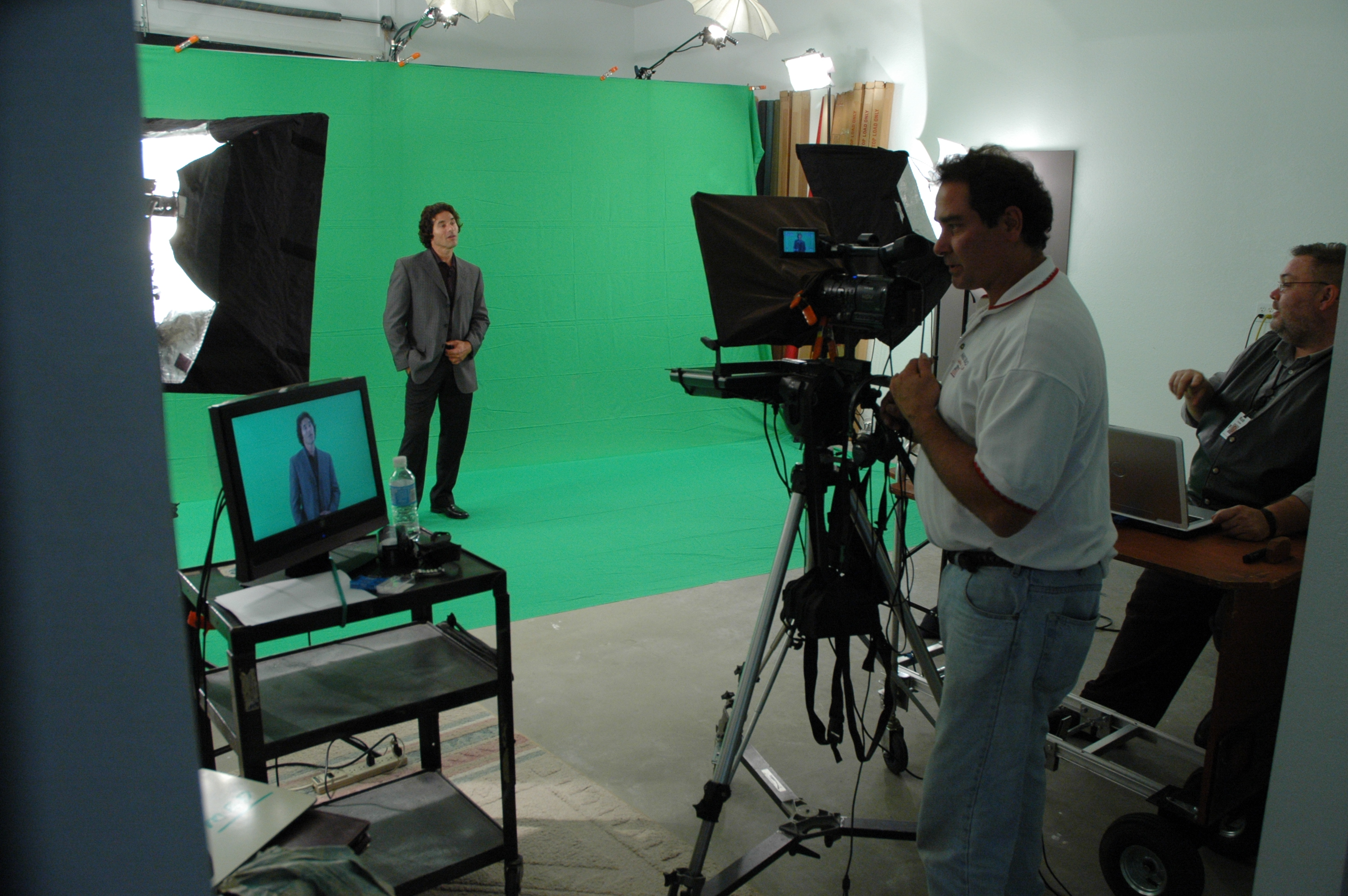
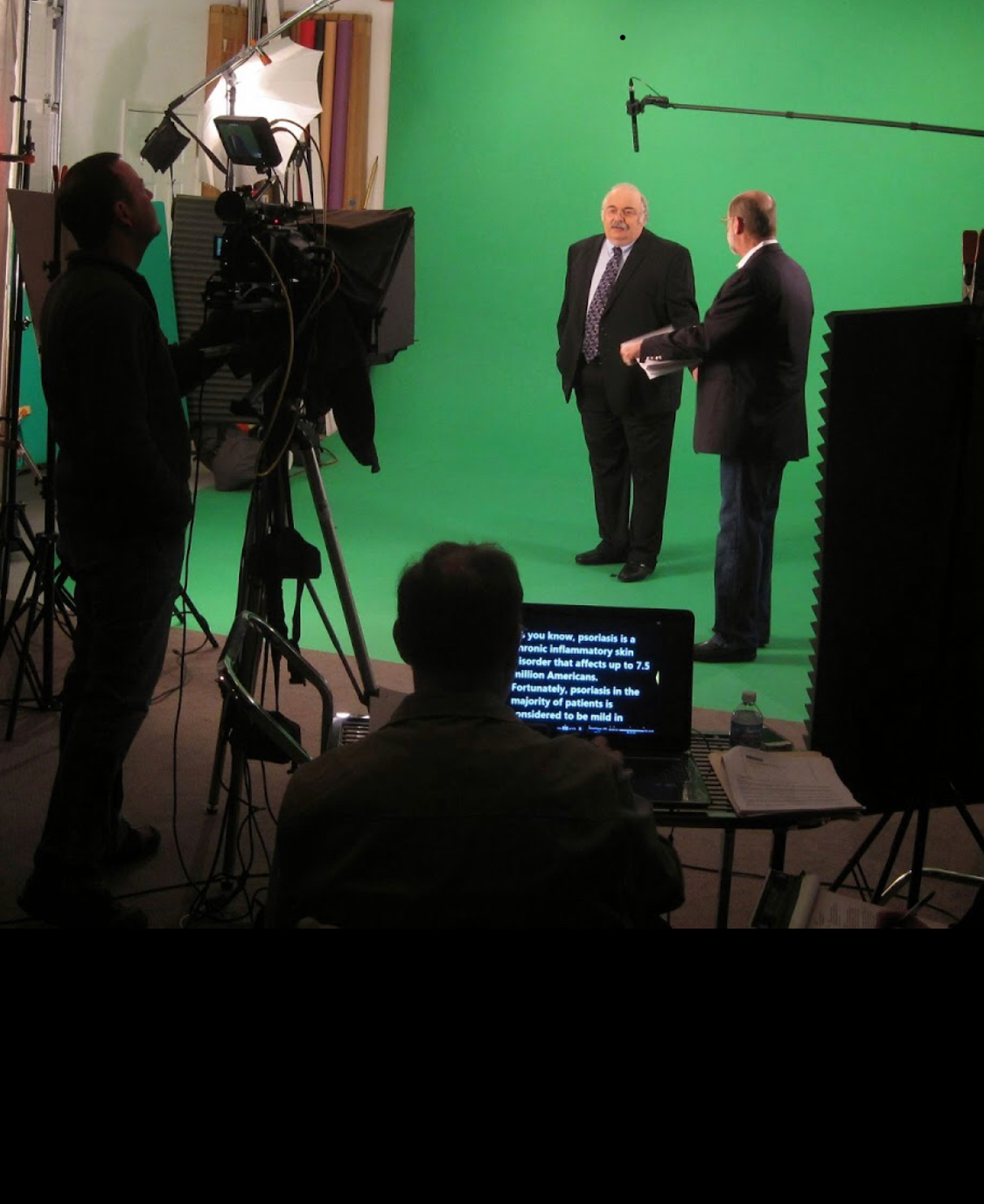
- Private studio: Our studio lighting and visual setup is perfect for small productions and interview scenes. The space is large enough to bring in props and round out your set, and we can create a private, custom interview studio for your project.
- Crew and equipment: We supply professional sound and camera operators and the right equipment, so your next video production is seamless and successful.
- Location scouting and b-roll: Our specialists find the right settings and capture the supporting footage that gives your final video depth and polish.
- Specialized drone services: Beyond licensed aerial coverage, we can fly specialized FPV drones indoors. Our other drone services include infrared thermal imaging, orthomosaics, and LiDAR.
Planning a conference, product launch, gala, or corporate celebration? Contact St Louis Headshot Photographer to discuss your goals. We’ll help you build a coverage plan that captures the day and keeps it working for your brand long after it ends.
This version uses a different structure and angle (a before, during, and after planning framework) from the first two posts, so all three can be published without duplicate-content overlap. One note: I suggested a portrait or interview station as a planning idea because it suits your brand name. If you offer that as a defined on-site service, I can work it into the “About” section as one.
314-913-5626 Mike Haller