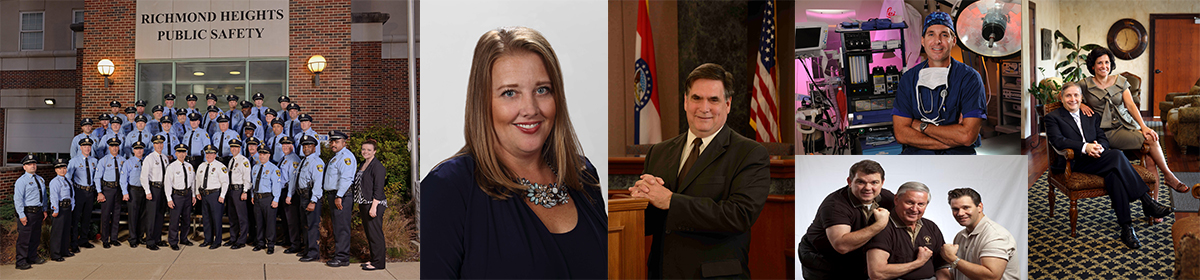
Modern Business Visibility Requires More Than a Profile Photo
For professional service firms, personal credibility is one of the strongest marketing assets a company can build. Attorneys, accountants, consultants, financial advisors, healthcare professionals, real estate teams, executives, engineers, architects, and agency leaders all rely on trust before a client ever makes contact. That trust often begins with a photograph, a short video clip, a LinkedIn profile, a website bio, or a social media introduction.
Professional headshots and short-form video clips are no longer optional marketing extras. They are essential tools for building authority, consistency, and recognition across websites, proposals, social platforms, email signatures, press releases, recruiting materials, and business development campaigns.
A well-produced headshot communicates professionalism. A short video clip adds voice, personality, expertise, and approachability. Together, they help professional service providers appear credible, current, and prepared to compete in a digital-first marketplace.
Why Professional Services Need Better Visual Branding
Professional services are built on expertise, judgment, experience, and relationships. Unlike product-based businesses, firms often sell knowledge, guidance, strategy, advocacy, or specialized problem-solving. That makes the people behind the business central to the brand.
Decision makers evaluating a firm are often asking:
Can I trust this team?
Do they look experienced?
Do they understand my business?
Are they professional enough for the level of work I need?
Do they appear approachable and confident?
Do they communicate clearly?
High-quality headshots and video clips help answer those questions quickly. They give prospective clients a visual and emotional impression before a meeting, phone call, or consultation ever takes place.
Poor lighting, outdated portraits, inconsistent staff photos, low-resolution images, and awkward phone videos can weaken that impression. Professional photography and video production create a more polished and intentional presence.
Headshots That Support Business Development
A professional headshot should do more than document what someone looks like. It should support a business goal.
For a professional services firm, headshots may be used for:
Website team pages
LinkedIn profiles
Speaking engagements
Proposal documents
Pitch decks
Press releases
Email signatures
Conference bios
Recruiting materials
Association directories
Social media announcements
Internal communications
Client onboarding materials
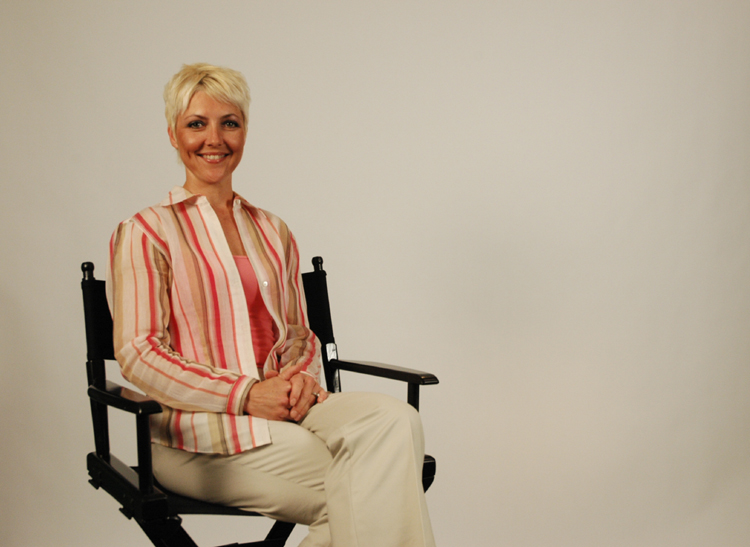
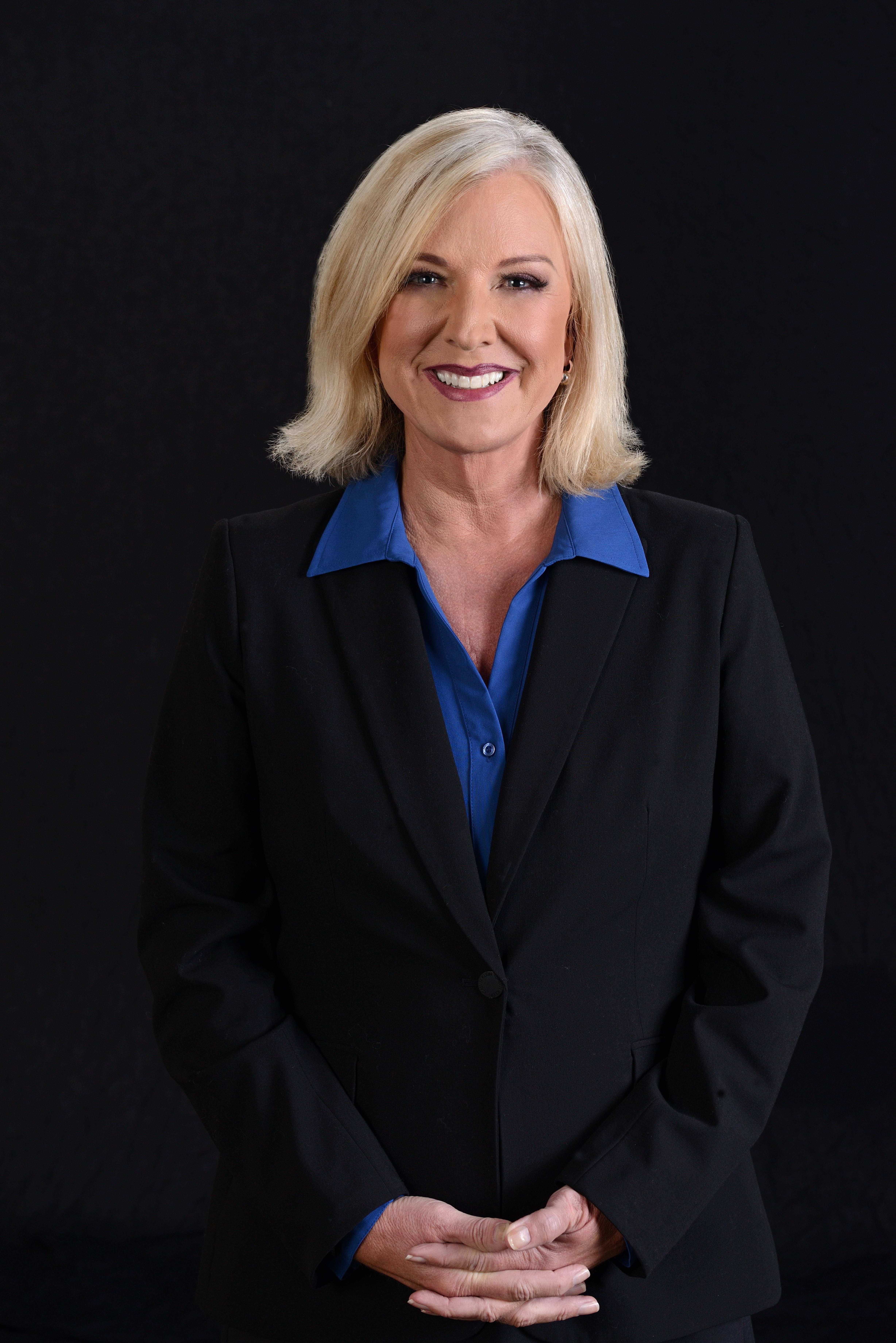
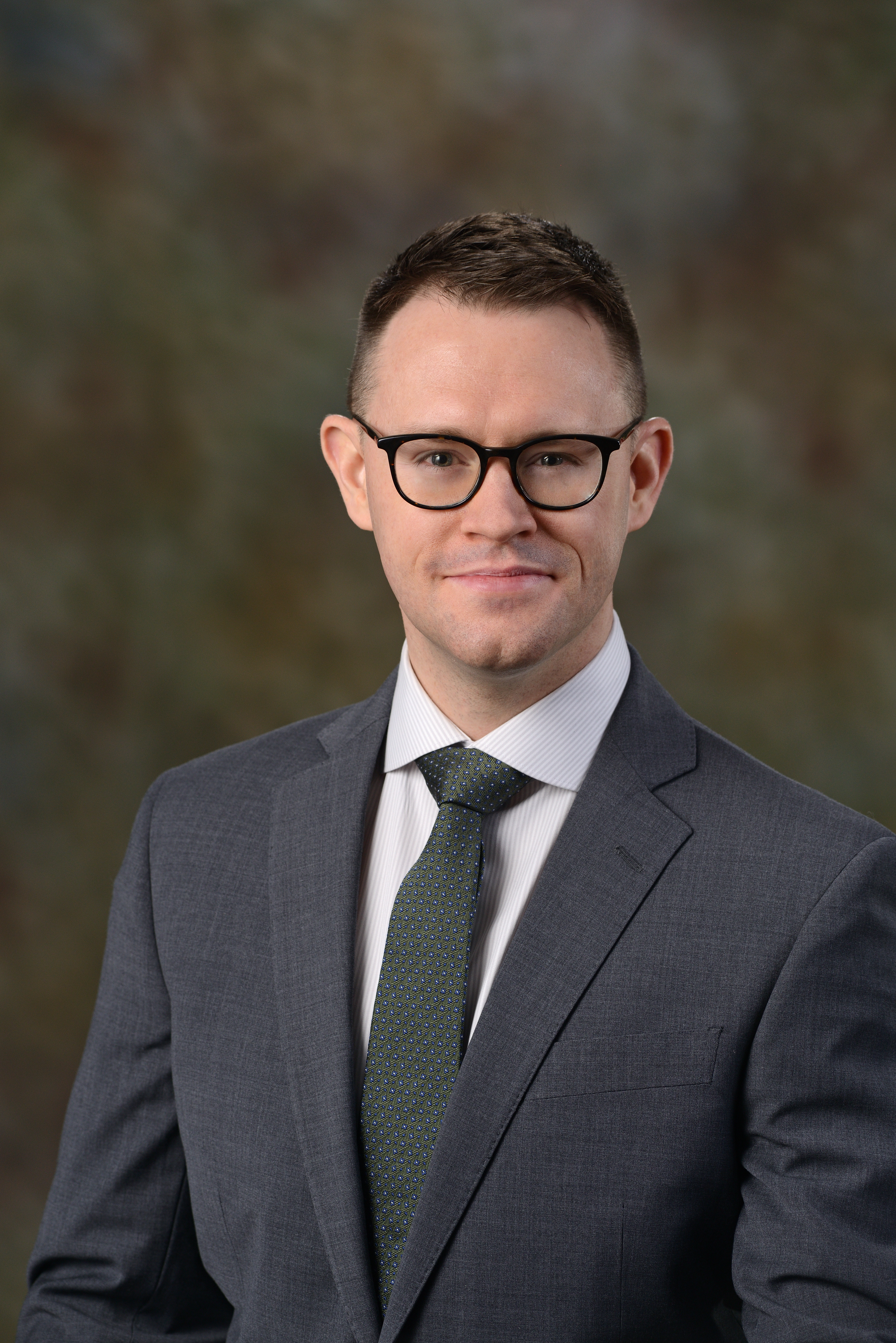
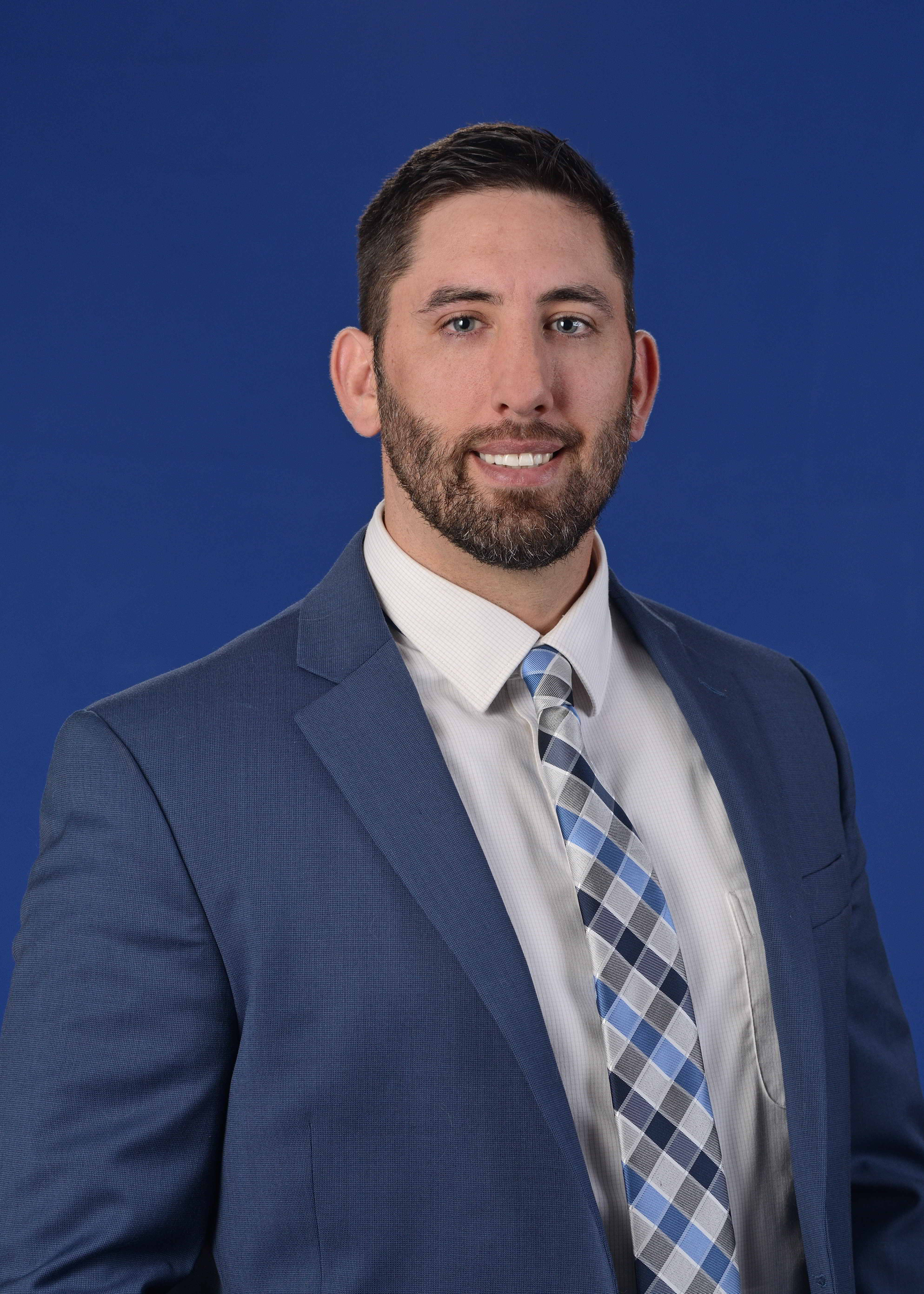
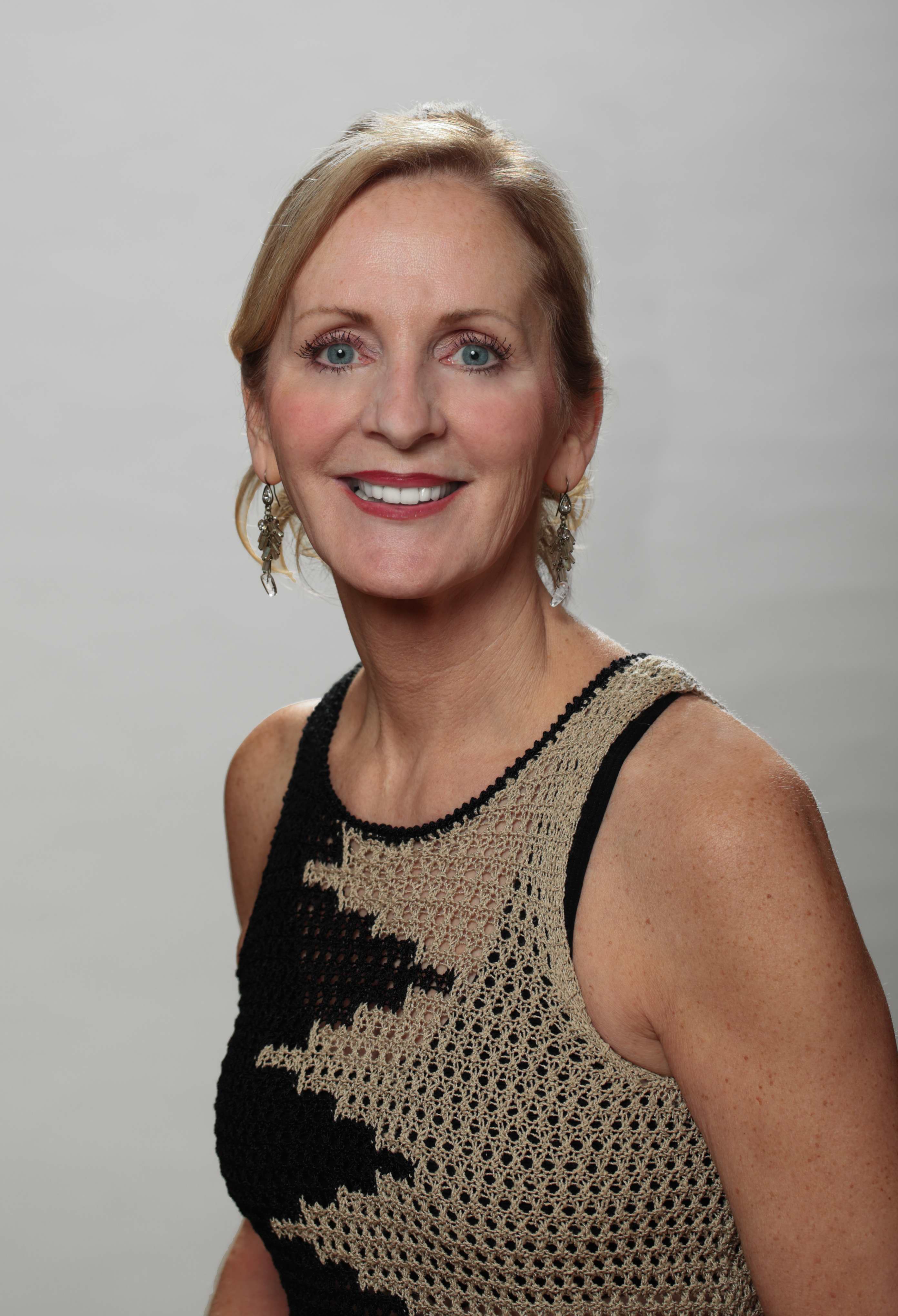
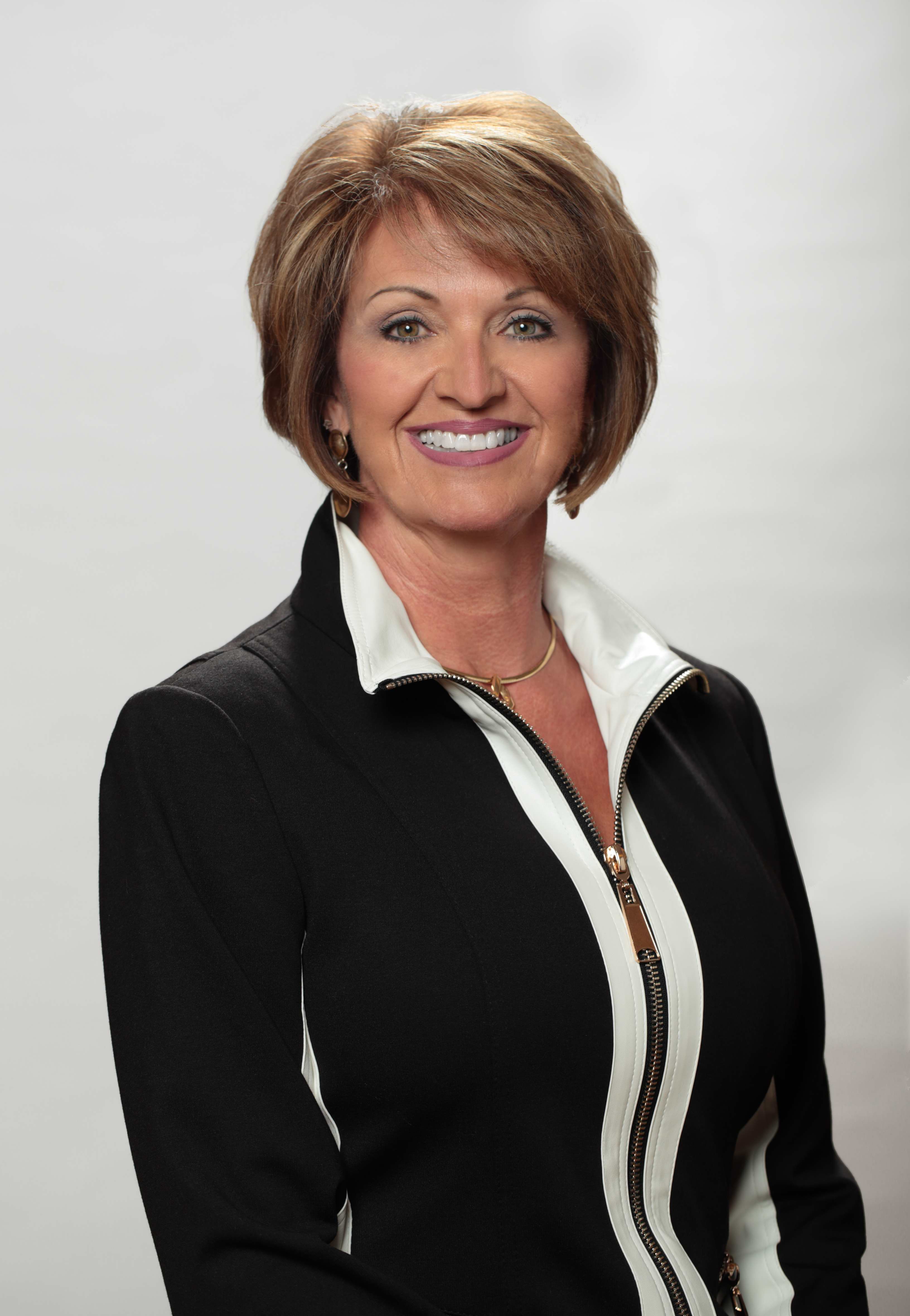
The best business headshots are clean, consistent, properly lit, and aligned with the firm’s brand. Some companies prefer a traditional studio look with a neutral background. Others want environmental portraits in offices, conference rooms, production spaces, or recognizable St. Louis locations. The right approach depends on the audience, brand positioning, and intended use.









Consistency Matters Across the Entire Team
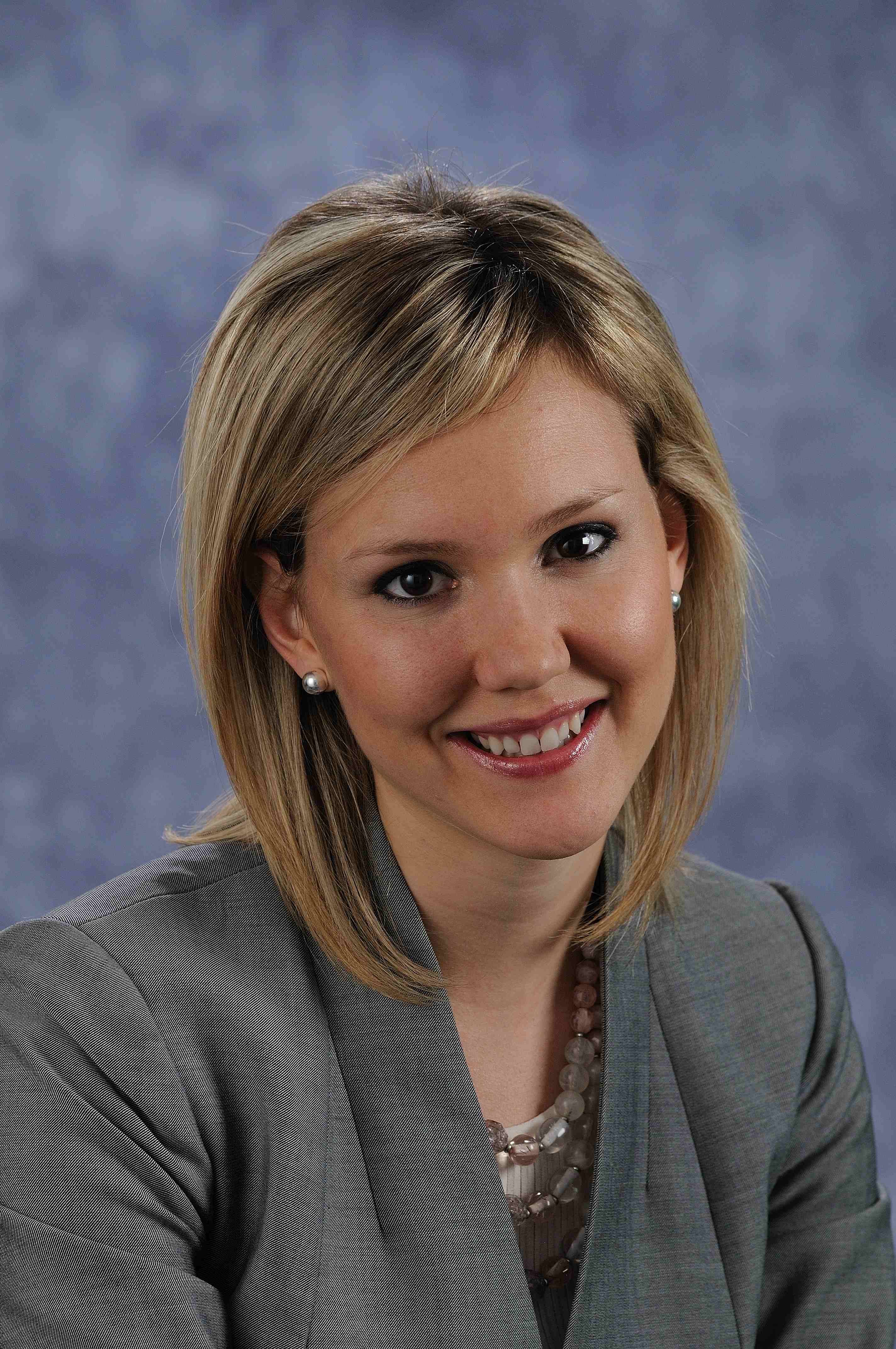
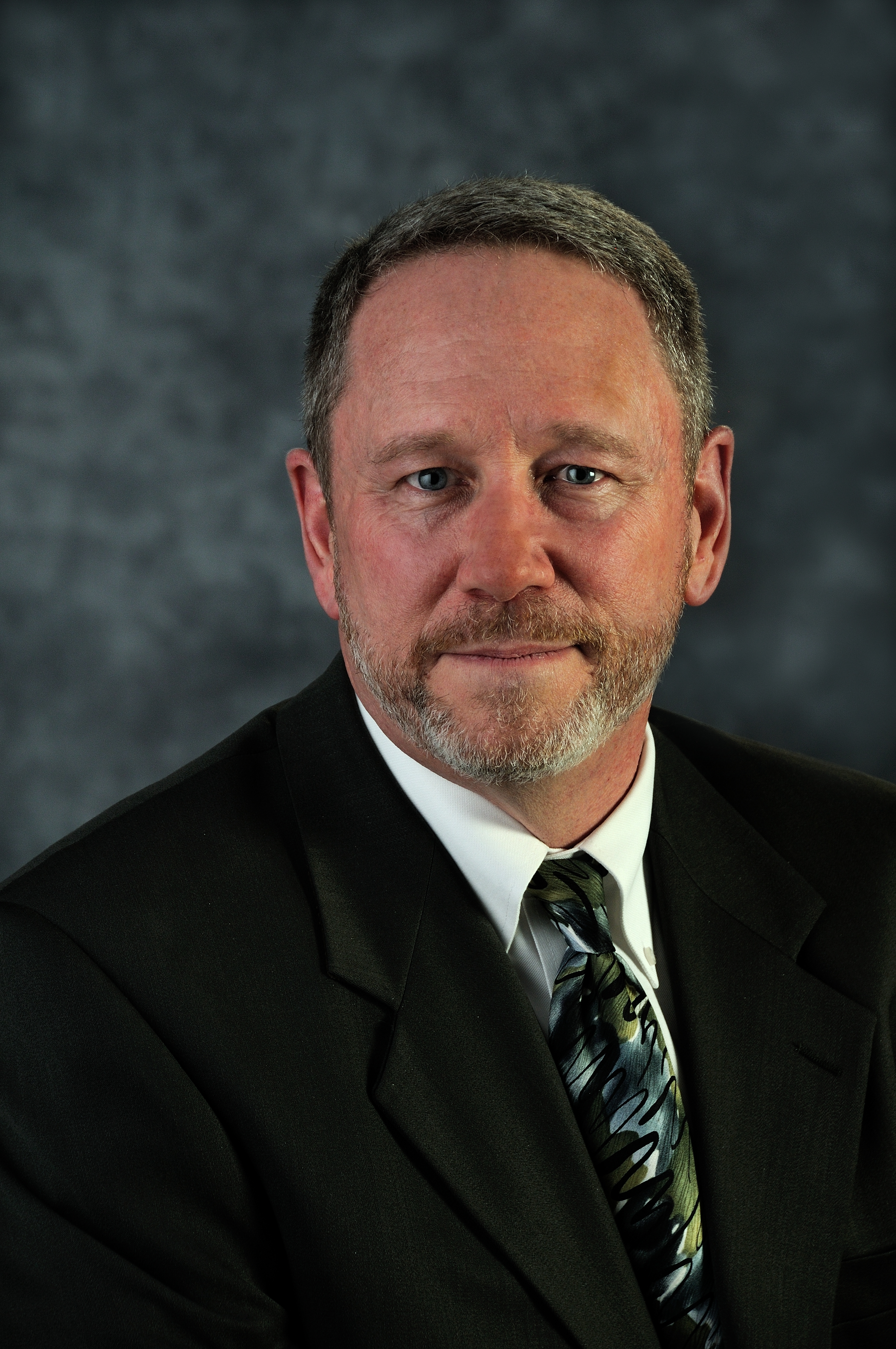
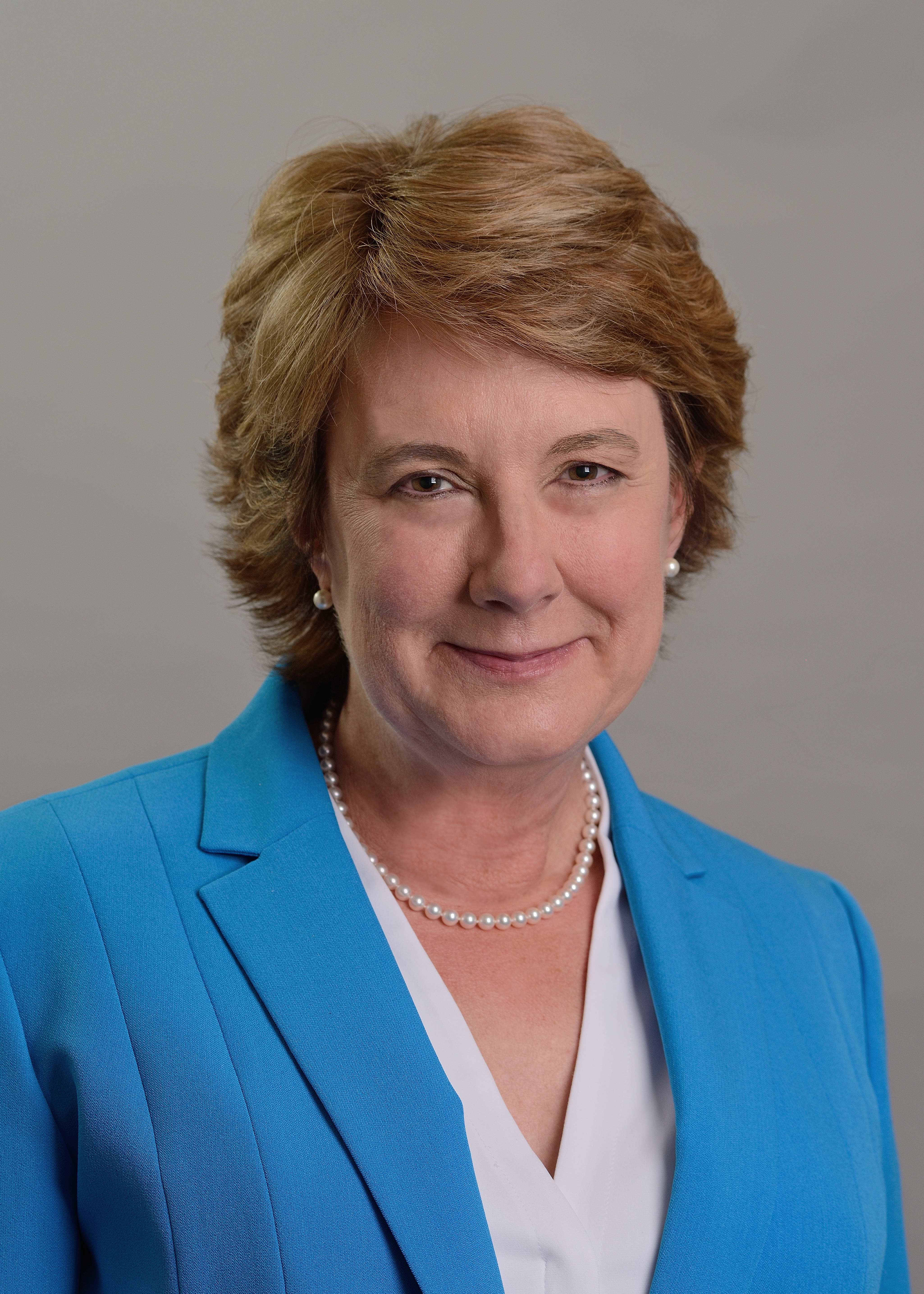
One of the most common problems with professional service branding is inconsistency. One attorney may have a polished studio portrait, another may use an outdoor photo, another may use a cropped event image, and another may have no updated image at all.
That inconsistency can make a firm look less organized than it truly is.
A coordinated headshot session solves that problem. It gives the organization a unified visual standard while still allowing individual personalities to come through. Consistent lighting, framing, background, color balance, retouching, and file preparation make a website or proposal look more professional.
For growing firms, it is also important to establish a repeatable headshot style. New hires can be photographed later using the same visual approach, helping the brand stay consistent over time.
Video Clips Add Personality and Expertise
Professional headshots establish credibility. Video clips expand it.
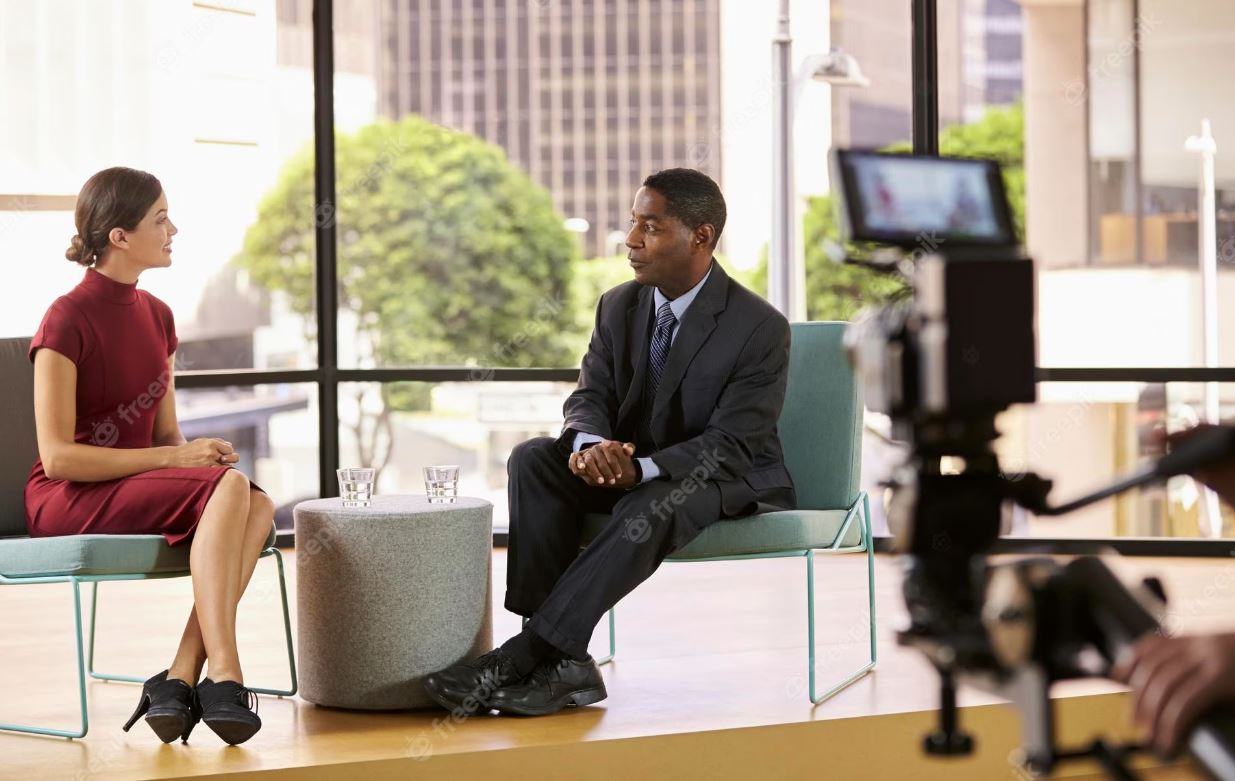
Short video content gives professional service providers a chance to communicate expertise in a more human way. A 15-second, 30-second, or 60-second clip can explain a service, answer a common client question, introduce a team member, promote a seminar, support recruiting, or create fresh content for LinkedIn and other social platforms.
For many businesses, the most valuable video clips are simple, focused, and professionally produced. They do not need to feel overproduced. They need to look clean, sound clear, and communicate a useful point.
Examples include:
Attorney introduction clips
CPA tax planning tips
Financial advisor market commentary
Consultant thought leadership videos
Healthcare provider introductions
Executive leadership messages
Recruiting and culture clips
Professional association announcements
Client service explanations
LinkedIn profile videos
Website bio videos
Social media Q&A clips
A short video can make a professional more memorable because it combines expression, voice, confidence, and subject-matter knowledge.
Social Media Requires More Content, Not Just More Posts
Social media marketing for professional services is often difficult because firms are not always sure what to post. A well-planned headshot and video production session can create a library of usable content from a single production day.
From one session, a company can often create:
Updated headshots for every team member
Horizontal website bio images
Vertical social media portraits
Behind-the-scenes photos
Short-form social media video clips
Website introduction videos
Recruiting clips
Service explanation clips
B-roll of office activity
Group photos
Leadership portraits
Testimonial-style interviews
Branded still images for future posts
This approach is efficient because the same production environment, lighting setup, crew, and planning can support multiple deliverables. Instead of creating one piece of content at a time, firms can build a complete visual library for use across several months of marketing.





Planning the Right Production Session
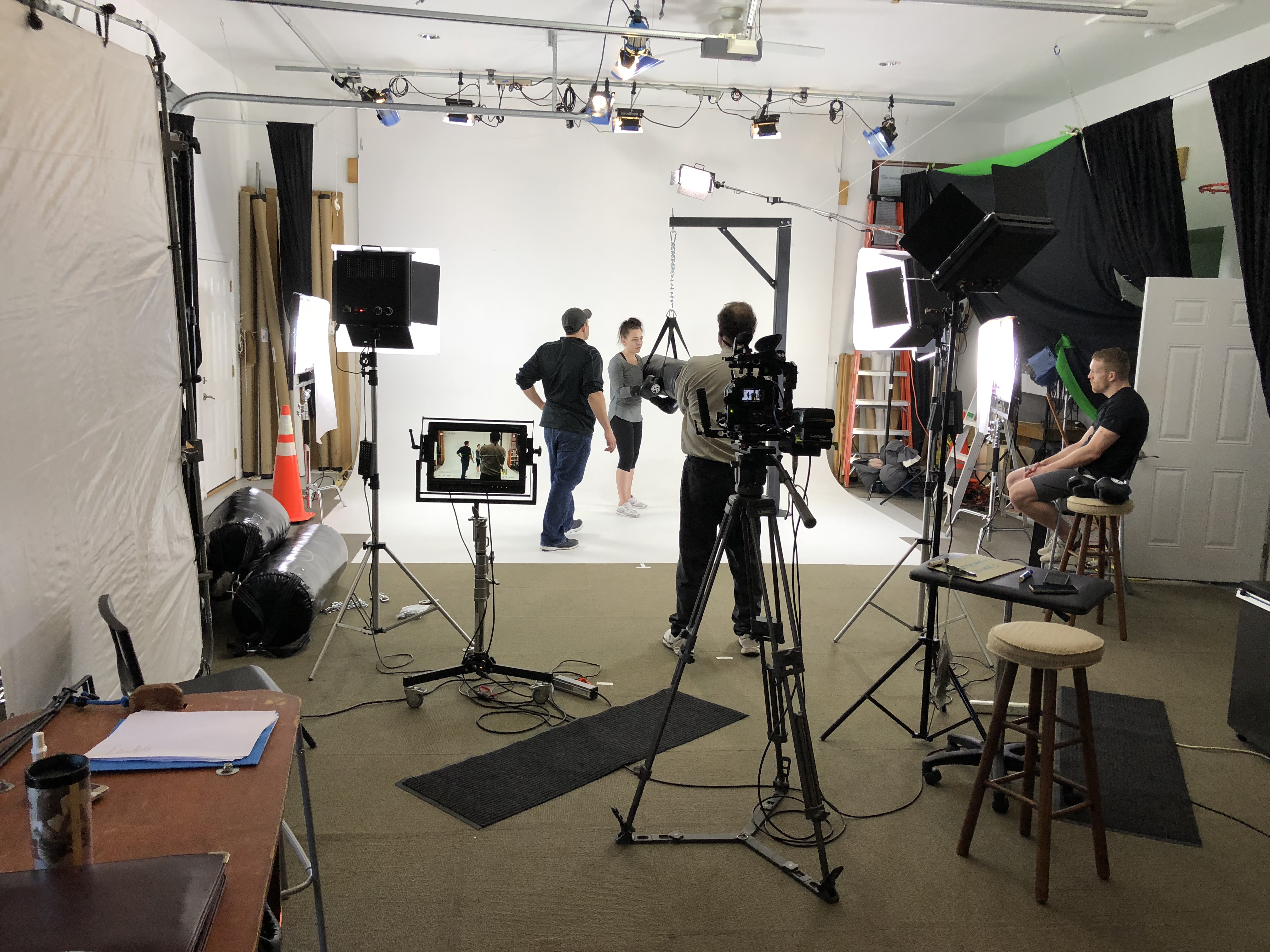
A successful professional services headshot and video session begins with planning. The production team should understand how the images and clips will be used before the cameras are set up.
Important planning questions include:
Will the headshots be used on a website, LinkedIn, proposals, or all of the above?
Should the look be formal, approachable, modern, traditional, or editorial?
Will the session take place in a studio, at the client’s office, or both?
How many people need to be photographed?
Will video clips be recorded during the same session?
Should the video format be horizontal, vertical, or both?
Will captions, graphics, logos, or lower thirds be needed?
Does the firm need social media cutdowns?
Will additional b-roll help tell the story?
Should the final assets be organized by person, department, or usage type?
Professional planning avoids wasted time and helps ensure that the final photography and video files are practical for marketing teams, web developers, social media managers, and creative agencies.
Studio Headshots Versus Location Headshots
Both studio and location photography can work well for professional services. The best choice depends on the desired message.
Studio headshots offer control. Lighting, background, posing, and consistency can be carefully managed. This is especially useful for firms that want a polished, uniform look across a large team.
Location headshots offer context. A professional photographed in an office, conference room, lobby, workspace, or city environment may appear more connected to the business setting. Location portraits can also be useful for websites and marketing campaigns where the company wants a more custom feel.
Many firms benefit from a combination of both. Studio-style headshots can provide consistency, while environmental portraits and b-roll can add depth for web pages, social media, and brand storytelling.
Video Clips Should Be Short, Clear, and Useful
For social media, clarity is more important than length. Professional service providers often know their field deeply, but online audiences need focused communication.
Strong short-form video topics include:
“What should clients know before calling us?”
“What problem do we solve most often?”
“What makes our process different?”
“What question do we hear every week?”
“What is one mistake businesses should avoid?”
“What should someone prepare before a consultation?”
“What makes our team qualified?”
“What does our firm value most?”
These prompts help professionals speak naturally while keeping the message concise. The goal is not to deliver a full lecture. The goal is to create a useful moment of authority that can be shared, repurposed, and remembered.
The Importance of Professional Audio
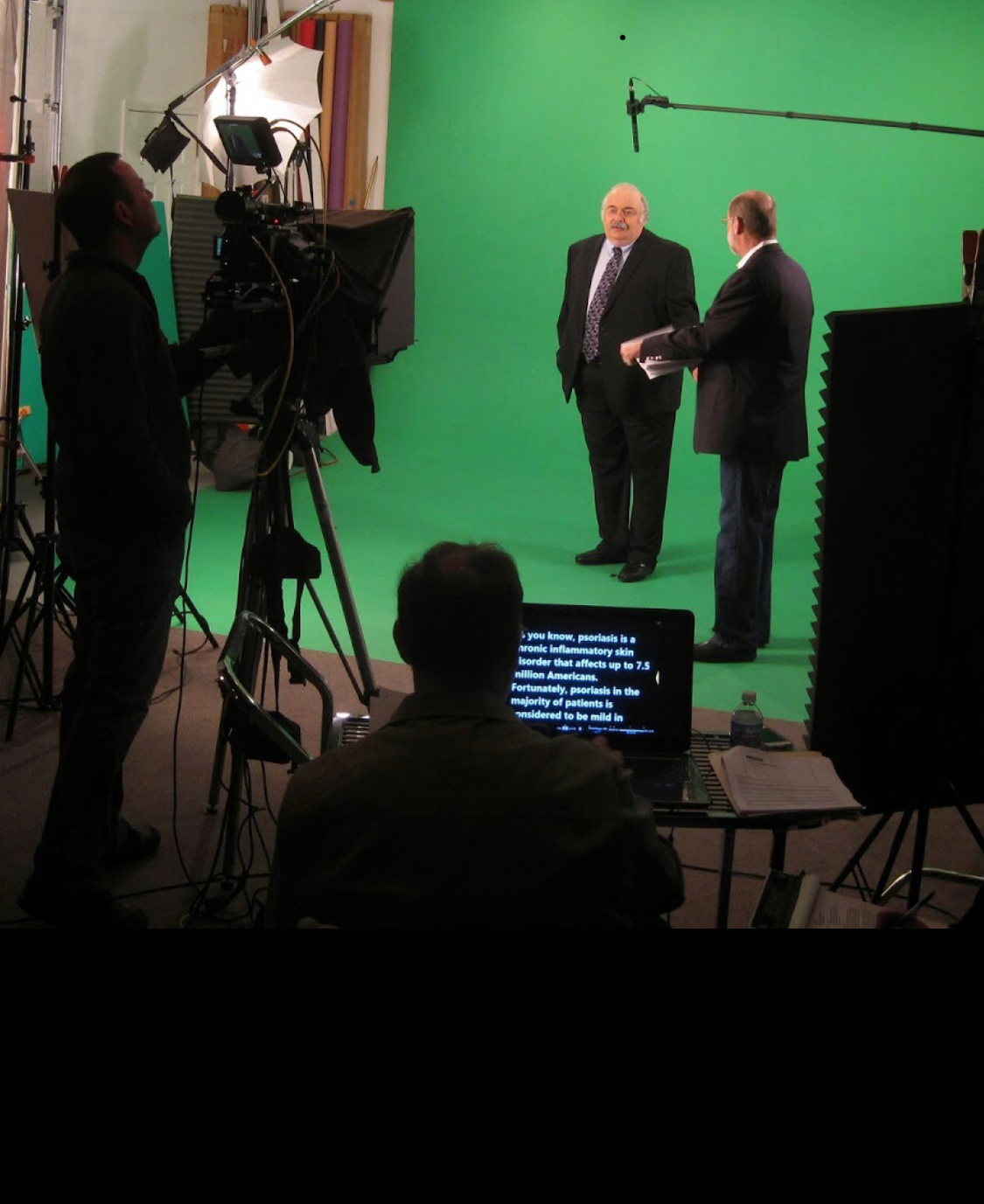
Many businesses focus on the camera and forget the sound. For professional services video, audio is critical.
A video clip with poor sound can damage credibility even if the image looks acceptable. Clear dialogue, controlled background noise, professional microphones, and proper recording technique make the speaker easier to understand and more trustworthy.
This is especially important for attorneys, consultants, executives, advisors, and technical experts. Their words carry the value. The production must capture those words clearly.
B-Roll Makes Content More Engaging
B-roll is supporting footage that helps make video content more visually interesting. For professional service firms, b-roll may include office activity, client meeting setups, exterior building shots, team collaboration, close-ups of hands at work, conference room scenes, branded signage, technology, documents, or architectural details.
B-roll helps avoid static talking-head videos. It gives editors material to cover transitions, emphasize key points, and create more polished social media clips.
For website videos, b-roll can also help communicate scale, professionalism, culture, and environment.
Repurposing Content for Greater Marketing Value
A smart production strategy considers how every image and video clip can be used in more than one place.
For example, a single recorded interview can become:
A website bio video
Several short LinkedIn clips
A recruiting message
A social media quote graphic
A proposal introduction
A conference speaker clip
A blog post companion video
An email marketing asset
A still-image pull from the footage
This kind of repurposing helps companies get more value from each production day. It also keeps the brand visible across multiple platforms without constantly starting from scratch.






Professional Retouching and File Preparation
Headshot quality does not end when the photo is taken. Final image preparation matters.
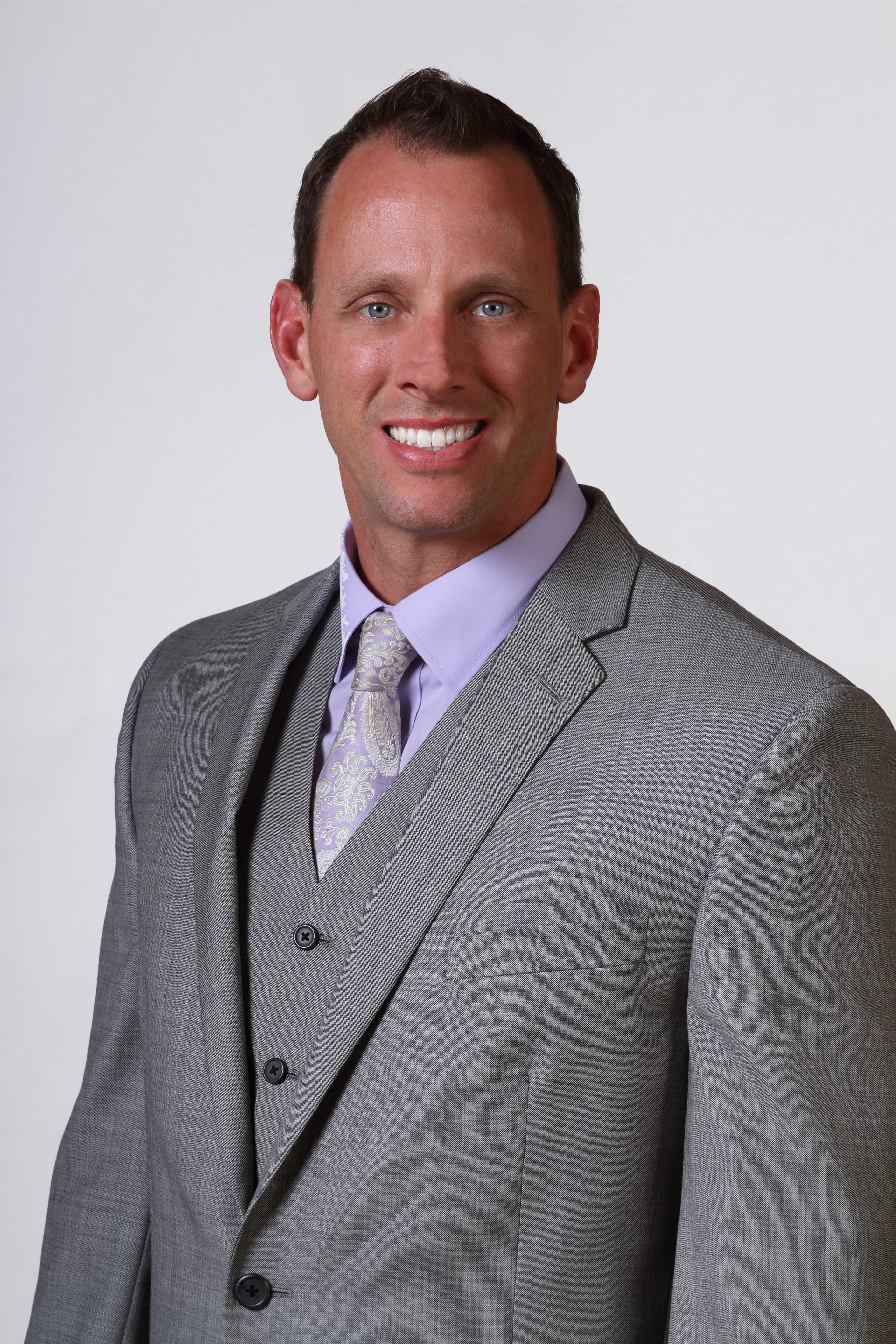
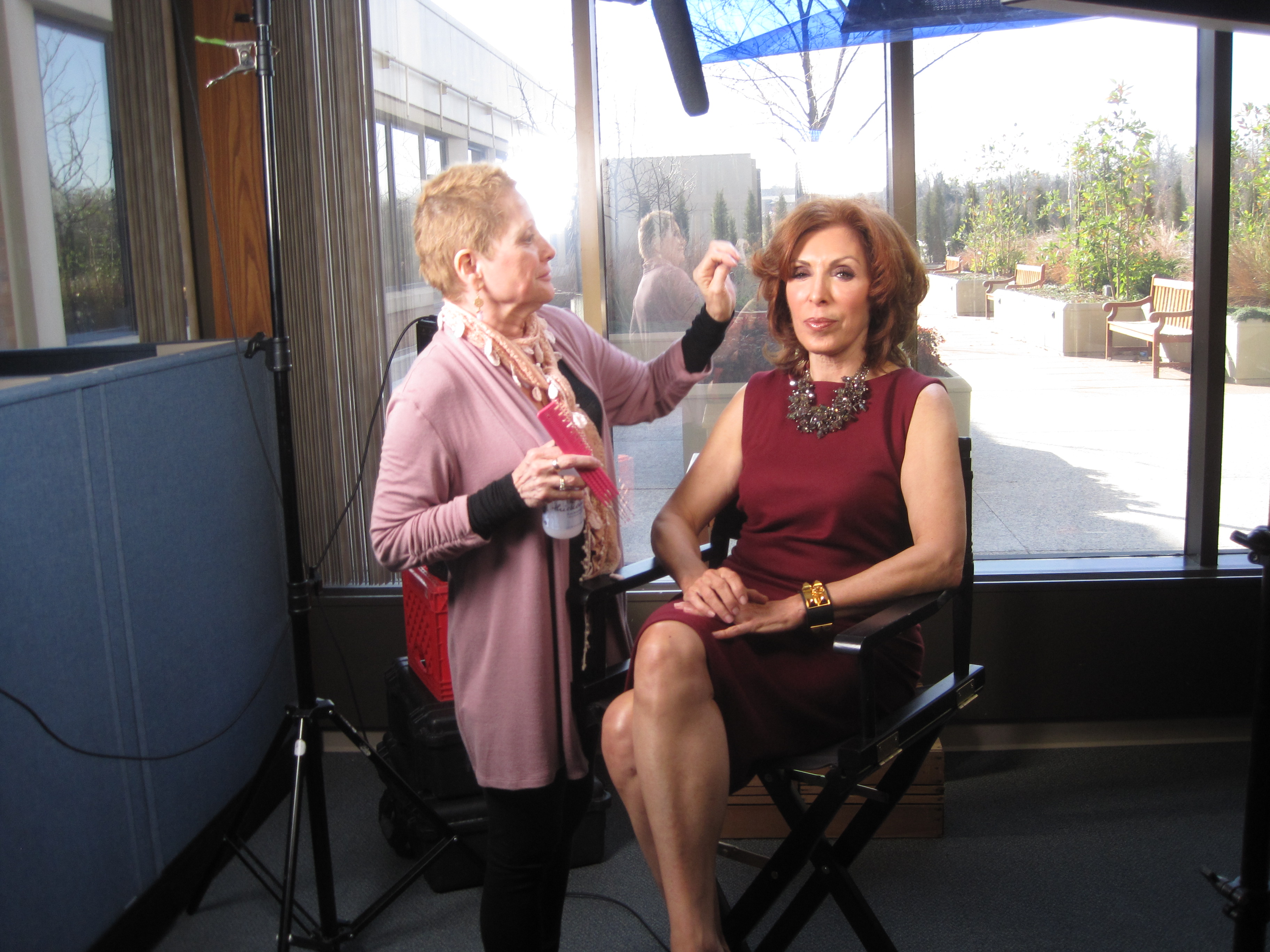
Professional retouching should be clean and realistic. The goal is to reduce distractions, manage shine, soften temporary blemishes, adjust color, and create a polished final image without making the person look artificial.
Files should also be delivered in formats that are easy to use. Marketing teams may need high-resolution files for print, web-optimized files for websites, square crops for social media, vertical crops for mobile platforms, and transparent or background-specific versions for design use.
The same principle applies to video. Final clips may need to be delivered in multiple formats, including horizontal, vertical, square, captioned, uncaptioned, compressed, and high-resolution versions.
AI as a Production Support Tool
Artificial Intelligence can support modern photography and video workflows when used properly. AI tools can assist with organization, editing efficiency, transcription, captioning, content repurposing, formatting, and certain post-production enhancements.
For professional services, AI should not replace strategy, lighting, direction, camera work, audio recording, or experienced production judgment. It should support the workflow and help deliver usable content more efficiently.
Used correctly, AI can help extend the value of a production by making it easier to create social media clips, transcripts, captions, and variations for different platforms.
Why Decision Makers Should Invest in Professional Visual Content
Professional services are competitive. A strong reputation still matters, but today that reputation is often evaluated online before direct contact is made.
Investing in professional headshots and video clips can help a firm:
Improve first impressions
Strengthen website credibility
Support LinkedIn visibility
Humanize leadership and staff
Create consistent team branding
Improve proposal and pitch materials
Build a library of social media content
Support recruiting and culture messaging
Make experts more approachable
Increase the perceived professionalism of the organization
The return is not limited to one photograph or one video. The value comes from having a complete set of assets that can support marketing, sales, communications, and recruiting over time.
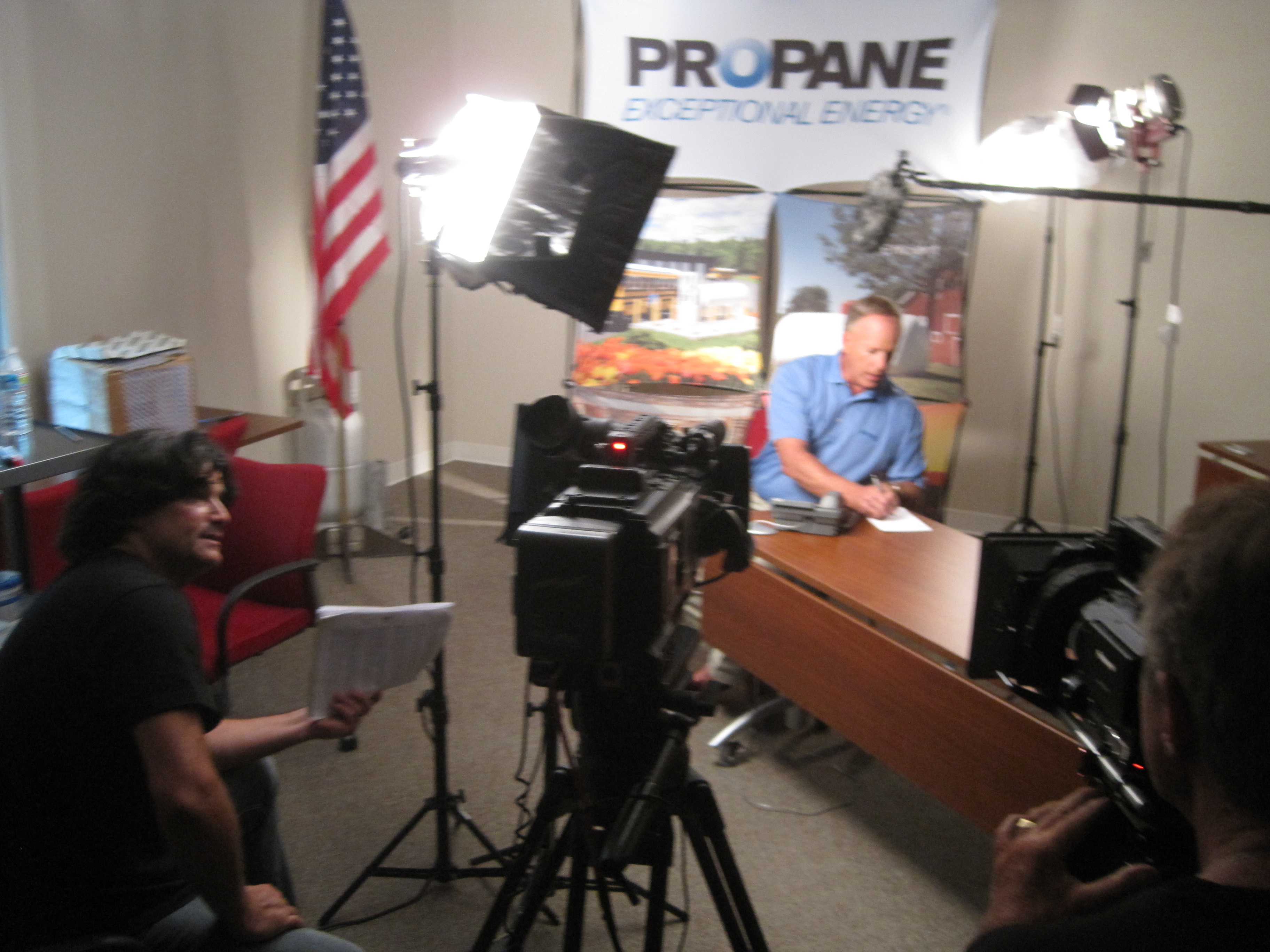
A Practical Production Approach for Professional Services
For many firms, the most efficient approach is to schedule a combined headshot and video production session.
A practical production day might include:
Individual headshots
Team photos
Leadership portraits
Short-form video clips
Website bio videos
Office b-roll
Social media clips
Environmental photography
Behind-the-scenes stills
Branded visual assets
This gives the organization a coordinated collection of content instead of scattered, unrelated files. It also helps busy professionals make the most of their time by capturing multiple marketing assets during one planned session.
Professional Services Headshots and Video Clips Built for Modern Marketing
Professional headshots and social media video clips help firms present their people with confidence, consistency, and clarity. For professional service organizations, that visual presentation is directly tied to trust. Clients want to know who they are hiring. Referral partners want to know who they are recommending. Prospective employees want to know what kind of team they may be joining.
The right photography and video production can make those impressions stronger, more polished, and more useful across every marketing channel.
St Louis Headshot Photographer
St Louis Headshot Photographer is an experienced full-service professional commercial photography and video production company with the right equipment, creative crew service experience, and production knowledge needed for successful image acquisition. We provide full-service studio and location video and photography, along with editing, post-production, and licensed drone services.
St Louis Headshot Photographer can customize productions for diverse types of media requirements, from professional services headshots and executive portraits to short-form video clips, social media content, interview setups, b-roll, and branded marketing assets. Repurposing photography and video branding to gain more traction is another specialty. We are well-versed in all file types, media styles, production workflows, and accompanying software, and we use the latest in Artificial Intelligence to support our media services.
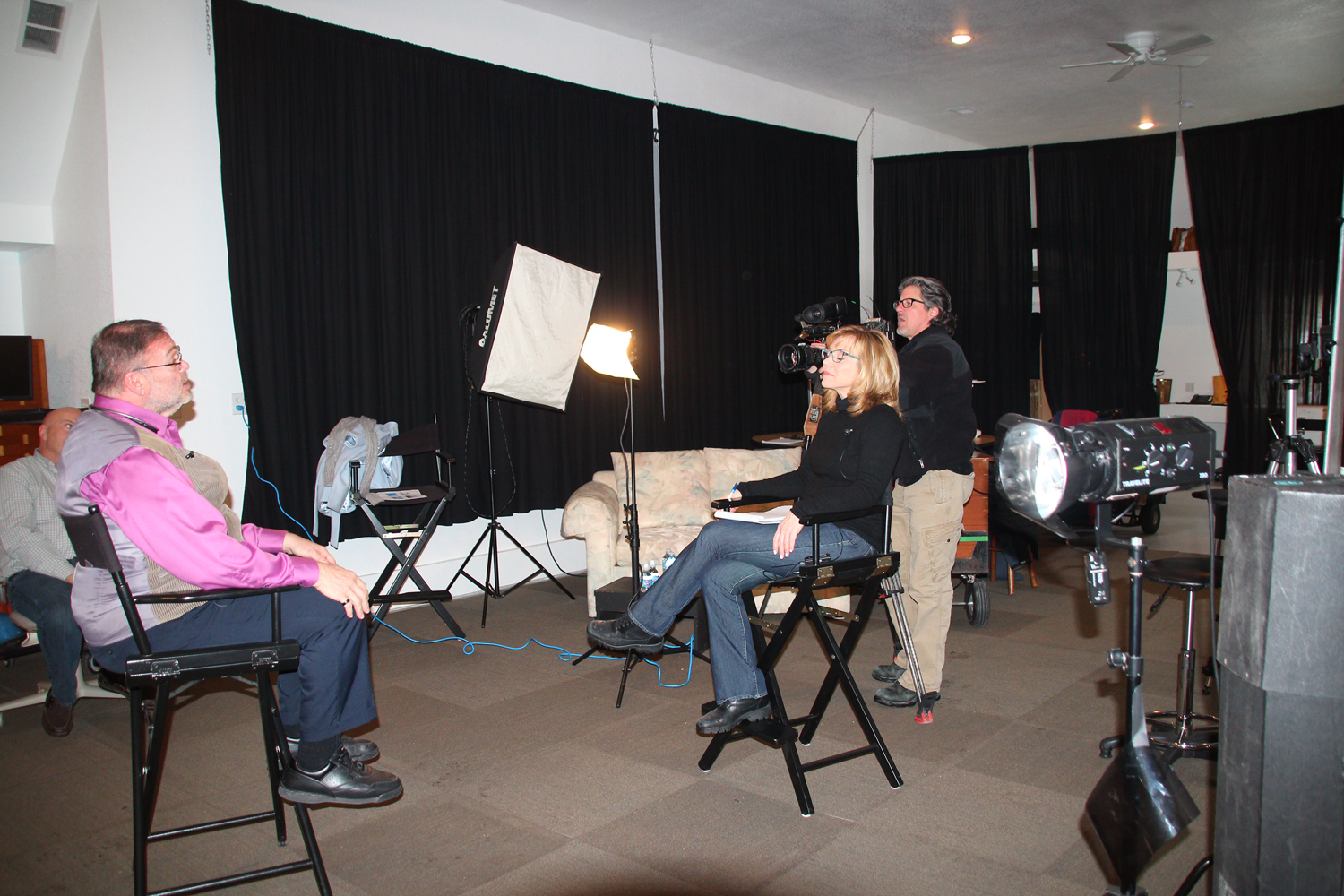
Our private studio lighting and visual setup is ideal for small productions and interview scenes, and our studio is large enough to incorporate props to round out your set. We support every aspect of production, from setting up a private custom interview studio to supplying professional sound and camera operators, as well as providing the right equipment to help make your next video production seamless and successful.
We are location scouting and b-roll specialists, and we can also fly specialized FPV drones indoors. Other drone special services include infrared thermal imaging, orthomosaics, and LiDAR. As a full-service video and photography production corporation serving the St. Louis area since 1982, St Louis Headshot Photographer has worked with many businesses, marketing firms, and creative agencies for their marketing photography and video production needs.
314-913-5626 Mike Haller

