Every business event your organization produces carries a budget, a purpose, and a window of opportunity that closes the moment the last attendee walks out the door. Conferences, corporate meetings, product launches, award ceremonies, trade show appearances, client summits, and professional development programs all represent meaningful organizational investments — in planning, logistics, hospitality, speaker talent, and staff resources.
What most organizations fail to fully capture is the return.
Professional event video and photography are not supplemental line items. They are the mechanism by which a time-limited gathering becomes a durable, deployable, and compounding marketing asset. When approached with strategic production intelligence, cost-efficient event documentation delivers more usable content value per dollar invested than almost any other marketing production activity on your calendar — because the event itself has already done the work of assembling your audience, your leadership, your clients, and your brand environment in one place.
This article is written for the decision-makers who commission, approve, and evaluate professional photography and video production for business events. Understanding how cost efficiency is actually generated in professional event production — and where the most common and expensive mistakes occur — is one of the most practical advantages available to marketing and communications professionals working under real budget constraints.
The Asset Perspective: Reframing What You Are Actually Buying
The organizations that extract the most value from their event production investments share one perspective: they do not think of event video and photography as a service. They think of it as asset acquisition.
This reframe is not semantic. It changes the entire approach to budgeting, planning, and vendor selection.
A service is consumed once and delivers a single outcome. An asset generates value across time and across applications. Professional event video and photography, when captured with strategic intent and post-produced by a team that understands multi-platform content deployment, yield assets that serve your organization across a surprisingly wide range of applications.


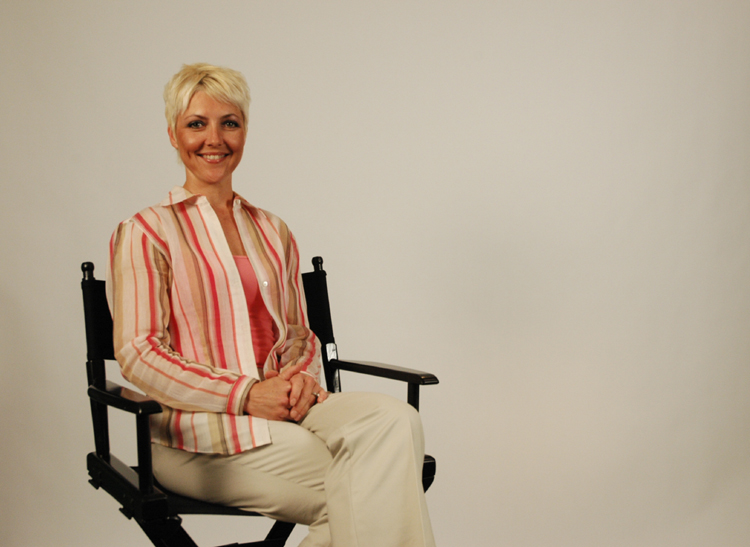
From a single professionally documented business event, an organization can generate a comprehensive event archive for internal records and future reference, a flagship highlight video for the company website and YouTube channel, short-form social media content for LinkedIn, Instagram, and Facebook, individual speaker and executive clips for thought leadership campaigns, on-site interview and testimonial content for sales and marketing deployment, promotional video for the next event in your series, photography for press and media distribution, editorial imagery for your website and digital presence, executive and team portraits captured in a professional event environment, and B-roll footage of your people, culture, and operations that serves future productions.
That is not a single deliverable. That is a content program — and it originates from one production day, planned and executed correctly. Viewed through this lens, the economics of professional event documentation look fundamentally different than they do when treated as a line-item service.
Where Cost Efficiency Is Actually Generated
Decision-makers evaluating event production budgets frequently focus on day rates and crew size as the primary cost variables. Both matter, but neither is where cost efficiency is primarily created or destroyed. Cost efficiency in professional event production is a product of three phases, in this order of importance.
Phase One: Pre-Production Planning
Pre-production is where the economic foundation of your event coverage is built — and it is the phase that most clearly separates experienced production partners from vendors who simply respond to a brief and show up.
A rigorous pre-production process for business event coverage includes a thorough marketing objectives briefing, ensuring the production team understands not just what the event is but what the content generated from it needs to accomplish. It includes a complete review of the event program, run-of-show, and schedule, so priority moments are identified and planned for rather than discovered and potentially missed on the day. It includes a venue assessment — or at minimum a detailed venue inquiry — addressing ambient lighting conditions, acoustic characteristics, stage configuration, room layout, and any physical constraints that affect crew positioning, equipment selection, or audio capture.


It includes a deliverables map: a specific, format-explicit accounting of every video and photography output the production needs to generate, including platform destinations, length specifications, aspect ratios, and intended audiences. And it includes a crew and equipment plan built around the documented requirements of the specific event, not around a standard package.
Every gap in this process becomes a production-day improvisation or a post-production remediation problem. Both cost money. Pre-production investment — the time spent planning before the camera powers on — is the highest-return activity in event production budgeting.
Phase Two: Production Day Execution
On the day of your event, cost efficiency is delivered through crew experience, equipment appropriateness, and operational discipline. These three factors operate together.
Crew experience is the most consequential production-day variable. Experienced camera operators anticipate action, manage their position relative to changing light, and structure their coverage so that the edit suite receives material that actually edits — not raw footage that requires extensive remediation. Experienced audio technicians identify problems before they contaminate the recording rather than after. Experienced producers manage the run-of-show in real time, prioritize coverage when the program runs long or short, and make the dozens of judgment calls that a production day requires without disrupting the event or missing the moments that matter.
The rate differential between experienced and inexperienced crew is consistently recovered — and typically exceeded — in post-production savings alone, before accounting for the qualitative difference in deliverable output.
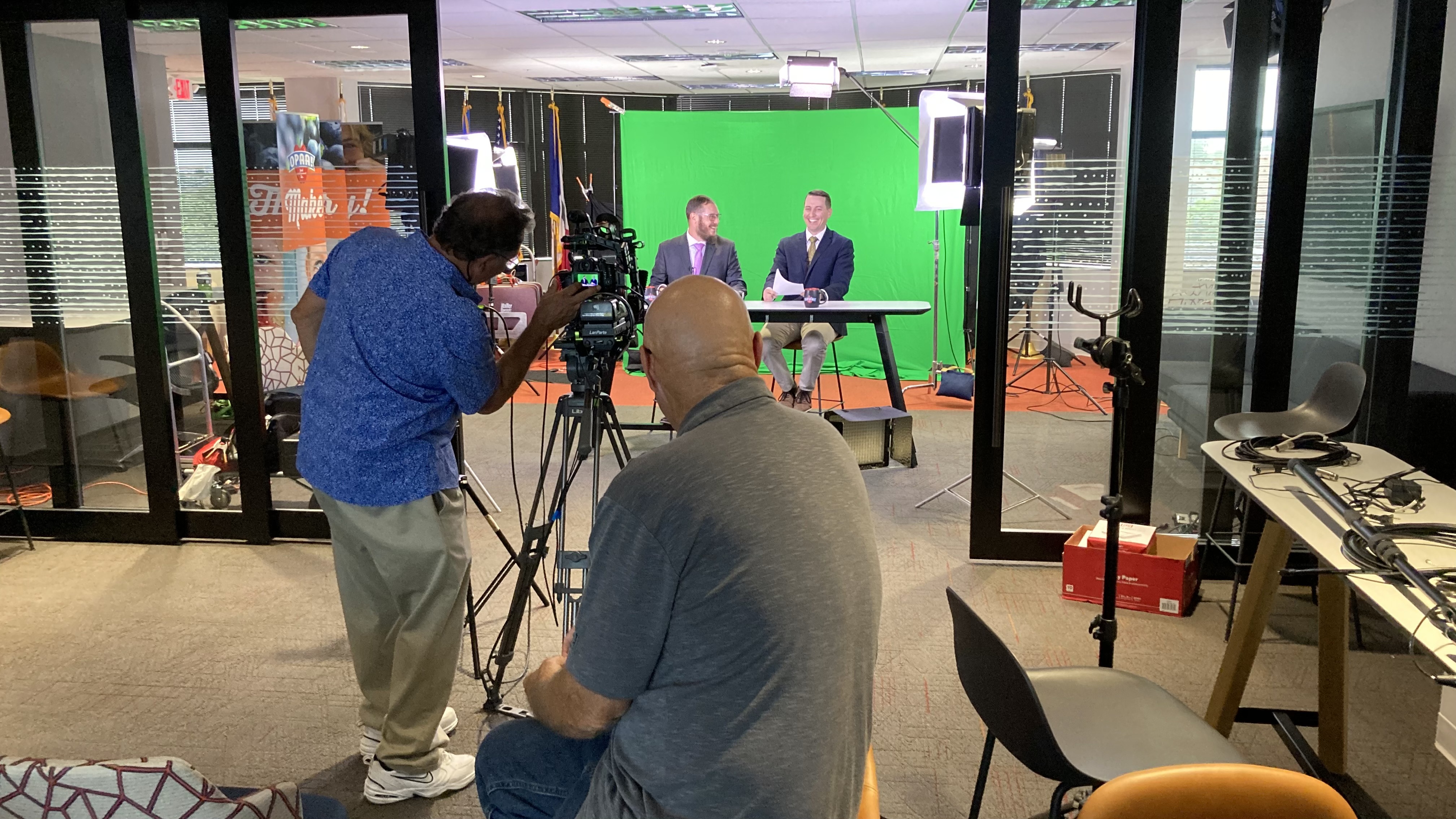
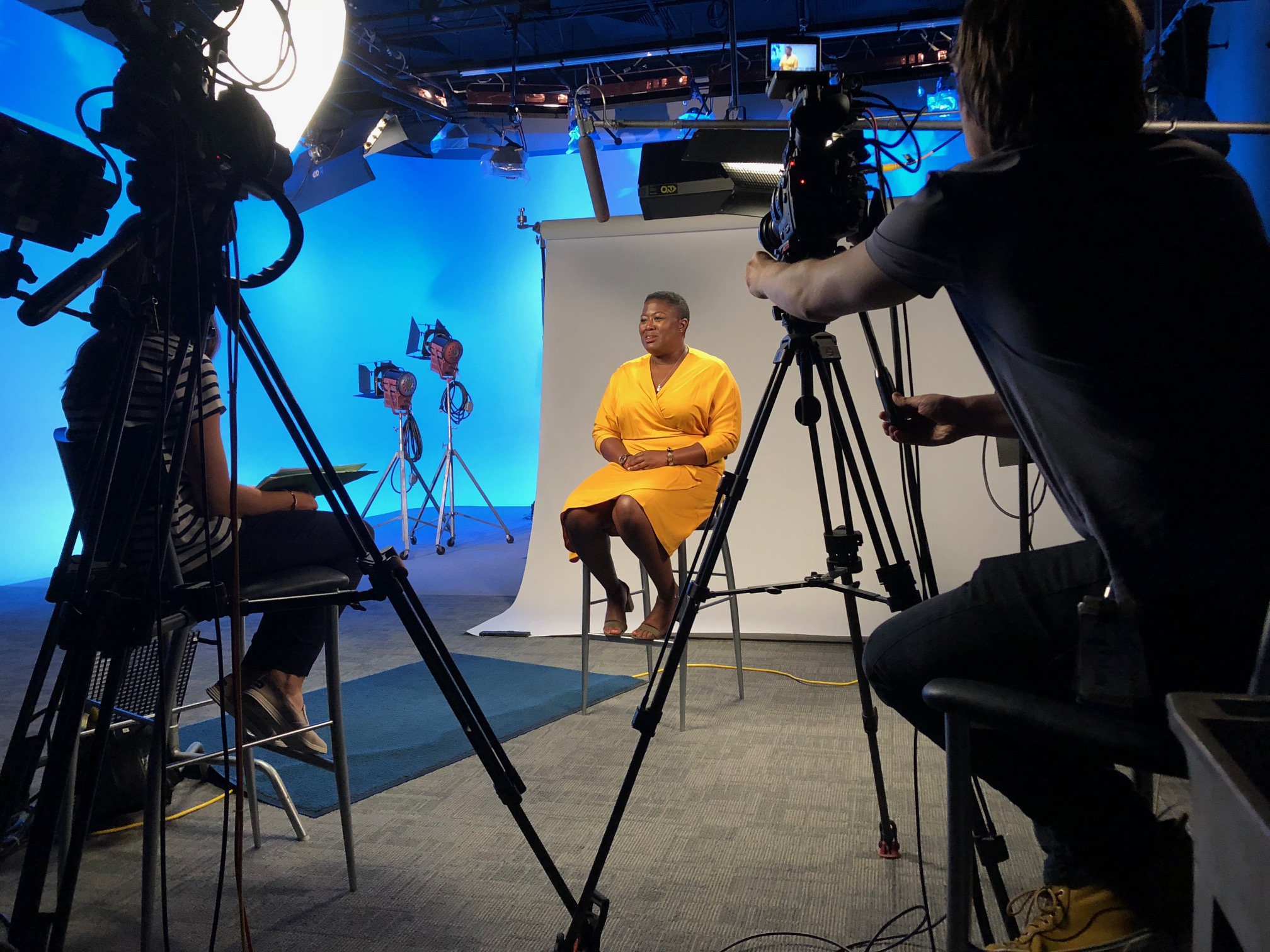
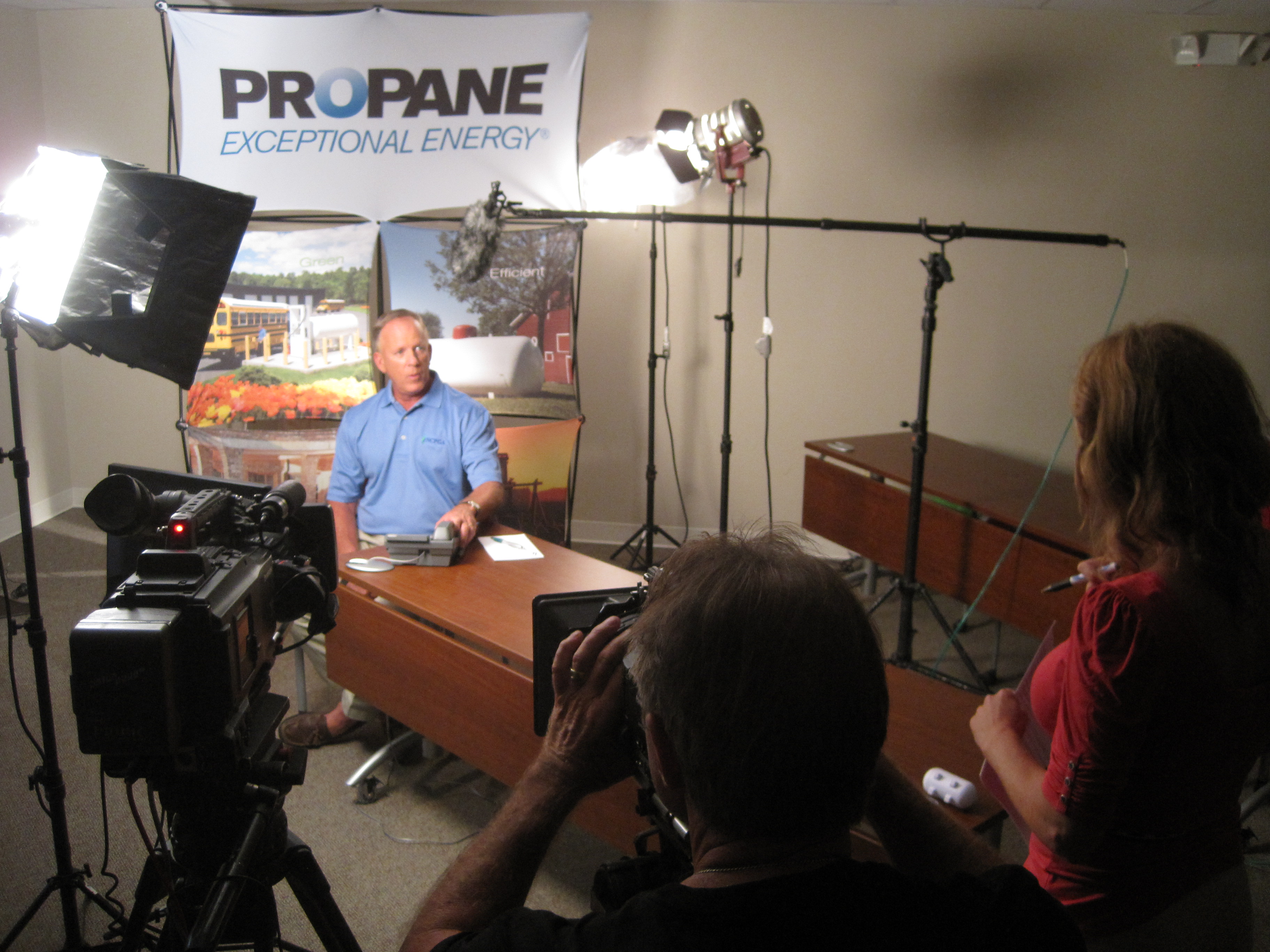
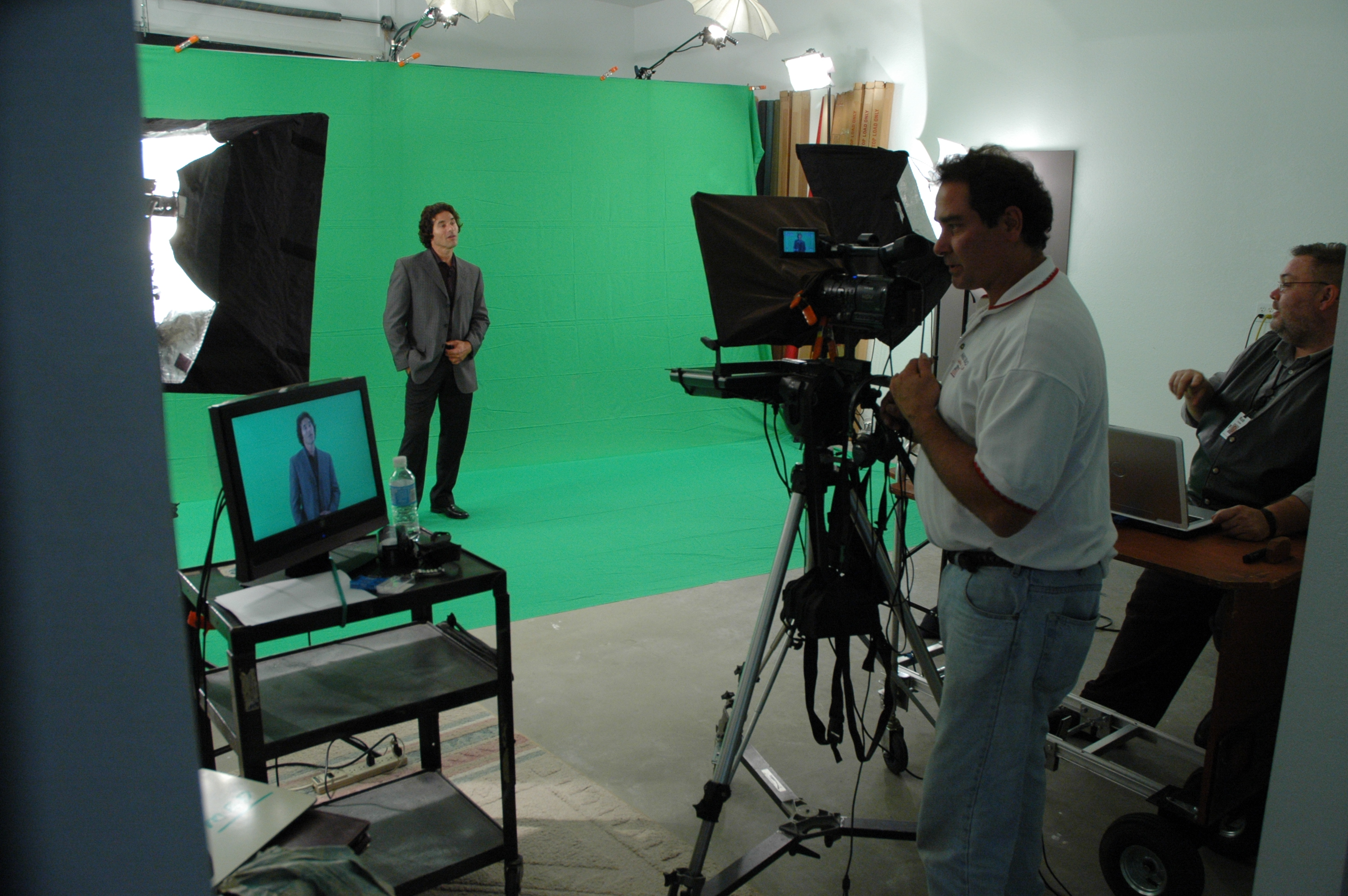
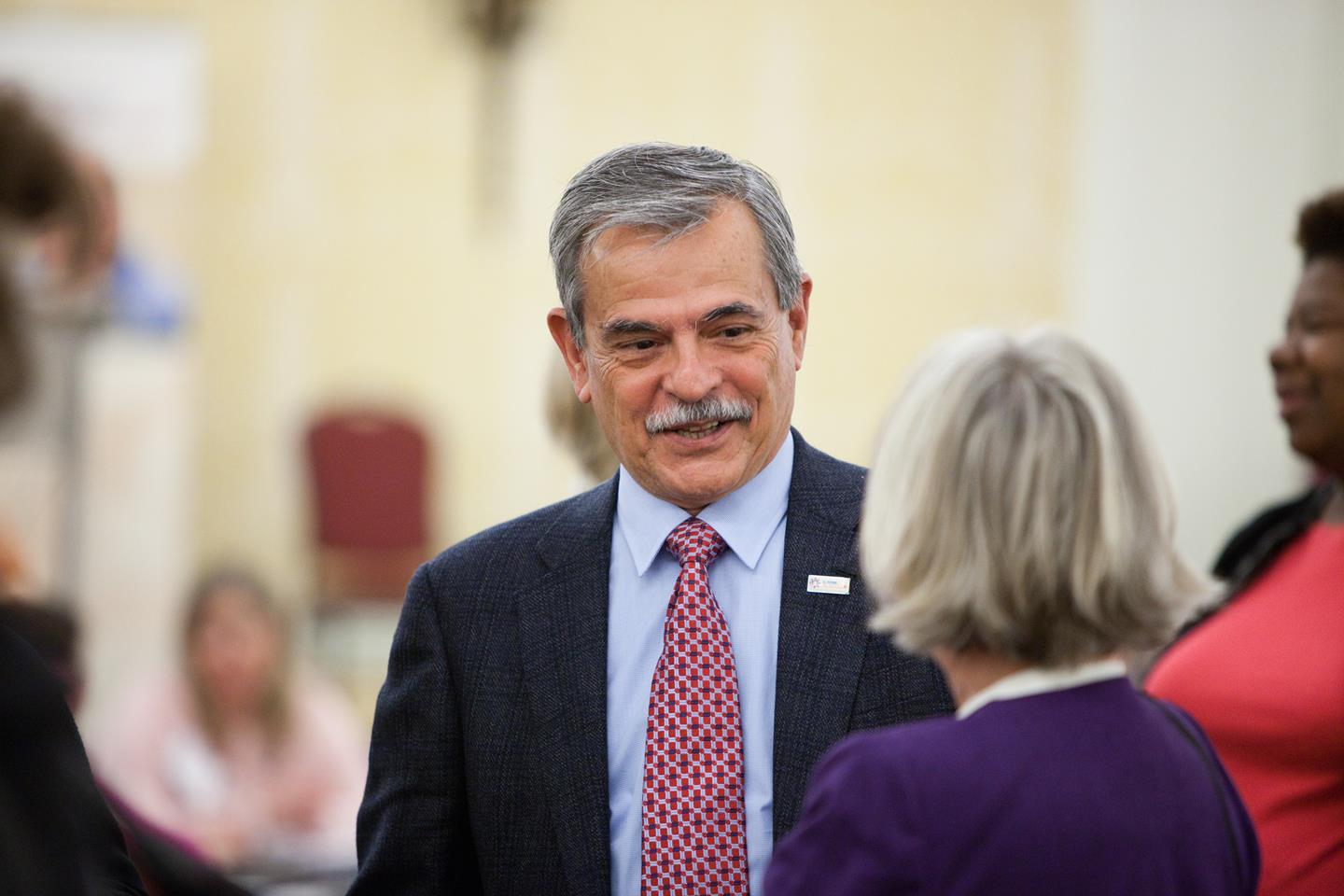
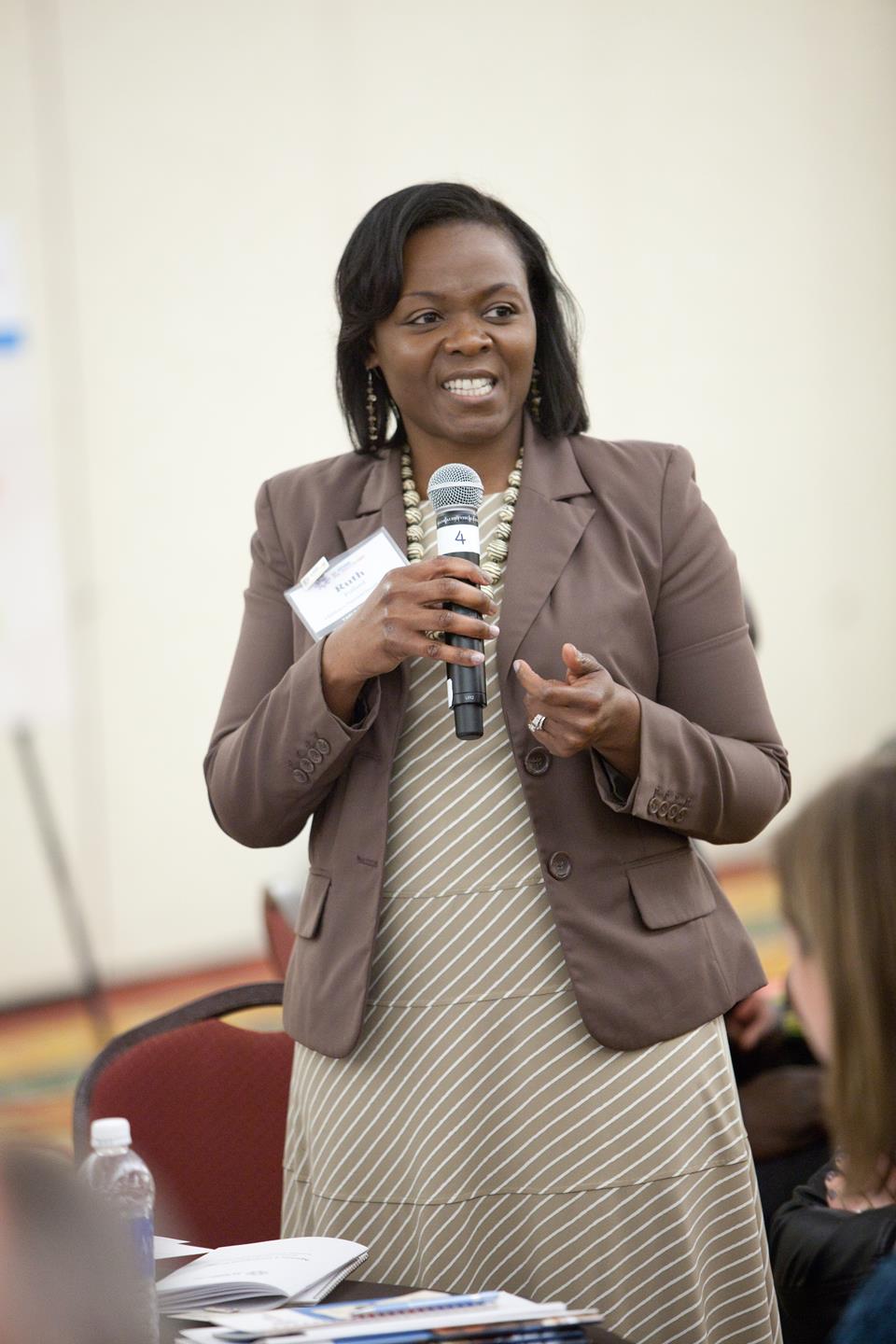
Equipment appropriateness means the camera systems, audio solutions, and lighting configurations selected for your event are matched to the specific conditions of your event environment. This is not a function of spending more. It is a function of the production partner understanding your venue, your program, and your deliverables thoroughly enough to make correct equipment decisions rather than defaulting to a standard kit. Over-equipped productions waste budget. Under-equipped productions compromise quality and create post-production problems. Correctly equipped productions are the efficient ones.
Operational discipline means the crew is executing a plan, not discovering the event as it unfolds. Shot assignments are clear. Audio feeds are confirmed before the program begins. The photographer and videographer are coordinating rather than duplicating. Priority moments are flagged on the run-of-show so the entire crew is oriented toward the same coverage objectives. This level of on-the-floor organization is the direct output of pre-production investment — and it is what makes a lean, experienced crew capable of comprehensive coverage that a larger but undirected team cannot match.
Phase Three: Post-Production and Repurposing
Post-production is where the quality of your source material becomes financially consequential. The economics are straightforward: well-captured footage moves through the editing process efficiently and produces excellent outputs. Poorly captured footage generates compounding friction — time-consuming remediation, quality compromises, and in some cases outputs that simply cannot be salvaged regardless of the skill applied in the edit suite.
An experienced post-production team does not merely assemble your event footage. They execute a repurposing strategy — a deliberate plan for extracting every usable asset from the captured material across every format your content distribution requires. This means the cut-down social clips, the reformatted vertical content, the speaker segments, the testimonial edits, and the B-roll packages are all generated from the same source material through a planned workflow rather than an afterthought.
AI-assisted editing tools, color grading platforms, audio restoration technology, and automated transcription and captioning systems have materially accelerated and improved this process. An experienced post-production team working with current AI-assisted tools can deliver a broader range of polished deliverables, in shorter timeframes, than was achievable even a few years ago. But these tools amplify the quality of good source material — they do not replace it.
On-Site Interview Capture: The Highest-Efficiency Content Opportunity in Business Events
If there is a single production practice that generates more content value per dollar than any other in the business event context, it is systematic on-site interview and testimonial capture.
Business events concentrate the people who are most valuable to your content program — satisfied clients, subject matter experts, organizational leadership, industry partners, and engaged community members — in a single location over a defined and scheduled time window. This assembly is expensive to replicate. It almost never happens except when an event creates it.
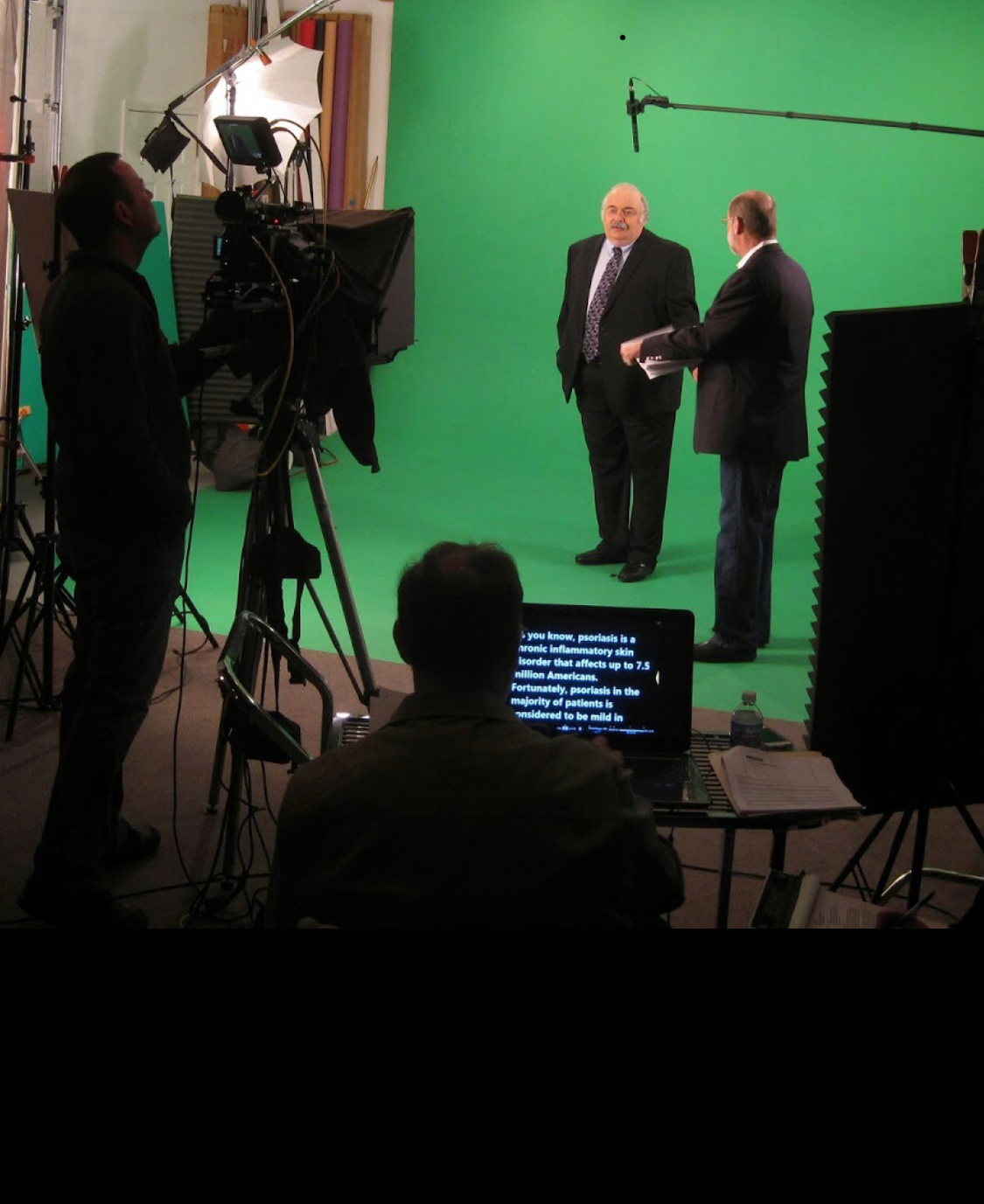
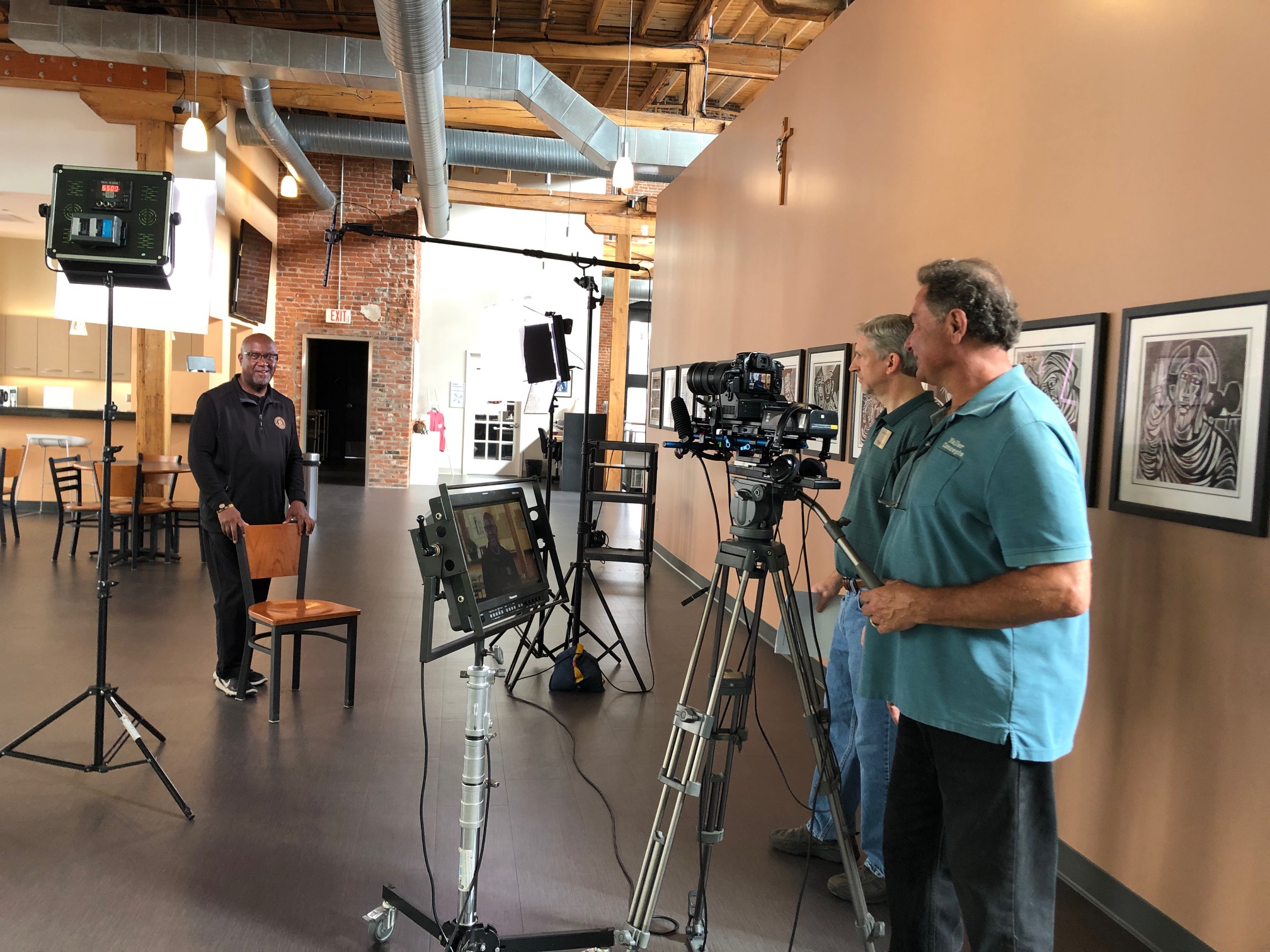
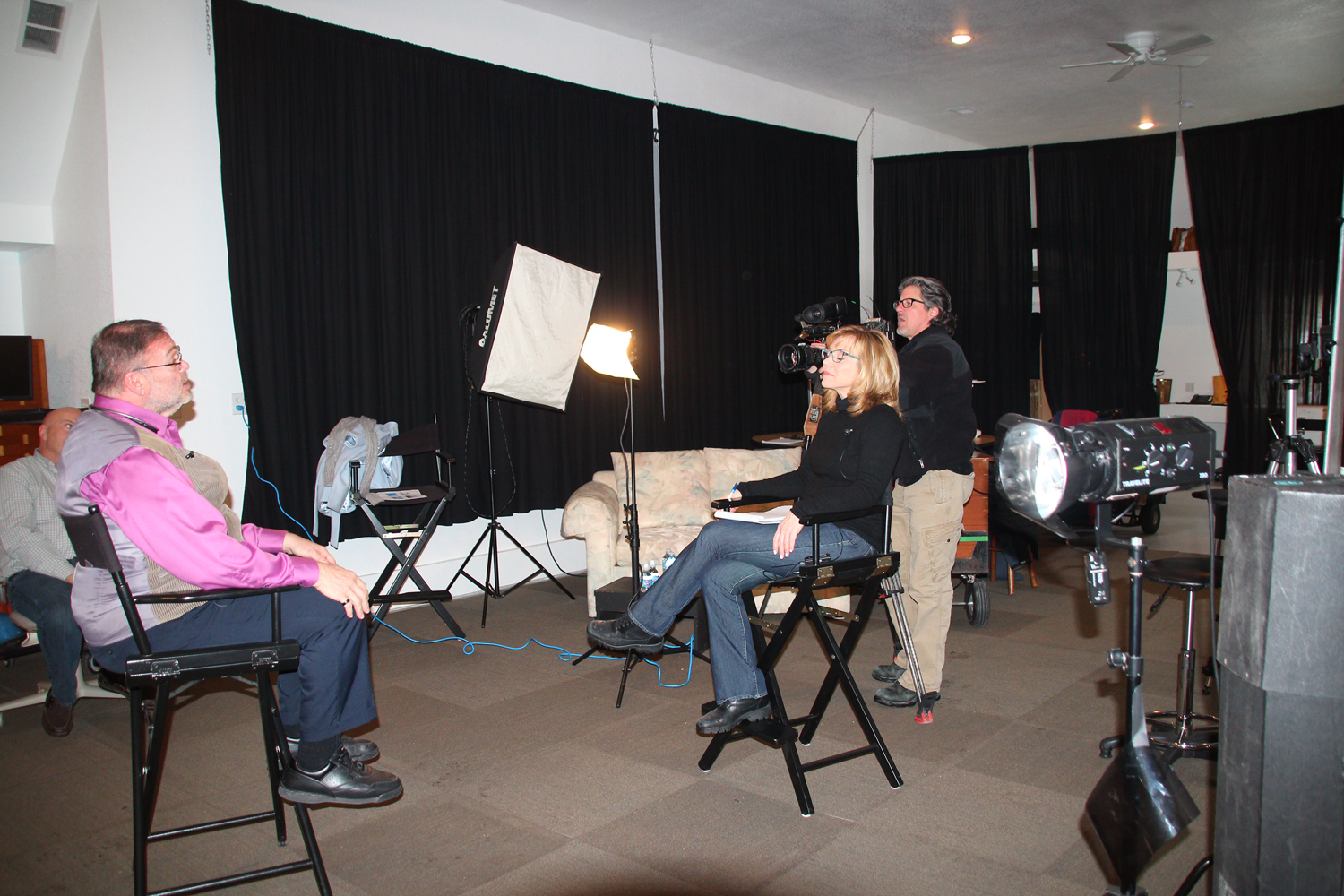
A professional production crew with the right equipment can establish a compact, properly lit interview setup in an adjacent room, a corridor alcove, a hospitality suite, or any quieter space accessible from the main event floor. With structured questions prepared in advance and a producer managing the flow of interview subjects, this setup can generate an extraordinary volume of high-quality interview content in the margins of your event day — between sessions, during breaks, before the program opens, or after the main activities conclude.



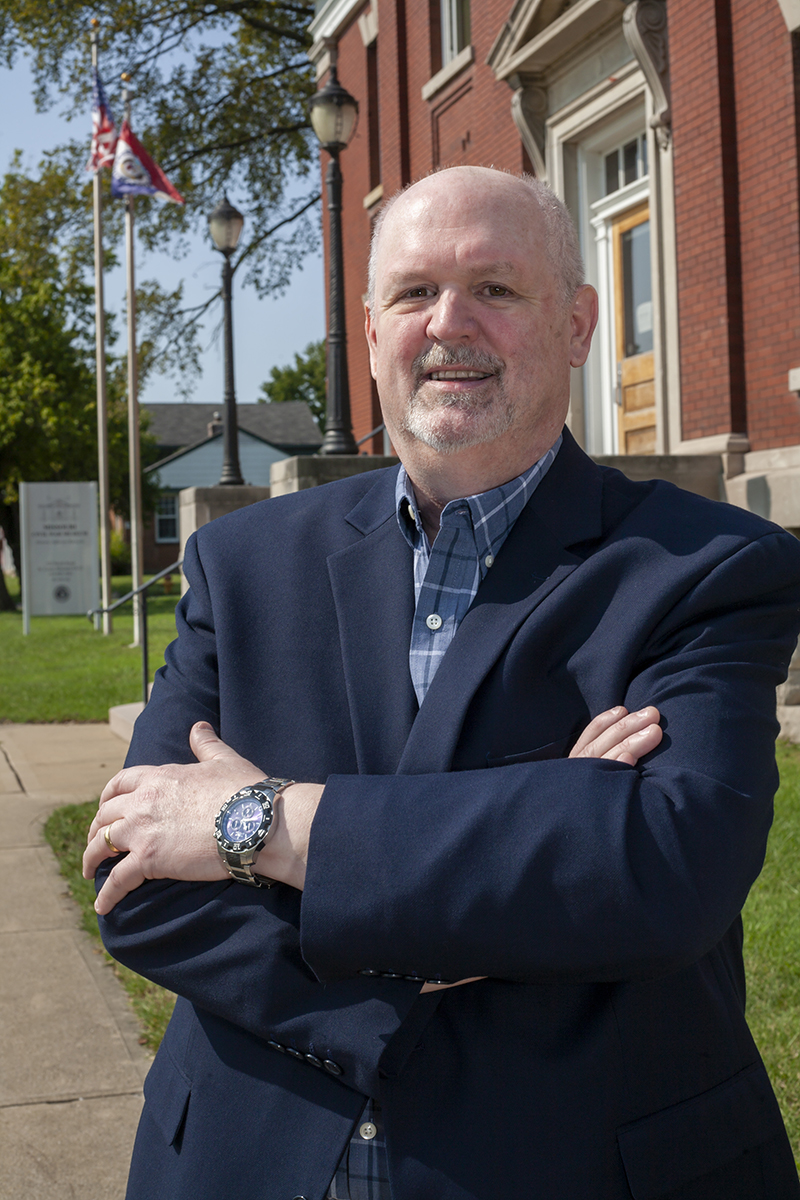

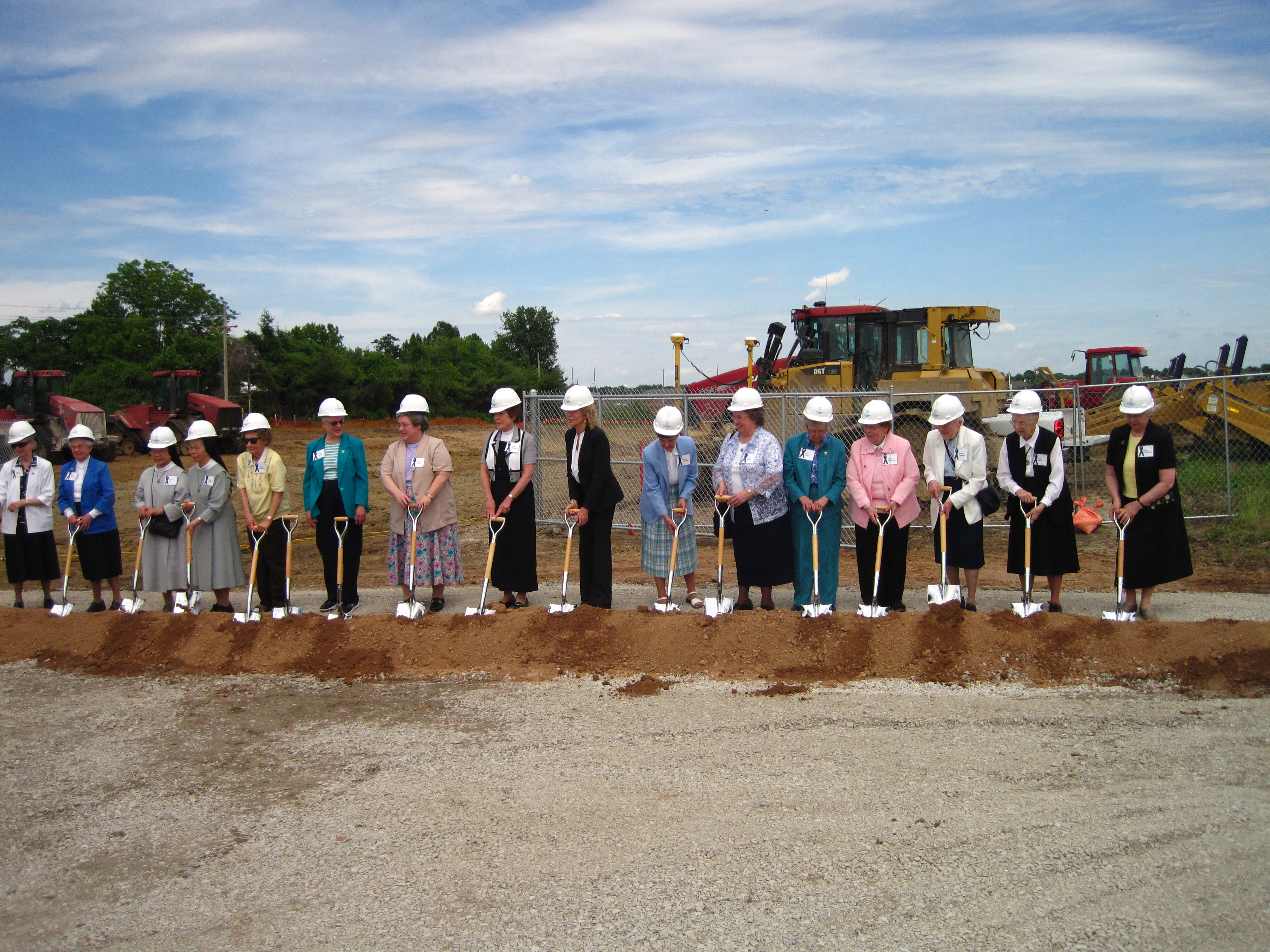
The range of content this produces is significant. Client testimonials with genuine specificity and authentic delivery, executive perspectives on industry trends and organizational vision, subject matter expert commentary on topics relevant to your marketing program, partner endorsements, and stakeholder voices that humanize your brand and communicate credibility to prospects — all captured in a professional production environment, all from an event your organization was already hosting.
A standalone interview production program generating equivalent content would require weeks of scheduling, multiple crew mobilizations, individual location setups, and a production budget substantially larger than the incremental cost of incorporating interview capture into your event production plan. If your event production does not include on-site interview capture, you are leaving significant content value — and significant cost efficiency — on the table.
The Strategic Case for Dedicated Event Photography
Still photography at business events is persistently under-planned and under-resourced relative to video — despite the fact that still images serve a broader range of organizational communication needs than video across most industries and most distribution contexts.
Press and media relations operates primarily in still images. Website and digital presence photography is predominantly still imagery. Annual reports, investor materials, and board presentations rely heavily on photography for visual communication. Sales proposals and capability presentations use photography to convey credibility, organizational scale, and professional quality. Social media content calendars require a sustained flow of high-quality still images that video clips do not and cannot replace.
Your business events are among the most efficient production environments available for generating this photography. Your leadership is present and engaged. Your team is assembled in a professional context. Your clients and partners are visible in your environment. The energy, scale, and human dimension of your organization are on display in ways that are costly and logistically complex to recreate outside the event context.
Capturing this effectively requires a dedicated professional photographer with a clear photographic brief, appropriate equipment for the venue and lighting conditions, and the editorial experience to identify and prioritize the moments, subjects, and environments that serve your brand communication objectives.
This is not coverage that can be competently provided by a videographer operating a secondary camera, or by a capable staff member with a consumer-grade device, or by splitting the attention of someone with other primary production responsibilities. Professional event photography is a distinct discipline that deserves dedicated professional attention — and the assets it generates at your events will be in active use across your marketing channels long after the event itself has receded from memory.
Multi-Format Content Extraction: The Repurposing Multiplier
The most significant difference between organizations that achieve genuine cost efficiency in event production and those that do not is a commitment to multi-format content extraction from every production engagement.
Most organizations commission event video and photography and receive a primary deliverable — a highlight video, an event gallery, a keynote recording. That deliverable has value. But it represents a fraction of the content potential embedded in the footage and photography captured on a well-documented production day.
A structured repurposing strategy extracts that full potential. It begins before the event, when the deliverables map is built and the production plan is designed to capture material that serves every intended output format. It continues through post-production, when an experienced team methodically generates each deliverable from the source library rather than treating the primary cut as the final work product.
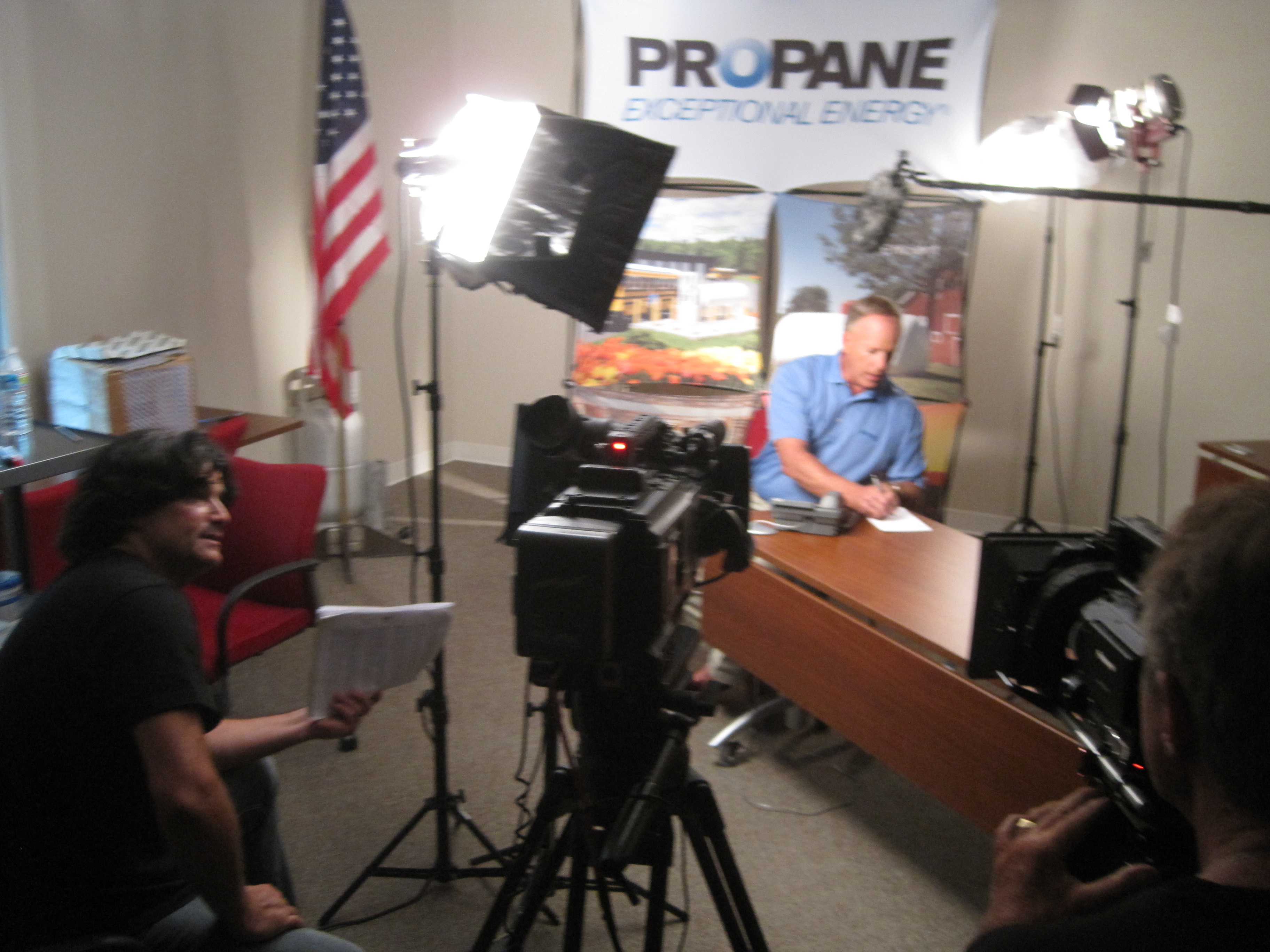
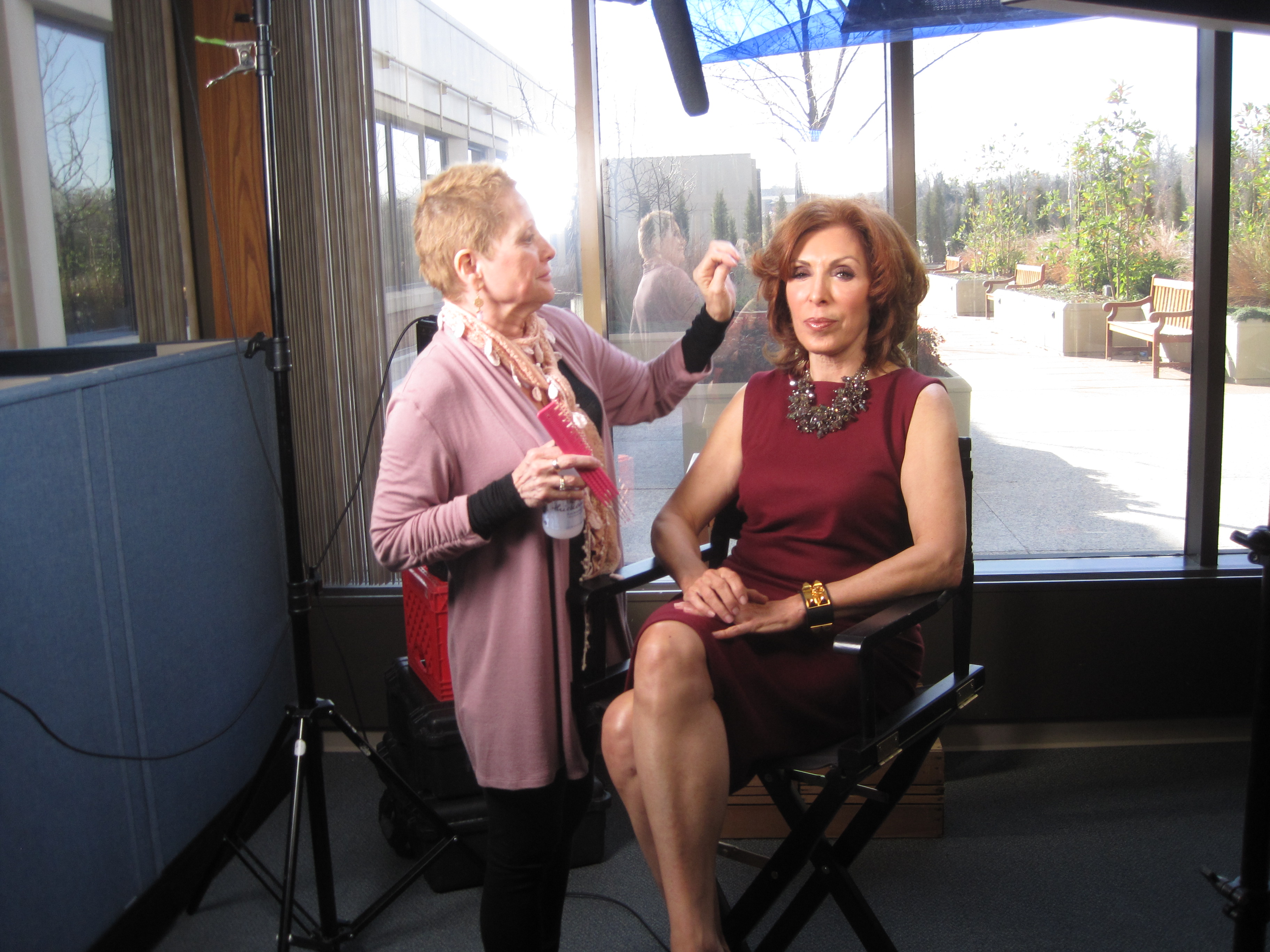


The output of a properly repurposed event production engagement might include a feature-length event video for attendee distribution and on-demand viewing, a three-to-five-minute highlight reel for the website and YouTube, ninety-second social recap cuts for LinkedIn and Facebook, thirty-second speaker and moment clips for sustained social posting, vertical 9:16 formatted content for Instagram Reels and TikTok, still frame extractions from video for use as social imagery, interview segments edited as individual thought leadership pieces, a promotional cut for the next event in the series, and a B-roll package filed for use in future productions.
Every one of these outputs serves a different audience, channel, and marketing objective. Every one of them comes from source material captured on the same production day. The cost of the production day is distributed across all of these outputs simultaneously — which is what makes strategic event production one of the most economical content investments available to marketing decision-makers.
Aerial and Specialized Production: Expanding Visual Capability Cost-Effectively
For events with outdoor components, architecturally distinctive venues, large-format activations, or production requirements that benefit from elevated perspective, licensed drone services represent a cost-effective way to add production value that ground-level coverage cannot replicate.
Aerial establishing shots of a conference venue, overhead coverage of an outdoor activation, dynamic drone movement through an architectural environment — these perspectives communicate scale, production quality, and visual sophistication that distinguishes your event content in a media environment saturated with conventionally shot corporate video.
Incorporated into an existing event production engagement, drone coverage adds modest incremental cost relative to the visual impact it contributes to your final deliverables. For outdoor events, campus productions, real estate and construction industry events, and large-scale public or community activations, aerial coverage frequently becomes one of the most memorable and differentiating elements of the finished content.
For organizations in specialized industries, advanced drone capabilities extend the value of production engagement into operational territory. Infrared thermal imaging, orthomosaic mapping, and LiDAR data acquisition serve clients in construction, environmental services, facilities management, agriculture, and municipal government — applications where the data captured from the air has direct operational and analytical value beyond its marketing applications.
The Mistakes That Make Event Production More Expensive
Understanding the most common and costly errors in business event production helps decision-makers avoid them before they become budget problems.
Selecting vendors on price without evaluating capability. The production market spans an enormous range of equipment quality, crew experience, and post-production competency. A low day rate from an underpowered or inexperienced crew frequently results in source material that cannot support the deliverables you require — and no budget recovery is possible once the event has ended and the opportunity has passed. Evaluate production partners on portfolio quality, pre-production process, crew credentials, and the depth of their planning engagement — not on rate alone.
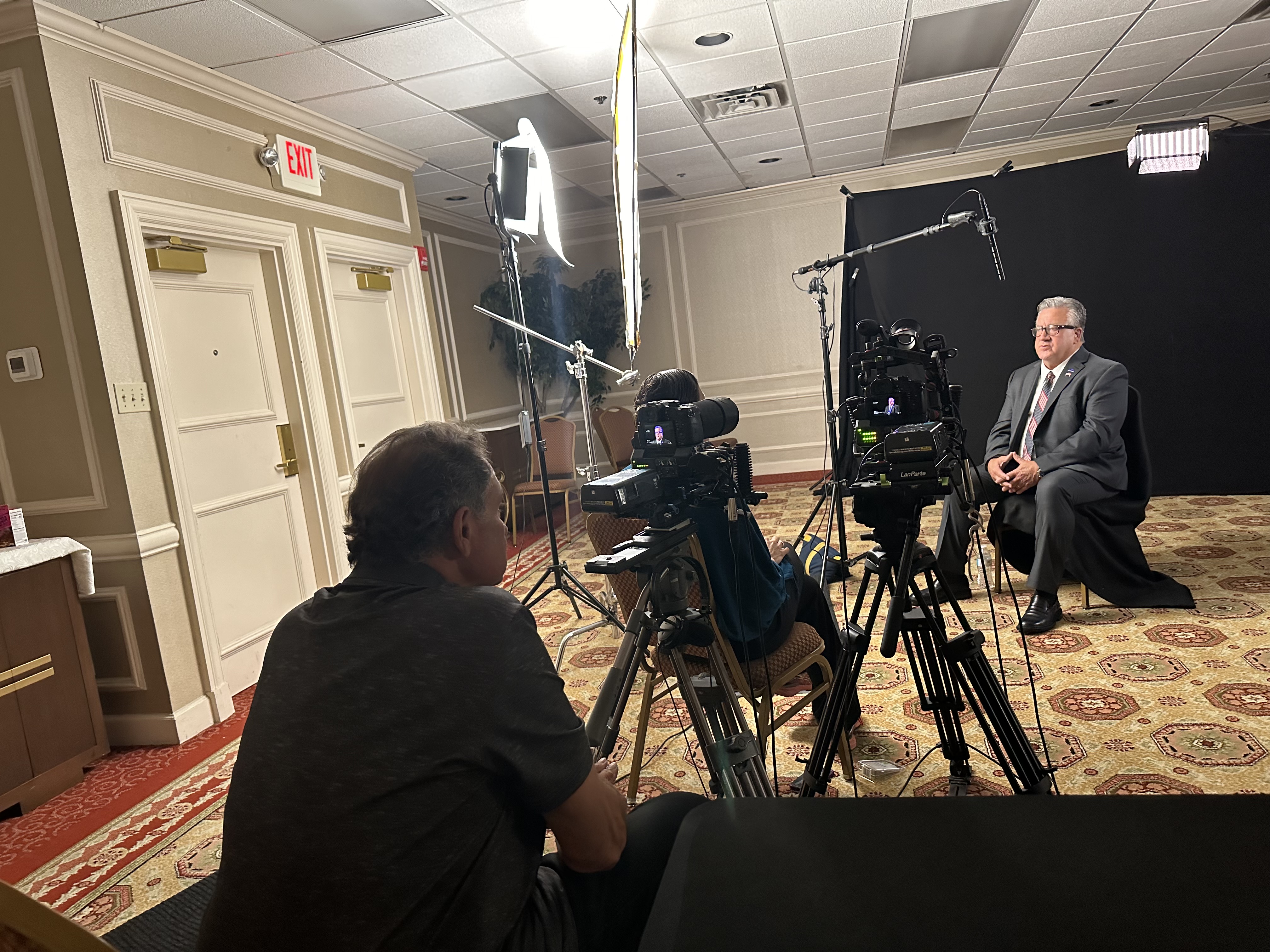

Failing to define deliverables before the production day. If your production team does not know what you need the content to accomplish — across which channels, in which formats, for which audiences — they cannot structure the shoot to serve those outcomes. This is the most common source of misalignment between client expectations and production deliverables, and it is entirely avoidable through pre-production planning.
Treating audio as a secondary budget consideration. Professional audio capture is not optional at business events where video content is a required output. Audiences tolerate imperfect visuals at a far higher threshold than they tolerate difficult audio. A poorly recorded keynote, panel discussion, or interview is unusable video content regardless of how well it was shot. Budget appropriately for professional audio — dedicated technicians, wireless microphone systems, proper monitoring — at every event where video is a deliverable.
Assigning photography to non-specialist resources. The costs of underpowered event photography are not always immediately visible — but they accumulate across every application where the resulting images are inadequate for the purpose. Press placements missed because the images are not press-ready. Website imagery that does not communicate the quality of the organization it represents. Social content that underperforms because the photography lacks the visual quality to compete in a high-production media environment. Invest in dedicated professional photography with a clear brief. The return is measured across years of asset use.
Not planning for post-production before the event. Post-production is not a phase that begins when the production day ends. It is a phase that should be planned before the production day begins — with deliverables defined, formats specified, and the shoot designed to serve the edit. Production teams that understand what the post-production process requires can capture source material that supports it efficiently. Teams that discover the deliverable requirements in the edit suite are working at a significant disadvantage that costs their clients time and money.
St. Louis Headshot Photographer: Your Full-Service Production Partner Since 1982
For organizations throughout the St. Louis area and beyond, St. Louis Headshot Photographer has served as a trusted production partner for businesses, marketing firms, and creative agencies since 1982 — bringing more than four decades of professional commercial photography and video production experience to every client engagement we undertake.
We are a full-service studio and location video and photography company, providing complete editing, post-production, and licensed drone services under one roof. Every project we take on is supported by the right equipment, an experienced creative crew, and the production depth necessary to ensure successful image acquisition — whether your production takes place in our private studio facility or on-location at your event venue anywhere in the region.
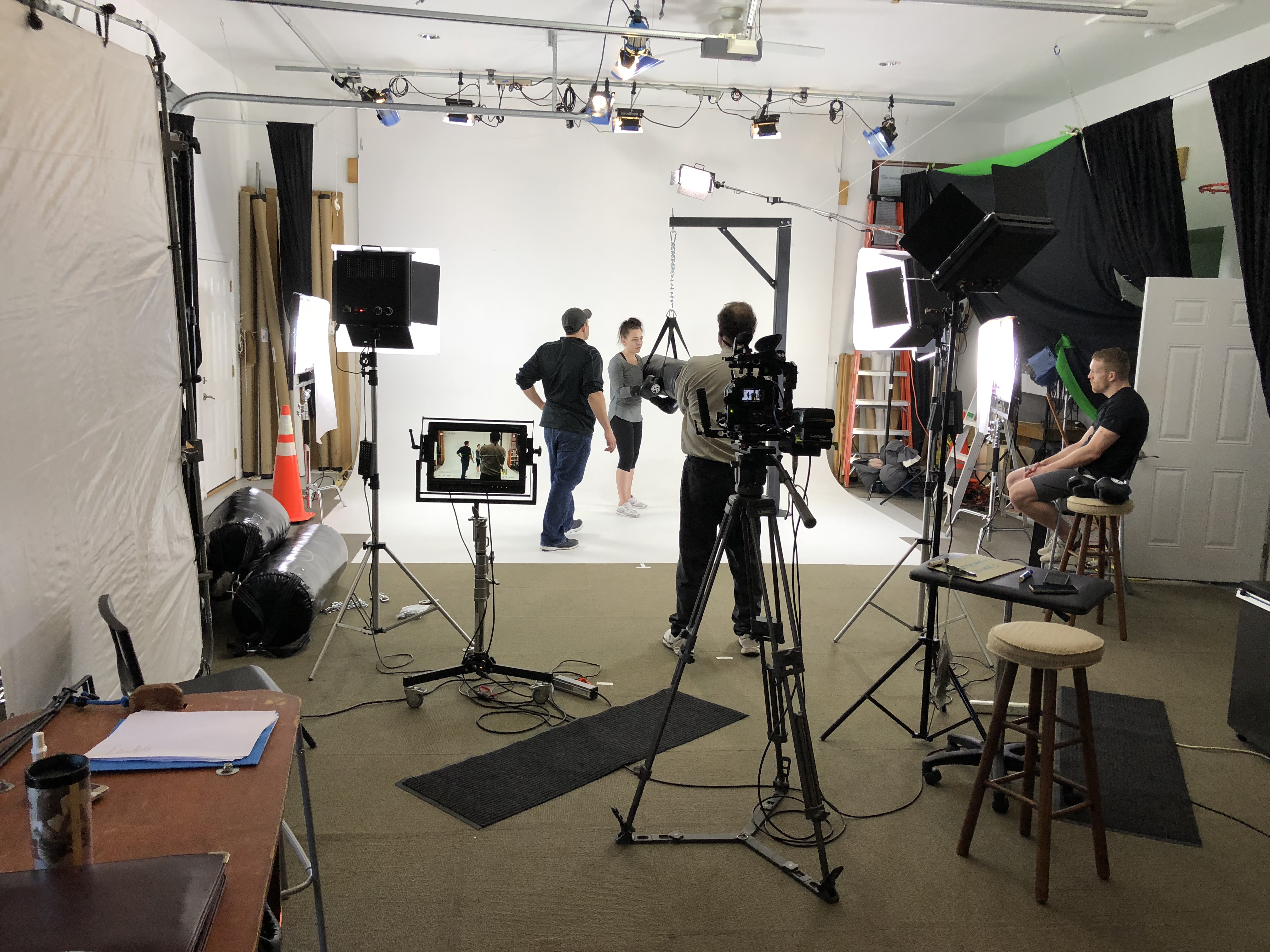
Our private studio is purpose-built for professional production — a controlled lighting and visual environment designed for interview scenes, small-scale productions, and branded content capture, with sufficient space to incorporate props and set elements that fully complete your on-camera environment. When your production moves into the field, our location scouting expertise and dedicated B-roll specialists ensure that every on-location environment is approached with the same intentionality and visual standard we apply in our controlled studio.
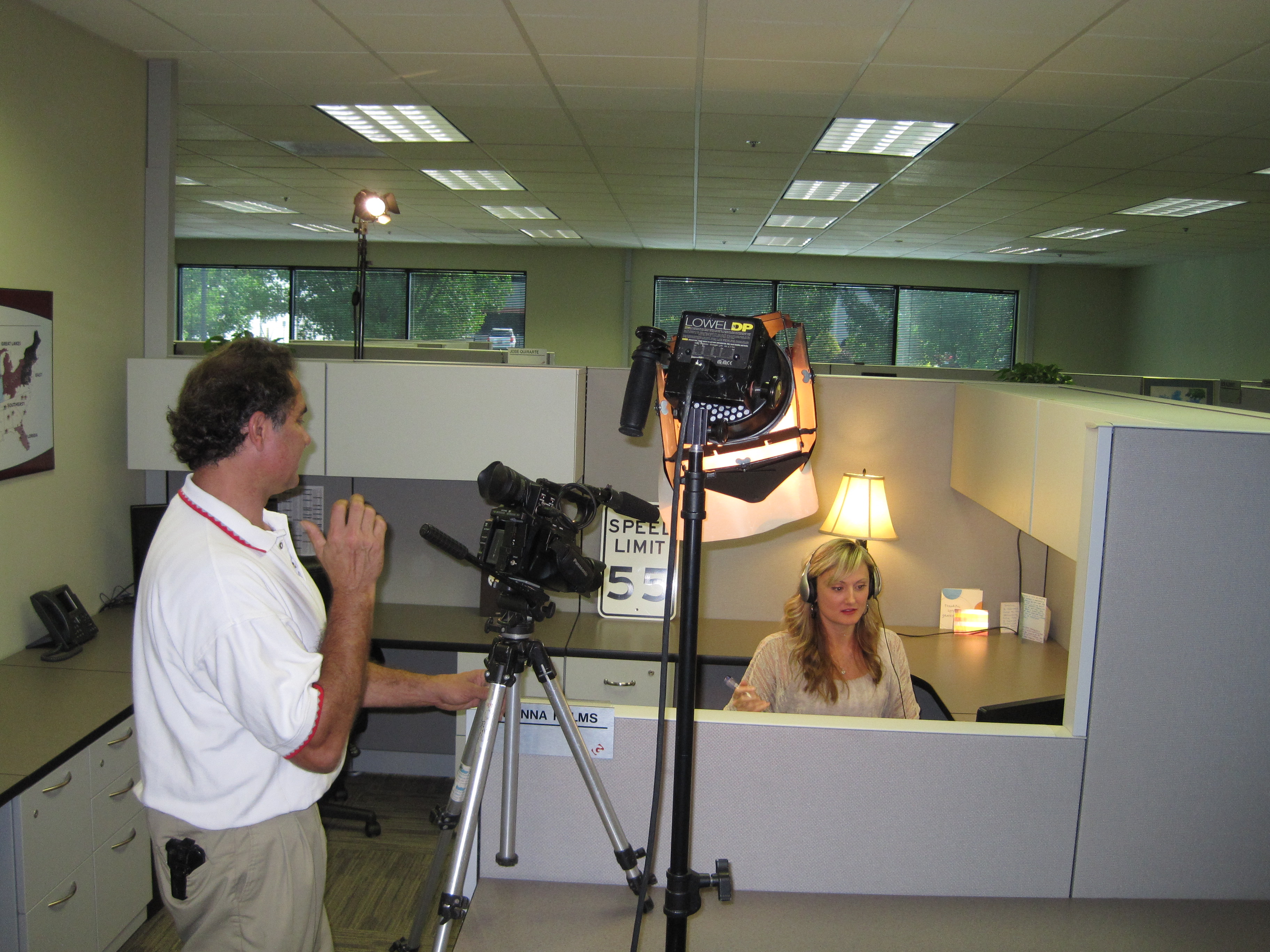
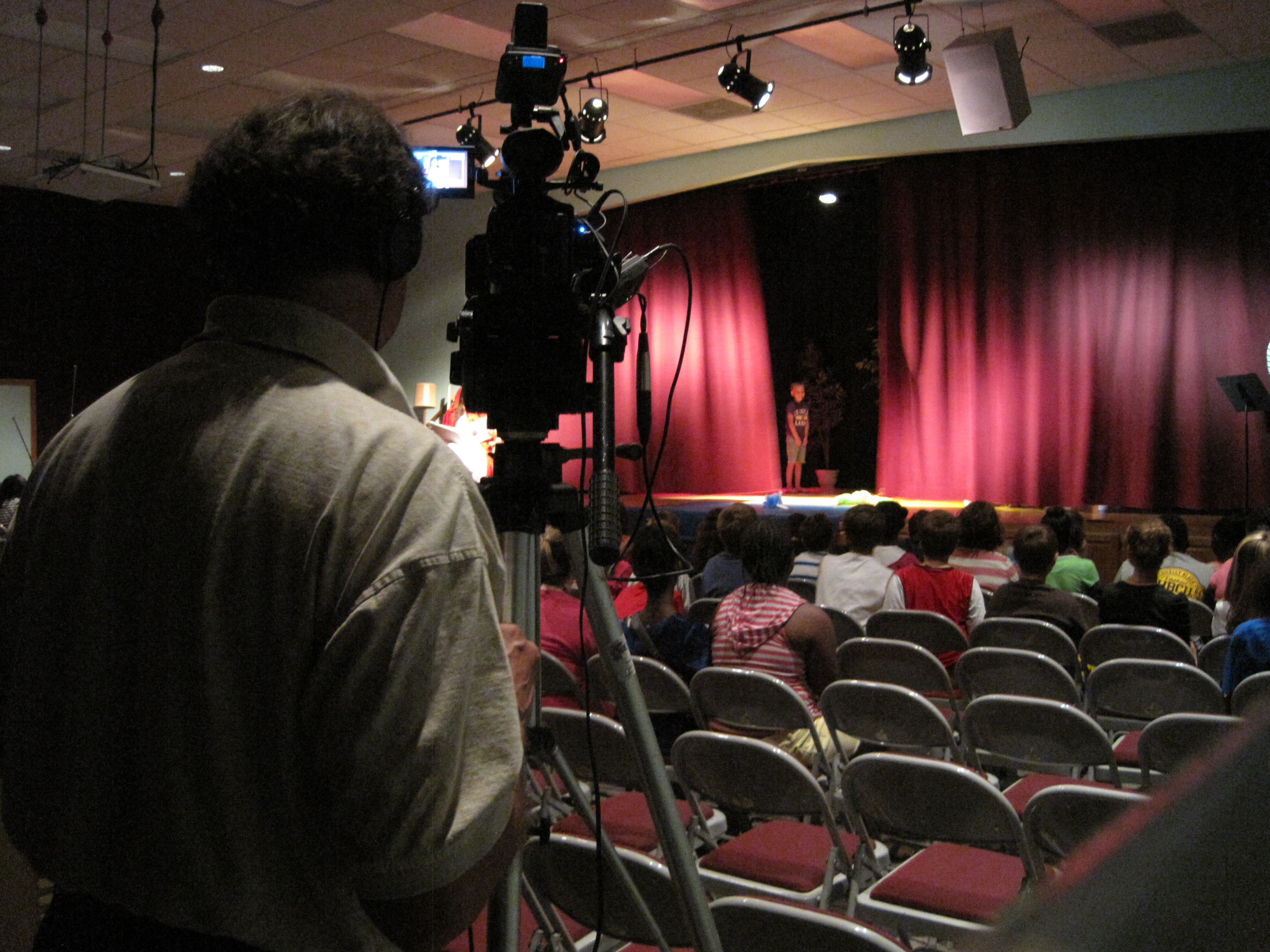
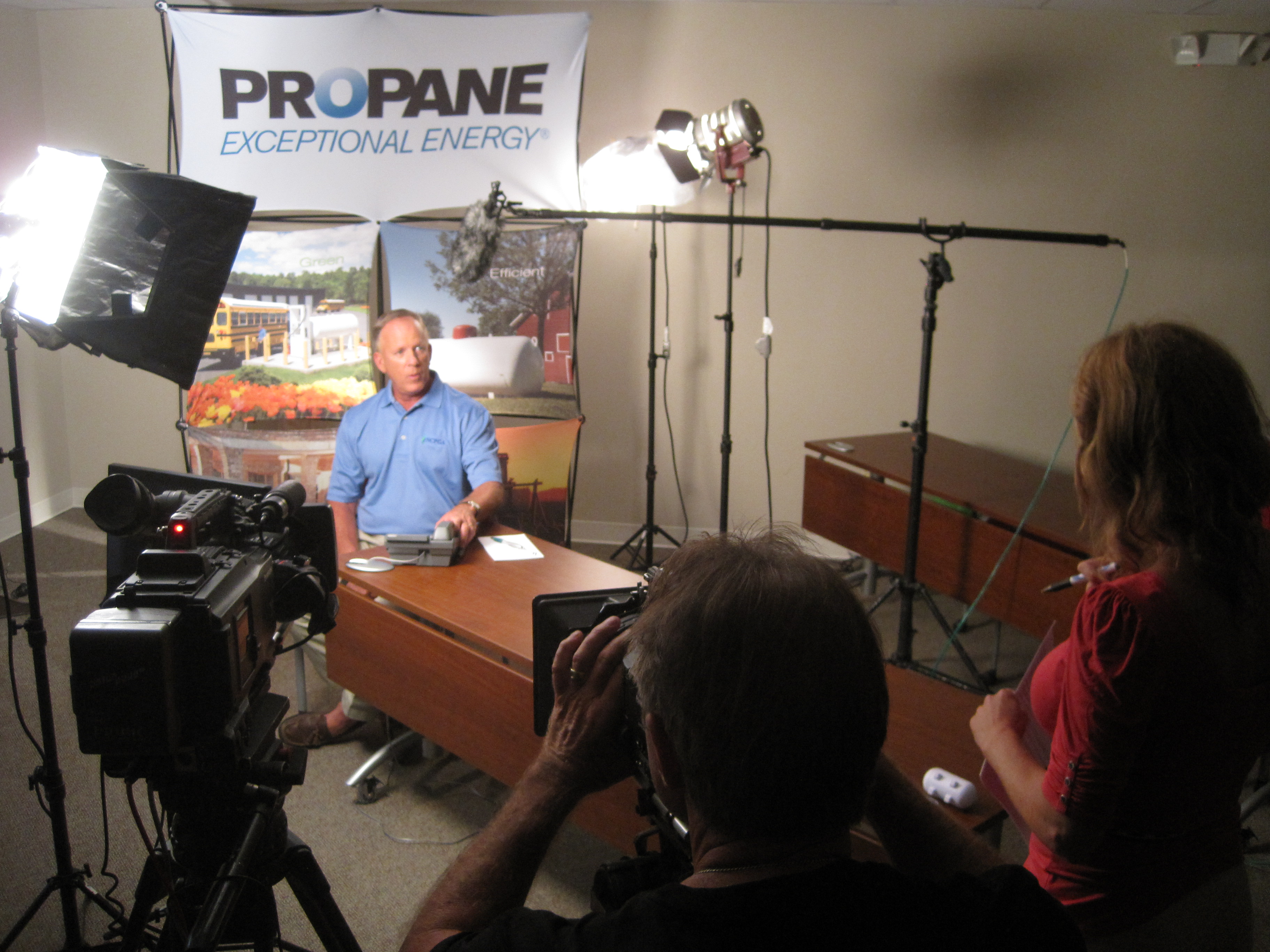
We support every dimension of your production from the initial planning conversation through final file delivery. That scope includes establishing a private, custom interview studio within your event venue, supplying professional sound and camera operators, providing the right equipment configuration for your specific environment and deliverable requirements, and managing the post-production workflow that transforms your event footage and photography into polished, platform-optimized content.
Our drone services extend considerably beyond conventional aerial photography. We operate specialized FPV drones capable of indoor flight — creating distinctive cinematic possibilities for trade show floors, interior architectural spaces, manufacturing and warehouse facilities, and experiential event environments where traditional aerial equipment cannot operate. Our advanced drone service capabilities also include infrared thermal imaging, orthomosaic mapping, and LiDAR data acquisition for clients in industries where specialized aerial data serves both marketing and operational purposes.
Repurposing your video and photography assets to generate sustained brand traction across your full platform ecosystem is a specialty we bring to every client relationship. We are fluent in all file types, media formats, and the software environments that support contemporary content distribution and marketing technology stacks. We incorporate the latest Artificial Intelligence tools throughout our media services — in editing, color grading, audio processing, transcription, and asset management — to enhance workflow efficiency, creative output quality, and the final value of every deliverable we produce.
St. Louis Headshot Photographer can customize your production for the full range of media requirements your organization manages — from a single refined event highlight video to a comprehensive multi-platform content program engineered from one strategic production engagement.
Business events are generating content opportunities on your calendar right now. The question is whether your production strategy is built to capture them.
314-913-5626 Mike Haller






























 St Louis HeadShot Photographer, Inc.