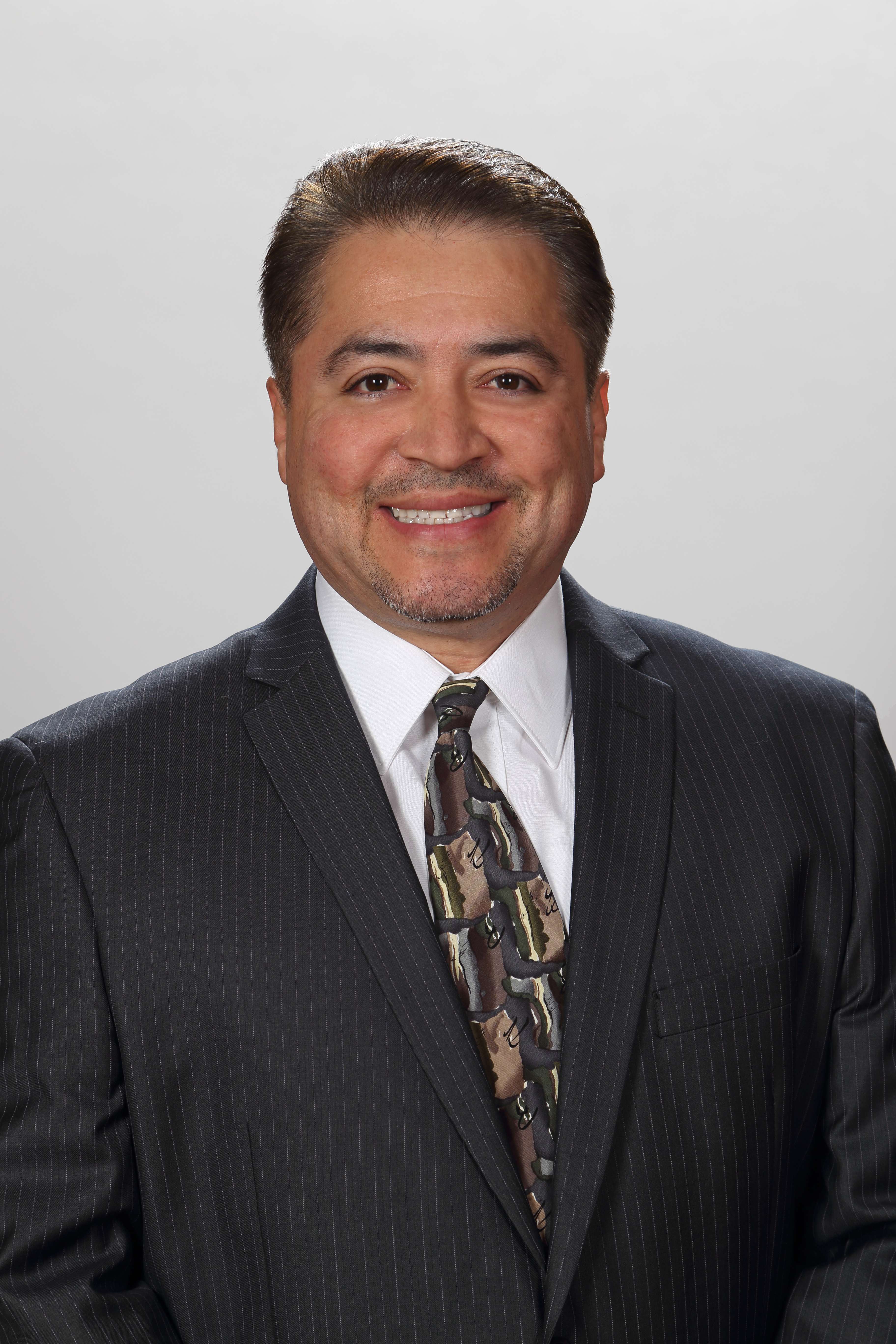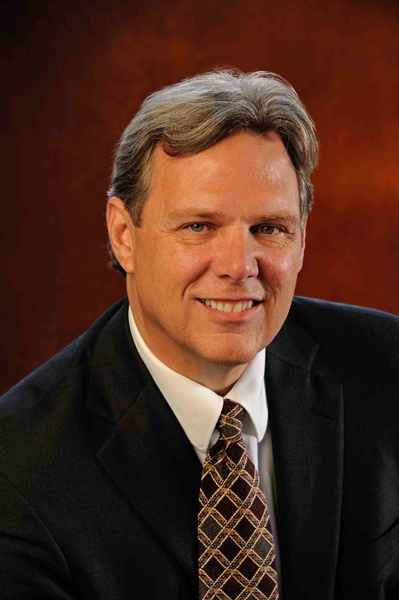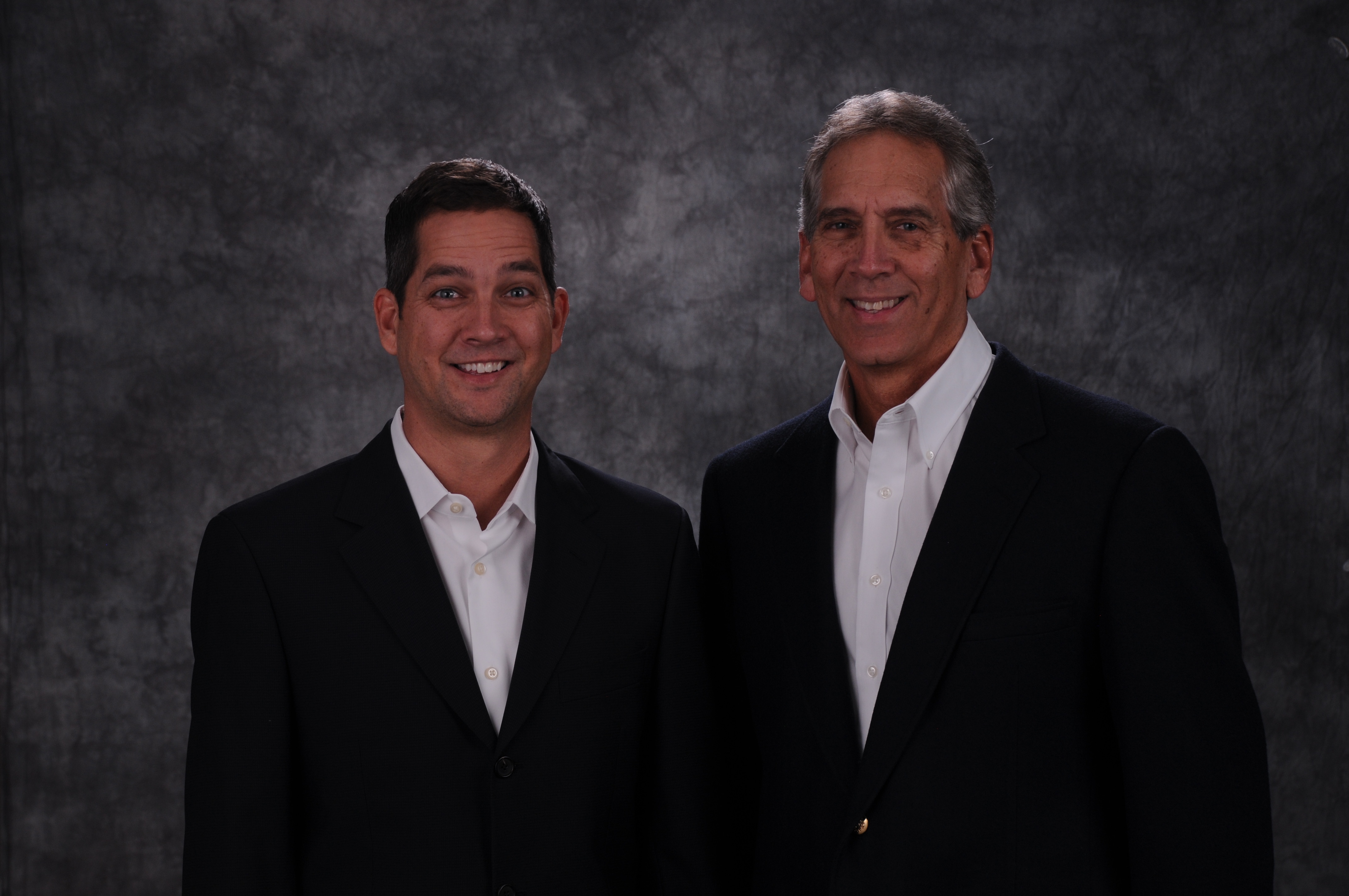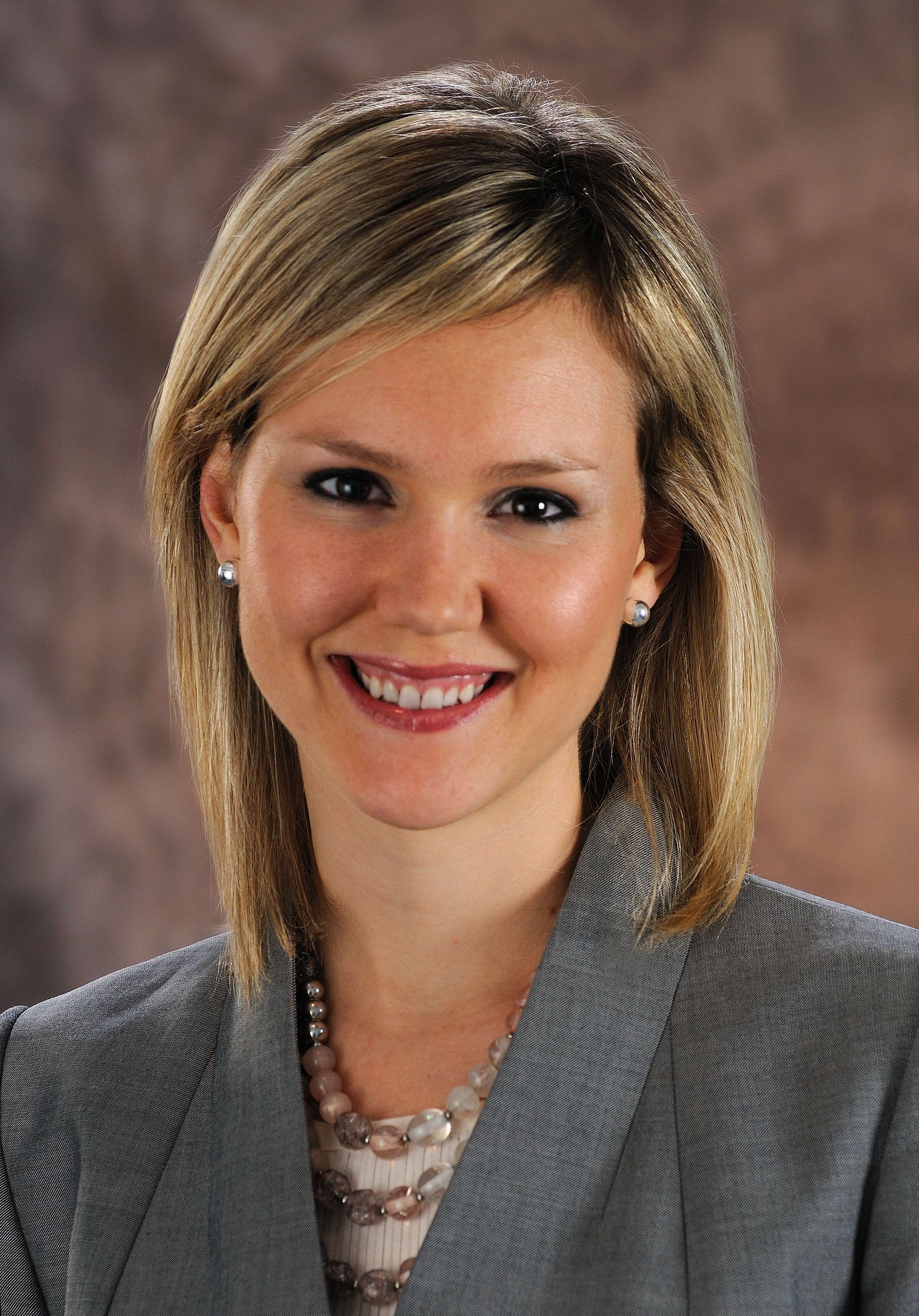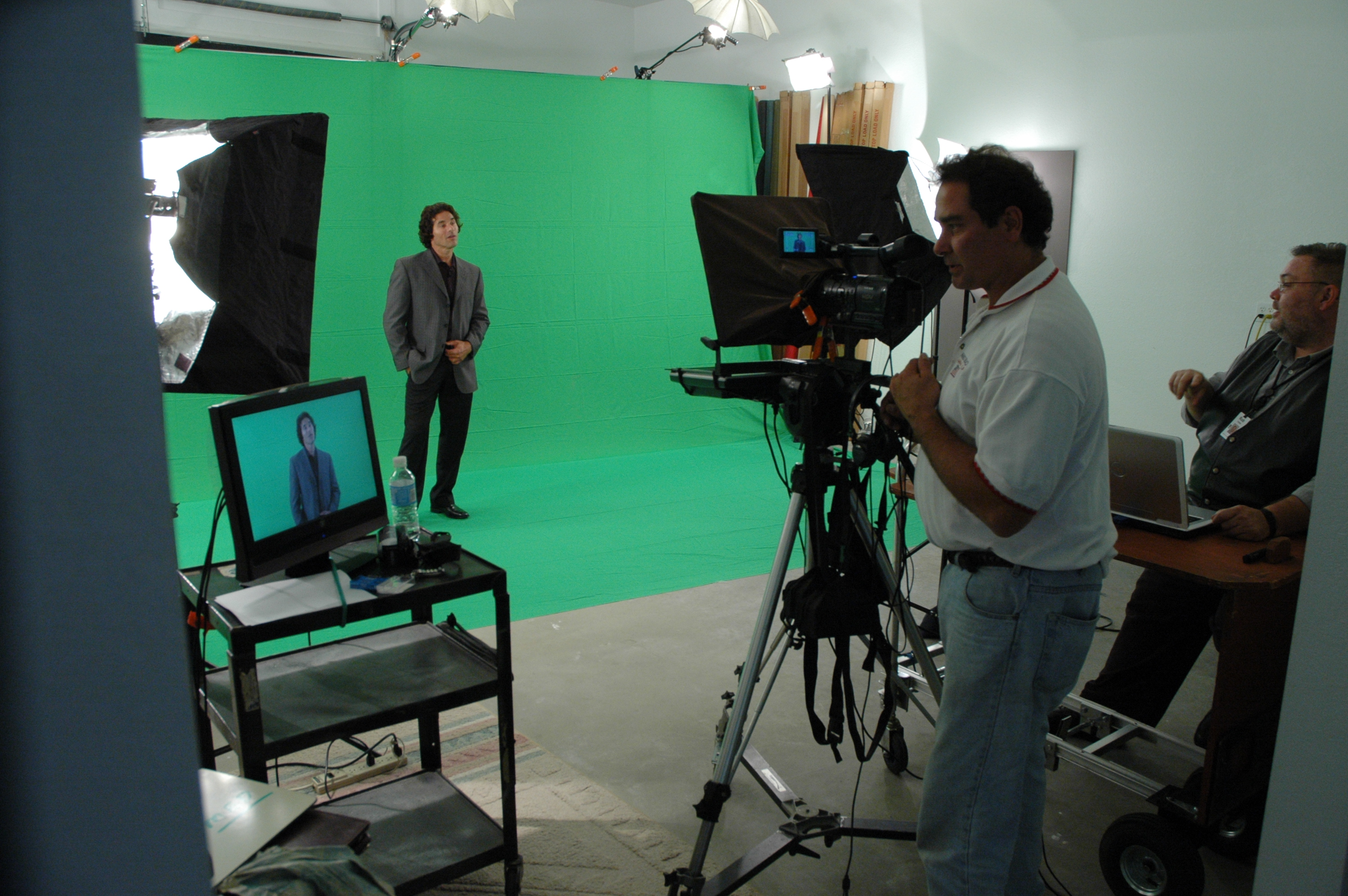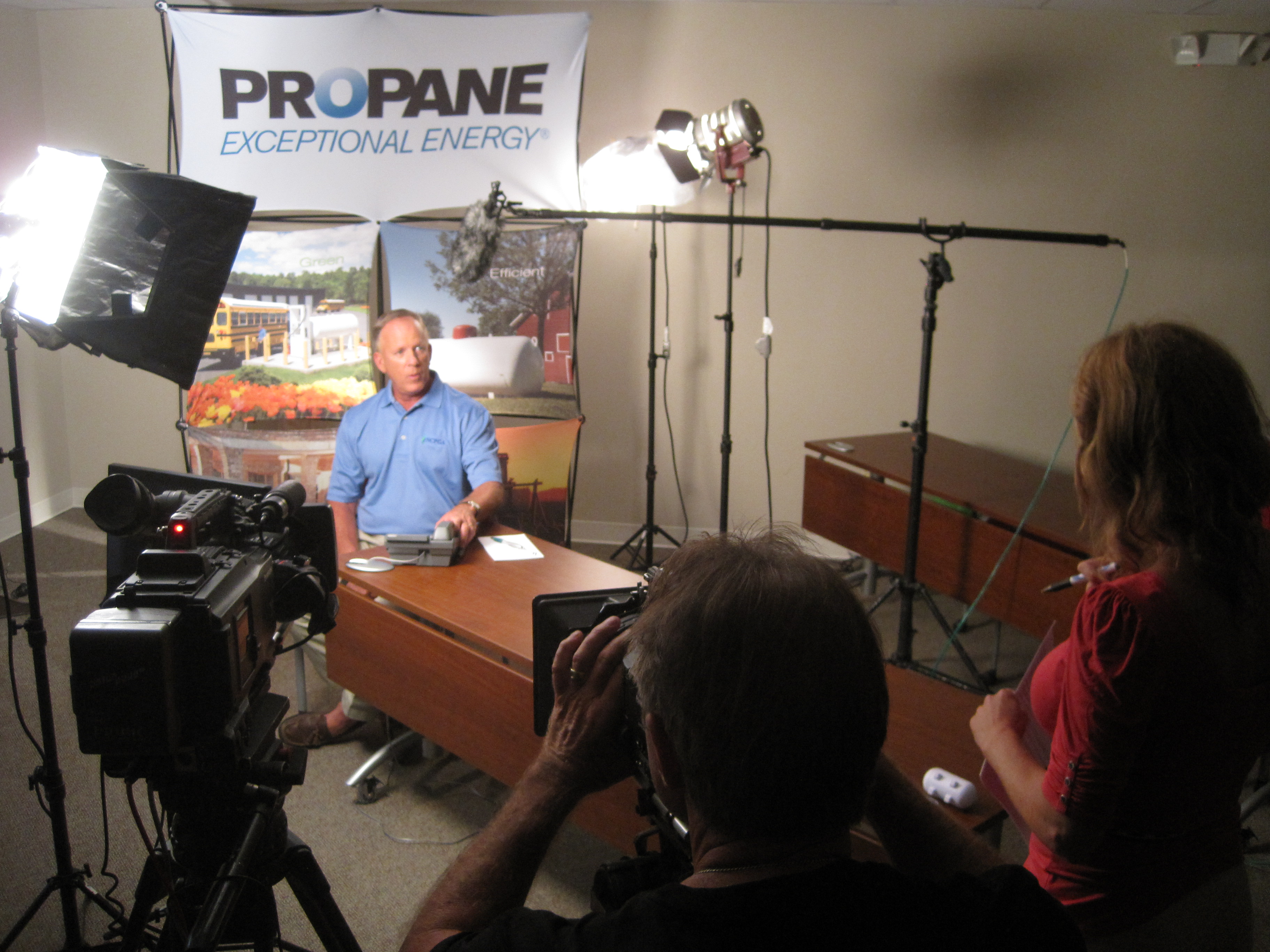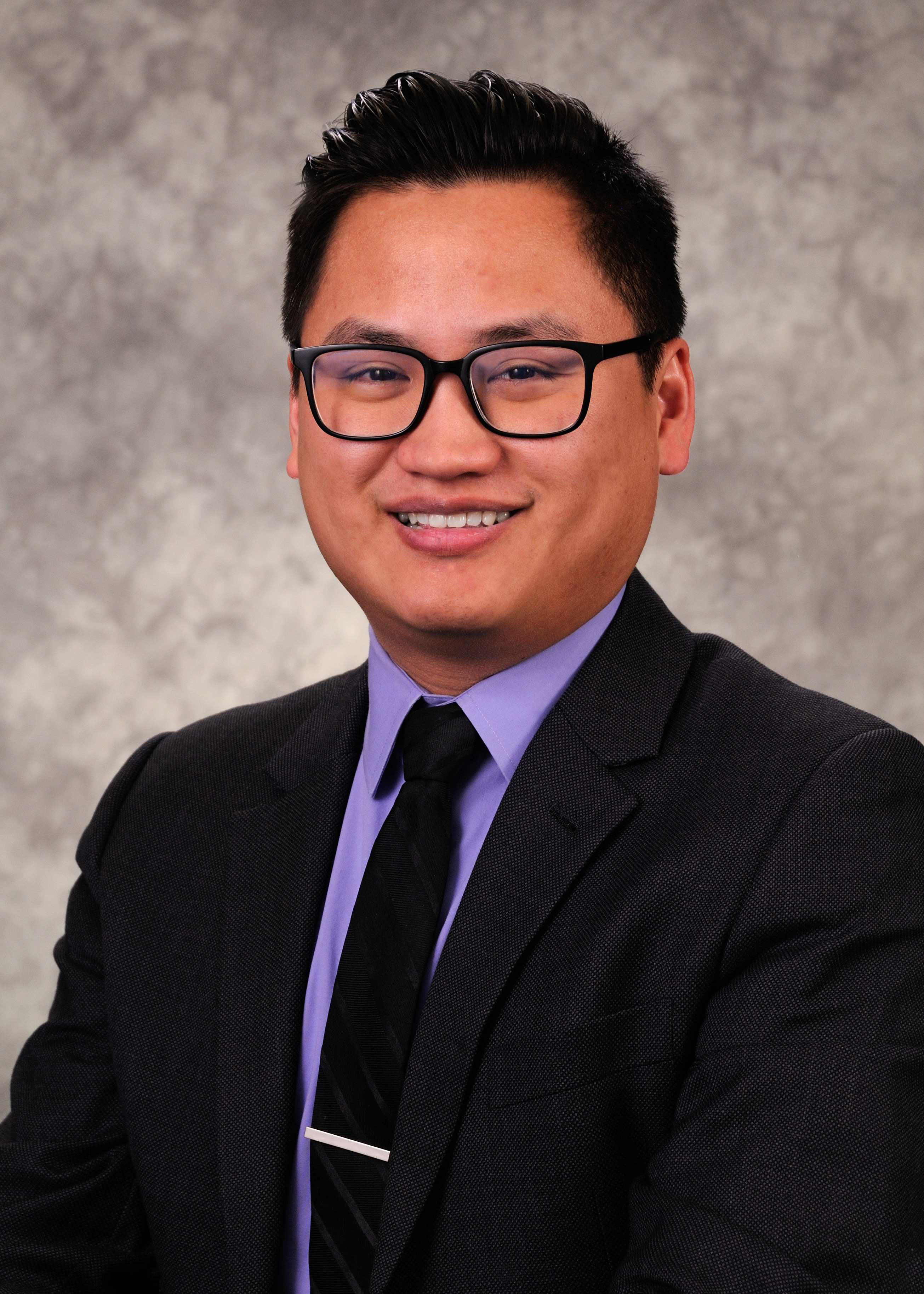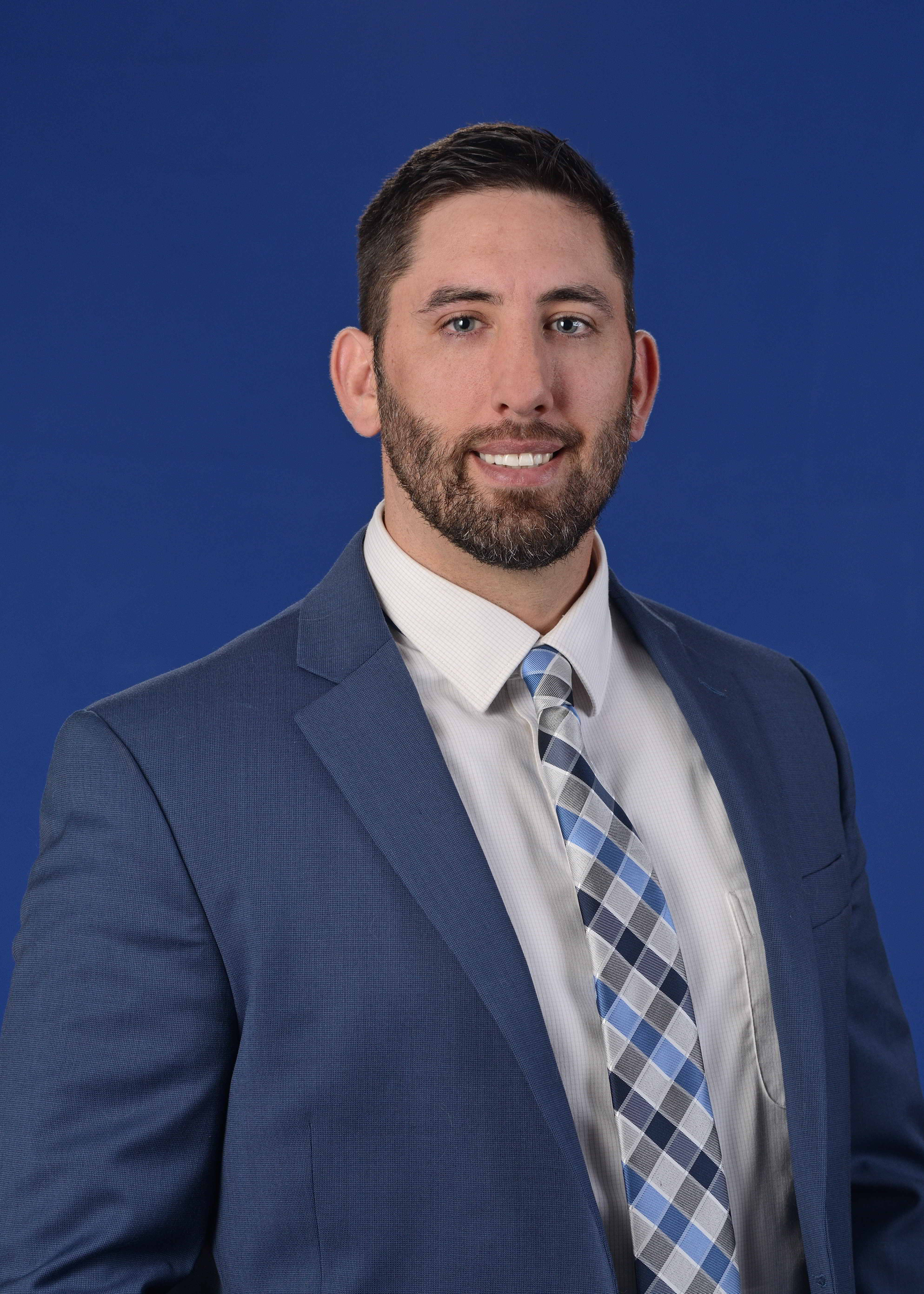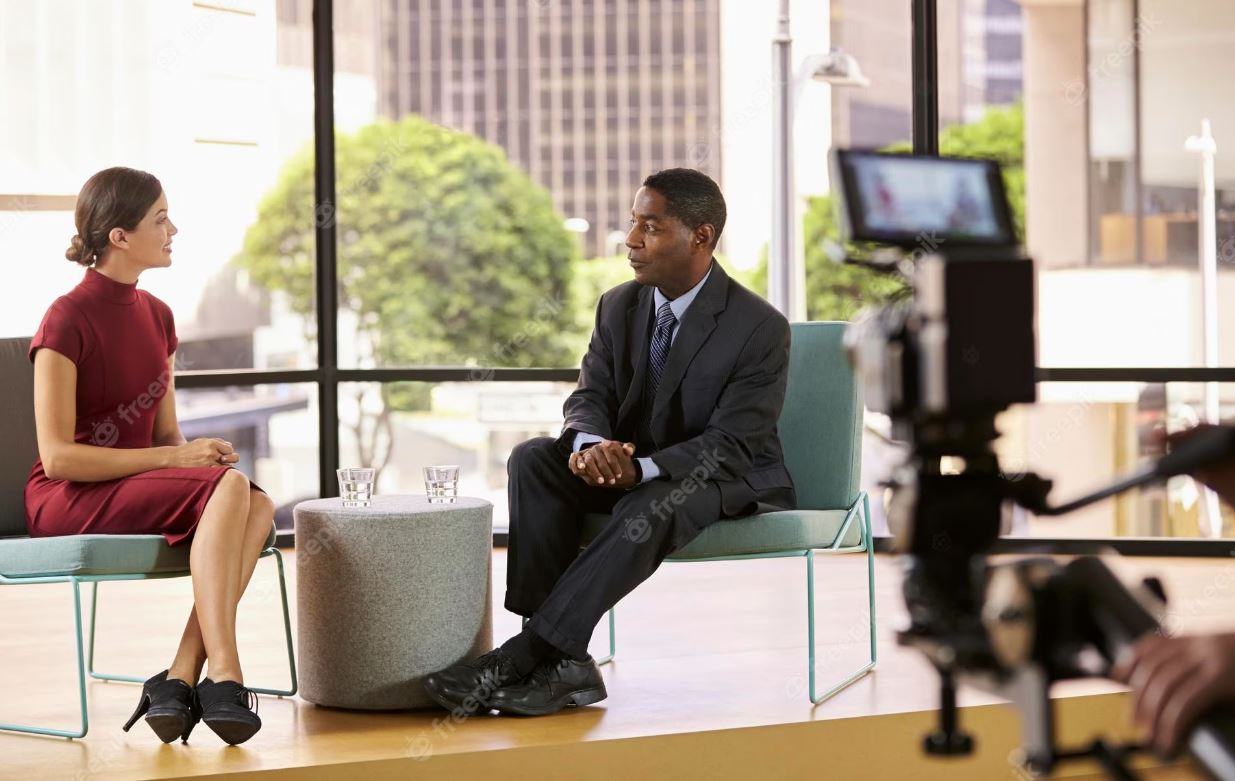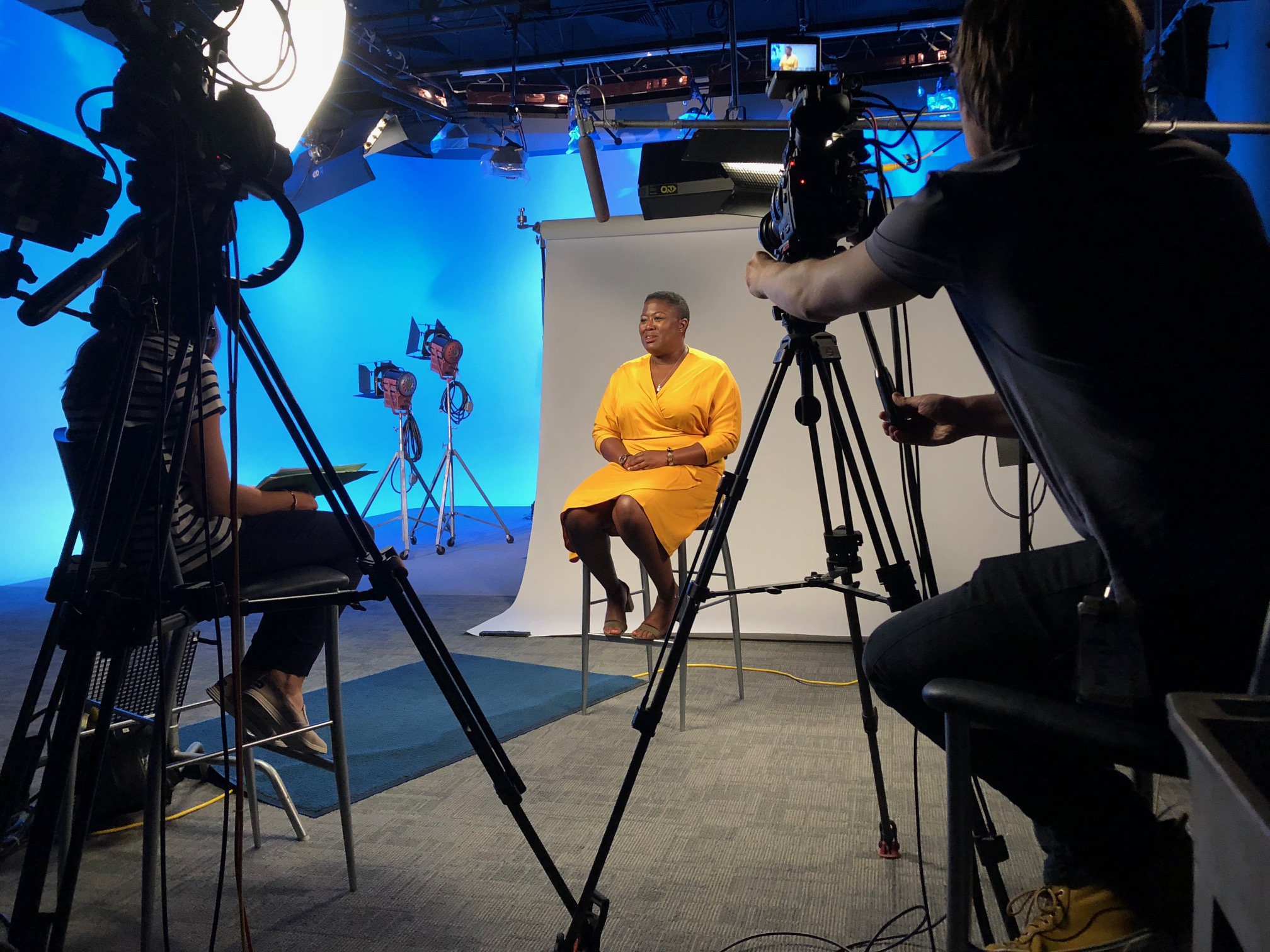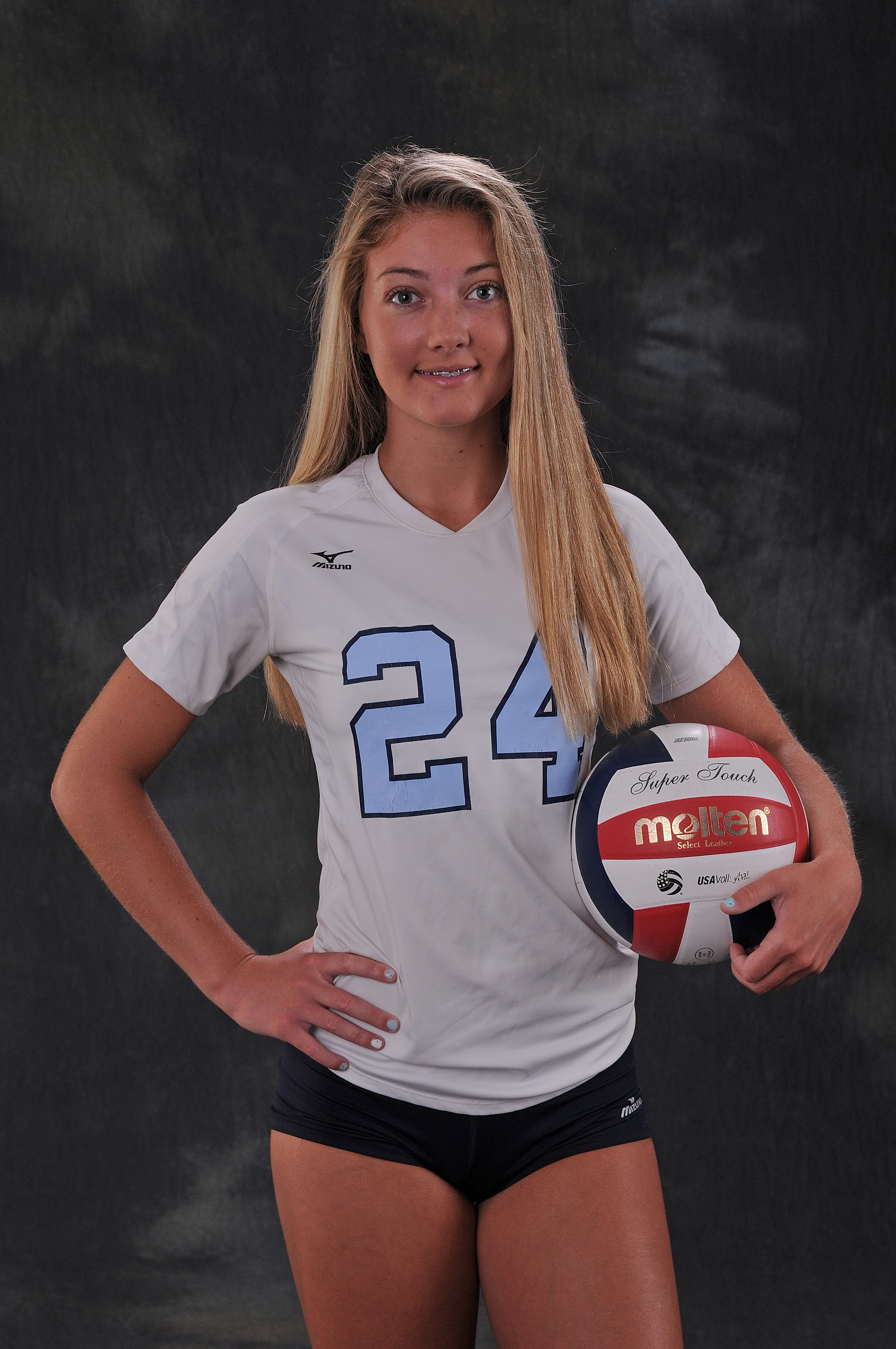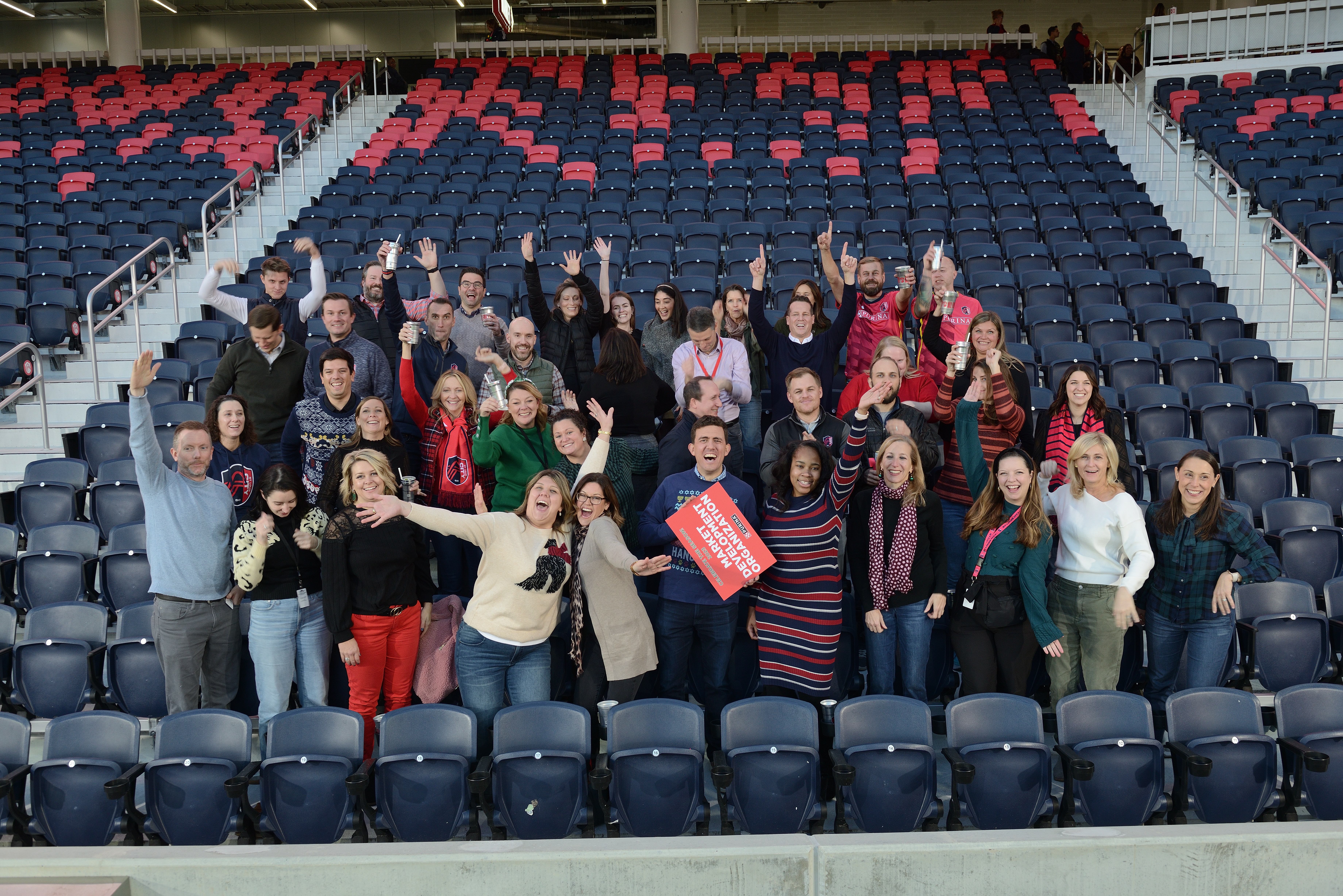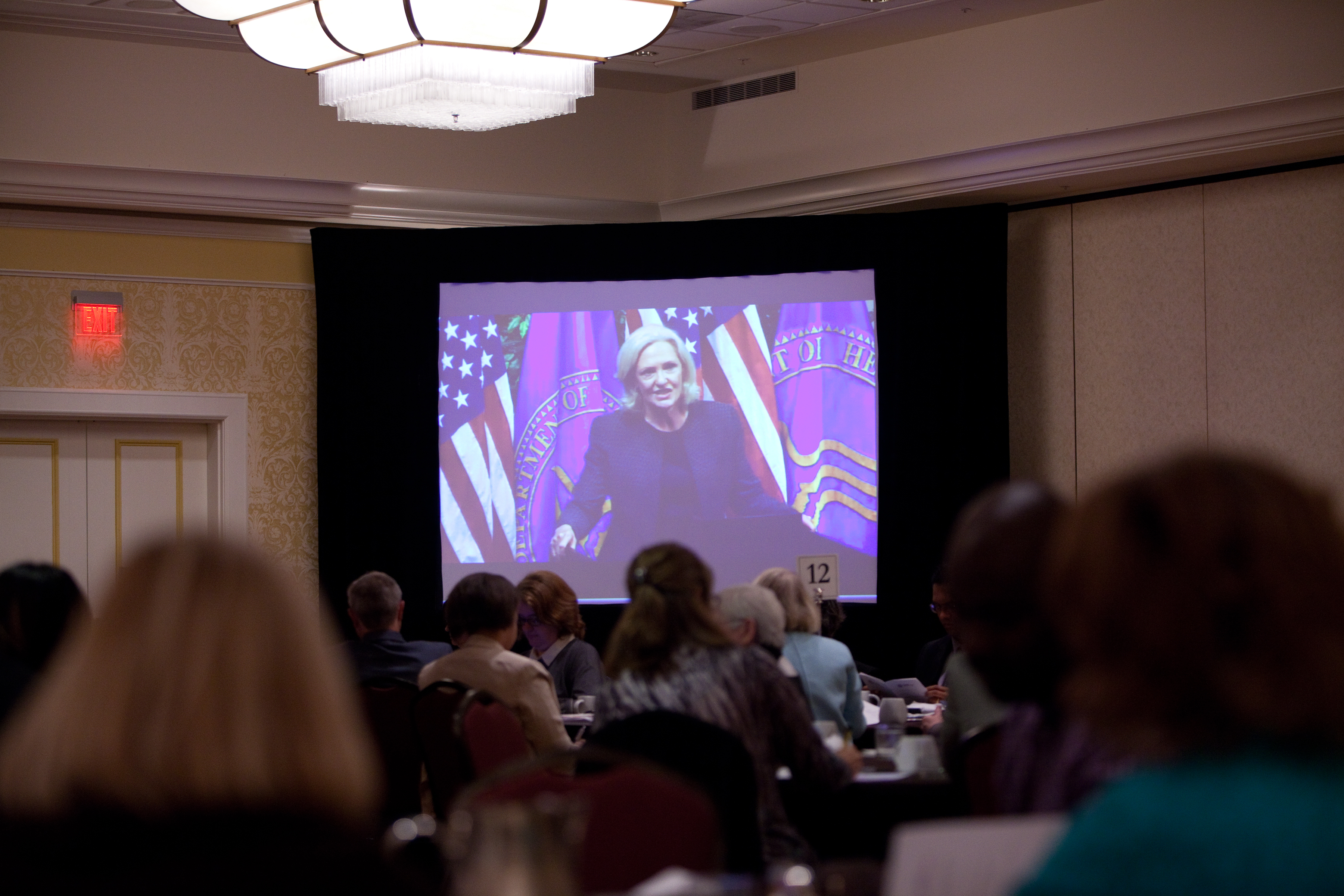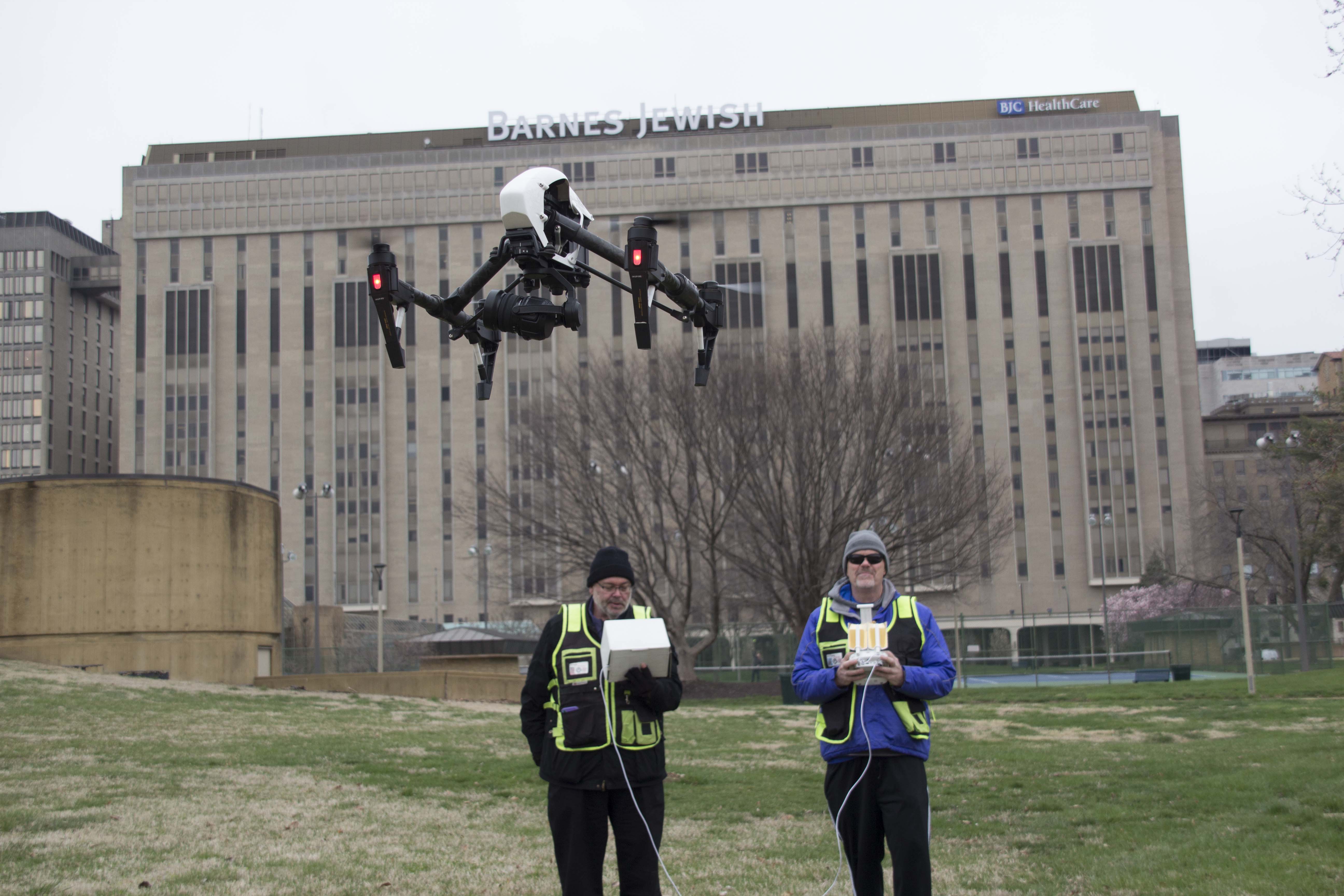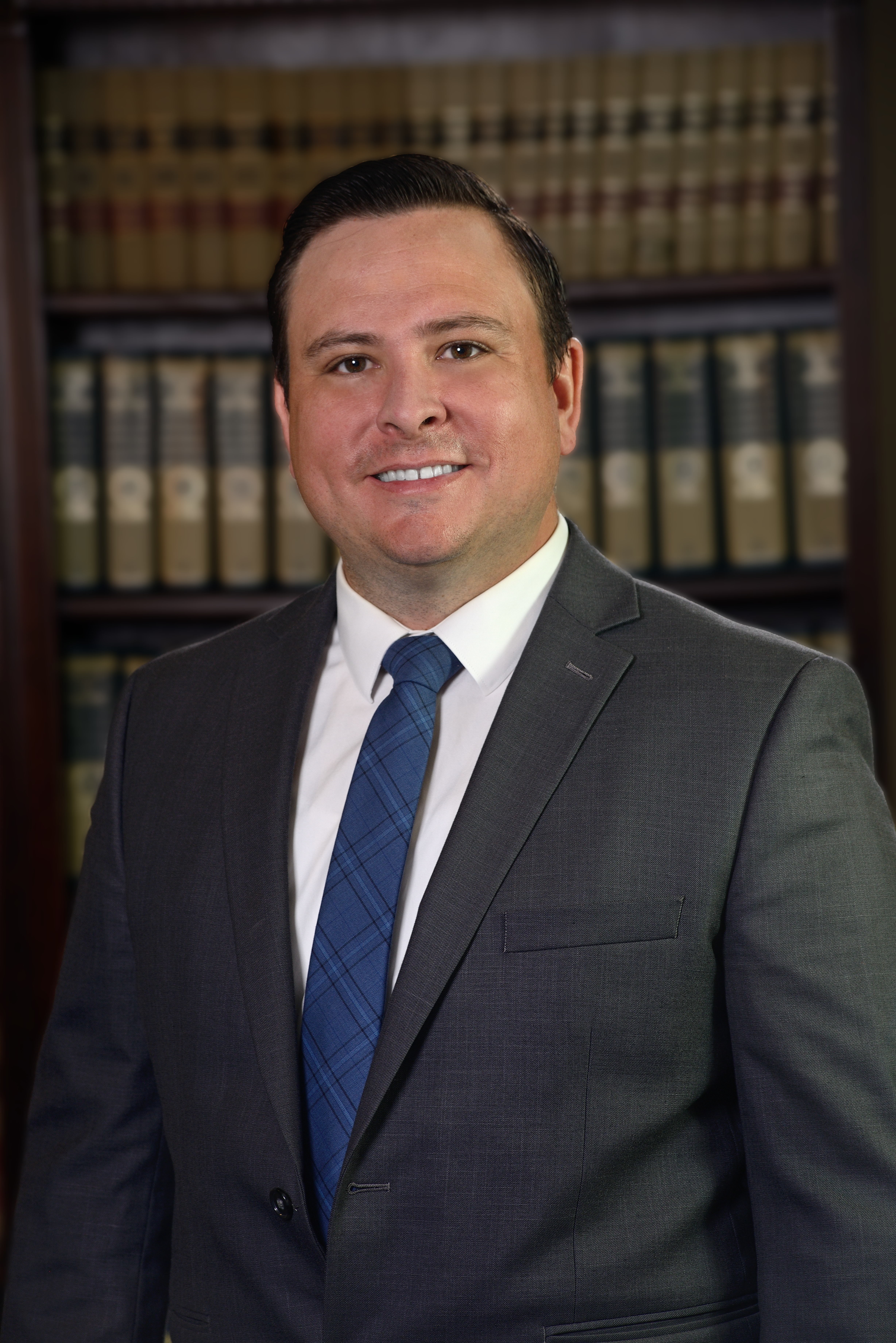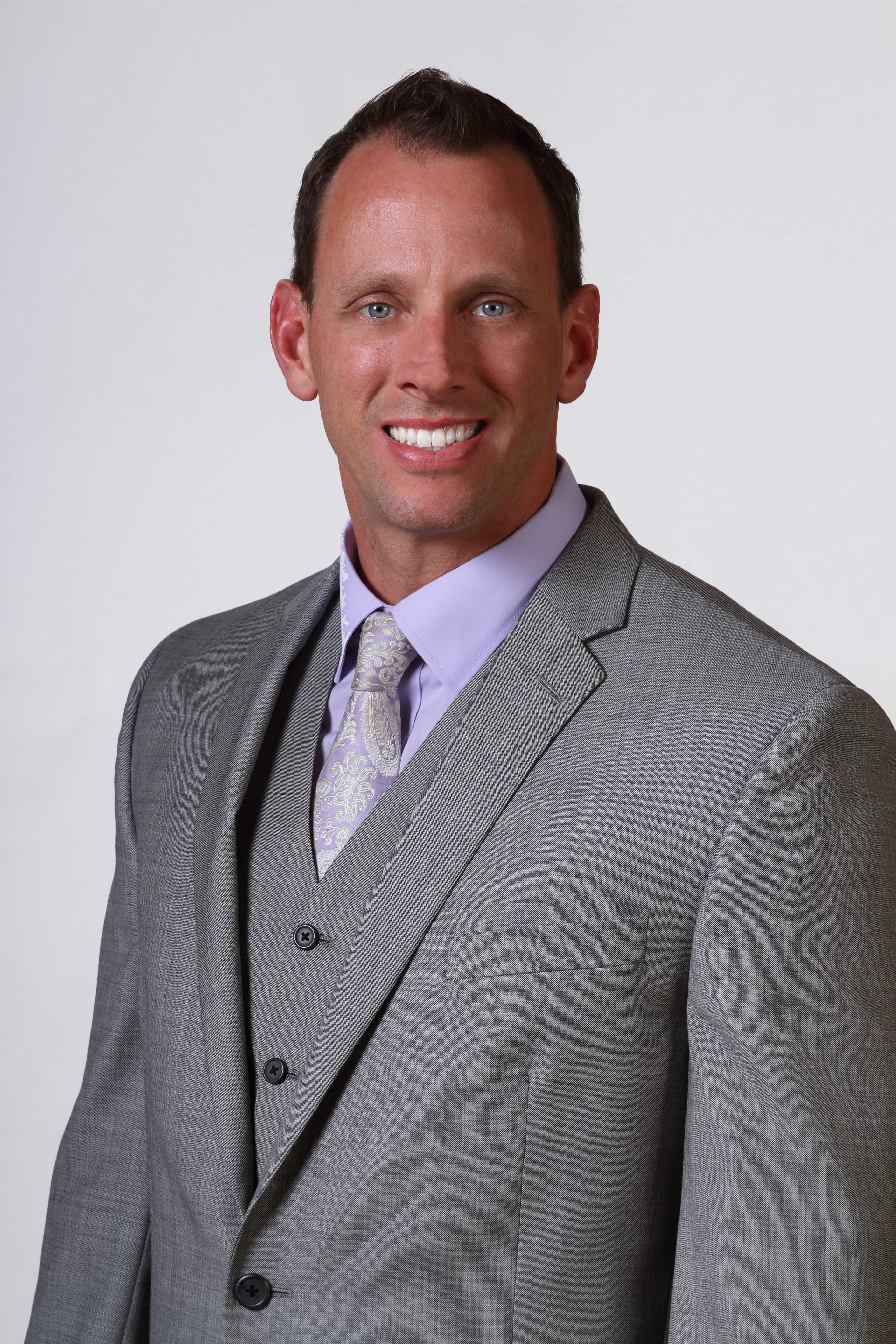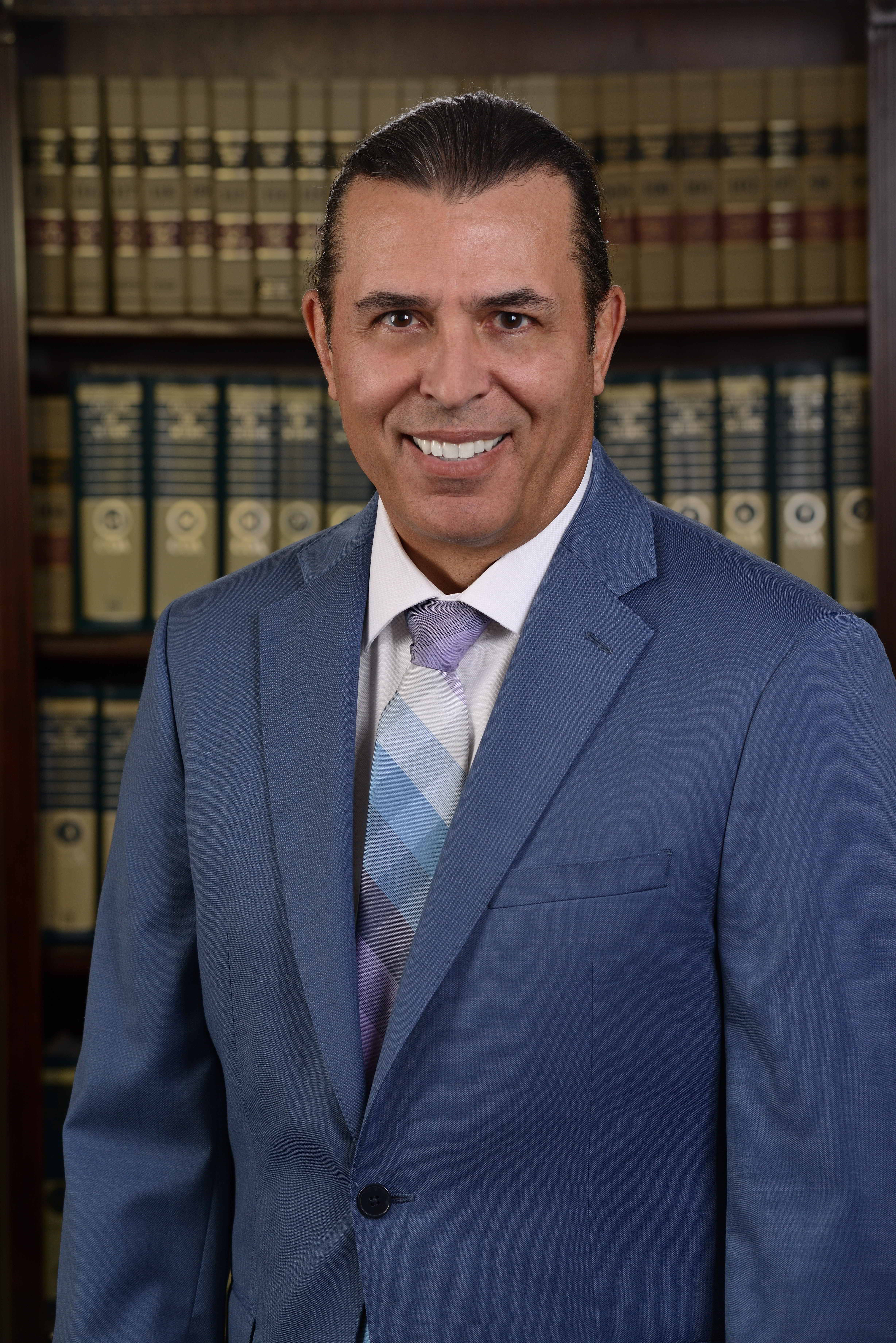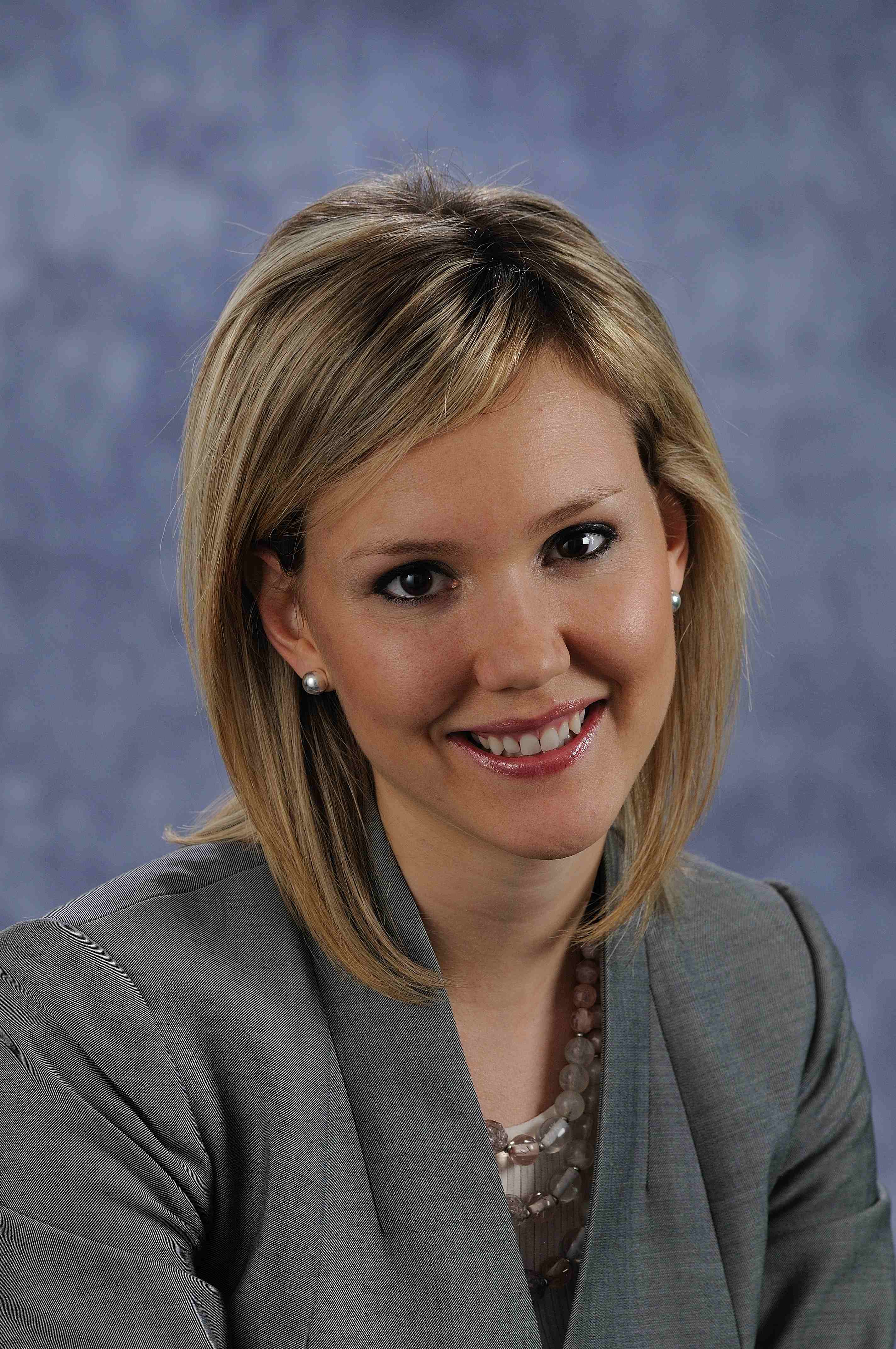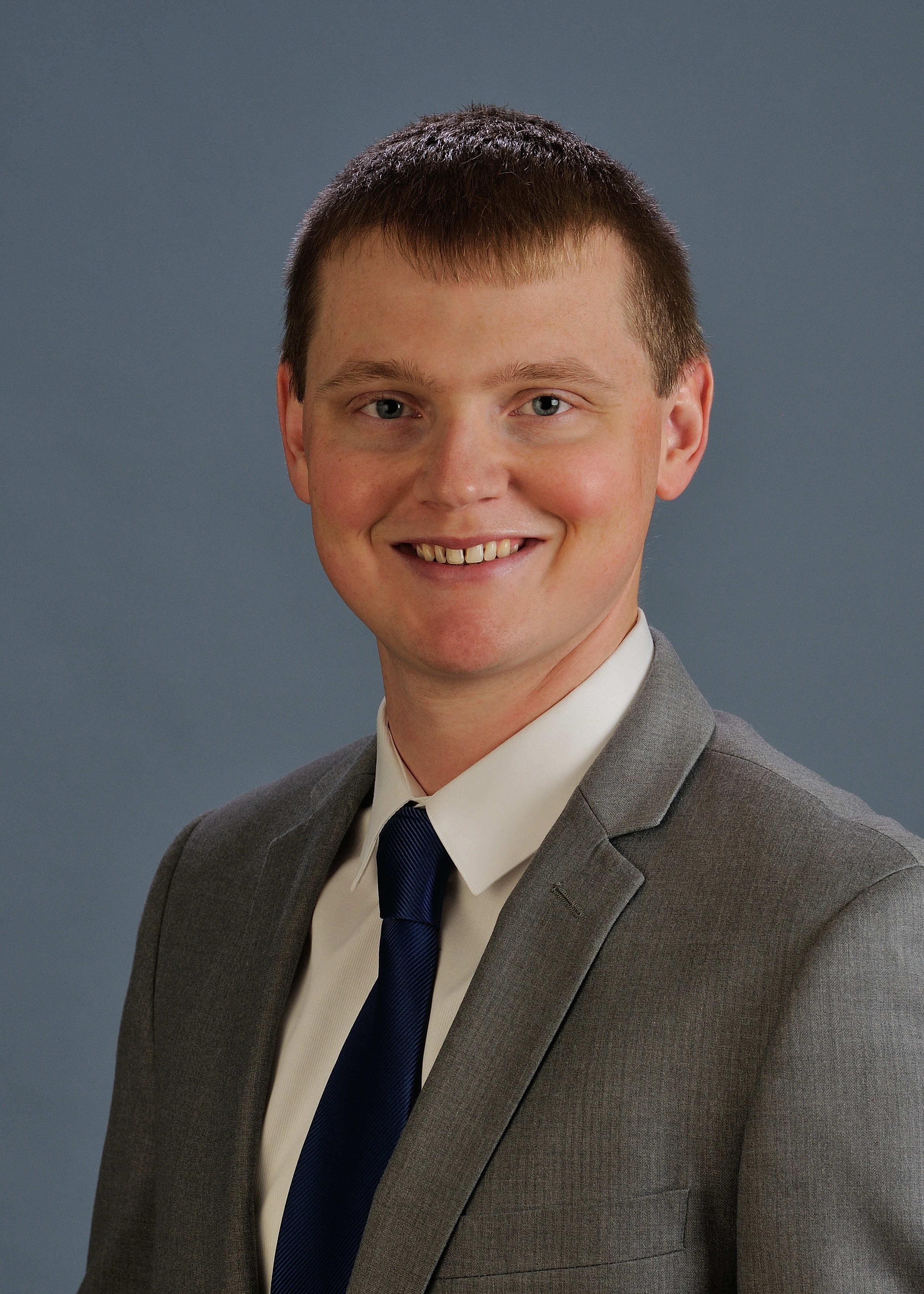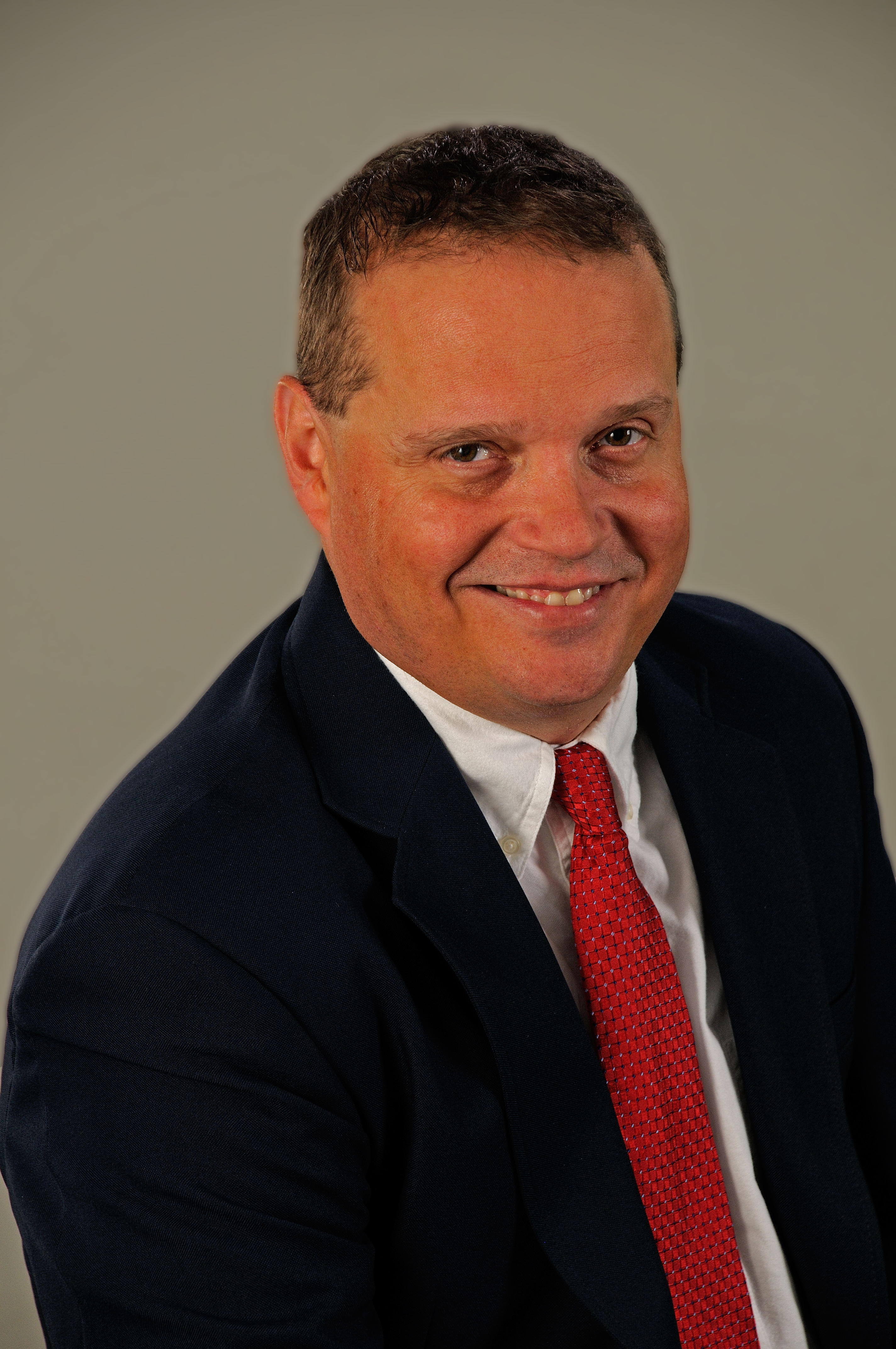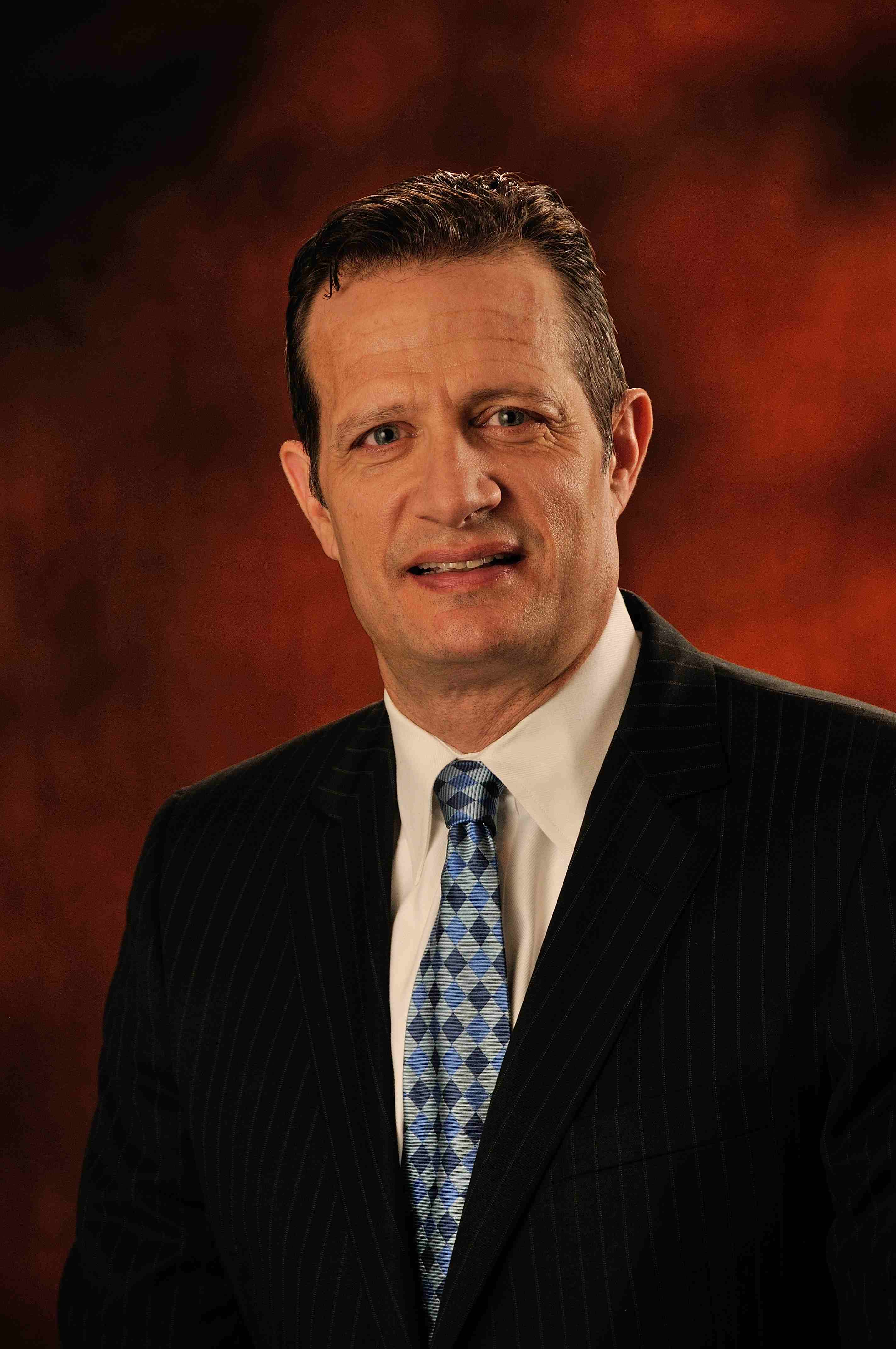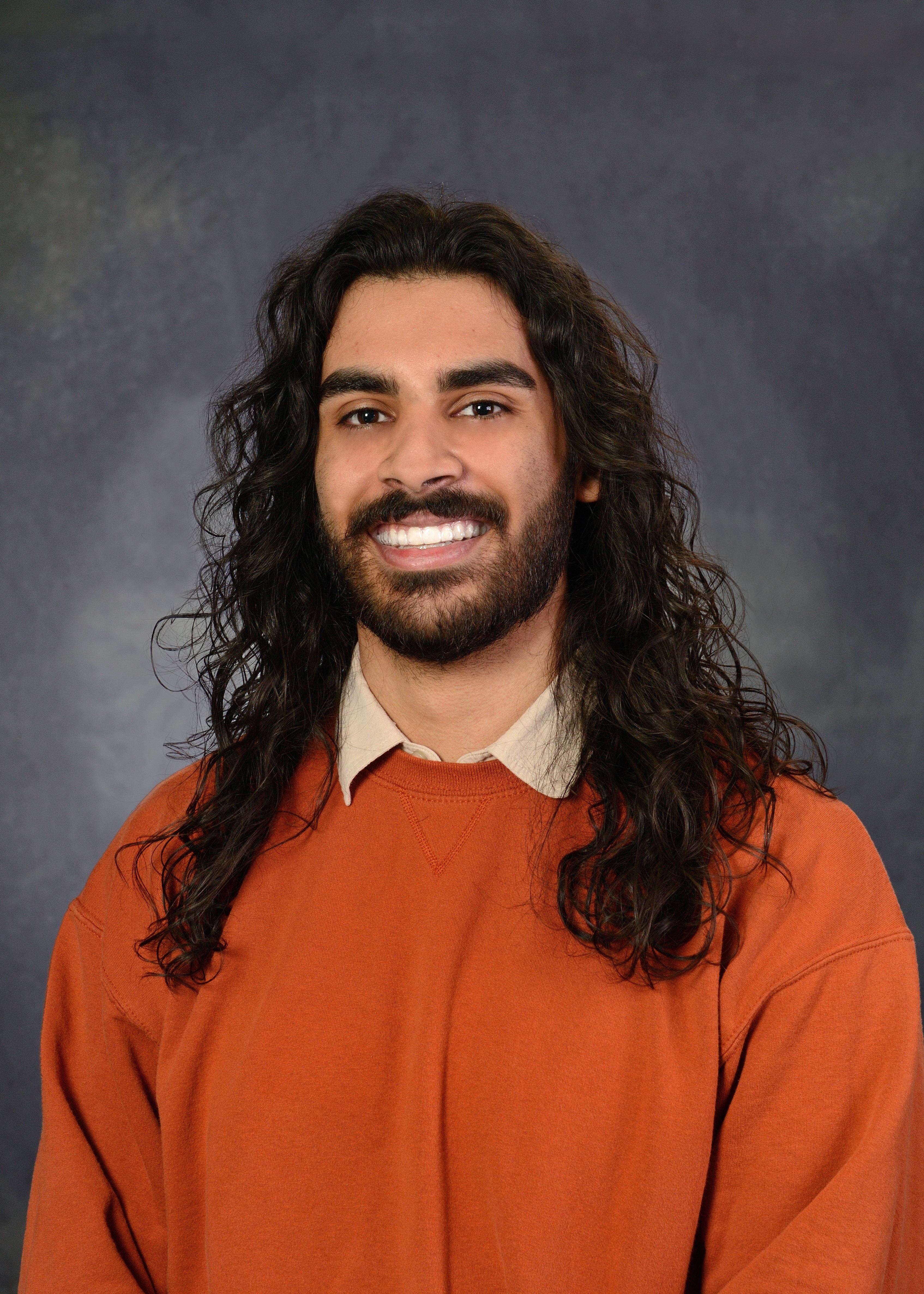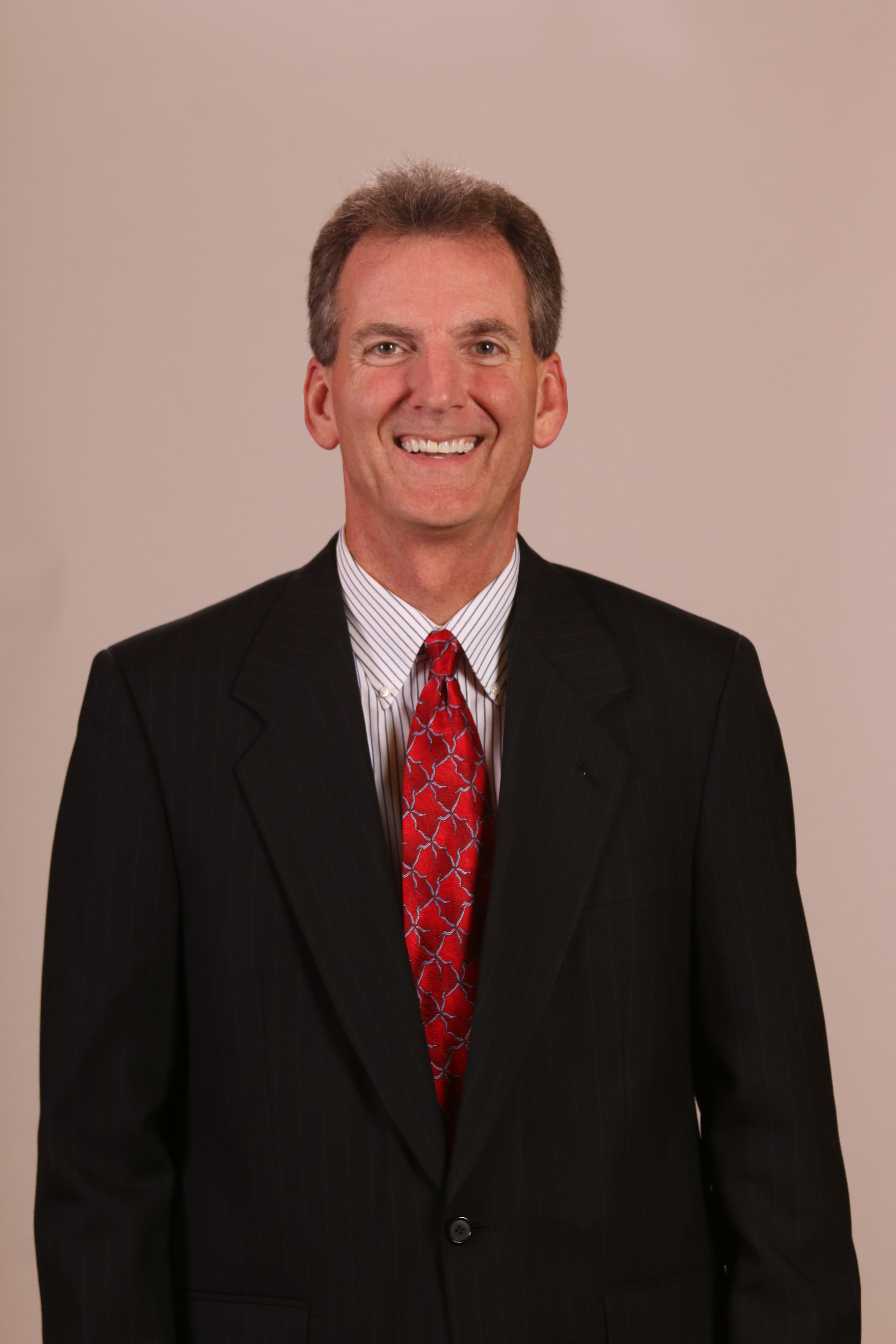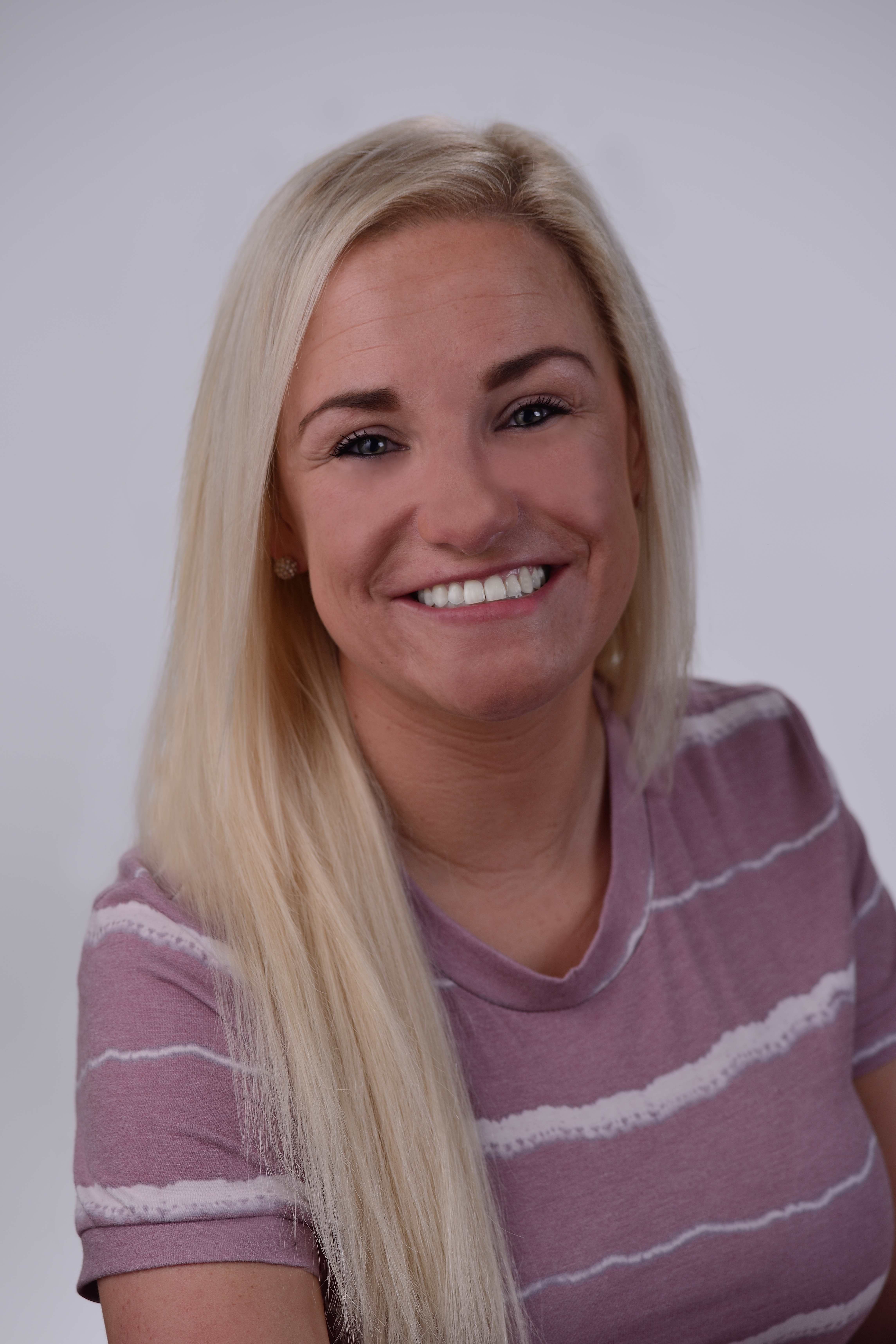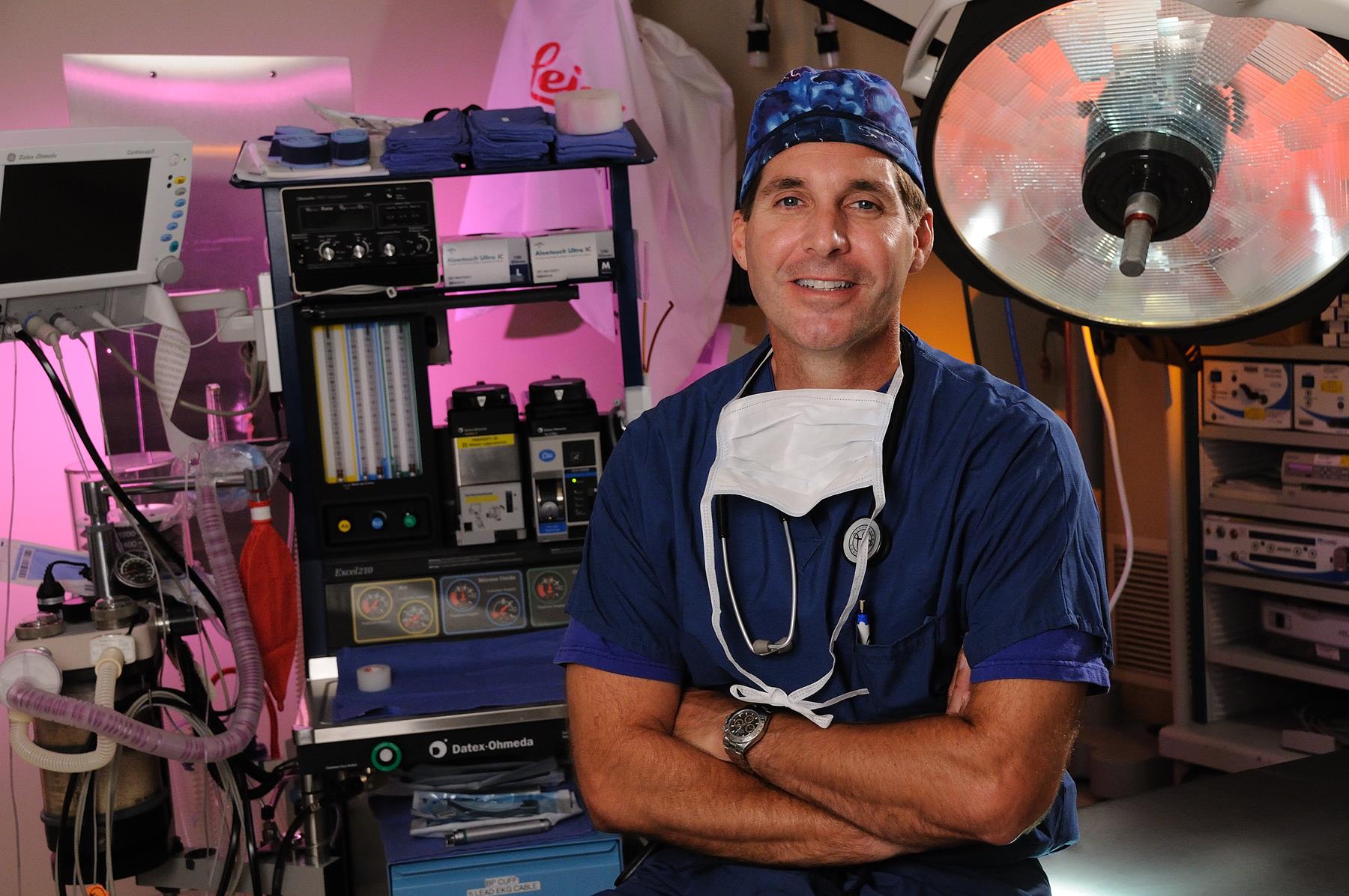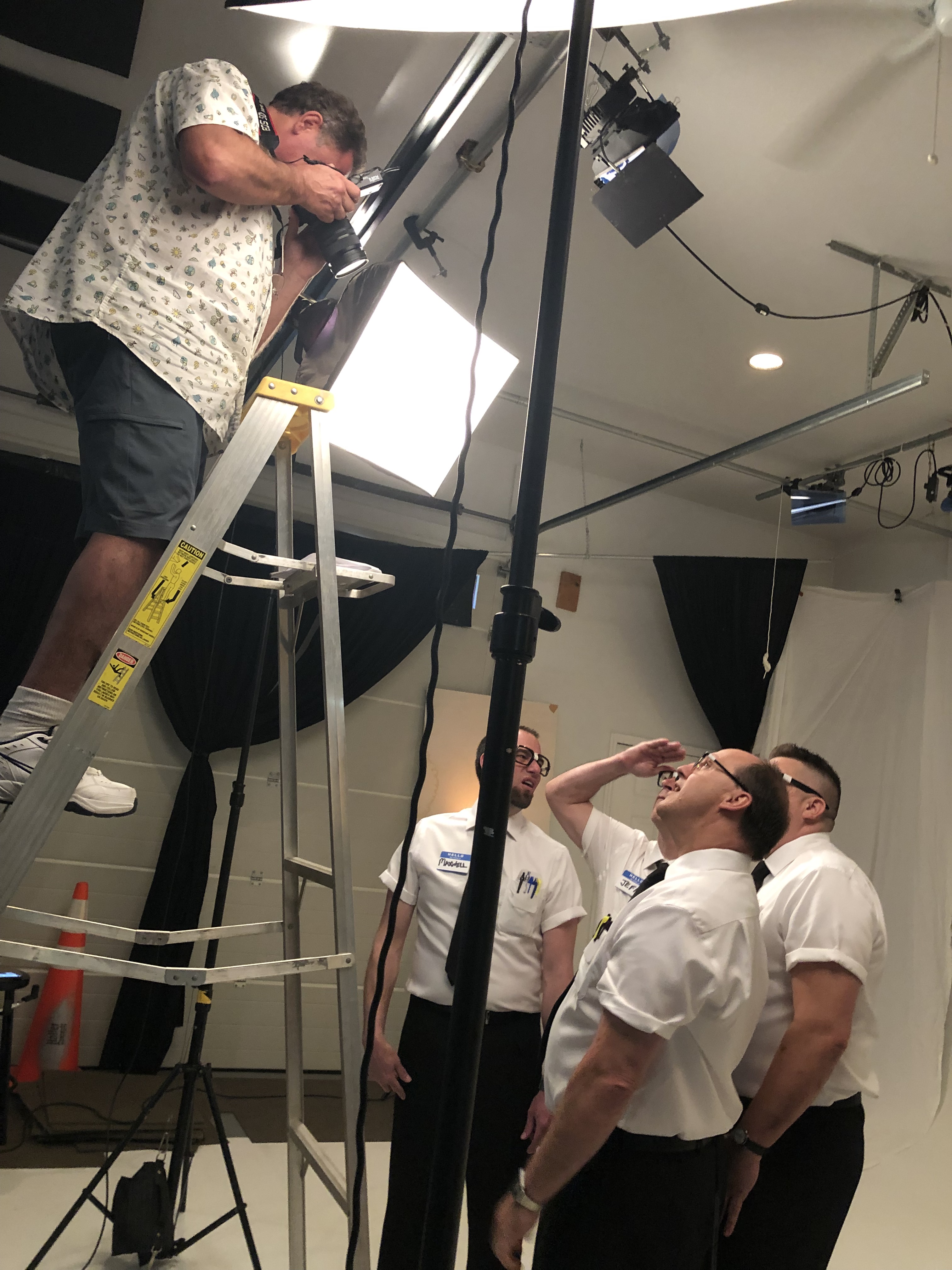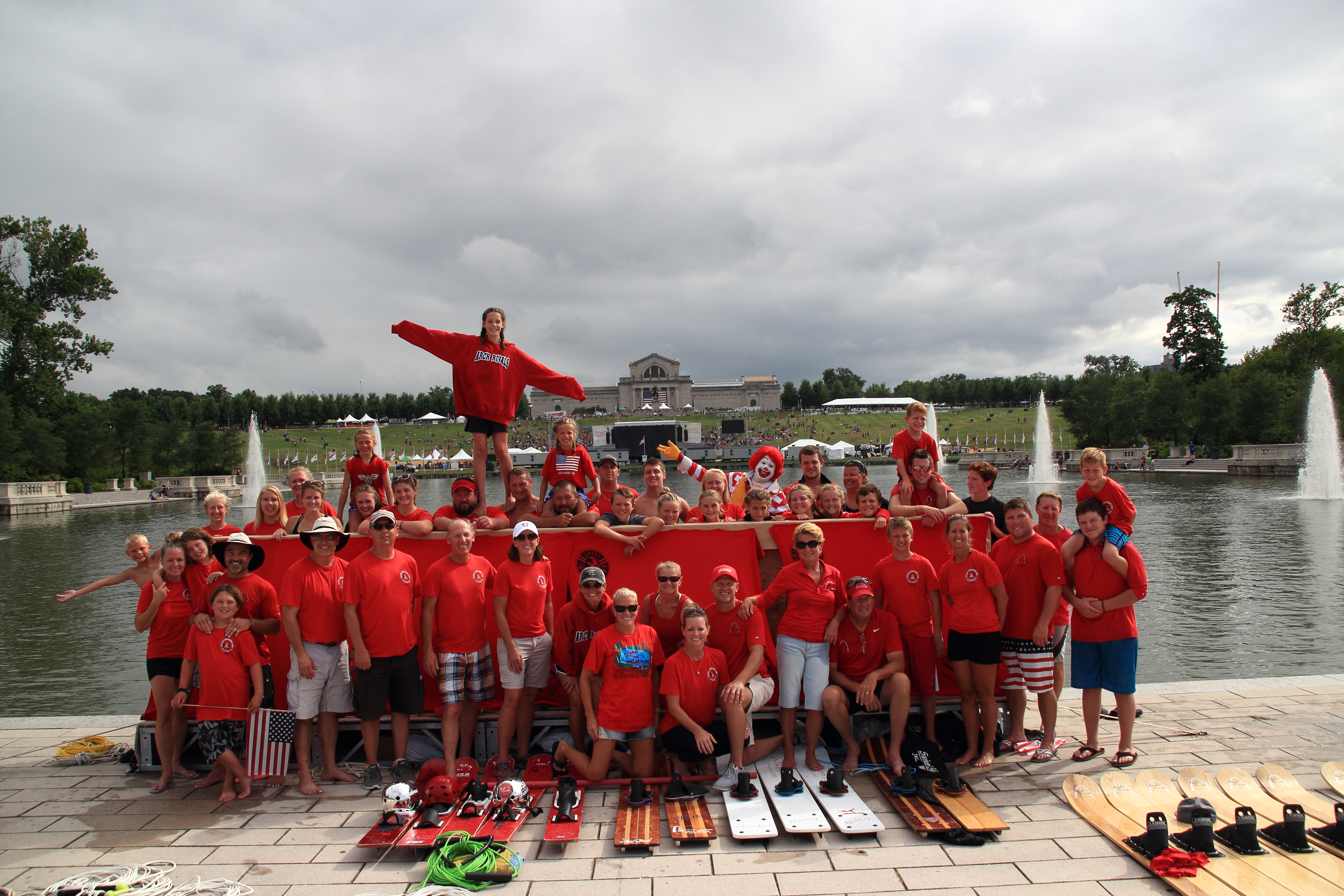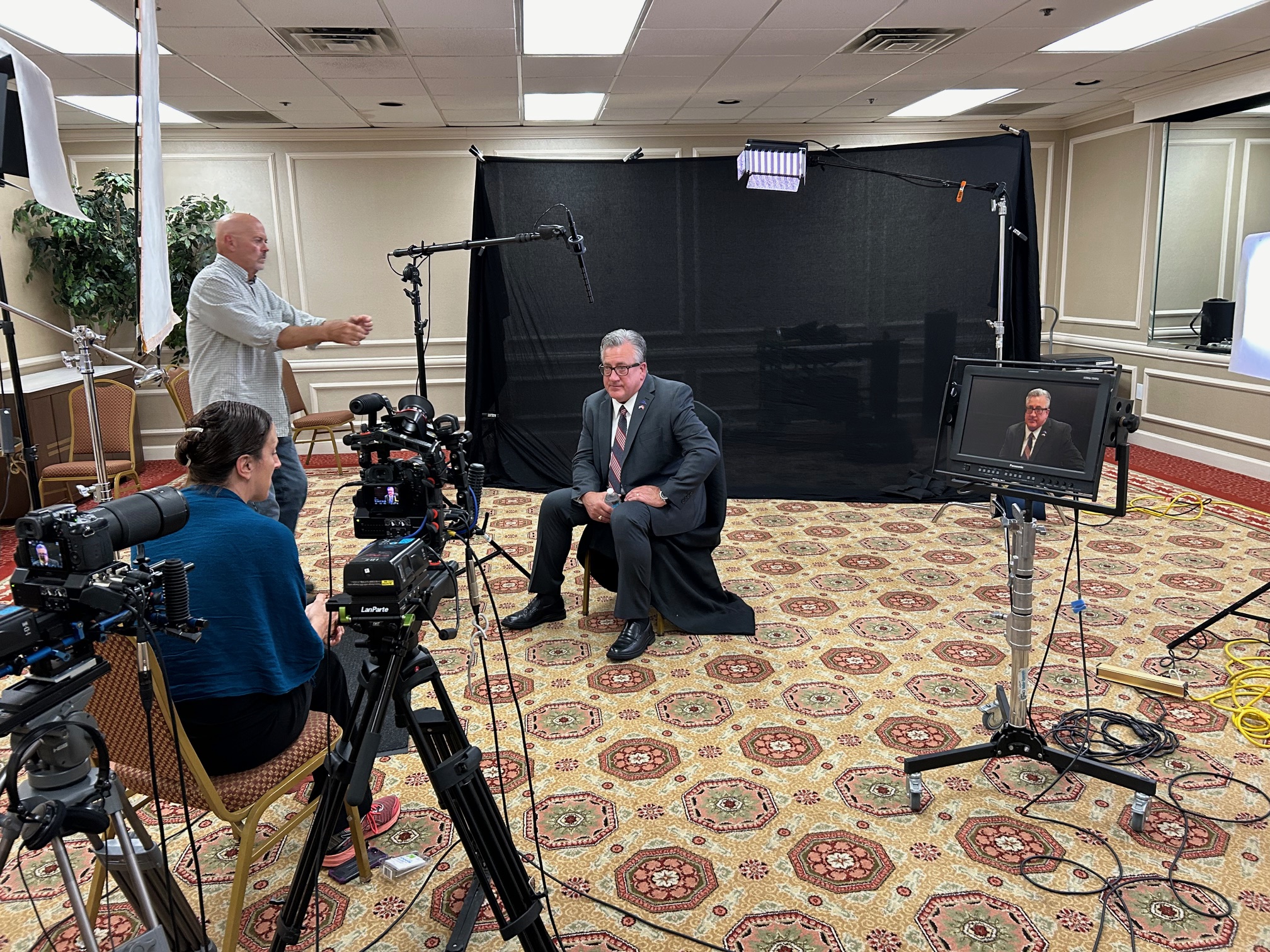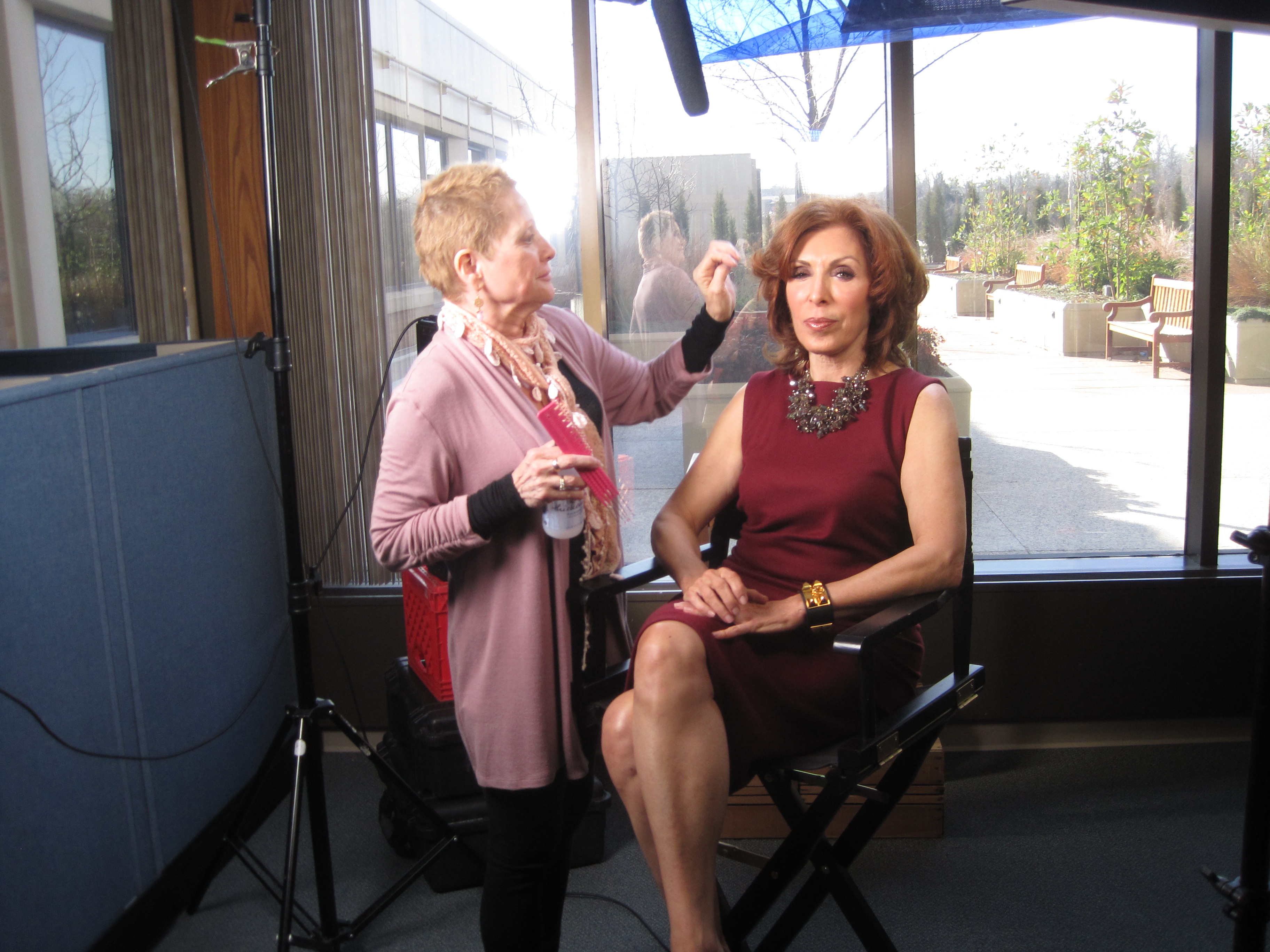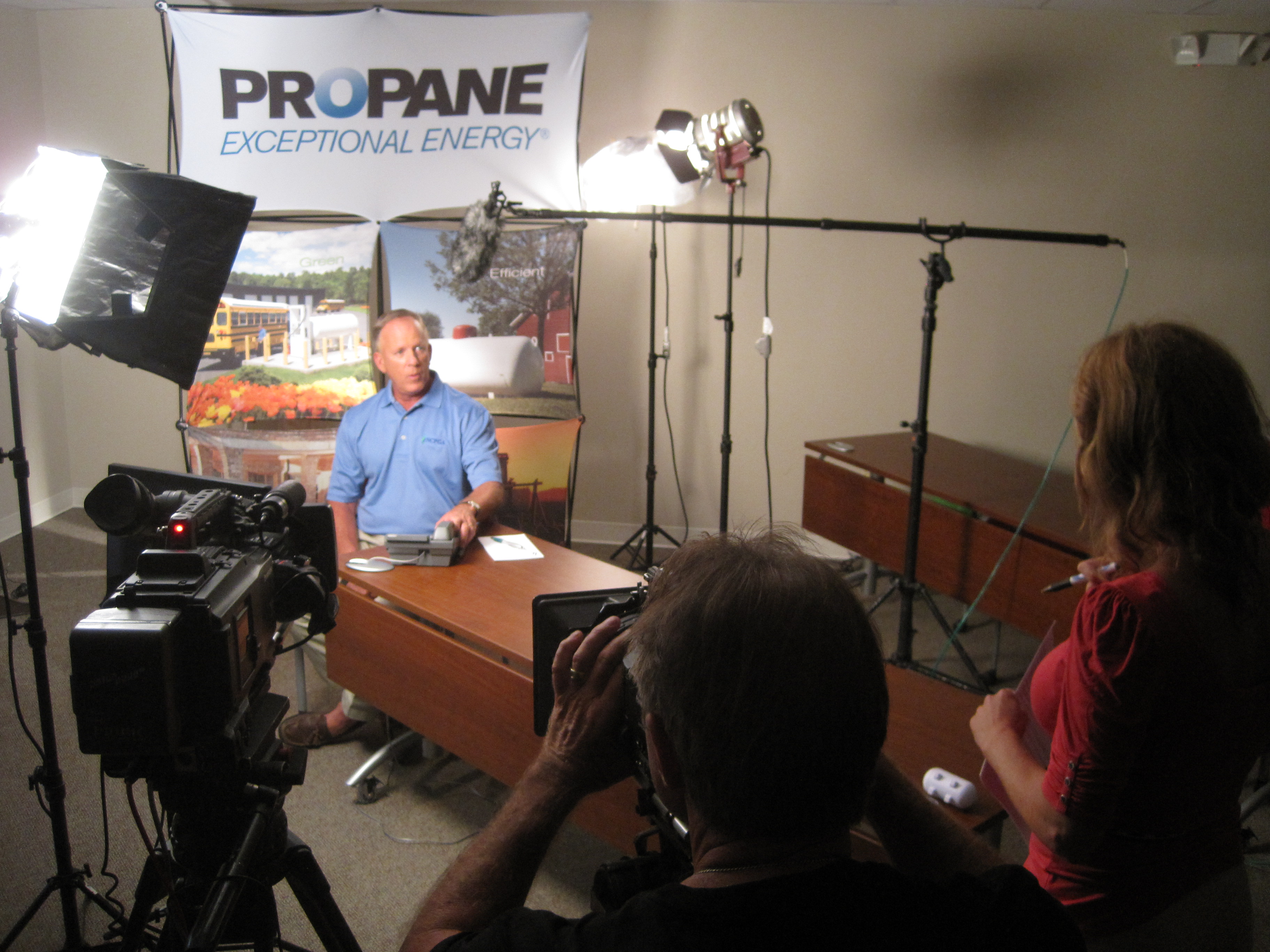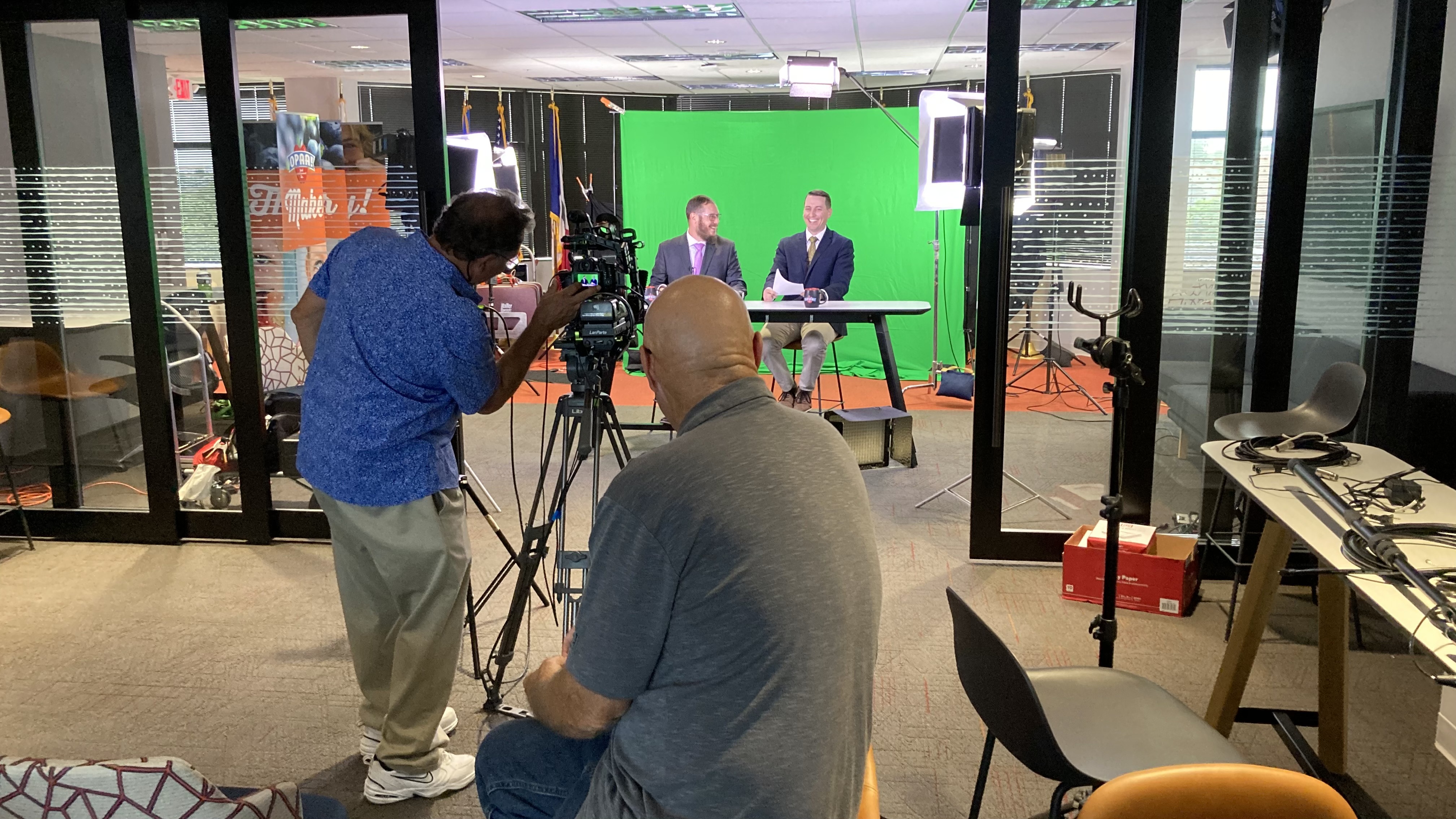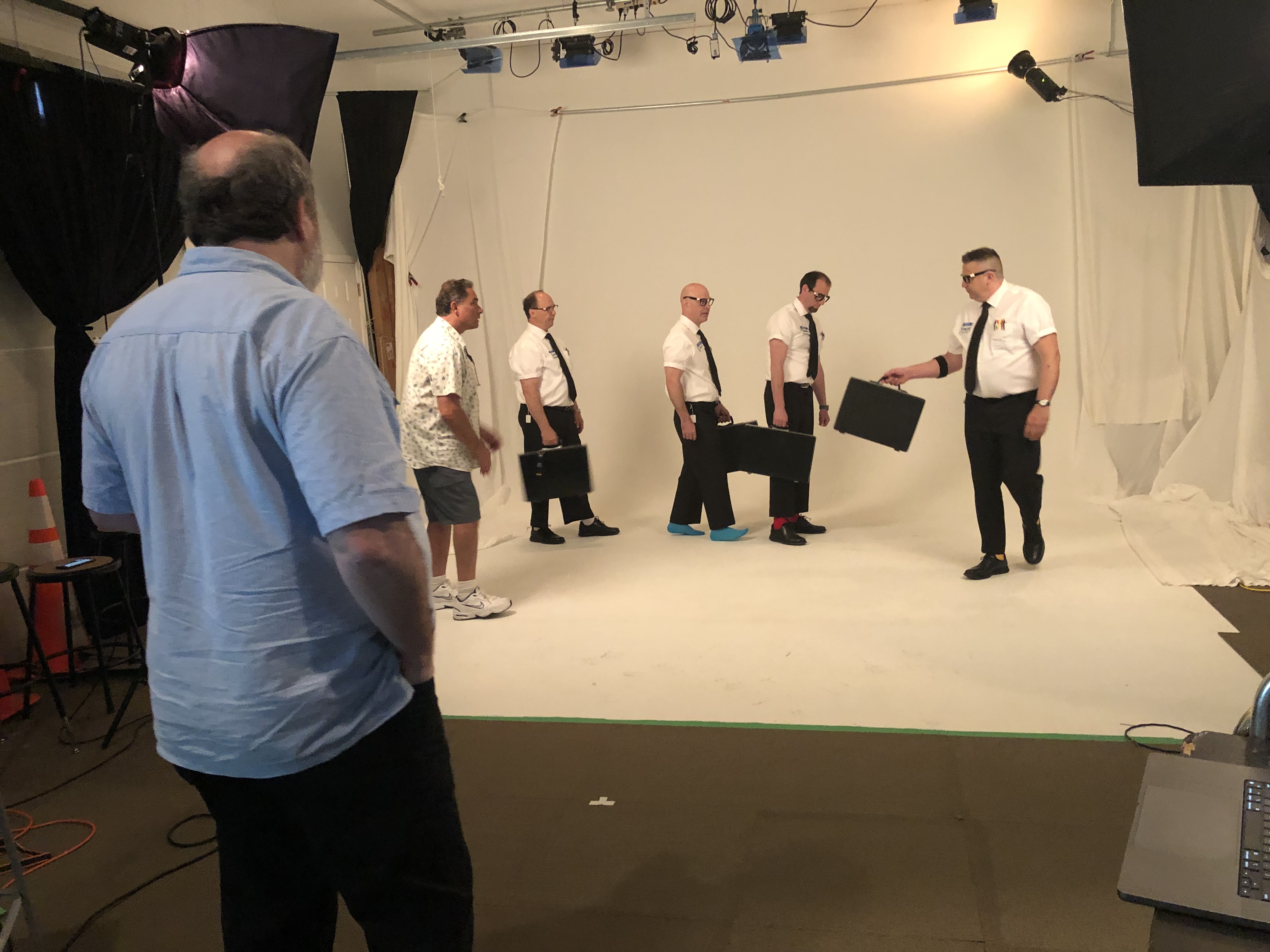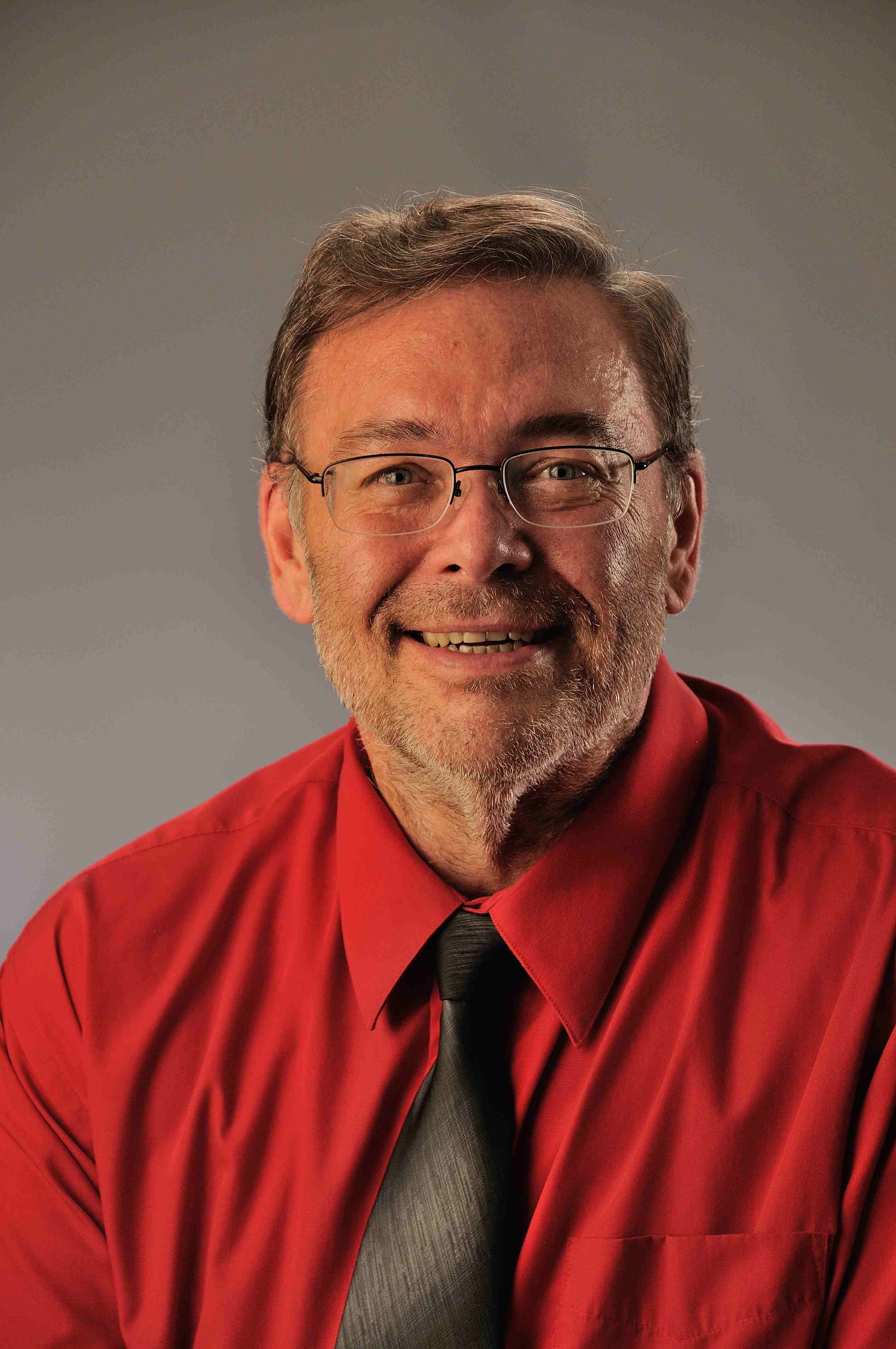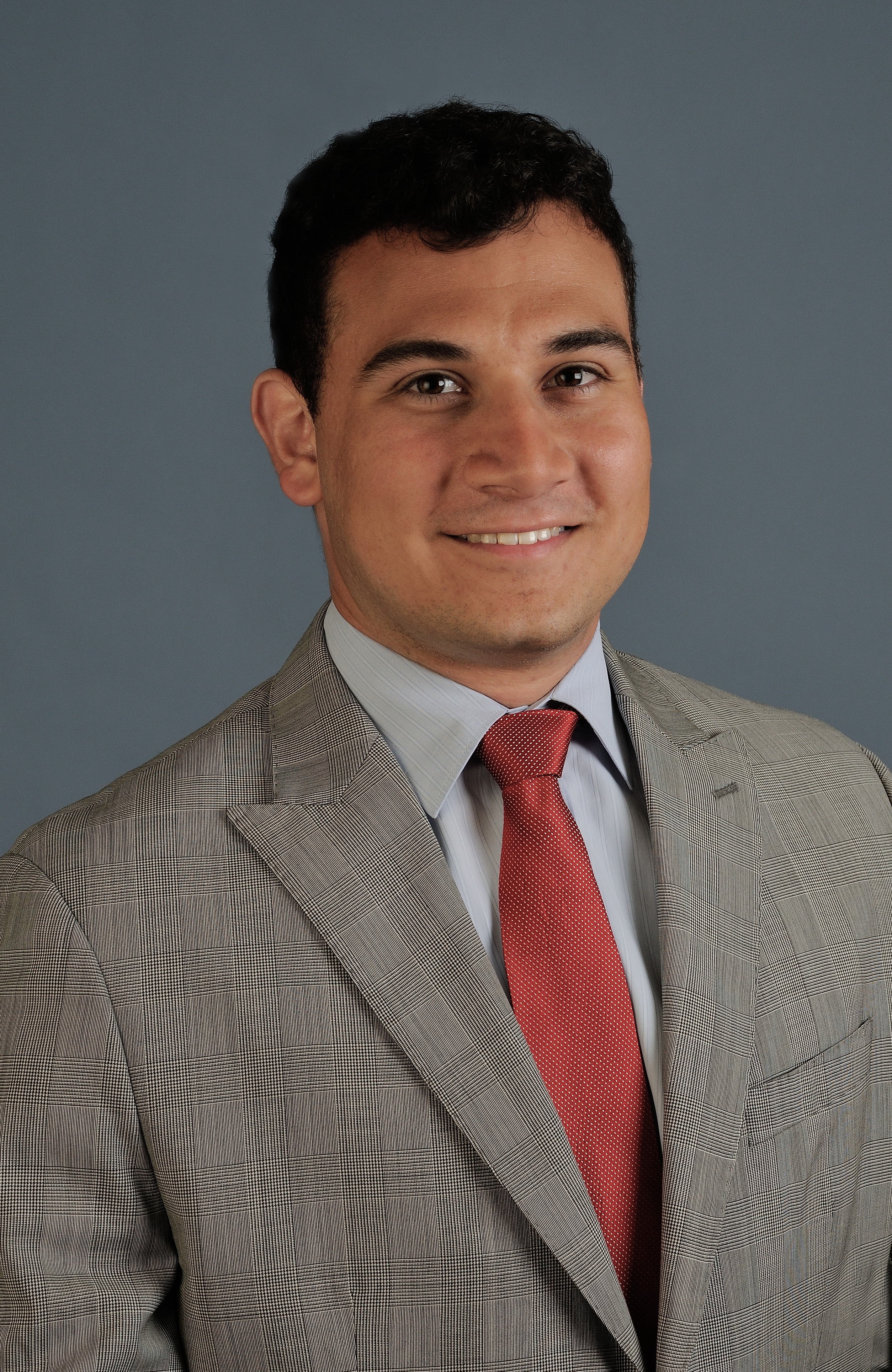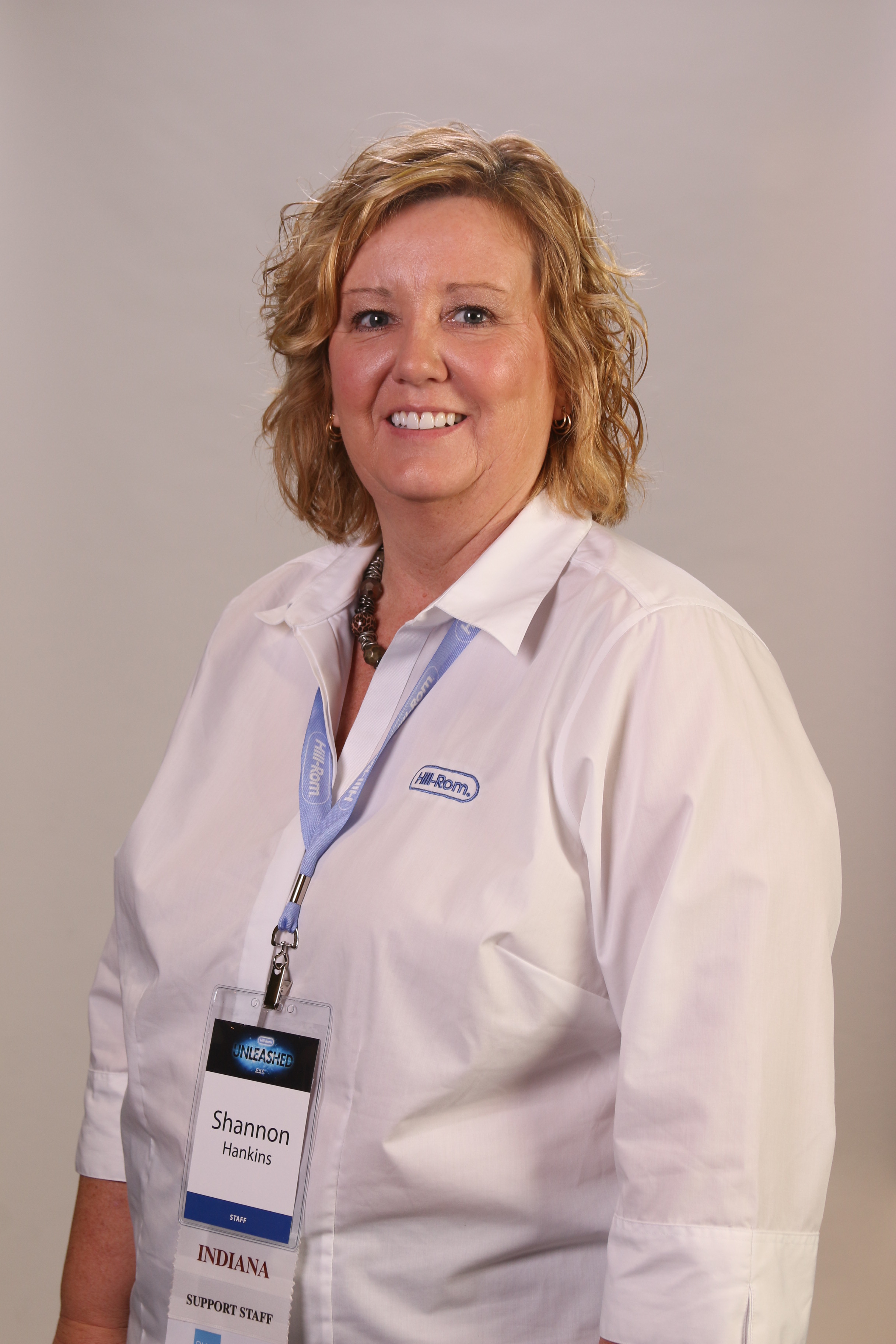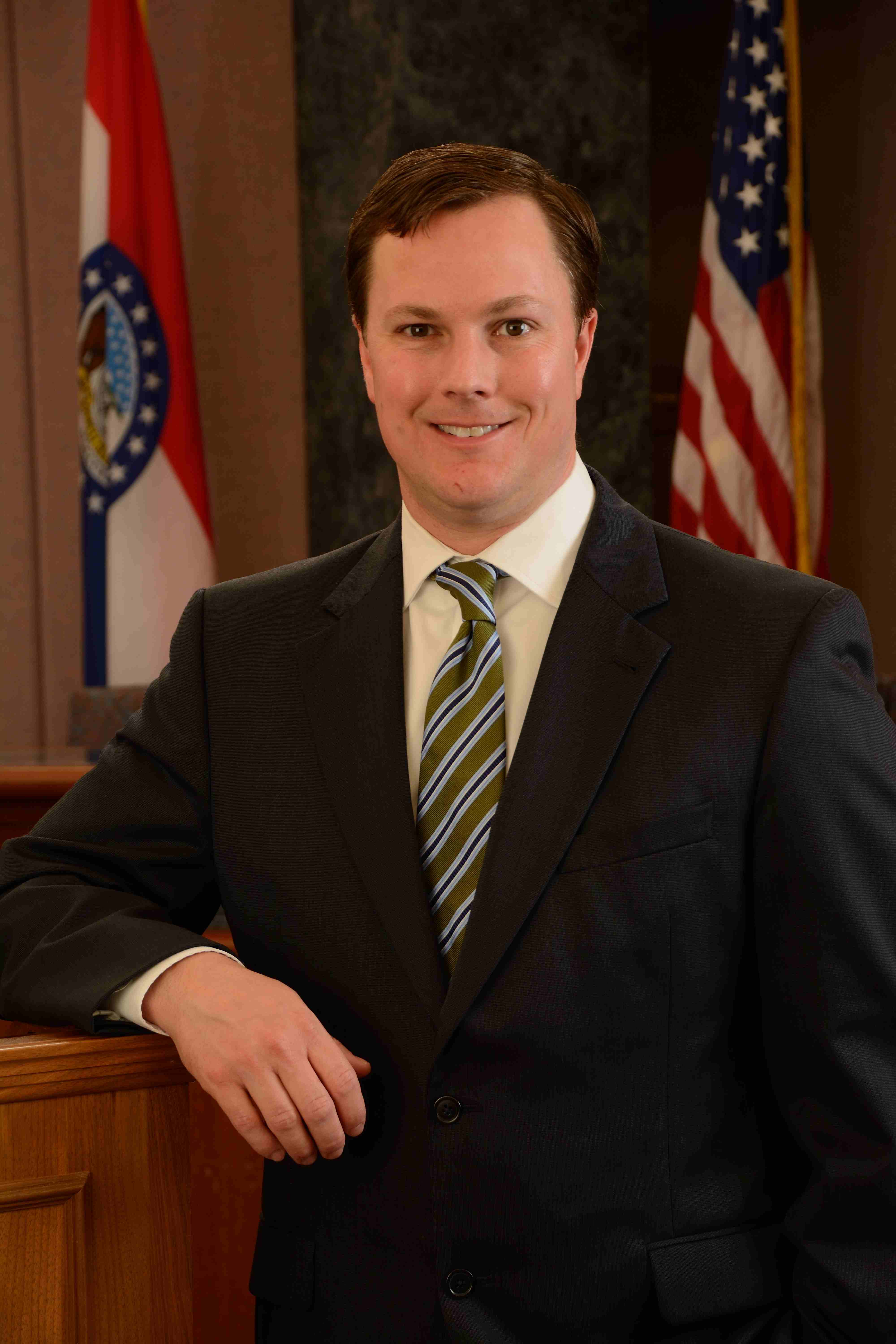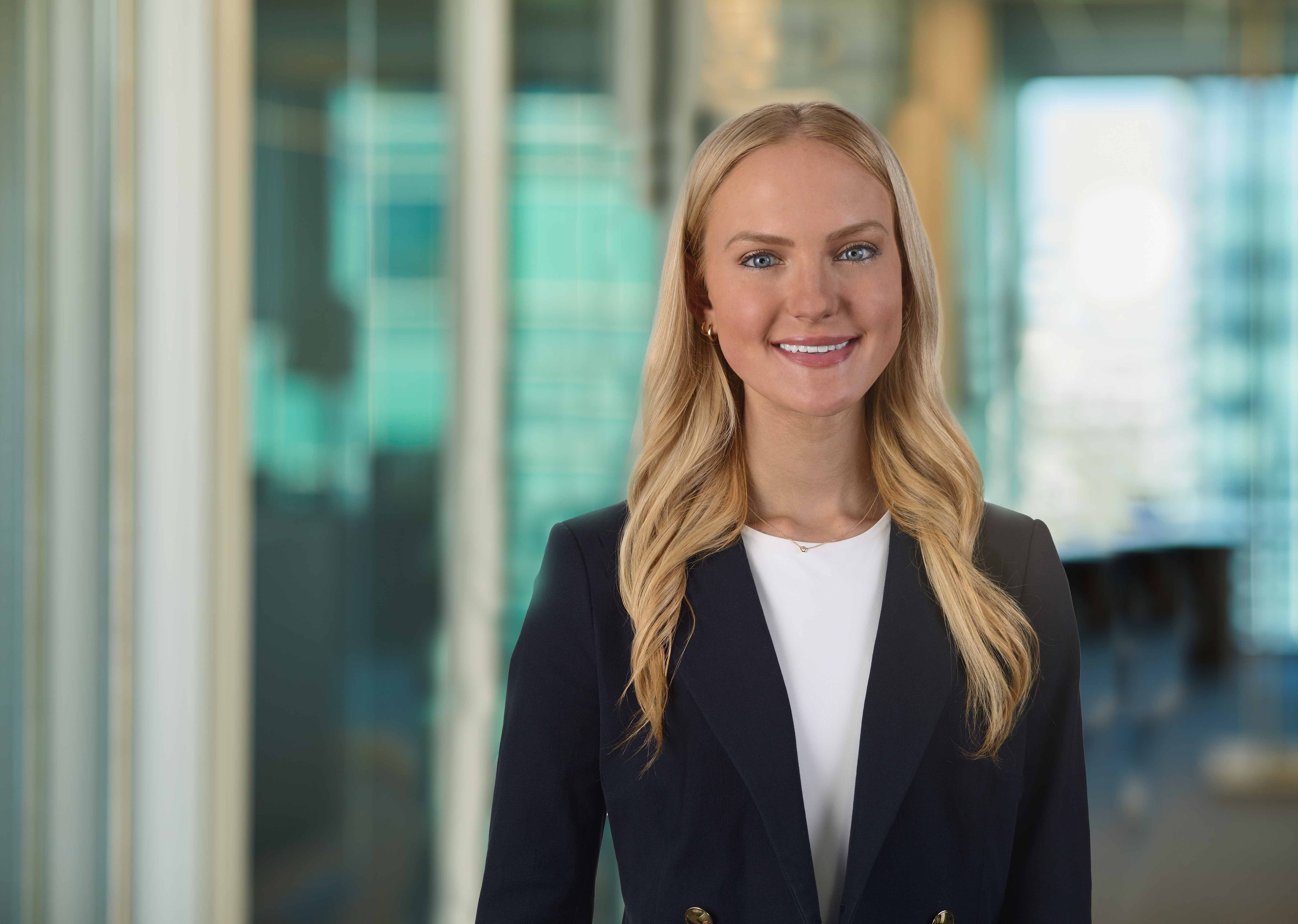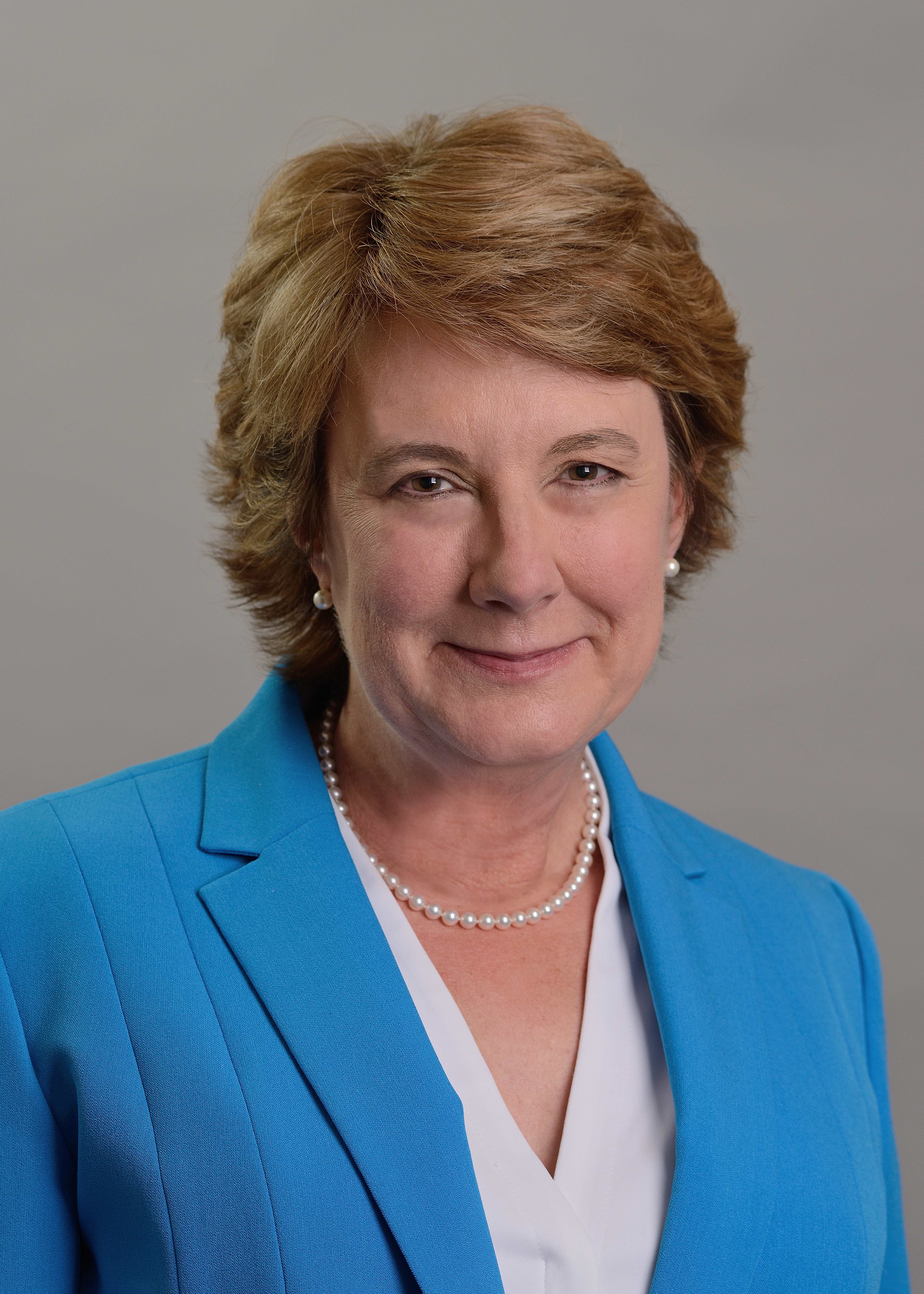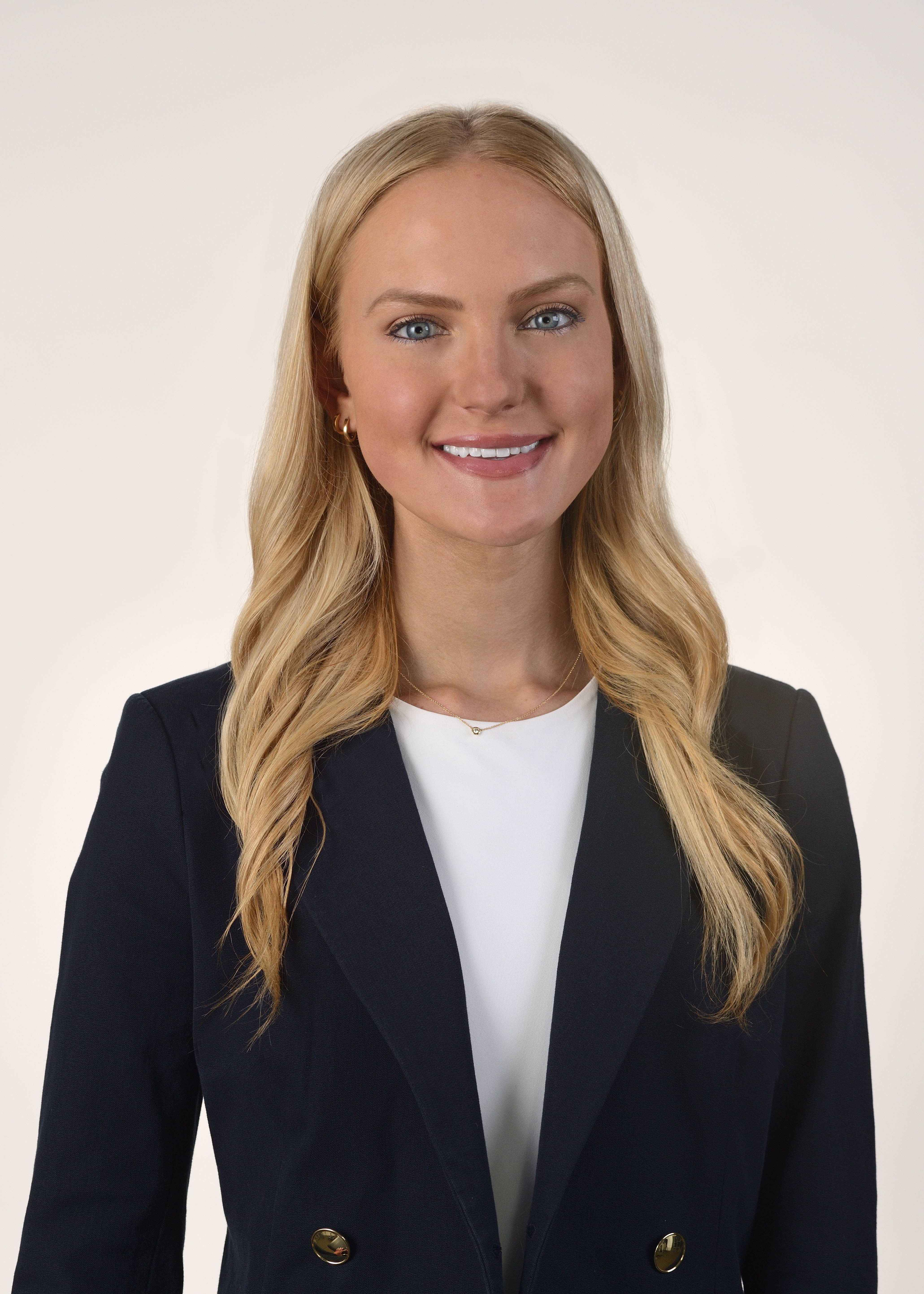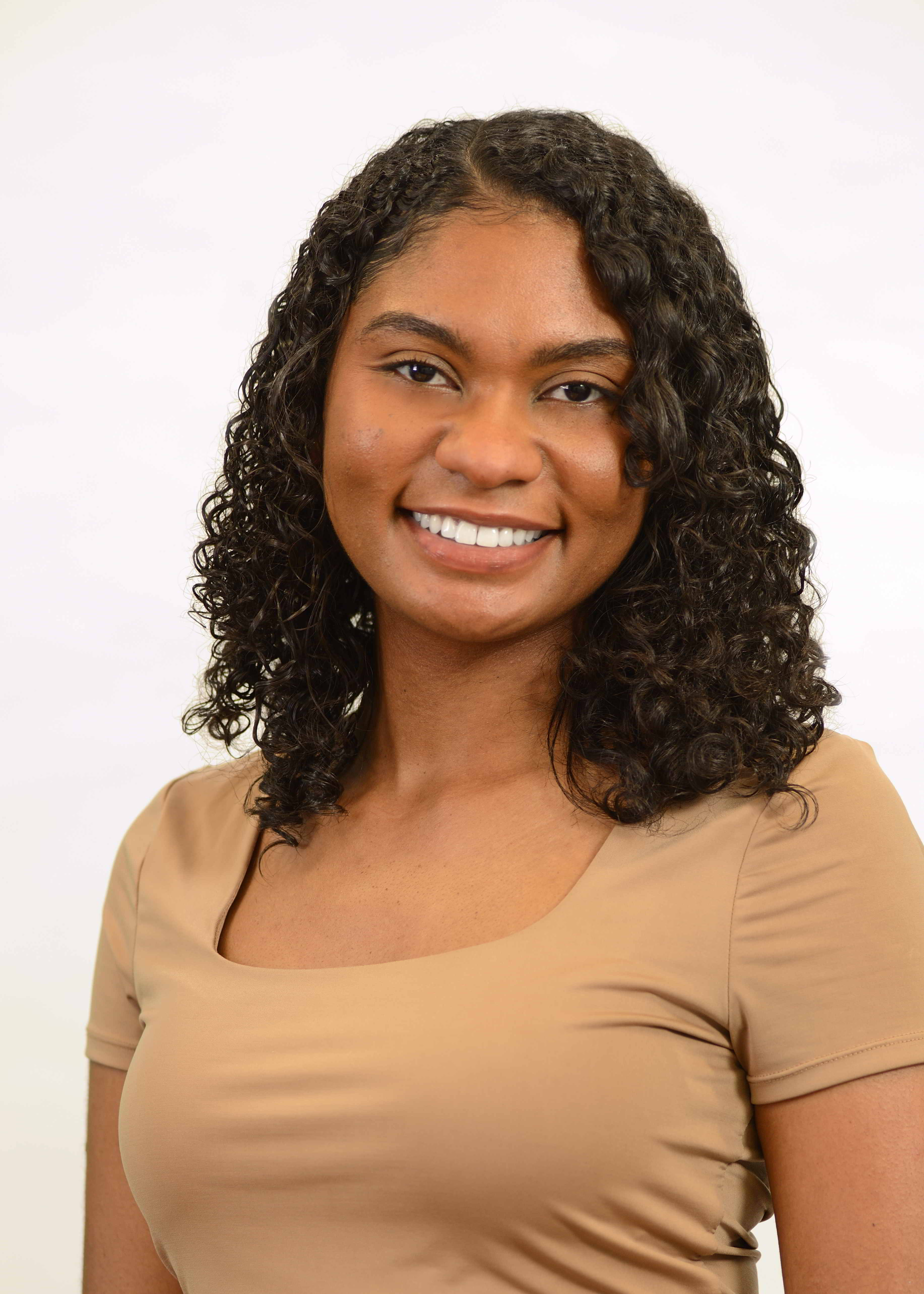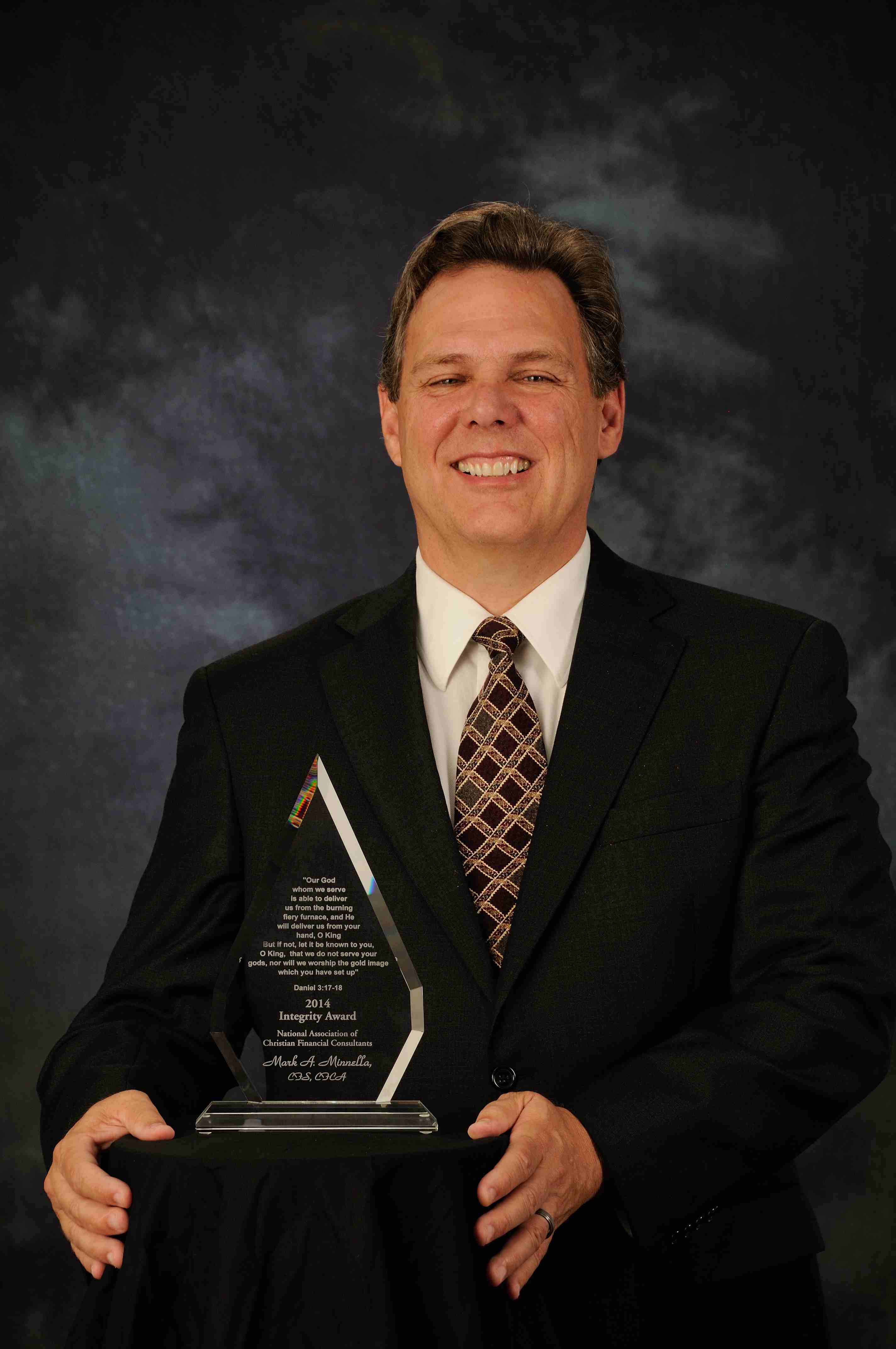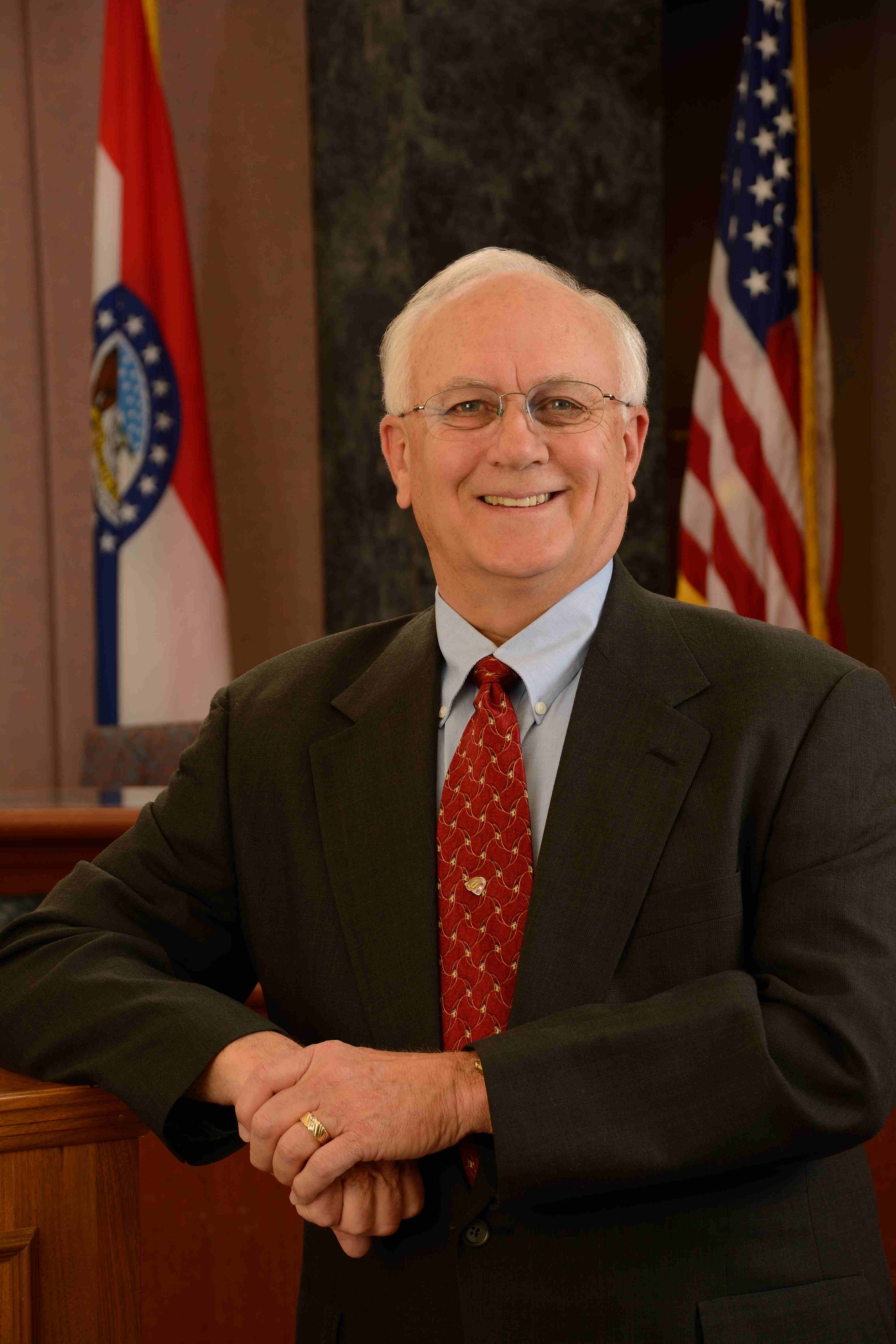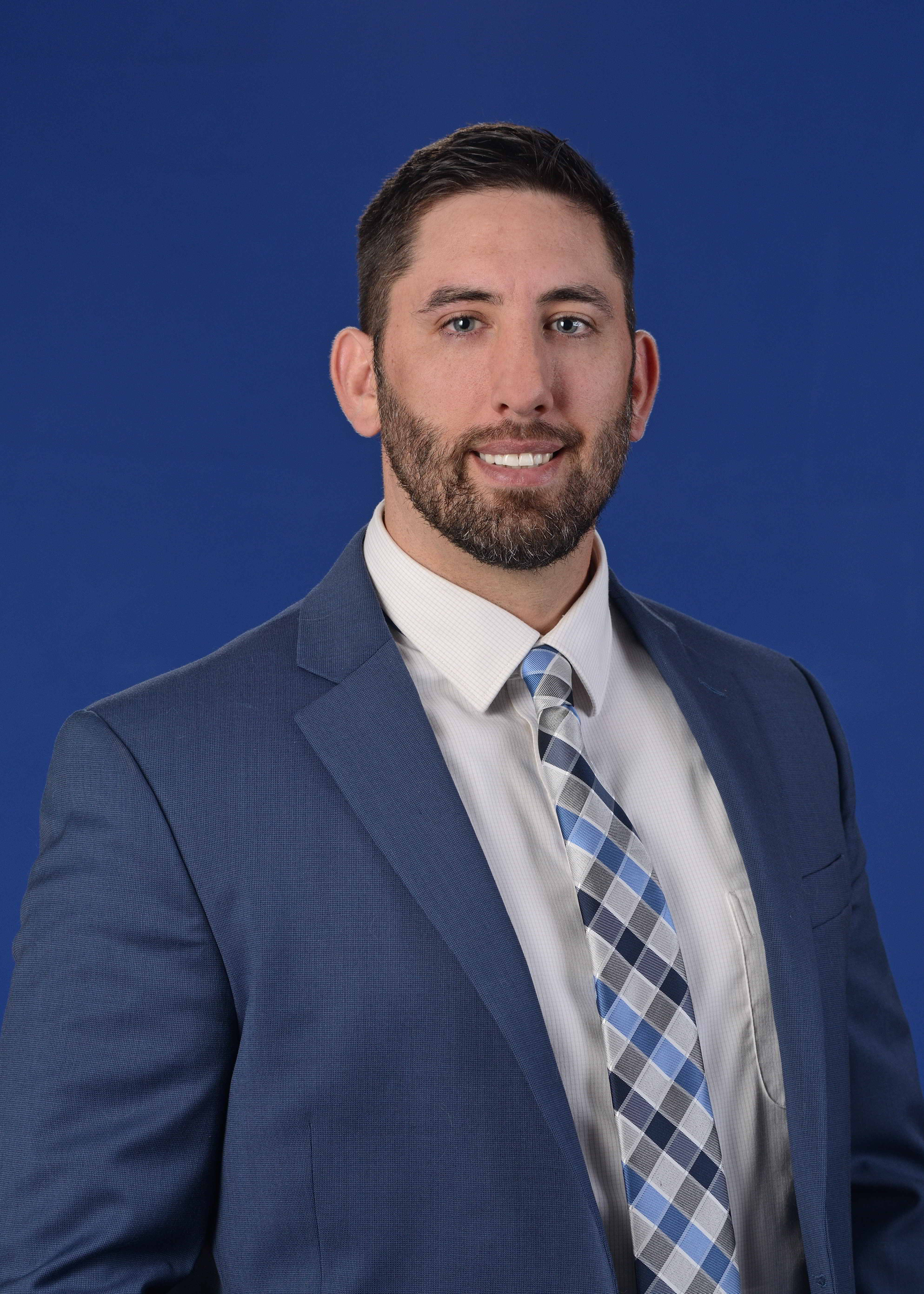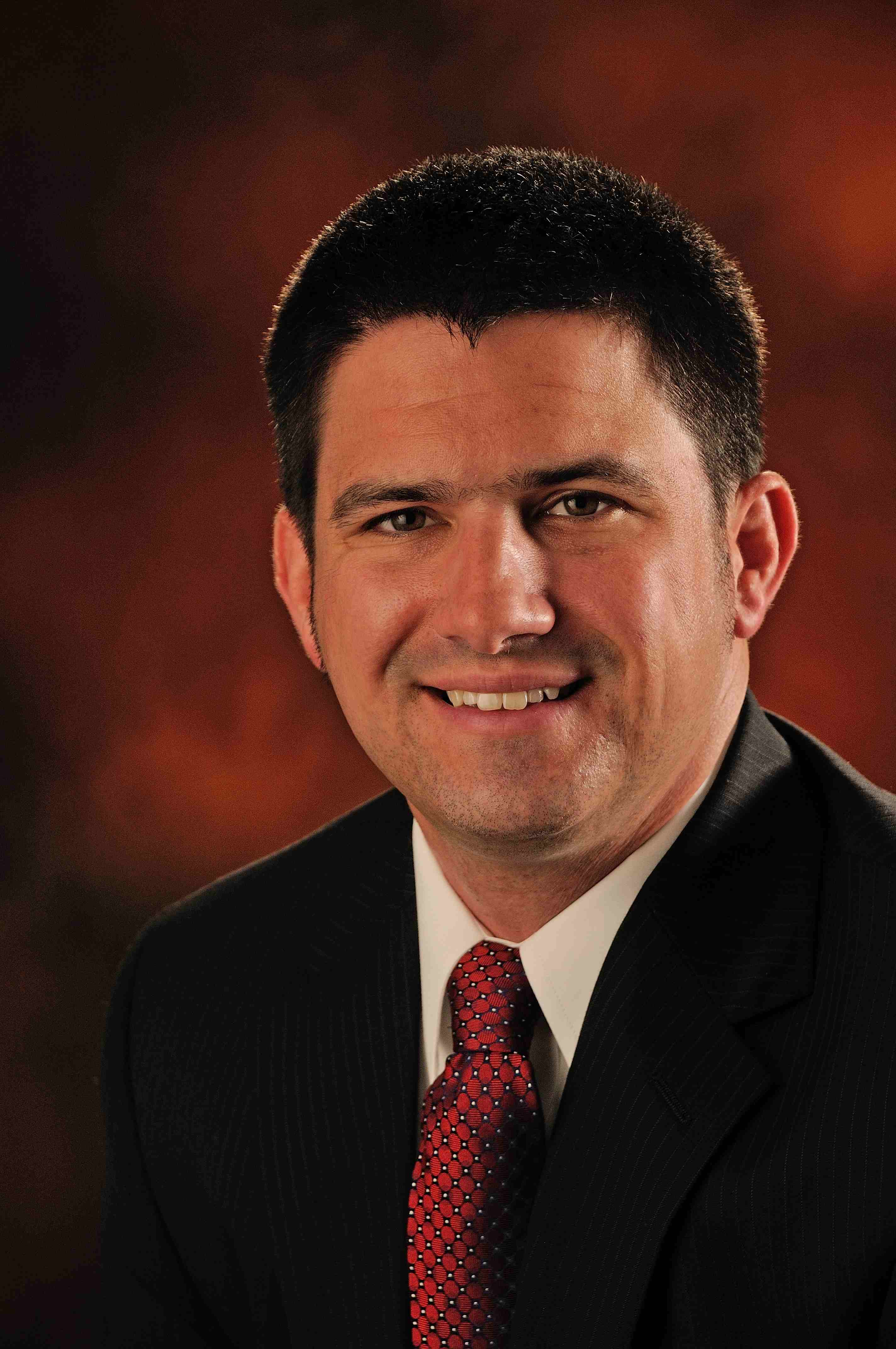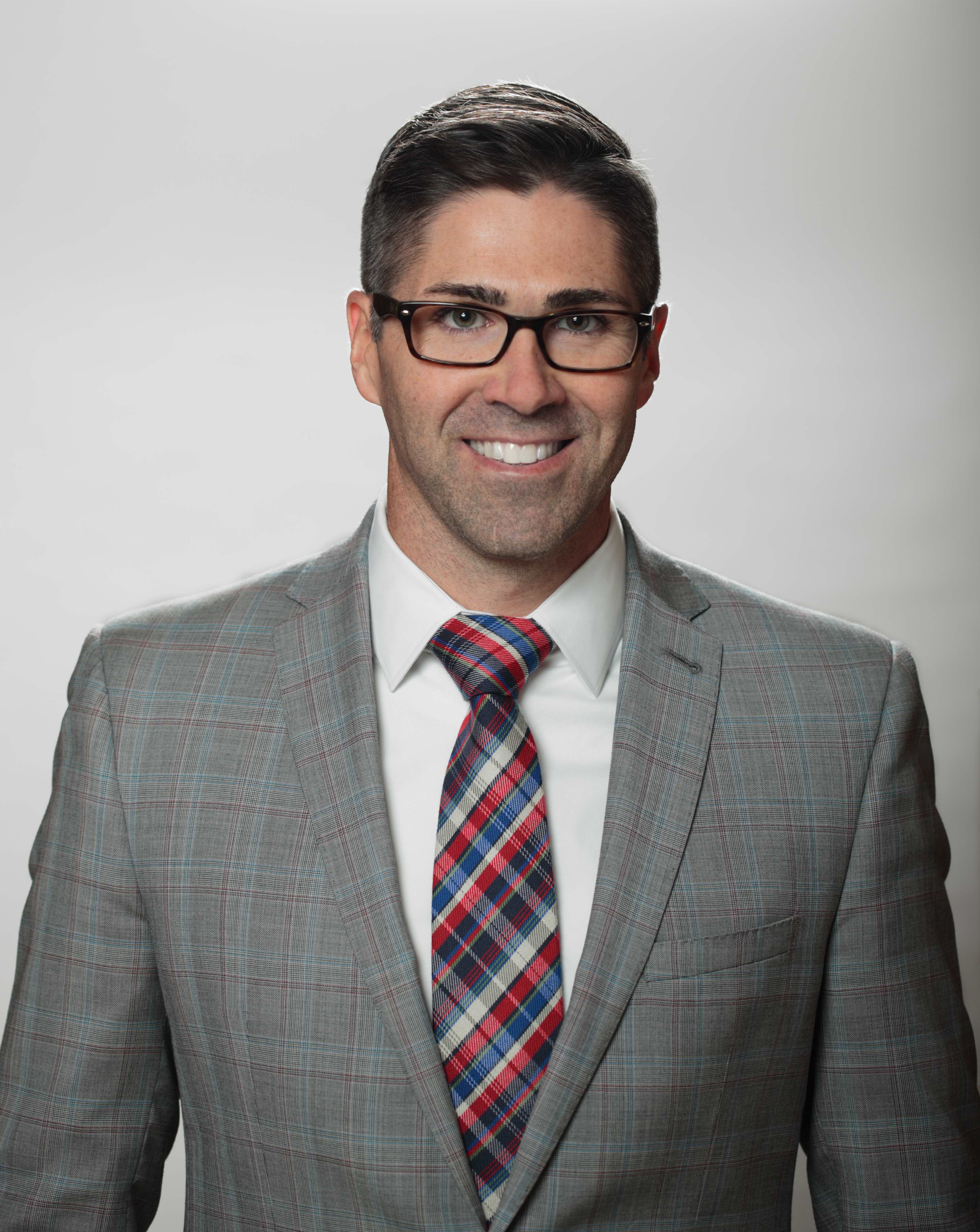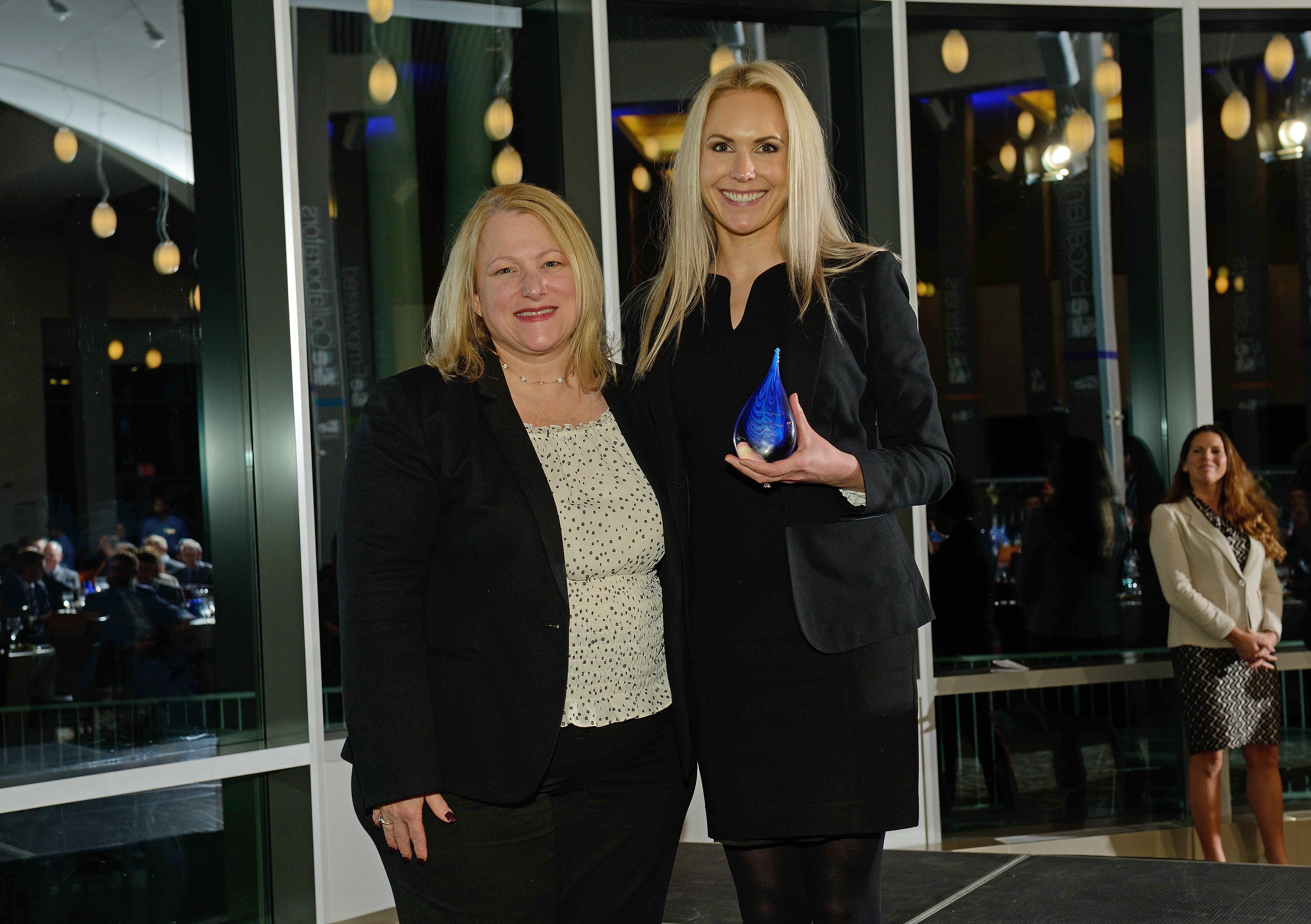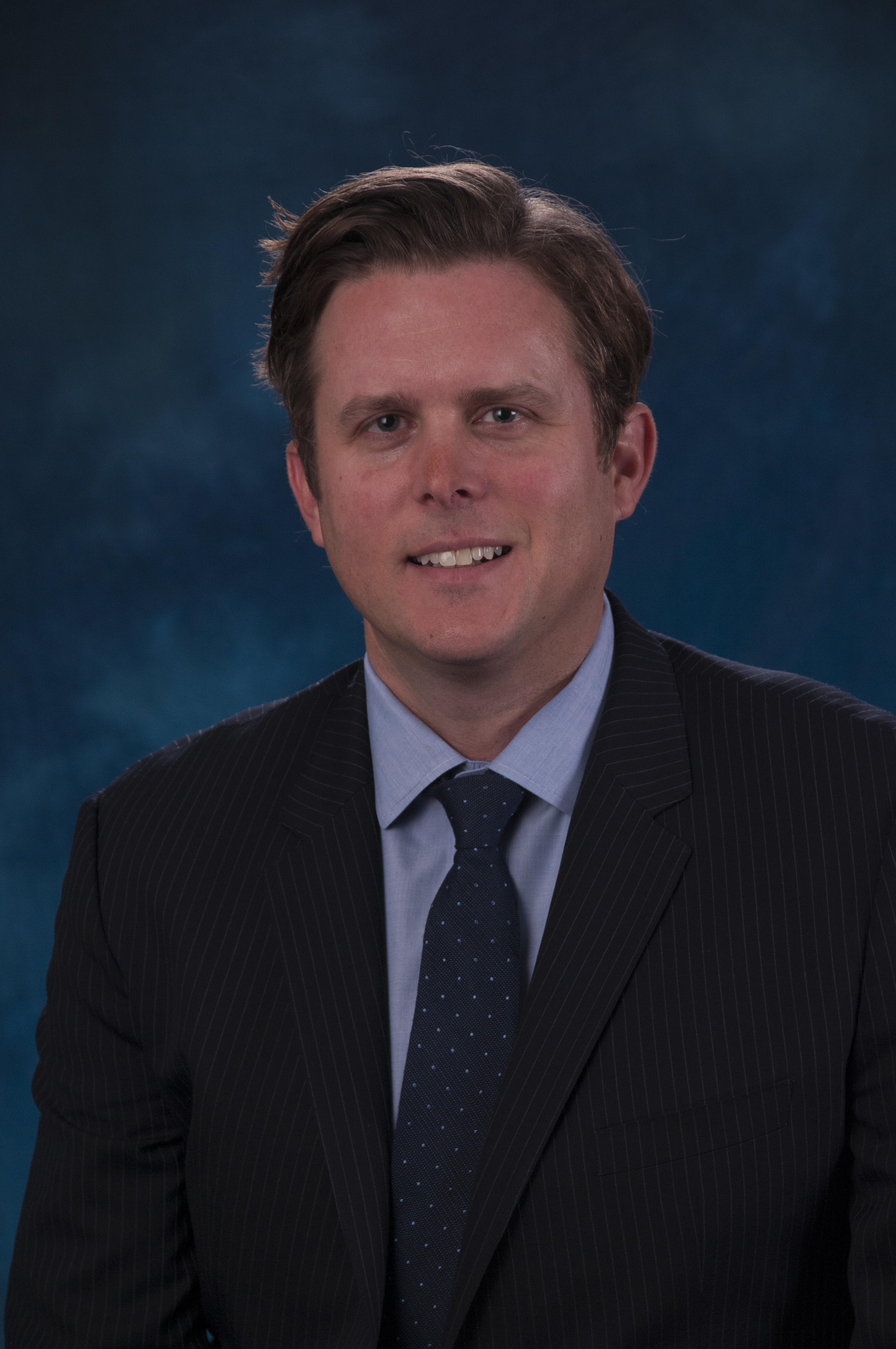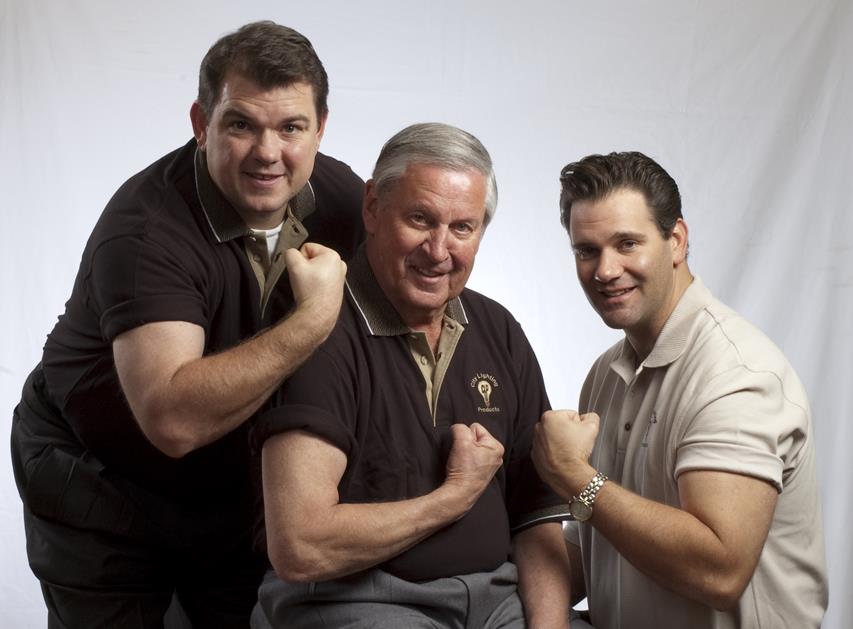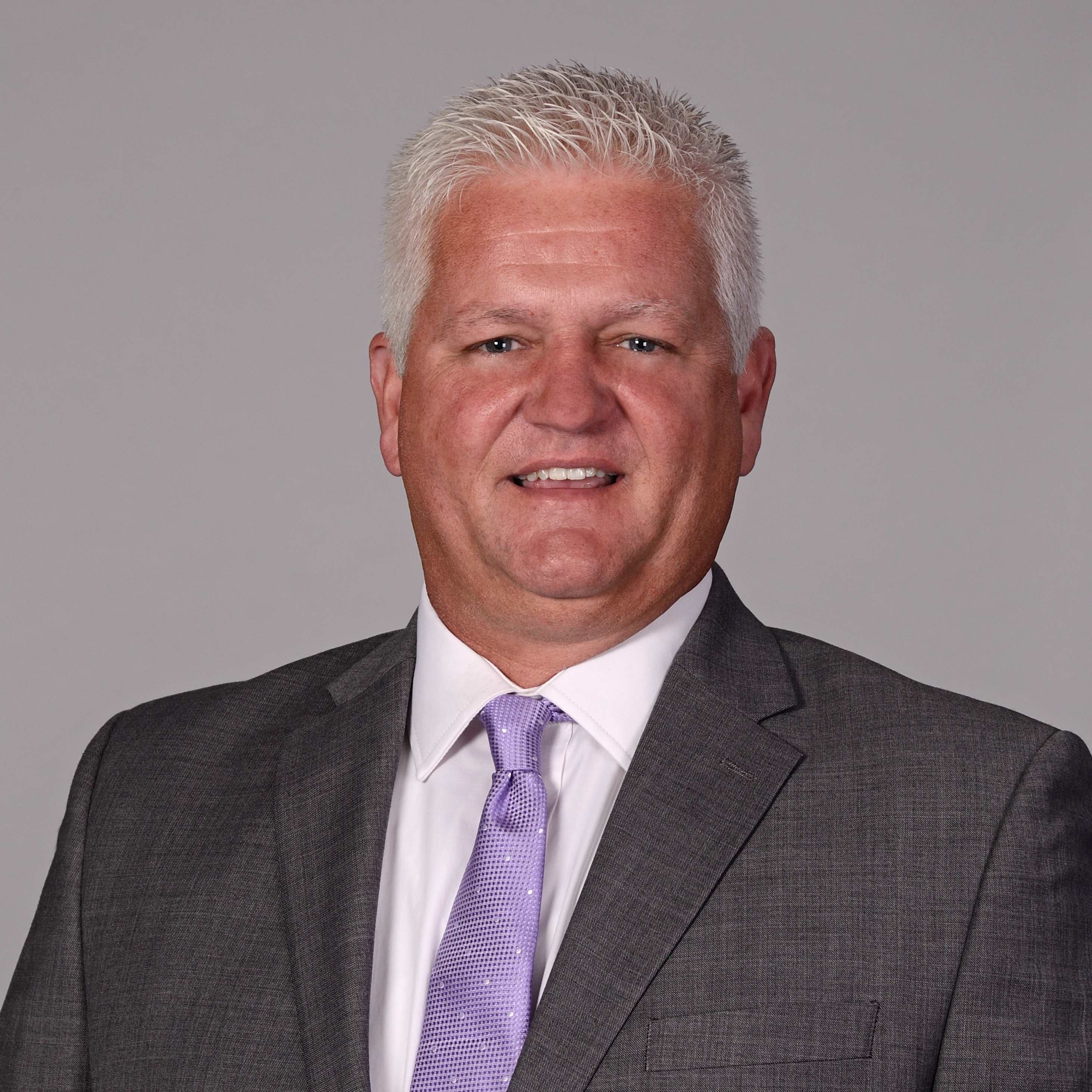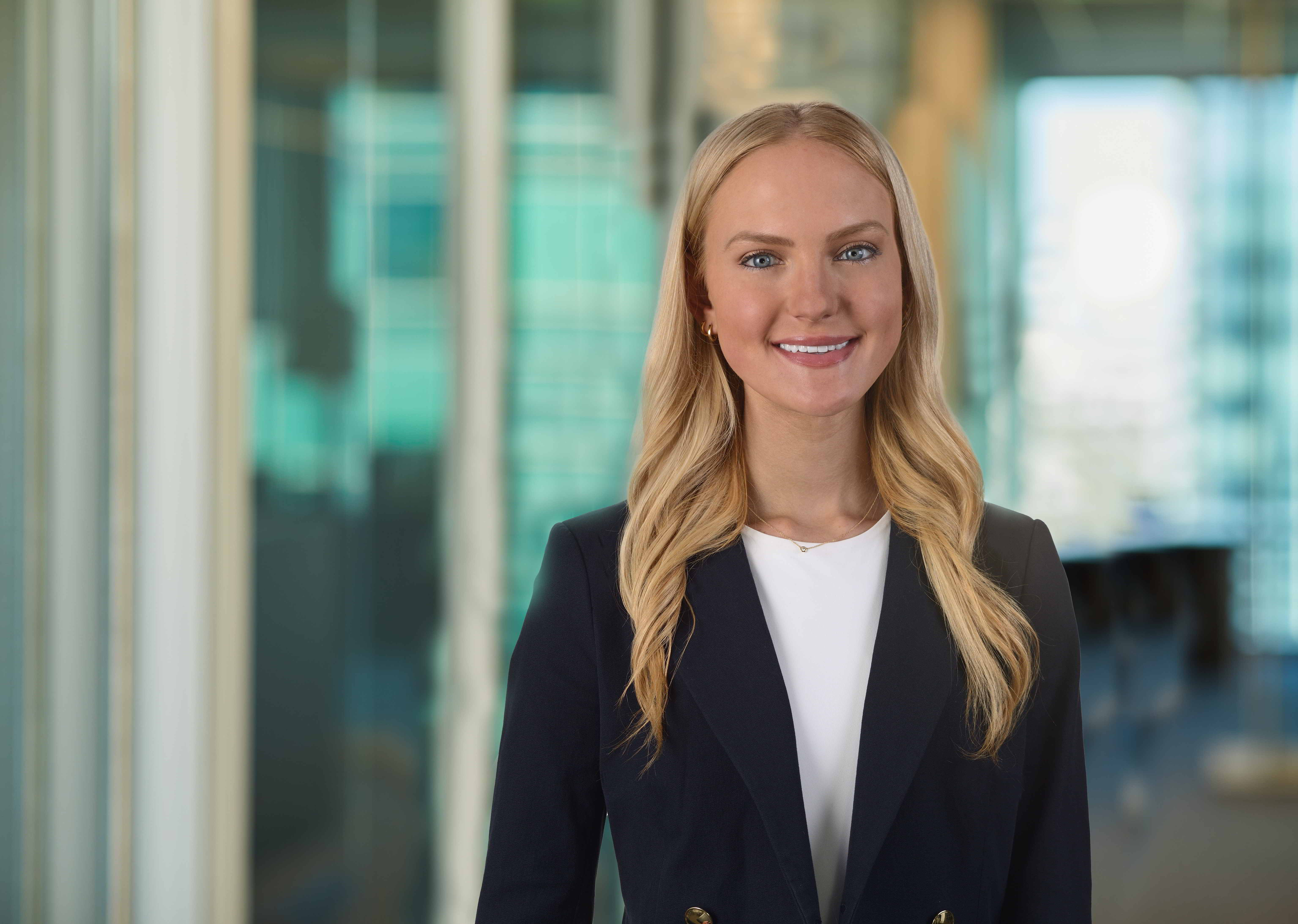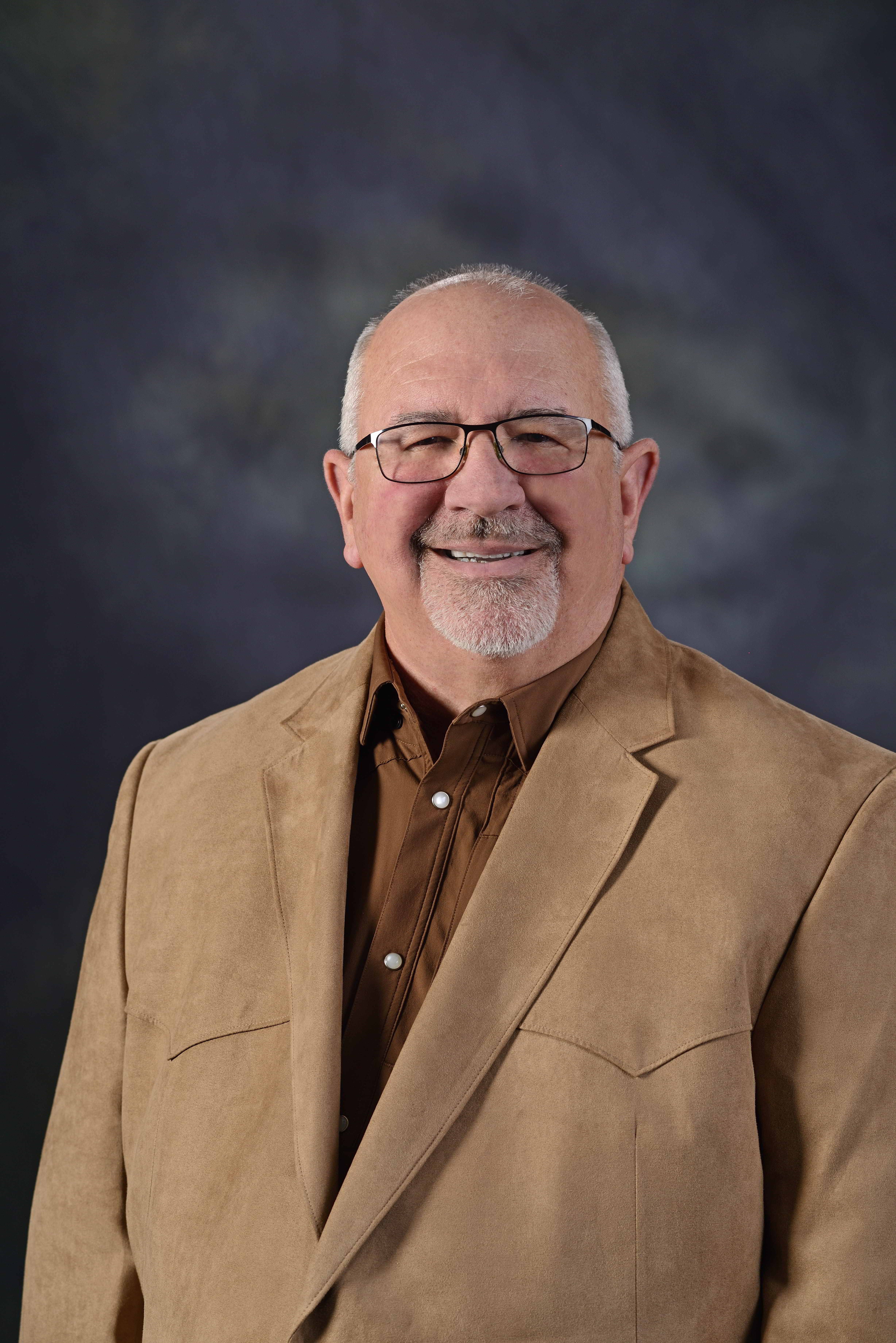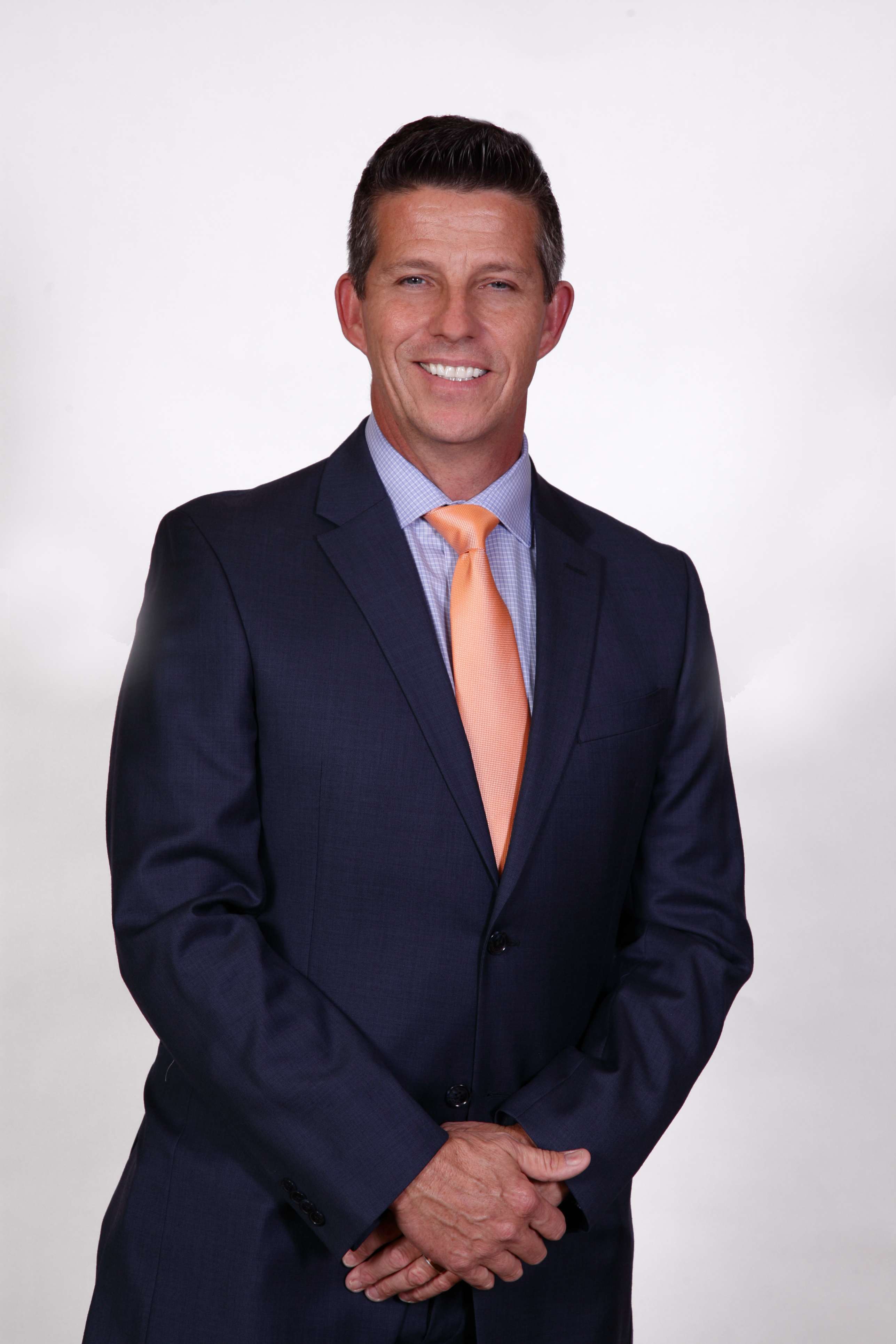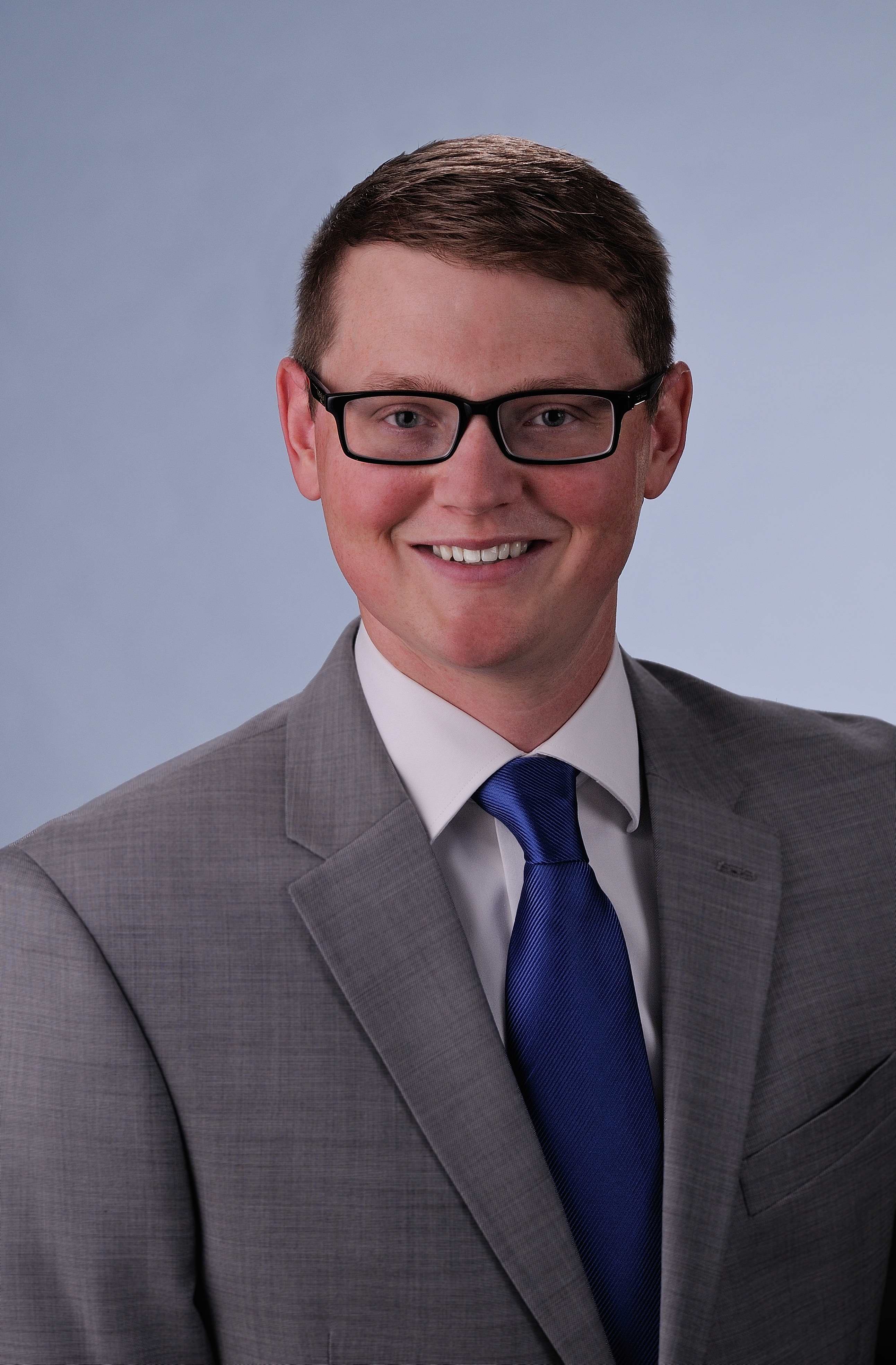
Headshots in Our Studio or at Your Offices for Yourself or Multiple Team Members

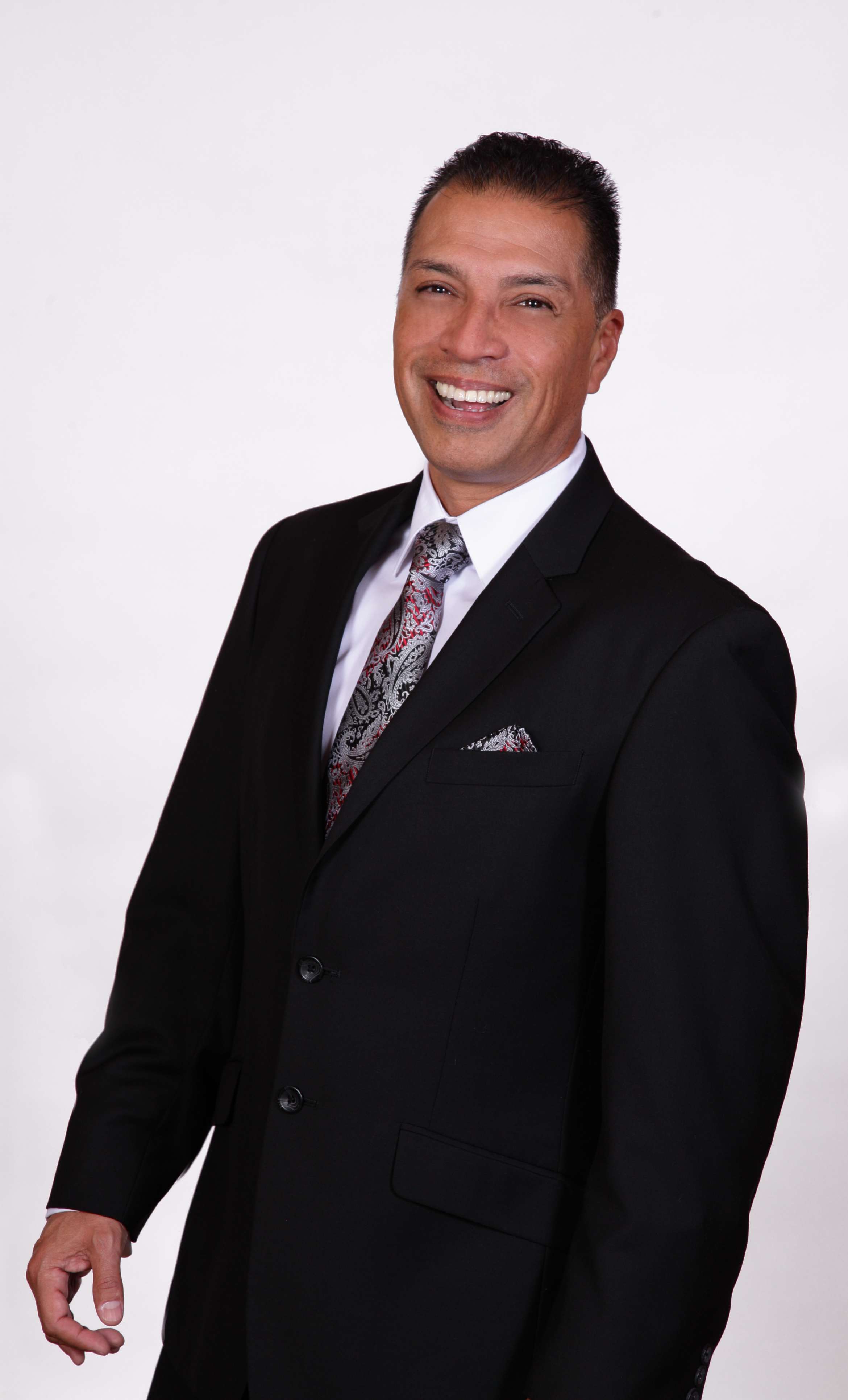
When businesses think about headshots, they often think of a simple portrait session for one executive, one employee, or one new hire. In practice, professional headshots can be much more strategic than that. They can support recruiting, strengthen brand consistency, improve presentation quality, and help an organization look more polished everywhere its people appear. That includes websites, proposal documents, press releases, LinkedIn profiles, investor materials, conference signage, email signatures, internal communications, and sales collateral.

For many organizations, the real question is not whether they need professional headshots. The question is where and how those headshots should be produced. Should your team come into a studio environment, or should the photographer bring the production to your office? And if you need multiple people photographed, how do you do it efficiently without sacrificing quality?

As an experienced videographer, photographer, and producer at St Louis Headshot Photographer, I can tell you that both studio headshots and on-location office headshots can be excellent choices when they are planned properly. The best option depends on your goals, your brand style, your schedule, and the number of people who need to be photographed.

Why Professional Headshots Matter More Than Ever

Decision makers today are asking their teams to represent the company across more channels than ever before. A headshot is no longer just an HR formality. It is often the first visual impression a client, prospect, media contact, or potential recruit sees.

A strong headshot communicates professionalism, confidence, approachability, and credibility. A weak one can make even a strong organization appear inconsistent or outdated. This is especially true when some team members have polished portraits while others are using cropped event photos, cell phone images, or portraits with mismatched backgrounds and lighting.

A professionally produced headshot program helps organizations:

  • Create a more unified brand presence
  • Make leadership and team pages look stronger
  • Support sales and marketing outreach
  • Improve social media and LinkedIn presentation
  • Strengthen recruiting materials
  • Provide updated visuals for media and PR opportunities
  • Save time by creating a repeatable process for new hires and team updates

For companies with multiple employees, headshots are not just about appearance. They are about brand management.

Studio Headshots: Controlled, Consistent, and Highly Polished

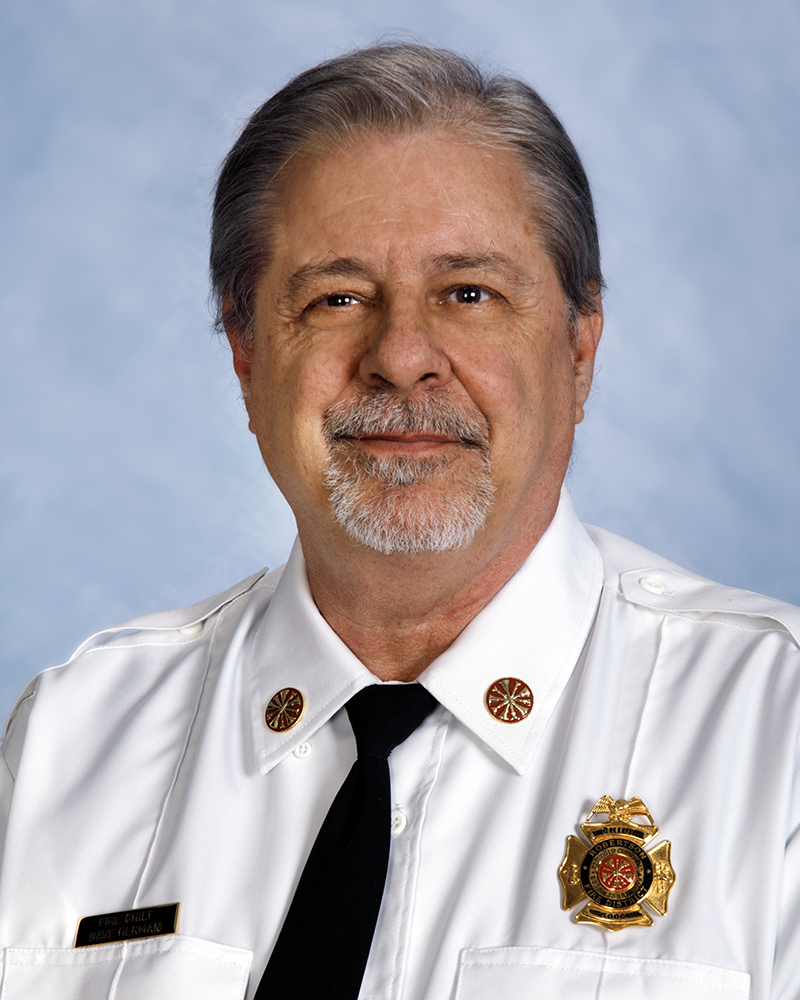
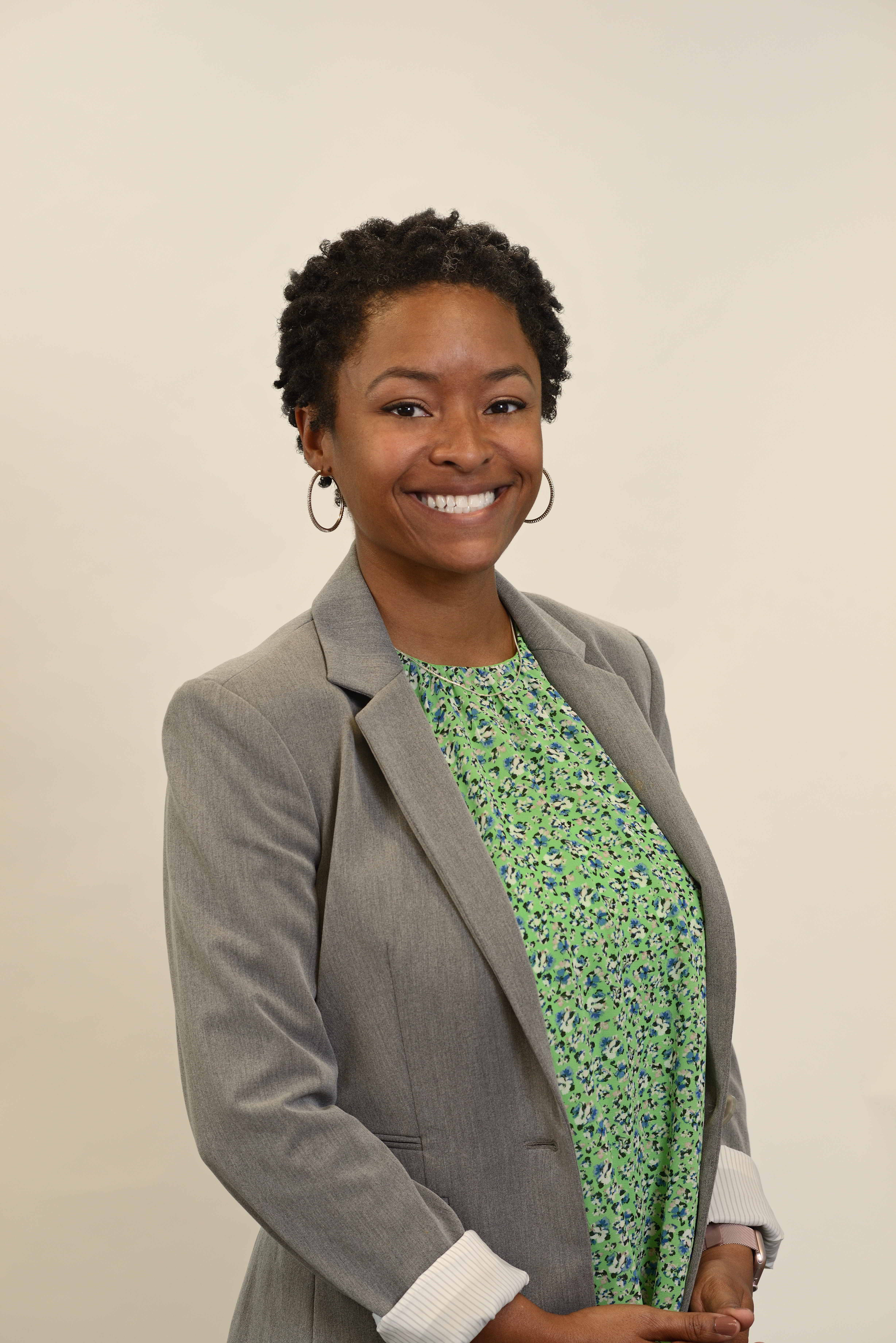
There is a reason studio headshots remain a preferred option for many businesses and professionals. A studio environment gives the production team maximum control over lighting, background, posing, camera angle, and overall visual consistency.

When individuals or teams come into the studio, we can shape the session around the exact look the client wants. That might mean classic corporate portraits, more modern approachable branding headshots, darker dramatic executive portraits, or bright clean images that feel open and contemporary.

Benefits of Studio Headshots

A studio session offers several important advantages.

Complete control of lighting and background.
Studio lighting is predictable and repeatable. That means we can produce a refined look that is consistent from one person to the next.

Minimal office distractions.
There are no interruptions from meetings, hallway traffic, ringing phones, or changing daylight conditions.

A more comfortable portrait environment.
Many people actually feel more focused in a dedicated studio setting where the session is clearly designed for photography.

Ideal for executives, personal branding, and smaller groups.
When a key leader, sales professional, attorney, physician, consultant, or spokesperson needs a more carefully crafted image, the studio often delivers the most polished result.

Clean, timeless results.
Studio portraits tend to age well because they are less dependent on temporary office interiors or design trends.

For organizations that want a high-end, deliberate, brand-driven result, a studio headshot session is often the best fit.

Office Headshots: Efficient, Convenient, and Scalable

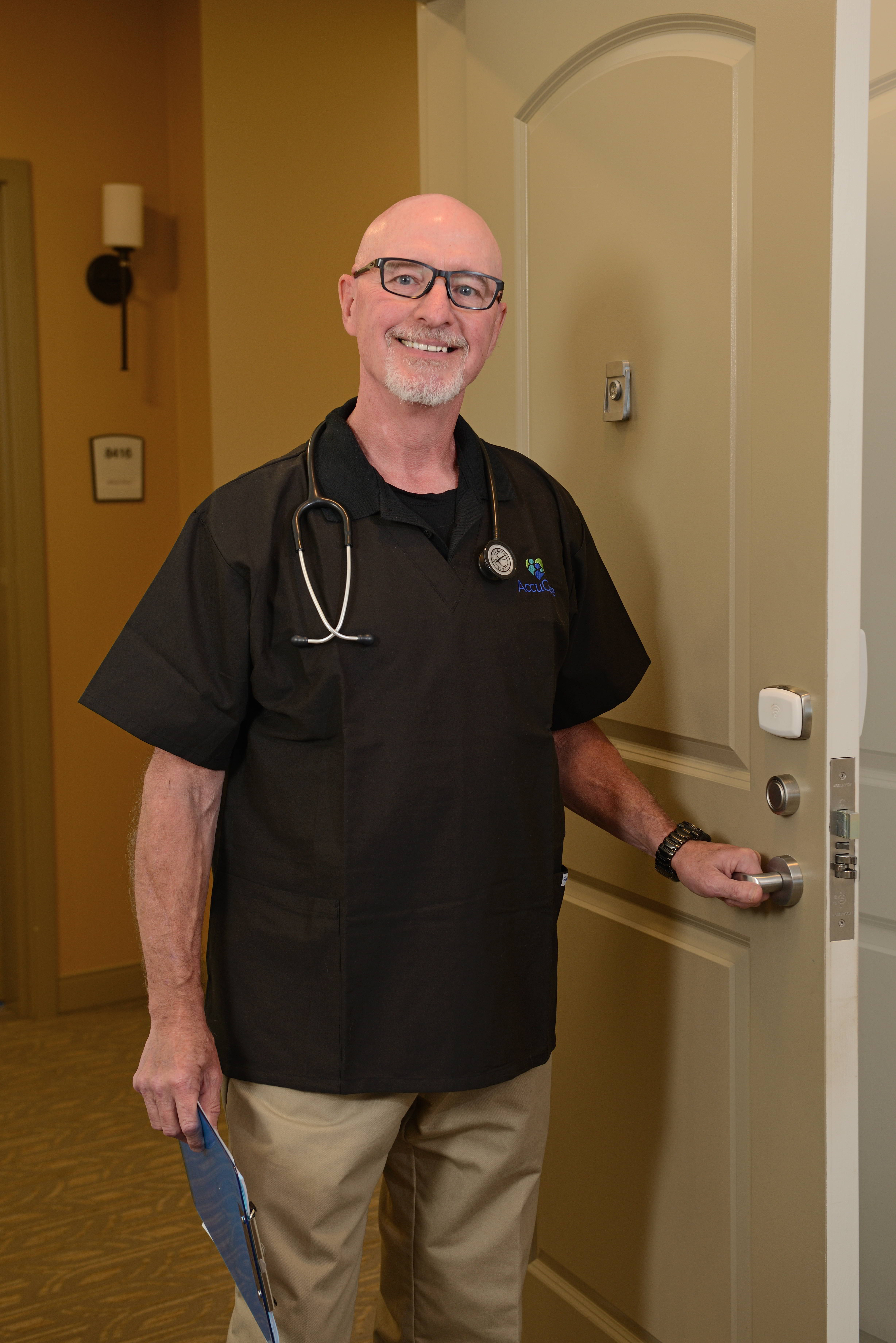
There are many situations where bringing the headshot production directly to the client’s offices is the smarter business move. If you need multiple team members photographed, if your staff has limited availability, or if you want to minimize time away from work, on-location headshots can be extremely effective.

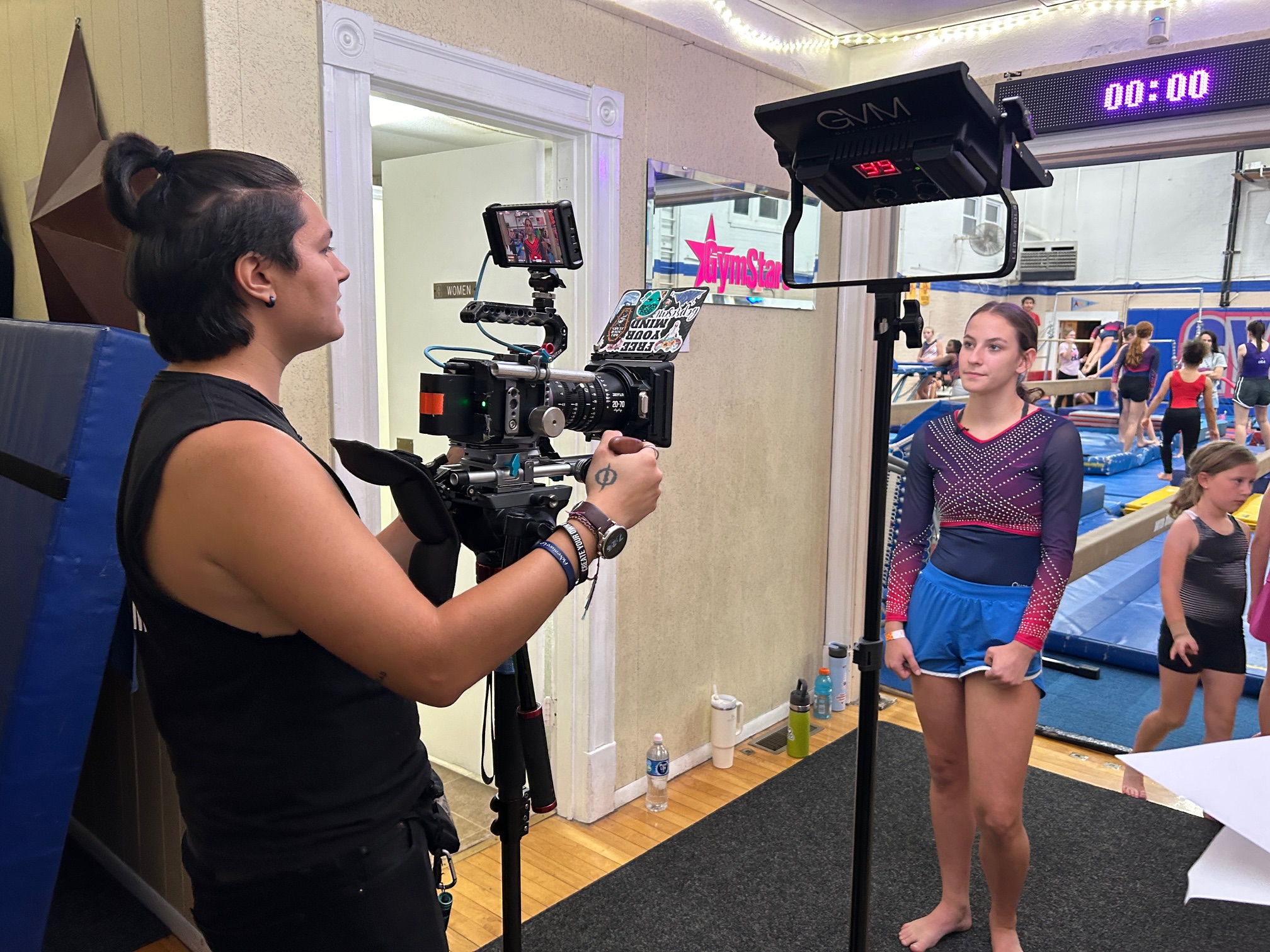
A professional crew can bring a complete lighting and backdrop setup into your offices and create a temporary portrait station that delivers studio-quality results with minimal disruption.

Benefits of On-Location Office Headshots

Convenience for teams.
Employees do not need to commute to a separate location. They simply step out of their workflow for a short session and return to work.

Efficient scheduling for multiple people.
This is often the most practical solution for photographing departments, leadership teams, regional offices, or company-wide updates.

Strong for onboarding or company refreshes.
Organizations updating their website, launching a new brand, or preparing for a PR or recruiting push often benefit from photographing many employees at once.

Consistent visuals across the team.
Even when photographing dozens of people, the right setup and process can keep backgrounds, lighting, and framing aligned.

Opportunity to combine photography and video.
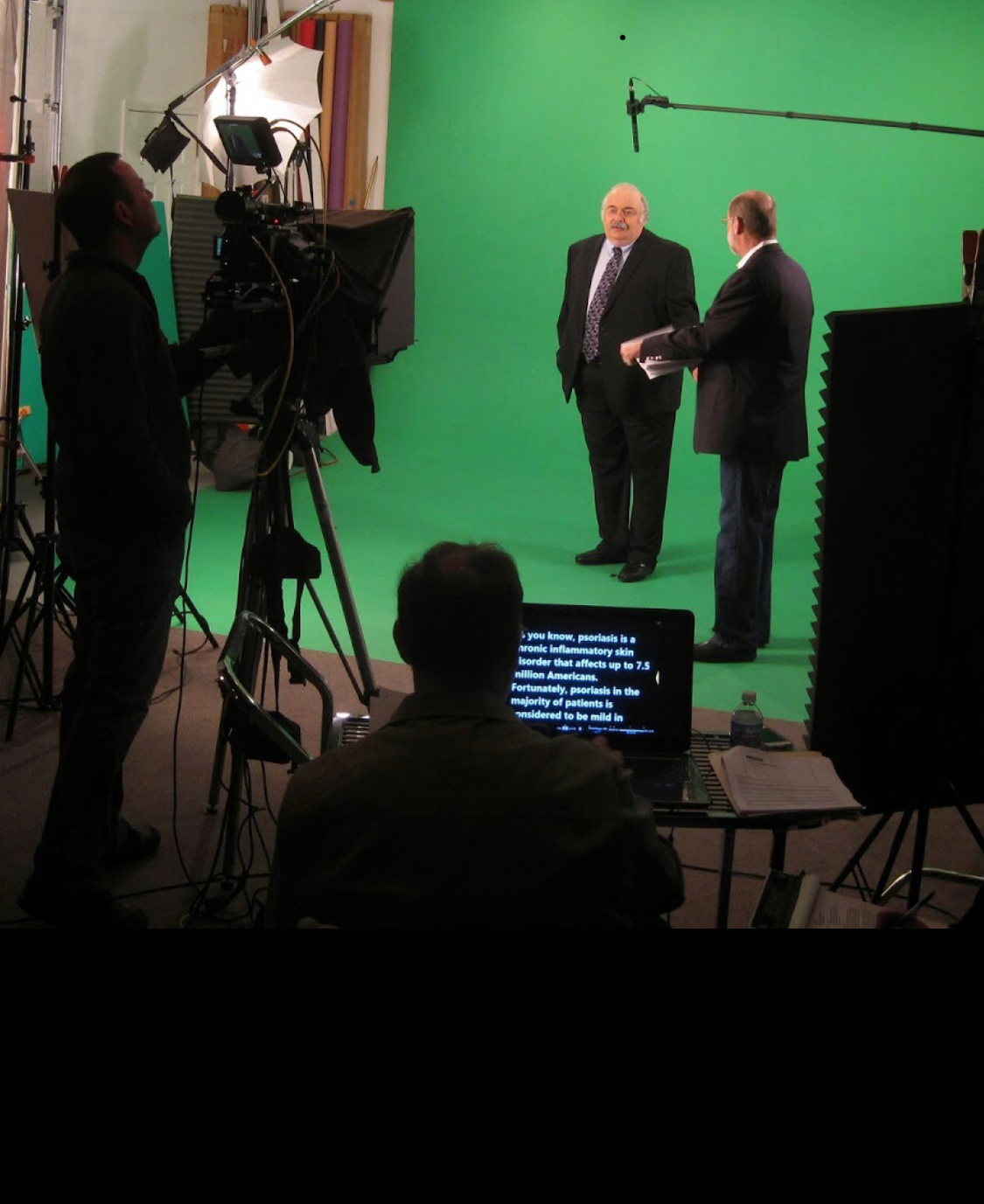
Once a professional crew is already on-site, many companies expand the day to include workplace photography, team images, interview videos, office environment visuals, or short branded content pieces.

For businesses that need scale, speed, and minimal disruption, on-site headshots are often the ideal solution.

Which Is Better: Studio or Office?

The honest answer is that neither option is automatically better. The better choice depends on the assignment.

A studio session is usually best when:

  • You want the most polished and controlled visual outcome
  • You are photographing one person or a small number of people
  • The portraits are for executive branding, media use, or high-visibility marketing
  • You want a refined studio look rather than an environmental office feel

An office session is usually best when:

  • You need to photograph multiple people efficiently
  • Your team has limited time
  • You want to avoid sending employees off-site
  • You are updating an entire company directory or team page
  • You want to combine headshots with other photo or video production while the crew is on location

The important point is that a professional production team should be able to guide you toward the best format based on your goals, not force every client into the same template.

Headshots for Individuals vs. Headshots for Teams

The needs of one person and the needs of an organization are not the same.

Individual Headshots

Individuals often want a portrait that reflects both professionalism and personality. Their headshot may be used on LinkedIn, company bios, speaking engagements, press materials, business development outreach, and personal branding platforms.

For an individual, the focus is often on:

  • Expression
  • Wardrobe
  • Brand positioning
  • Background choice
  • Retouching preferences
  • Industry expectations

An attorney may want a different look than a startup founder, physician, financial professional, real estate executive, or marketing consultant.

Team Headshots

With teams, consistency becomes far more important. The goal is not to make everyone look identical, but to make the organization look cohesive.

That means attention must be paid to:

  • Matching background style
  • Consistent lighting ratio
  • Similar crop and composition
  • Uniform posing guidance
  • Scheduling flow
  • Clear wardrobe recommendations
  • Efficient review and file delivery

When team headshots are handled well, the finished result makes the organization appear more established, more organized, and more trustworthy.

Planning for Multiple Team Members

One of the biggest mistakes companies make is underestimating the logistical side of team headshots. Photographing multiple people is not just a bigger version of an individual session. It requires production planning.

A successful team headshot day usually includes:

Pre-Production Scheduling

A shot schedule prevents bottlenecks and confusion. Teams should know when to arrive, how long sessions will take, and how to stay on track without losing too much work time.

Wardrobe Guidance

Employees should be given practical recommendations in advance. This helps avoid distracting patterns, inconsistent formality, and last-minute uncertainty.

Background and Style Decisions

Before the session, the company should decide whether the portraits should feel formal, modern, approachable, neutral, or brand-forward.

Space Evaluation for On-Location Sessions

If headshots are being produced at the office, the production team should identify the right room or area for lighting, staging, and flow.

File Naming and Delivery Workflow

For companies with multiple team members, organized file handling matters. Images should be easy to identify, sort, distribute, and use.

The difference between a rushed headshot day and a professionally managed one is often invisible to the casual observer, but very obvious in the finished results.

Making People Comfortable on Camera

Many professionals are not comfortable being photographed. That is normal. One of the most important parts of a headshot session is not the camera. It is direction.

A good headshot photographer knows how to coach expression, posture, chin angle, eye line, hand position, and body language in ways that feel natural instead of stiff. That matters whether the subject is a CEO, salesperson, physician, attorney, engineer, or administrative team member.

When people feel guided rather than judged, their expressions improve. Their posture improves. Their confidence improves. And that confidence shows in the final image.

That is especially important when photographing groups within an organization. If the first few people have a positive experience, that attitude usually spreads to the rest of the team.

Beyond Headshots: Building a Stronger Visual Library

A headshot day can also be an opportunity to create more than just portraits.

Many businesses use the same production day to capture:

  • Team photography
  • Office environment images
  • Leadership group photos
  • Workplace interaction scenes
  • Interview videos
  • Branded video content
  • Social media visuals
  • Recruitment imagery

This is one of the smartest ways to maximize production efficiency. Once the lighting, crew, and equipment are already in place, it often makes sense to create a wider set of visual assets that marketing and communications teams can use for months.

Instead of thinking of headshots as a one-off task, organizations should think of them as part of a broader content strategy.

How Often Should Businesses Update Headshots?

There is no single rule, but many businesses benefit from updating headshots every two to three years, or sooner if there are noticeable changes in role, appearance, branding, or team structure.

You may also want to schedule new headshots when:

  • You launch a new website
  • You go through a rebrand
  • You hire a significant number of new employees
  • Leadership changes occur
  • Your visual branding has become inconsistent
  • Your team is becoming more active in media, speaking, sales, or recruiting

The cost of outdated imagery is usually not obvious on a line item, but it does affect brand perception.

Choosing the Right Partner for Studio or On-Site Headshots

Whether you bring people into a studio or bring the production to your offices, experience matters. Headshots may look simple from the outside, but producing them at a high level requires technical skill, people skills, production discipline, and brand awareness.

You want a partner who understands:

  • Lighting quality
  • Efficient production flow
  • How to direct non-professional talent
  • Consistency across multiple subjects
  • File delivery and usage needs
  • The difference between portraits that are merely acceptable and portraits that actually elevate a brand

That is where experienced production support makes the difference.

Why St Louis Headshot Photographer Is a Strong Choice for Studio and On-Location Headshots

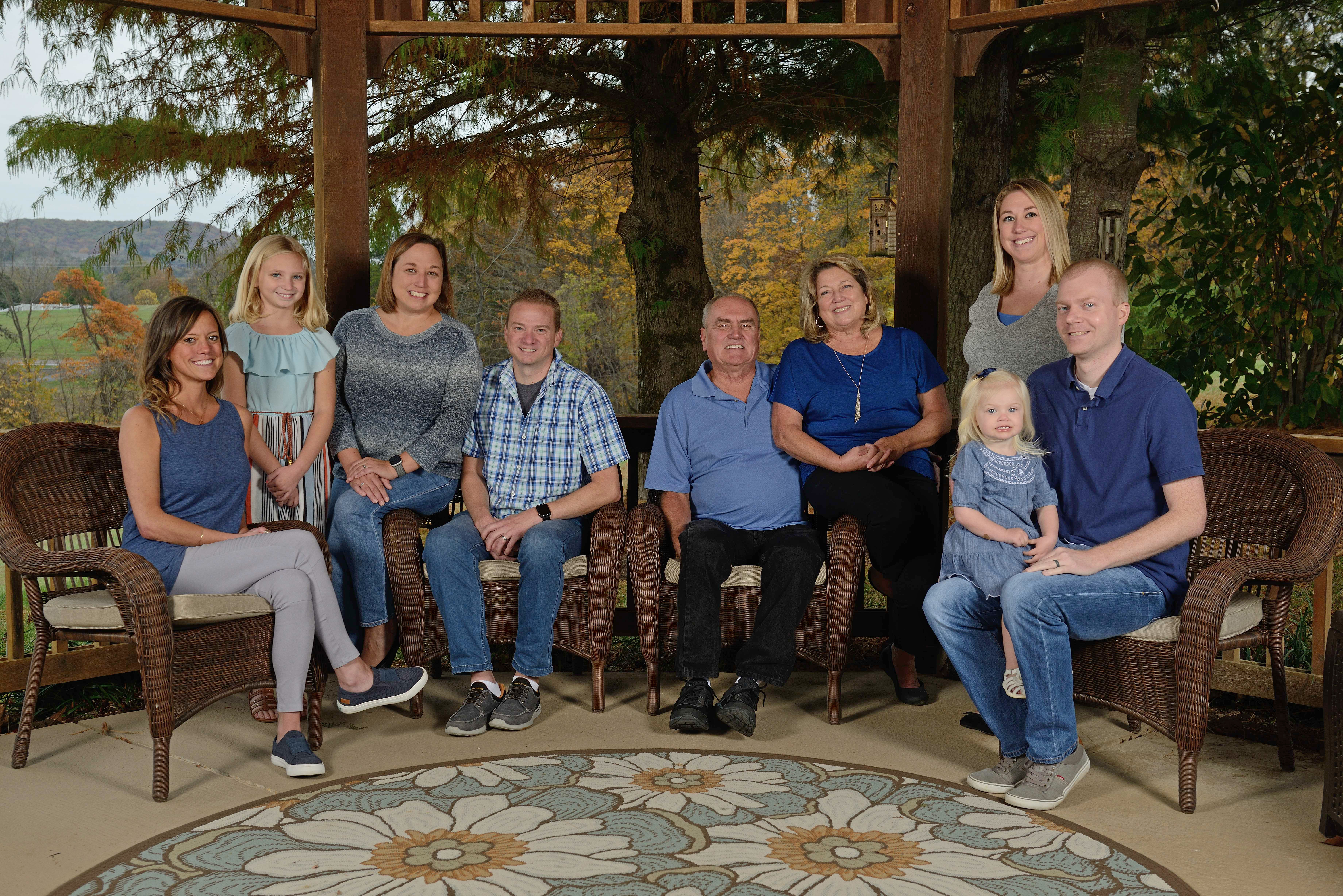
St Louis Headshot Photographer has extensive experience producing headshots in our studio and at client offices for individuals, executives, and multiple team members. Since 1982, St Louis Headshot Photographer has worked with many businesses, marketing firms, and creative agencies in the St. Louis area for their marketing photography and video.

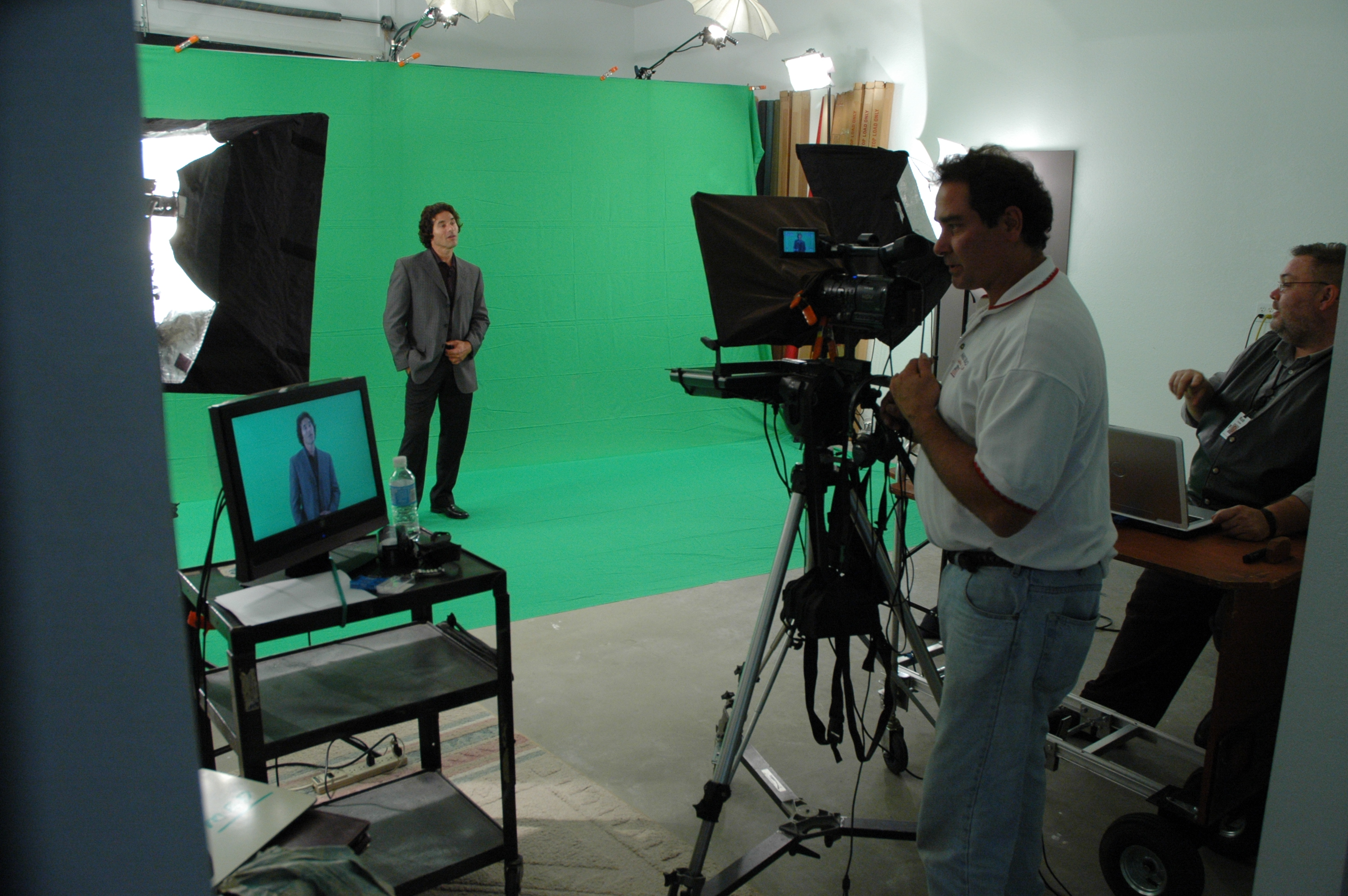
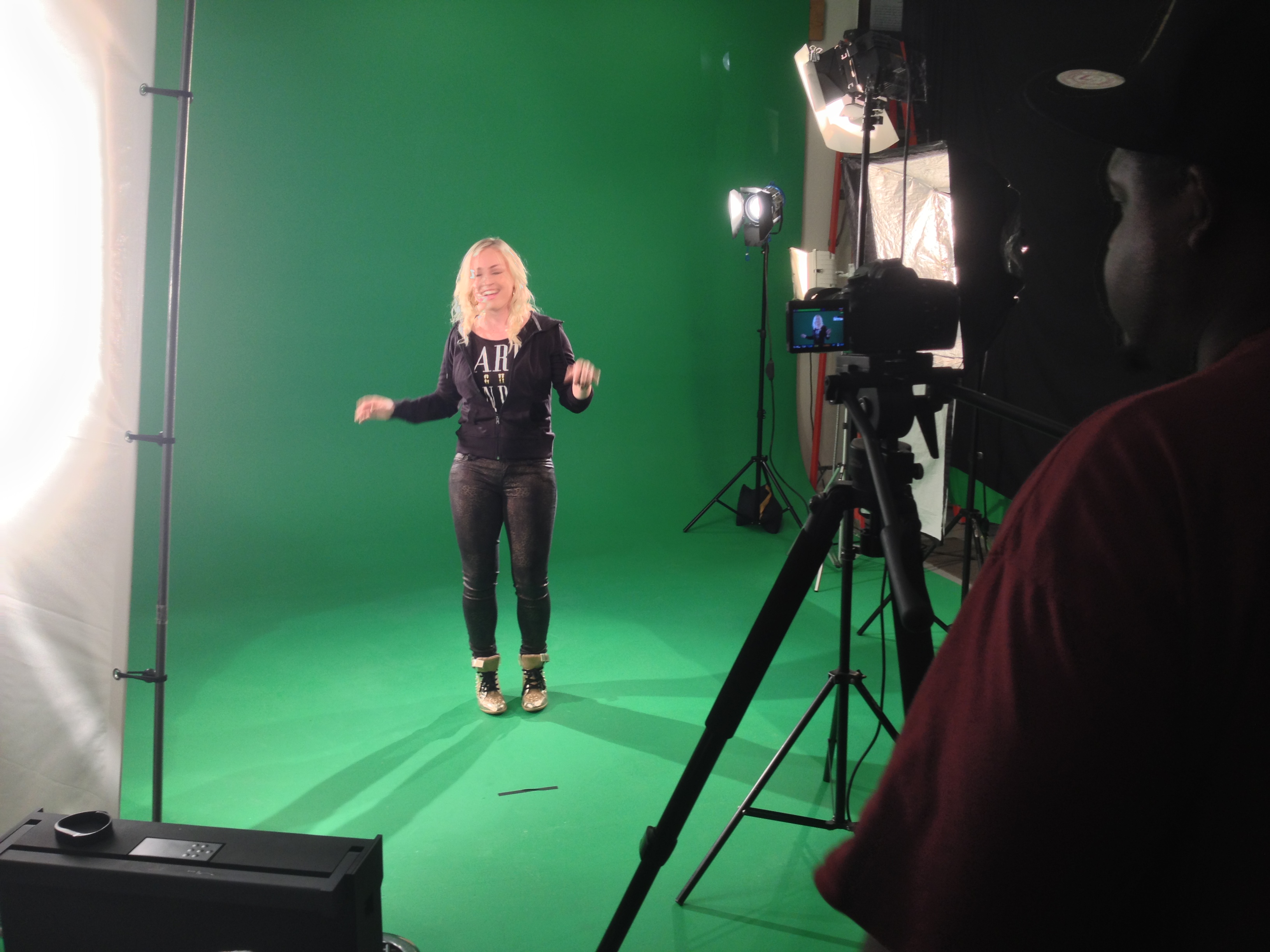
We are a full-service professional commercial photography and video production company with the right equipment and creative crew service experience for successful image acquisition. We offer full-service studio and location video and photography, as well as editing, post-production, and licensed drone services. St Louis Headshot Photographer can customize your productions for diverse types of media requirements.

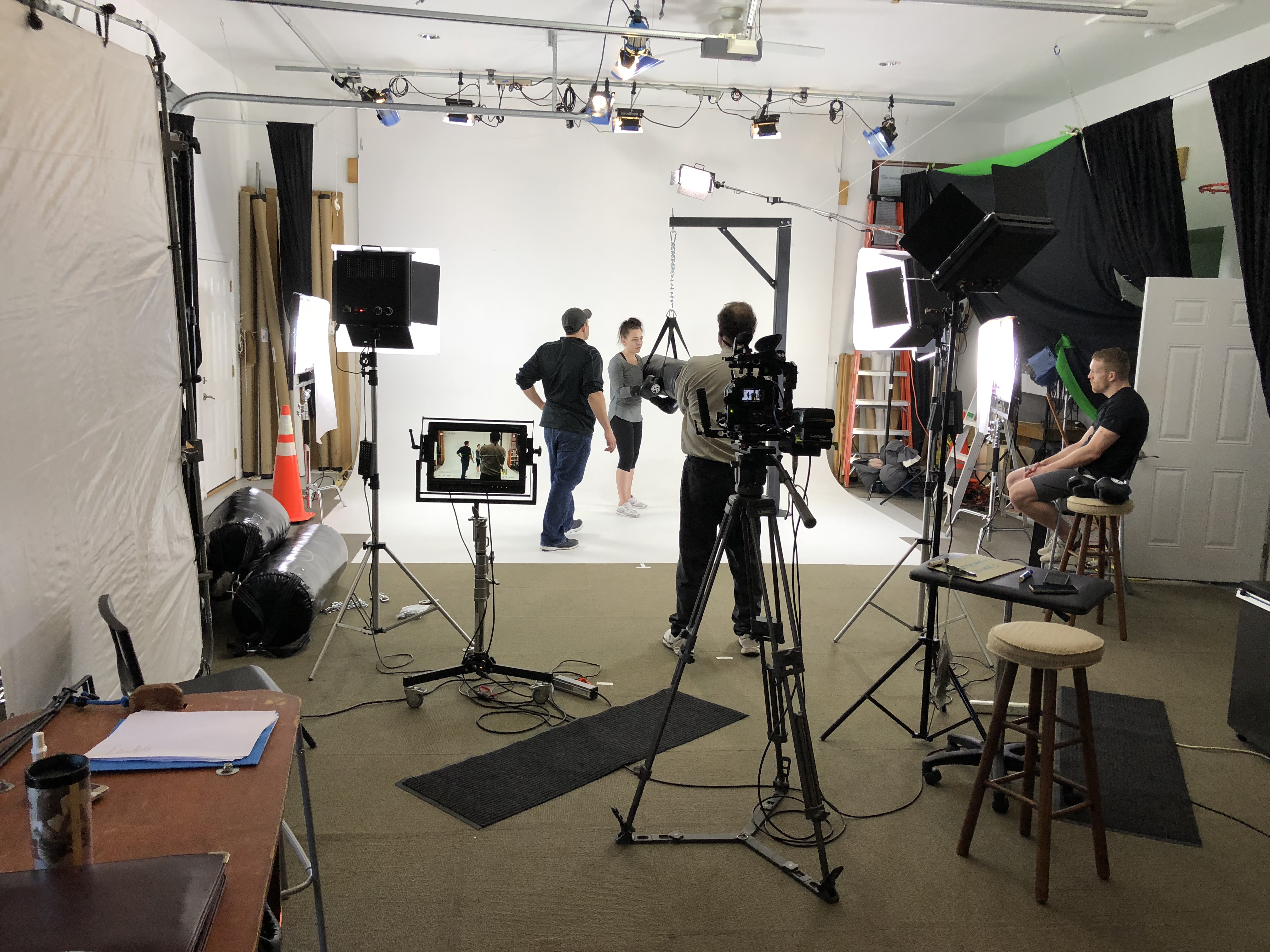
Repurposing your photography and video branding to gain more traction is another specialty. We are well-versed in all file types and styles of media and accompanying software. We use the latest in Artificial Intelligence for all our media services. Our private studio lighting and visual setup is perfect for small productions and interview scenes, and our studio is large enough to incorporate props to round out your set.

We support every aspect of your production, from setting up a private, custom interview studio to supplying professional sound and camera operators, as well as providing the right equipment, ensuring your next video production is seamless and successful. We can fly our specialized drones indoors.

Whether you need a polished individual portrait in the studio, consistent headshots for an entire department at your offices, or a broader content production that combines headshots with video and branding visuals, St Louis Headshot Photographer has the experience, flexibility, and production capability to help you create images that work hard for your business.

314-913-5626
Mike Haller
saintlouisbusinessportraits@gmail.com

Studio upon appointment, please: 4501 Mattis Road St. Louis, MO 63128
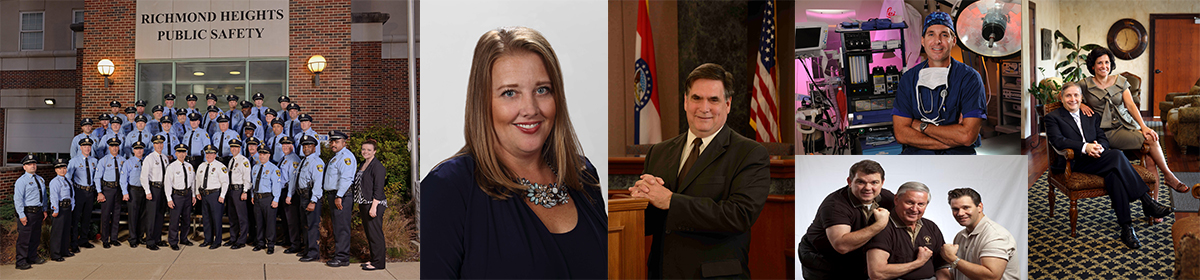
The Strategic Guide to Economical Tradeshow Photography and Headshots in St. Louis.

Trade shows are expensive by design. Booth fees, drayage, travel, sponsorships, print, giveaways—before you’ve even talked to a qualified lead, you’re already deep into the budget.

That’s why “economical” trade show photography and headshots can’t mean “cheap.” It has to mean efficient, predictable, and outcome-driven: the right coverage, captured quickly, delivered fast, and repurposed across your marketing channels so the event keeps paying you back long after the show floor closes.

As an experienced videographer, photographer, and producer at St Louis Headshot Photographer, here’s how we help St. Louis-area organizations get maximum marketing value from trade show photography and headshots—without wasting time or money.


Why Trade Show Photography Is a Budget Multiplier (When Done Correctly)

Decision makers don’t buy “photos.” They buy momentum:

  • Proof your team showed up strong (brand perception)
  • Visuals that validate your presence (credibility)
  • Content that extends the show’s lifespan (marketing velocity)
  • Assets that support sales follow-up (conversion support)

High-performing trade show photography creates content that works across:

  • Post-show email sequences
  • LinkedIn company page + executive profiles
  • Case studies and capability decks
  • Recruiting and culture posts
  • PR releases and internal comms
  • Landing pages and paid social

The goal is not to “document” the event. The goal is to manufacture marketing inventory in a single day.


What “Economical” Actually Means for Trade Show Coverage

Economical coverage is a strategy—not a price point. It means we design the shoot to eliminate waste:

1) Pre-planned shot list = fewer hours, better results

A trade show floor is chaos. If you “wing it,” you burn time and miss key assets. We plan around:

  • Booth hero shots (clean, brand-forward angles)
  • Product/service demos (hands, interaction, screens)
  • Lead engagement (real conversations, not staged awkwardness)
  • Team presence (approachable, professional, active)
  • VIP moments (executives, partners, awards, speaking slots)
  • Environmental storytelling (crowd, signage, location context)

2) Coverage timed around peak moments

The most valuable content happens at predictable times:

  • Opening rush
  • Scheduled demos
  • Guest visits
  • Talks/panels
  • VIP tours
  • Team staffing overlaps (more faces, more energy)

We structure coverage to capture those windows efficiently—then move into headshots when the booth slows.

3) The “repurposing mindset” from the first frame

Every shot is captured with downstream use in mind:

  • Croppable compositions for web banners and social
  • Consistent lighting and color so assets mix well
  • Horizontal + vertical options when needed
  • Extra negative space for text overlays in ads

That’s how you leave with a library that fuels weeks (or months) of content.


On-Site Headshots at Trade Shows: The Highest ROI Add-On You Can Make

If your team is already together, dressed professionally, and in “public mode,” a trade show is the perfect time to refresh headshots.

A smart on-site headshot plan gives you:

  • Consistent, modern headshots for your whole team
  • Executive portraits for PR and speaking bios
  • New images for proposals, email signatures, and LinkedIn
  • Faster onboarding assets for new hires (if scheduled)

The economical way to do trade show headshots

We keep it simple and professional:

  • A compact, controlled lighting setup
  • Efficient posing workflow (fast, flattering, repeatable)
  • Quick rotation so you don’t lose booth coverage
  • A consistent look across all team members

You’re not trying to create magazine covers in a hallway. You’re building clean, confident, brand-aligned portraits that elevate your entire organization’s presentation.


Common Mistakes That Make Trade Show Photography Waste Money

Here’s where budgets get quietly torched:

Mistake 1: Only shooting wide booth shots

Wide shots are necessary, but they’re rarely the assets that drive engagement. The most valuable images show:

  • People interacting
  • Hands demonstrating
  • Expressions and conversations
  • “Proof of interest” moments

Mistake 2: Not capturing leadership + partners intentionally

If your VP of Sales meets a major partner and there’s no photo, it didn’t happen (in marketing terms). We plan for:

  • Executive moments
  • Partner photos
  • Customer visit photos
  • Sponsor/association moments

Mistake 3: No plan for delivery and reuse

If images come back late—or unorganized—your marketing team won’t deploy them. Fast delivery and usable structure is part of “economical.”


A Practical Shot List for Decision Makers

If you want content that works, prioritize this hierarchy:

  1. Hero booth images (clean, branded, no clutter)
  2. Engagement images (leads + demos + conversations)
  3. Team at work (not posed, but intentional)
  4. Executive/partner moments
  5. Detail shots (signage, product, screens, handouts)
  6. Headshots (consistent set, fast rotation)
  7. A few “culture” shots (energy, smiles, candid confidence)

This mix supports sales, marketing, recruiting, and PR—without inflating coverage time.


Tips to Make Your Trade Show Photo Investment Pay Off Immediately

Here are a few tactical moves that consistently improve results:

  • Assign a booth “traffic cop.” One person helps coordinate who steps out for headshots and when.
  • Keep the booth photo-ready. Clear clutter zones, hide personal bags, and straighten signage.
  • Build a 10-minute buffer around speaking slots. That’s when leadership photos matter most.
  • Capture customer stories while they’re fresh. A quick photo with a happy client can become a high-performing social post the same day.
  • Plan your post-show rollout before the show ends. If your marketing team knows what’s coming, they’ll publish faster.

The Bottom Line: Economical Doesn’t Mean Minimal—It Means Strategic

Trade shows are one of the few moments where your brand, your people, and your customers are all in the same physical space. Capturing that intelligently is how you turn a one-time event into an ongoing asset engine.


Why St Louis Headshot Photographer Is Built for Efficient, High-Value Tradeshow Coverage

At St Louis Headshot Photographer, we’re not just taking photos—we’re producing deliverables for real-world marketing use.

We are a full-service professional commercial photography and video production company with the right equipment, creative crew, and service experience for successful image acquisition. We offer full-service studio and location video and photography, plus editing, post-production, and licensed drone services. St Louis Headshot Photographer can customize productions for diverse media requirements, and repurposing your photography and video branding to gain more traction is a core specialty.

We’re well-versed in all file types, media styles, and the software workflows marketing teams depend on—and we use the latest Artificial Intelligence across our media services when it improves efficiency, consistency, and turnaround. Our private studio lighting and visual setup is ideal for small productions and interview scenes, and our studio space is large enough to incorporate props to round out your set. We support every aspect of production—from setting up a private, custom interview studio to supplying professional sound and camera operators and the right equipment—ensuring your next video production is seamless and successful. We can even fly specialized drones indoors when the project calls for it.

And as a full-service video and photography production corporation since 1982, St Louis Headshot Photographer has worked with many businesses, marketing firms, and creative agencies across the St. Louis area—helping them capture tradeshow visuals and headshots that look premium, deploy quickly, and keep working long after the event ends.

314-913-5626
Mike Haller
Studio upon appointment, please: 4501 Mattis Road St. Louis, MO 63128
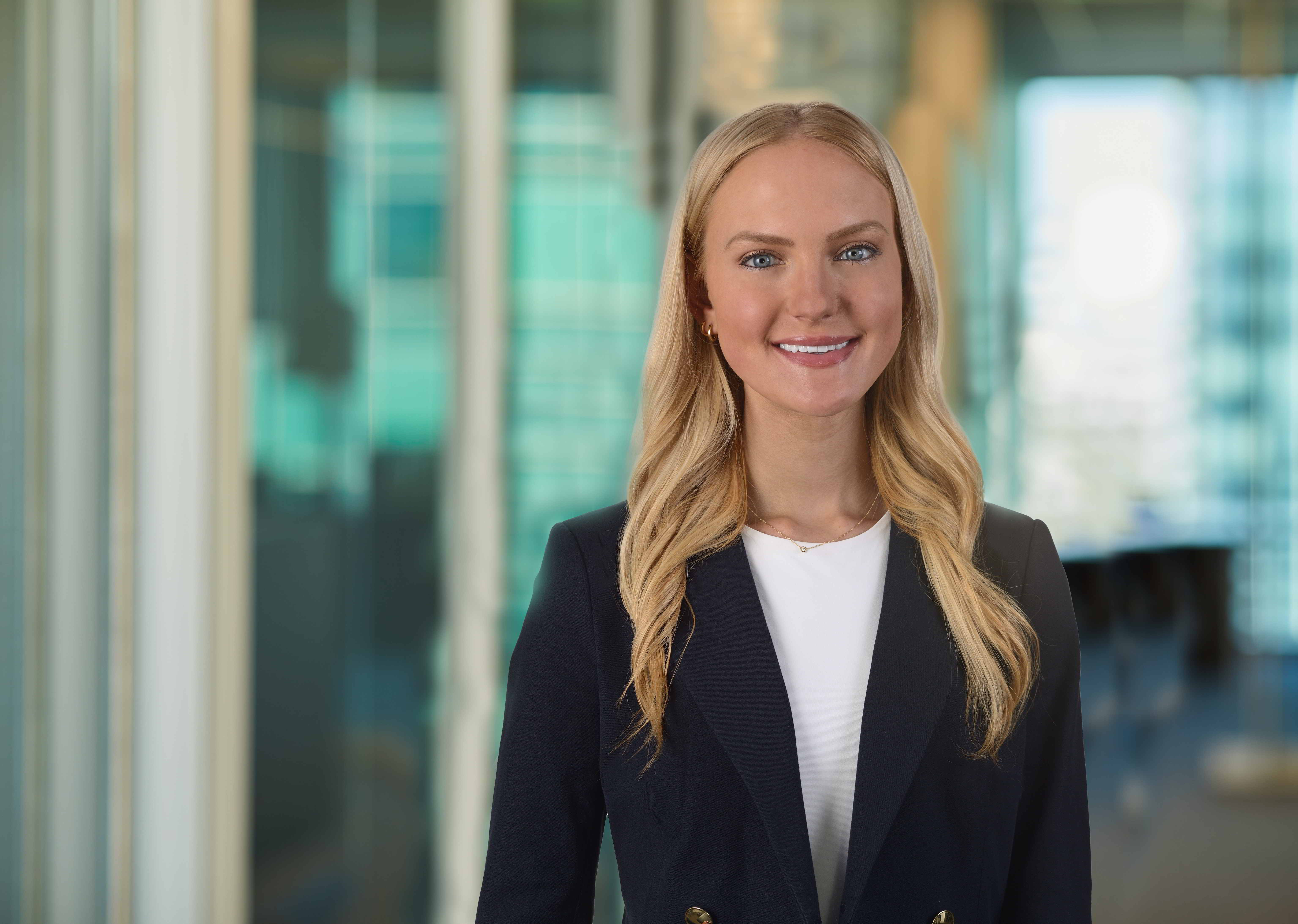
Build Your Team’s Headshot Style Guide Now: A Practical Playbook for Consistent, High-Impact Brand Portraits

Most organizations have brand standards for logos, colors, fonts, and messaging. But the visual element people see most often—on your website, proposals, LinkedIn, email signatures, speaker bios, and recruiting pages—isn’t your logo.

It’s your people.

When headshots vary wildly in lighting, background, crop, wardrobe, and retouching style, your brand looks inconsistent—even if everything else is dialed in. The fix is not “a better headshot day.” The fix is a Headshot Style Guide: a simple, repeatable standard that keeps every portrait aligned with your brand across teams, departments, and years.

If you’re responsible for marketing, communications, HR, or business development, this is one of the highest-ROI brand consistency projects you can launch.


What a Headshot Style Guide Does (and Why Decision Makers Should Care)

A headshot style guide is a clear set of choices that makes future portraits predictable, repeatable, and on-brand. It prevents:

  • Department-by-department “random headshot” decisions
  • Leadership images that look premium while the rest look mismatched
  • Rework, emergency replacements, and inconsistent retouching
  • Slow onboarding because new hires don’t have usable images

It also improves outcomes that matter:

  • Higher trust on bio pages, service pages, and proposals
  • Stronger recruiting perception (professionalism and culture)
  • Faster content publishing (web, sales, PR, internal comms)
  • Cleaner repurposing of assets across channels

Step 1: Decide What Your Headshots Need to Communicate

Start with positioning. Your headshot system should match your brand.

Common use cases:

  1. Executive / corporate authority (clean, timeless, premium)
  2. Approachable professional (warm, confident, client-facing)
  3. Modern / creative industry (more personality, slightly stylized)
  4. Healthcare / education / public service (trust and clarity)

This is the step most teams skip—then they end up approving images based on personal taste instead of brand intent.


Step 2: Lock the Four Non-Negotiables

A) Background standard

Pick a background strategy that scales over time:

  • Seamless white or light gray (versatile and easy to match later)
  • Neutral gray gradient (classic and executive)
  • Environmental blur (modern, but harder to keep consistent)
  • Brand-color background (memorable, but must be controlled carefully)

If you hire frequently, neutral backgrounds are usually the most future-proof.

B) Lighting style

Lighting is the real “signature.” Decide:

  • Soft and flattering vs. more contrast and drama
  • Consistent catchlights (eye sparkle)
  • Shadow density kept consistent across subjects
  • Consistent color temperature (avoid mixed lighting that shifts skin tone)

C) Crop and framing

Define exact crops for each channel:

  • Website bio (head + upper chest)
  • LinkedIn (head + shoulders)
  • Speaker/PR (more breathing room)
  • Teams/Slack avatar (tight head crop)

Standardize eye height, headroom, and shoulder angle so a leadership grid looks unified.

D) Retouching rules

Retouching is where brands drift the fastest. Define:

  • Natural cleanup vs. more polished commercial retouch
  • Under-eye reduction (subtle)
  • Texture preserved (avoid plastic skin)
  • Flyaway hair cleanup
  • Teeth whitening (minimal, if any)
  • Color grading consistency across the whole set

Write it down—so “style” doesn’t change every time an approver changes.


Step 3: Wardrobe Guidance That People Follow

Your guide should give people easy wins.

Recommend:

  • Solid colors and simple patterns
  • Mid-tones and darker tops for light backgrounds
  • Jackets/blazers for leadership and business development
  • A consistent “level of formality” by department (so a team looks like a team)

Avoid:

  • Tiny patterns (moire on camera)
  • Distracting logos
  • Bright whites against white backgrounds
  • Wrinkled fabrics (reads unprepared instantly)

A simple one-page “what to wear” sheet increases compliance dramatically.


Step 4: Standardize Expression, Posture, and Energy

A headshot is not just lighting and lens choice—it’s direction.

Define:

  • Smile level (neutral, soft smile, full smile) by role type
  • Posture cues (slight lean forward reads engaged and confident)
  • Chin and head angle standards
  • Relaxed shoulders and natural stance

Great headshots are coached—so people look confident, consistent, and human.


Step 5: Choose the System That Fits Your Organization

Option A: Annual/biannual headshot day

Best for large teams. Predictable budget. Maximum consistency.

Option B: Rolling onboarding sessions (monthly/quarterly)

Best for organizations hiring often.

Option C: Hybrid

Leadership refresh annually + quarterly onboarding sessions.

Include who owns the system (Marketing, HR, Comms) and how often refreshes happen.


Step 6: Specify Deliverables So You Don’t Pay Twice

A good shoot can still fail if the deliverables aren’t practical.

Your guide should define:

  • High-resolution JPG + archival format if required
  • Web-optimized versions sized for your CMS
  • Transparent PNG cutouts if you place portraits in designs
  • Naming convention: Lastname_Firstname_Department_YYYY
  • Cropped set for LinkedIn, web bio, speaker, and avatar
  • Standard color space (sRGB for web)

This prevents endless cropping, resizing, and “can we redo the exports?”


Step 7: Create an Exception Policy (Because Exceptions Multiply)

Someone will ask for a different background or heavy retouching. Your guide should say:

  • What exceptions are allowed
  • Who approves exceptions
  • How exceptions are documented
  • How exceptions stay contained so the whole library doesn’t drift

This is how brands protect consistency.


Step 8: Make It Real With a One-Page Reference Sheet

The style guide should have a one-page “at a glance” sheet:

  • Background example
  • Lighting example
  • Cropping examples for each channel
  • Wardrobe do/don’t
  • Retouching statement
  • Prep checklist (lint roller, rest, hydration, etc.)

If it’s easy to use, it gets used.


How St Louis Headshot Photographer Helps Organizations Implement This

At St Louis Headshot Photographer, we help businesses and organizations build a headshot system that stays consistent across departments, locations, and years—not just a one-time photo day.

We’re a full-service professional commercial photography and video production company with the right equipment and creative crew service experience for successful image acquisition. We offer full-service studio and location video and photography, plus editing and post-production and licensed drone capabilities. St Louis Headshot Photographer can customize productions for diverse media requirements, and repurposing your photography and video branding to gain more traction is another specialty. We’re well-versed in all file types, media styles, and the accompanying software, and we use the latest in Artificial Intelligence across our media services to improve consistency, speed, and deliverable flexibility.

Our private studio lighting and visual setup is ideal for small productions and interview scenes, and our studio is large enough to incorporate props to round out your set. We support every aspect of your production—from setting up a private, custom interview studio to supplying professional sound and camera operators, as well as providing the right equipment—ensuring your next video production is seamless and successful. We can fly specialized drones indoors when the project calls for it.

As a full-service video and photography production corporation serving the St. Louis area since 1982, we’ve partnered with businesses, marketing firms, and creative agencies to deliver headshots and marketing media that look intentional, consistent, and ready for real-world use.

If you want your brand to look unified everywhere your team appears, the best time to build your headshot style guide is now.

314-913-5626 Mike Haller

Beyond the Frame: Navigating the Evolution of Modern Executive Imagery

In the contemporary digital economy, a headshot is no longer a static portrait relegated to the “About Us” page. It has evolved into a high-utility brand asset—a visual handshake that communicates authority, accessibility, and cultural alignment within seconds. For marketing directors and production decision-makers, staying ahead of visual trends is not about chasing fads; it is about ensuring your organization’s leadership remains relevant in an increasingly sophisticated visual marketplace.

As the landscape of commercial media shifts, we are seeing a departure from the sterile, one-size-fits-all approach of the past. Today’s most effective headshots leverage technical precision to tell a deeper story.

The Shift Toward Environmental Narrative

While the classic studio gray remains a staple for consistency, there is a growing demand for “Environmental Headshots.” These images place the subject within a context—be it a sleek architectural background or a softly blurred office environment—that speaks to their industry. This trend prioritizes a sense of place, helping to humanize the executive and bridge the gap between the screen and the viewer.

Authentic Connection via Candid Motion

Static poses are giving way to “active” portraits. We are increasingly directing subjects to engage in micro-movements, capturing the moment between the pose. This results in a more natural, less curated appearance that fosters trust. In an era of skepticism, authenticity is the highest currency; imagery that feels lived-in rather than manufactured resonates more deeply with B2B and B2C audiences alike.

Strategic Color Theory and High-Contrast Lighting

Modern corporate palettes are moving away from traditional blues and toward more intentional, brand-specific color stories. We are seeing a rise in high-contrast “Cinematic Lighting,” which uses shadow to create depth and dimension. This style, borrowed from high-end video production, provides a premium feel that distinguishes high-level leadership from the competition.

Multi-Media Optimization

A “fresh” headshot is one that is captured with its final destination in mind. This means shooting with “negative space” for graphic overlays on LinkedIn banners, or capturing high-resolution files that can be cropped for various social ratios without losing fidelity. The trend is moving toward a “capture once, use everywhere” philosophy, where the technical execution facilitates seamless cross-platform deployment.


Your Partner in Strategic Media Acquisition: St Louis Headshot Photographer

Navigating these trends requires more than just a camera; it requires a production partner with a legacy of excellence and a future-focused toolkit. St Louis Headshot Photographer is a full-service professional commercial photography and video production company. Since 1982, we have served as a trusted resource for businesses, marketing firms, and creative agencies throughout the St. Louis region.

We provide the sophisticated equipment and the seasoned creative crew necessary for successful image acquisition across every medium. Our capabilities are designed to meet the rigorous demands of modern marketing:

  • Comprehensive Production Services: We offer full-service studio and location video and photography. Our private studio is optimized for lighting and visual setups perfect for interviews and small productions, with enough space to incorporate props and custom sets.
  • Cutting-Edge Technology: We are well-versed in all file types and media styles, utilizing the latest in Artificial Intelligence to enhance our post-production and editing workflows, ensuring your assets are polished to the highest industry standards.
  • Aerial and Specialized Perspectives: Our team includes licensed drone pilots capable of capturing sweeping exterior views or flying specialized drones indoors for dynamic, immersive tours of your facility.
  • Asset Maximization: We specialize in customizing productions for diverse media requirements and repurposing your photography and video branding to ensure you gain maximum traction from every session.
  • End-to-End Support: From designing a private, custom interview studio to providing professional sound and camera operators, we manage every logistical detail to ensure your production is seamless.

Whether you are looking to refresh your executive team’s portraits or produce a high-end commercial video, St Louis Headshot Photographer brings over four decades of experience to your set. We don’t just take pictures; we build the visual infrastructure for your brand’s success.

314-913-5626 Mike Haller

saintlouisbusinessportraits@gmail.com

Stop Scaring Candidates: Why Your Team’s Headshots Are Hurting Talent Acquisition

If you’re investing heavily in employer branding, recruiting campaigns, and talent acquisition—but your team’s headshots look like a mix of DMV photos, blurry phone selfies, and decade-old portraits—you’re quietly undercutting your own efforts.

Candidates don’t just read your job descriptions; they look at your people. They judge whether they can see themselves working alongside your team. And in a market where top talent has options, the wrong visual cues can push great candidates away before they ever click “Apply.”

From the perspective of a headshot and corporate imaging team that works with companies every week, let’s unpack how your current headshots might be hurting recruiting—and what to do about it.


1. Candidates Read Headshots as Culture Signals

Most organizations think of headshots as a “nice-to-have” profile picture for the website. Candidates see something very different:

  • Are these people approachable?
  • Does this company look organized and modern—or dated and chaotic?
  • Do any of these people look like someone I’d want to work for or with?

When headshots are inconsistent or poorly executed, they send the wrong signals:

  • A mix of lighting styles and crops suggests no clear standard or no one is paying attention.
  • Harsh, unflattering images can come across as cold, rigid, or overly corporate—even if your culture is actually collaborative and supportive.
  • Casual phone photos next to polished portraits scream “we don’t treat everyone equally” or “this isn’t important to us.”

Whether you intend it or not, your visuals communicate your culture long before your recruiters do.


2. Inconsistent Headshots Erode Trust and Professionalism

You’ve spent years building a brand voice, visual identity, and messaging platform. Your logo, fonts, and color palette are all controlled.

Then a candidate visits your “About” or “Team” page and sees:

  • Some people in studio-lit portraits
  • Others in random office snapshots
  • A few in vacation or wedding photos cropped into circles
  • A handful of obviously outdated images from another era

That disconnect is jarring. It quietly raises questions:

  • If they can’t manage their own visual standards, what else is loosely managed?
  • If this is their outward-facing image, what does it look like on the inside?

Good candidate experience is about trust. Professional, consistent headshots tell candidates, “We care about details—and we’ll likely care about the details that matter to you, too.”


3. Outdated Images Undermine Your DEI Story

Many organizations are working hard to present a more inclusive, diverse, and current picture of their workforce. But your headshots may not be keeping up.

Common problems:

  • Old photos that don’t match reality – People who left the company are still on the website, while newer hires aren’t represented at all.
  • Significant appearance changes – Hair, glasses, style, and even age differences can make a photo feel misleading.
  • Leadership-only updates – Executives have polished new portraits while the rest of the team looks like an afterthought.

For candidates paying attention to representation and authenticity, this creates friction. If the visual story doesn’t align with the current culture and workforce, your DEI messaging rings hollow.

A modern, regularly updated headshot program ensures everyone is shown as they are now—not as they were five or ten years ago.


4. Bad Headshots Increase Anxiety and Hurt Candidate Confidence

Put yourself in a candidate’s shoes. They’re about to interview with three people whose photos appear on your website and LinkedIn.

What they see:

  • A stern, overly dramatic headshot with heavy shadows and no smile
  • A dimly lit image where the subject looks exhausted or unhappy
  • An awkward pose that feels cold or confrontational

Even if those people are kind, collaborative leaders in reality, the visual impression says something else: intimidating, rigid, maybe even unpleasant.

Candidates might:

  • Over-rehearse and show up guarded
  • Assume the environment is overly formal or unforgiving
  • Decide to withdraw entirely if your competitors appear more welcoming

Headshots should reduce anxiety and humanize your team—not scare candidates away before they’ve met you.


5. Internal Inequities Show Up on the Team Page

Candidates are smart. They notice when:

  • Senior leadership photos are carefully lit and retouched
  • Mid-level managers have decent photos
  • Support staff, operations, or frontline employees have poor or no visual representation

That hierarchy of image quality hints at a hierarchy of value. It can unintentionally suggest:

  • Some roles are worth investing in visually; others are not
  • Not everyone is equally important in your story
  • Certain departments, locations, or demographics are second-tier

For recruitment—especially for roles outside of leadership—that’s a problem. A better approach: set a uniform headshot standard for everyone, regardless of title. When everyone is photographed well, you’re telling candidates, “Every person here matters.”


6. Visual Incoherence Slows Down Recruiting Operations

Beyond perception, inconsistent headshots create real operational drag:

  • Every time an offer is accepted, someone asks: “How do we get a headshot for the website and LinkedIn?”
  • Marketing, HR, and IT trade emails trying to find the “least bad” photo in someone’s camera roll.
  • Different recruiters give different instructions: “Use your LinkedIn photo,” “Just send whatever you have,” “We’ll figure it out later.”

This costs time and delays. Worse, it means your brand and your employer image are never truly under control.

A standardized, professionally produced headshot system streamlines this:

  • New hires know exactly what to expect.
  • Talent acquisition simply plugs into an established process.
  • Marketing always gets correct file formats, sizes, and naming conventions.

It’s not just about aesthetics; it’s about making recruiting faster and smoother.


7. What “Candidate-Friendly” Headshots Actually Look Like

So what does a headshot system that helps talent acquisition look like in practice?

A. Approachable, not stiff

  • Natural, genuine expressions (not forced smiles or blank stares)
  • Slight angle to the body rather than rigid, straight-on posing
  • Eyes clearly visible and engaged with the viewer

B. Clean, consistent backgrounds

  • A unified studio look or a consistently blurred office environment
  • No visual clutter, harsh patterns, or distracting elements
  • Background tones that complement skin tones and your brand palette

C. Flattering, honest lighting

  • Professional lighting that opens up the eyes and minimizes harsh shadows
  • Careful handling of glasses, hair, and different skin tones
  • Balanced retouching that respects authenticity—no plastic skin or unrealistic alterations

D. Alignment with your culture

  • More formal, structured looks for certain industries (financial, legal, healthcare)
  • Slightly looser, modern energy for tech, creative, and innovation-driven teams
  • Visual style that matches the voice and tone of your employer brand materials

When done well, a candidate browsing your website should think, “These people look like real professionals—and like people I could actually talk to.”


8. Building a Headshot Program That Supports Talent Acquisition

A recruiting-friendly approach to headshots isn’t a one-off photo day; it’s a system.

Step 1: Create a headshot style guide

Document:

  • Crop, orientation, and framing
  • Background style and color
  • Lighting approach and overall mood
  • Wardrobe recommendations
  • Retouching standards

This becomes the visual equivalent of your brand guidelines—specifically for people photography.

Step 2: Align HR, marketing, and leadership

Make headshots an integrated part of:

  • Onboarding
  • Employer brand and careers content
  • Leadership communication and PR

When everyone understands the value, it’s easier to allocate time and budget regularly—not just as a one-off.

Step 3: Schedule recurring headshot sessions

  • In-office headshot days for larger teams
  • Studio sessions for leadership and specialized roles
  • Options for remote hires to visit the studio or be photographed on designated days

This keeps your imagery current and prevents the “one and done… from eight years ago” problem.

Step 4: Centralize delivery and access

Ensure final files are:

  • Delivered in consistent formats and sizes for web, print, and LinkedIn
  • Named and organized in a way your team can search and update easily
  • Accessible to HR, talent acquisition, marketing, and design teams

A good production partner will build this workflow with you so your internal team isn’t reinventing the wheel every time.


9. The Payoff: Headshots as a Recruiting Asset, Not a Liability

When you stop treating headshots as an afterthought and start seeing them as a strategic employer branding tool, several things happen:

  • Candidates feel more at ease and more curious about your team
  • Your careers page, LinkedIn presence, and leadership materials all look aligned
  • Recruiters and hiring managers have a stronger visual story to support their outreach
  • Your organization looks like what it truly is—professional, modern, and people-focused

You can’t control every variable in talent acquisition. But you can control how your people are presented to the world.


How St Louis Headshot Photographer Can Help You Stop Scaring Candidates

Designing and executing a headshot program that supports talent acquisition takes more than just a camera and a backdrop. It requires a partner who understands brand consistency, candidate perception, and the realities of busy executives and teams.

That’s where we step in.

Experienced St Louis Headshot Photographer is a full-service professional commercial photography and video production company with the right equipment and creative crew service experience for successful image acquisition. We offer full-service studio and location video and photography, as well as editing, post-production and licensed drone pilots. St Louis Headshot Photographer can customize your productions for diverse types of media requirements. Repurposing your photography and video branding to gain more traction is another specialty. We are well-versed in all file types and styles of media and accompanying software. We use the latest in Artificial Intelligence for all our media services to enhance consistency, streamline delivery, and extend the life of your content.

Our private studio lighting and visual setup is perfect for small productions and interview scenes, and our studio is large enough to incorporate props to round out your set when your concept calls for it. We support every aspect of your production—from setting up a private, custom interview studio to supplying professional sound and camera operators, as well as providing the right equipment—ensuring your next video production is seamless and successful. We can even fly our specialized drones indoors when your project benefits from dynamic, controlled aerial perspectives.

As a full-service video and photography production corporation, since 1982 St Louis Headshot Photographer has worked with many businesses, marketing firms and creative agencies in the St. Louis area for their marketing photography and video. If you’re ready to stop scaring candidates and start using headshots as a powerful recruiting asset, we’re ready to help you design, implement, and maintain a system that works—for your brand, your team, and the talent you want to attract.

314-913-5626
Mike Haller
Studio by appointment: 4501 Mattis Road 63128
Common Headshot Mistakes Lawyers Make—And How to Avoid Them.

In the legal profession, credibility, trust, and authority are everything. Whether you’re a solo practitioner or part of a national firm, your image—quite literally—matters. Your headshot isn’t just a photograph; it’s a tool that shapes perception. For attorneys, especially those who are client-facing, media-visible, or part of leadership, a poor headshot can silently erode the trust you’ve spent years building.

At St Louis Headshot Photographer, we’ve worked with countless law firms and attorneys over the decades. What we’ve found is that even the most detail-oriented legal professionals often overlook common mistakes in their headshots. Let’s break down the most frequent missteps and what firms can do to correct them.


Mistake #1: Using an Outdated or Inconsistent Headshot

Lawyers often put off updating their headshots for years. If your headshot is more than five years old or no longer resembles your current appearance, it can send the wrong message. Clients might subconsciously question your attention to detail—or feel a disconnect when meeting you in person.

The fix: Make updating headshots a regular part of your firm’s brand management cycle. Ensure all attorneys have recent, cohesive, and consistent images that reflect your current brand and culture.


Mistake #2: Inconsistent Team Presentation Across the Firm

A common issue for larger law firms is the “mismatched portrait syndrome”—where some attorneys have professional headshots, others have smartphone selfies, and some reuse cropped family photos. This inconsistency undermines the firm’s image and sends mixed messages to clients and partners.

The fix: Standardize your headshot process. Use the same lighting setup, background style, posture guidance, and expression coaching for each attorney. This creates brand cohesion and visual harmony on your website, pitch materials, and professional profiles.


Mistake #3: Posing Too Formally or Too Casually

The courtroom is formal, but your photo doesn’t need to look stiff or robotic. On the flip side, being too relaxed or quirky can hurt perceptions of competence and seriousness—especially in high-stakes practice areas like litigation, estate law, or corporate governance.

The fix: Strike a balanced tone. We guide attorneys into confident, approachable poses that convey both competence and professionalism. Posture, facial expression, and wardrobe play huge roles here—and we provide expert direction during each session to ensure the image aligns with your professional identity.


Mistake #4: Poor Lighting and Background Choices

Legal headshots demand a refined, distraction-free look. Harsh shadows, overly bright lighting, or cluttered backgrounds can degrade even the best-dressed attorney’s image. Natural light may work in some cases, but not when it sacrifices clarity or color balance.

The fix: Use a controlled studio or custom office setup with professional lighting designed specifically for portraiture. At St Louis Headshot Photographer, our private studio and mobile setups are calibrated to produce flattering, high-resolution portraits that print and publish cleanly across all platforms.


Mistake #5: Over-Retouching or Lack of Retouching

Excessive editing can make attorneys appear artificial or insincere. On the other hand, not retouching at all can leave distracting blemishes, flyaway hairs, or inconsistent tones that detract from the overall image.

The fix: Choose tasteful, professional retouching. We specialize in subtle post-production that enhances without altering. Skin tones stay natural, suits remain crisp, and the overall image remains polished—perfect for both print and digital use.


The Bigger Picture: Your Headshot Is a Brand Asset

For law firms, professional headshots aren’t just a “nice to have”—they’re essential branding assets. They appear in press kits, speaking engagement bios, website team pages, legal directories, LinkedIn profiles, and beyond. A bad headshot doesn’t just reflect poorly on the individual—it can weaken the credibility of the firm as a whole.


Why St Louis Headshot Photographer Is the Right Partner for Law Firms

At St Louis Headshot Photographer, we’ve specialized in producing high-impact portraits for professionals since 1982. We understand the nuances that separate a standard headshot from one that truly resonates in legal, corporate, and professional settings.

We’re not just photographers—we’re visual strategists. Our full-service commercial photography and video production company offers:

  • Custom studio and on-location photography
  • Professional lighting and custom backdrops
  • Expert posing and styling guidance
  • Subtle, high-end retouching
  • Full editing and post-production services
  • AI-enhanced workflow for accuracy and efficiency
  • Indoor drone services for branding assets and office overviews
  • Repurposing services to tailor your images and video content across print, web, and social media

Our private studio lighting and visual setup is ideal for attorneys looking for a quiet, professional space for refined portraits. Need custom branding visuals, marketing video content, or consistent team headshots across multiple offices? We’ve got it covered with scalable solutions and a creative crew that knows how to execute flawlessly.

From custom interview studios to full legal marketing asset creation, we support every aspect of image acquisition with precision, discretion, and professionalism.


Don’t let a simple photo send the wrong message.
Invest in headshots that reflect the integrity, experience, and credibility of your legal practice.

Work with St Louis Headshot Photographer—where image meets impact.

314-913-5626
Mike Haller
4501 Mattis Road 63128
saintlouisbusinessportraits@gmail.com

What to Wear for a Headshot That Gets Noticed: A Professional Guide

When it comes to making a lasting impression, your headshot speaks volumes before you ever say a word. Whether you are refreshing your company’s leadership page, updating your LinkedIn profile, or preparing marketing materials, the right headshot can enhance your brand’s credibility and approachability. However, achieving a standout headshot doesn’t rely solely on the photographer’s skills — what you wear plays a pivotal role too.

At St Louis Headshot Photographer, we’ve worked with countless professionals, executives, creatives, and teams to create headshots that truly resonate. Here’s our expert advice on how to choose the perfect wardrobe to ensure your headshot gets noticed — for all the right reasons.


1. Keep It Timeless, Not Trendy

Fashion trends come and go, but your headshot may serve you for several years. Choose classic pieces that reflect a professional image without dating your photo quickly. Solid colors, simple cuts, and clean lines are always safe bets. Avoid loud patterns, neon colors, or overly trendy pieces that can distract from your face.

Pro Tip: Navy, gray, black, and earth tones work well for a broad range of industries and skin tones, providing a polished and enduring look.


2. Focus on Fit

Ill-fitting clothing is one of the fastest ways to undermine a professional image. Clothes that are too baggy can make you appear sloppy, while overly tight clothing can look uncomfortable. Your wardrobe should complement your form without overpowering it.

Pro Tip: Before your session, try on your outfits and move around in them. You should feel confident, relaxed, and unrestricted.


3. Mind Your Neckline and Collar

Your face should be the star of your headshot. Avoid overly elaborate necklines, deep plunges, or extremely high collars that can compete for attention.

Men: Stick with well-pressed collared shirts. Depending on your brand, you may choose a jacket and tie or a more relaxed look without a tie.
Women: Choose tops or dresses with modest, structured necklines that frame your face beautifully without overwhelming it.


4. Choose the Right Colors

Color has a powerful psychological effect. Muted tones project professionalism and reliability, while bold colors can convey creativity and energy. Select colors that enhance your skin tone and eye color but avoid overly bright or reflective materials.

Pro Tip: If you’re unsure, bring a few options. Our experienced photographers at St Louis Headshot Photographer will help guide you on-site for the best choice under our professional lighting.


5. Consider Your Brand Image

Your attire should align with your personal or company brand. A financial consultant may opt for a sharp blazer and tie, while a creative entrepreneur may feel more authentic in smart-casual attire. Think about the message you want to send and dress accordingly.

Pro Tip: Imagine your ideal client or audience — dress the way you would to meet them for the first time.


6. Grooming and Accessories Matter

Small details make a big difference. Well-groomed hair, neat facial hair, and subtle makeup help polish your overall appearance. Keep accessories minimal — small earrings, classic watches, and subtle jewelry are ideal.

Pro Tip: Avoid shiny or reflective accessories that could catch studio lights and distract from your face.


7. Bring Options

We always recommend bringing 2-3 outfit choices to your headshot session. This allows for flexibility depending on lighting, background, and your final image goals.

Pro Tip: Pack your clothes on hangers to avoid wrinkles and have a lint roller on hand for last-minute touch-ups.


Why Trust St Louis Headshot Photographer for Your Professional Headshots?

At St Louis Headshot Photographer, we understand that creating an exceptional headshot is both an art and a science. With decades of experience as a full-service professional commercial photography and video production company, we have the right equipment, creative expertise, and service-minded approach to ensure successful image acquisition every time.

We offer full-service studio and location video and photography, including expert editing, post-production, and licensed drone pilot services. Our private studio lighting and custom visual setups are perfect for small productions and interview scenes, with a spacious studio environment that can accommodate props and customized sets.

We’re also deeply experienced in repurposing your photography and video branding to give your marketing efforts more traction across platforms. Well-versed in all file types, styles of media, and accompanying software, we stay ahead by using the latest in Artificial Intelligence technologies to enhance our photography and video services.

Whether you need a private custom interview studio setup, professional sound and camera operators, specialized indoor drone services, or complete production equipment, we have everything you need to make your next photography or video production perfect.

Since 1982, St Louis Headshot Photographer has been trusted by businesses, marketing firms, and creative agencies across the St. Louis area to deliver outstanding visual content that drives results. Let us help you create a headshot that doesn’t just get noticed — it makes a statement.

314-913-5626 Mike Haller

saintlouisbusinessportraits@gmail.com

Simple Steps to Plan Your Next Headshot

Headshots are a vital element of your professional image. They can significantly influence first impressions and impact how your brand is perceived. Whether you’re updating your corporate team photos or preparing for an individual profile picture, planning is essential to ensure the final result aligns with your objectives. Here’s a comprehensive guide to help you plan your next headshot effectively:

1. Define Your Objective

Start by identifying the purpose of your headshot. Are you aiming for a professional LinkedIn profile, a corporate website, or a promotional material? Understanding the intended use will guide many decisions, including style, background, and attire.

2. Choose the Right Photographer

Selecting an experienced photographer is crucial. Look for someone who specializes in headshots and has a portfolio that resonates with your vision. At St Louis Headshot Photographer, we have a long history of delivering high-quality headshots tailored to various business needs. Our team combines technical expertise with creative insights to ensure your headshot makes the right impact.

3. Prepare Your Wardrobe

Choose attire that reflects your professional role and the image you want to project. For a corporate setting, classic and neutral colors often work best. Avoid busy patterns or overly bright colors that can distract from your face. If you’re unsure, our photographers can offer guidance on wardrobe choices that will complement your headshot’s overall look.

4. Consider the Background and Lighting

The background of your headshot should enhance, not detract from, your image. A clean, professional backdrop is generally preferred for corporate headshots. Lighting plays a crucial role in highlighting your features. At St Louis Headshot Photographer, we use advanced lighting techniques to ensure your headshot looks polished and professional.

5. Grooming and Personal Presentation

Pay attention to grooming before your photo session. A fresh haircut, clean shave, or well-maintained makeup can make a significant difference in how your headshot turns out. Our team can provide tips on preparing for your shoot to ensure you look your best.

6. Communicate Your Vision

Discuss your vision and preferences with your photographer. Share any specific requests or ideas you have for your headshot. Clear communication helps in achieving the desired outcome and ensures that your headshot aligns with your professional goals.

7. Schedule Your Session

Plan your session at a time when you can be relaxed and focused. Avoid scheduling on a busy day to ensure you have the time and energy to fully engage in the process. Our studio at St Louis Headshot Photographer is equipped with private lighting setups and ample space to accommodate props, making it an ideal environment for your headshot session.

8. Review and Select Your Photos

After the shoot, review the proofs and select your preferred images. Our team will assist you in choosing the best photos that meet your objectives and provide editing services to enhance the final result.

9. Utilize and Repurpose Your Headshots

Once you have your final headshots, use them effectively across various platforms. Repurposing your headshots for different media types can maximize their impact. Our expertise in media and branding ensures your headshots are optimized for diverse applications.

Why Choose St Louis Headshot Photographer?

At St Louis Headshot Photographer, we bring decades of experience to every project. Since 1982, we have been delivering high-quality headshots and comprehensive video production services. Our full-service approach includes studio and location video and photography, editing, post-production, and licensed drone pilots. We customize productions to meet diverse media requirements and excel in repurposing photography and video branding to enhance traction.

Our private studio features advanced lighting and visual setups ideal for small productions and interview scenes. We also offer extensive equipment options, including specialized indoor drones. Whether you need a custom interview studio setup, sound and camera operators, or any other production elements, we have the expertise and resources to make your next video production perfect.

For a professional headshot that captures your best image and aligns with your business goals, trust St Louis Headshot Photographer to deliver exceptional results.


Feel free to reach out if you need more information or to schedule your session!

314-913-5626 Mike Haller

saintlouisbusinessportraits@gmail.com