Trade shows are expensive by design. Booth fees, drayage, travel, sponsorships, print, giveaways—before you’ve even talked to a qualified lead, you’re already deep into the budget.
That’s why “economical” trade show photography and headshots can’t mean “cheap.” It has to mean efficient, predictable, and outcome-driven: the right coverage, captured quickly, delivered fast, and repurposed across your marketing channels so the event keeps paying you back long after the show floor closes.
As an experienced videographer, photographer, and producer at St Louis Headshot Photographer, here’s how we help St. Louis-area organizations get maximum marketing value from trade show photography and headshots—without wasting time or money.
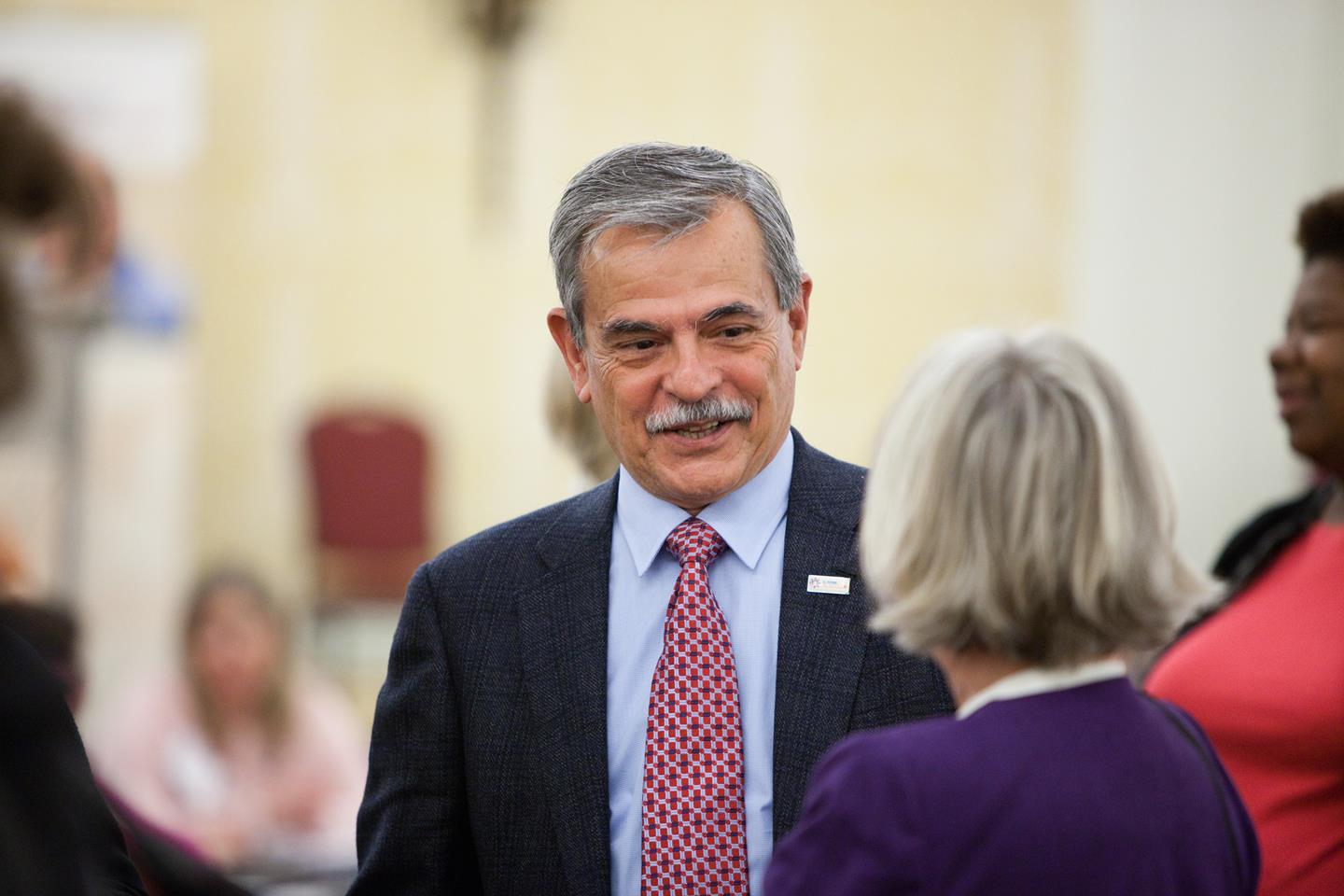
Why Trade Show Photography Is a Budget Multiplier (When Done Correctly)
Decision makers don’t buy “photos.” They buy momentum:
- Proof your team showed up strong (brand perception)
- Visuals that validate your presence (credibility)
- Content that extends the show’s lifespan (marketing velocity)
- Assets that support sales follow-up (conversion support)
High-performing trade show photography creates content that works across:
- Post-show email sequences
- LinkedIn company page + executive profiles
- Case studies and capability decks
- Recruiting and culture posts
- PR releases and internal comms
- Landing pages and paid social
The goal is not to “document” the event. The goal is to manufacture marketing inventory in a single day.
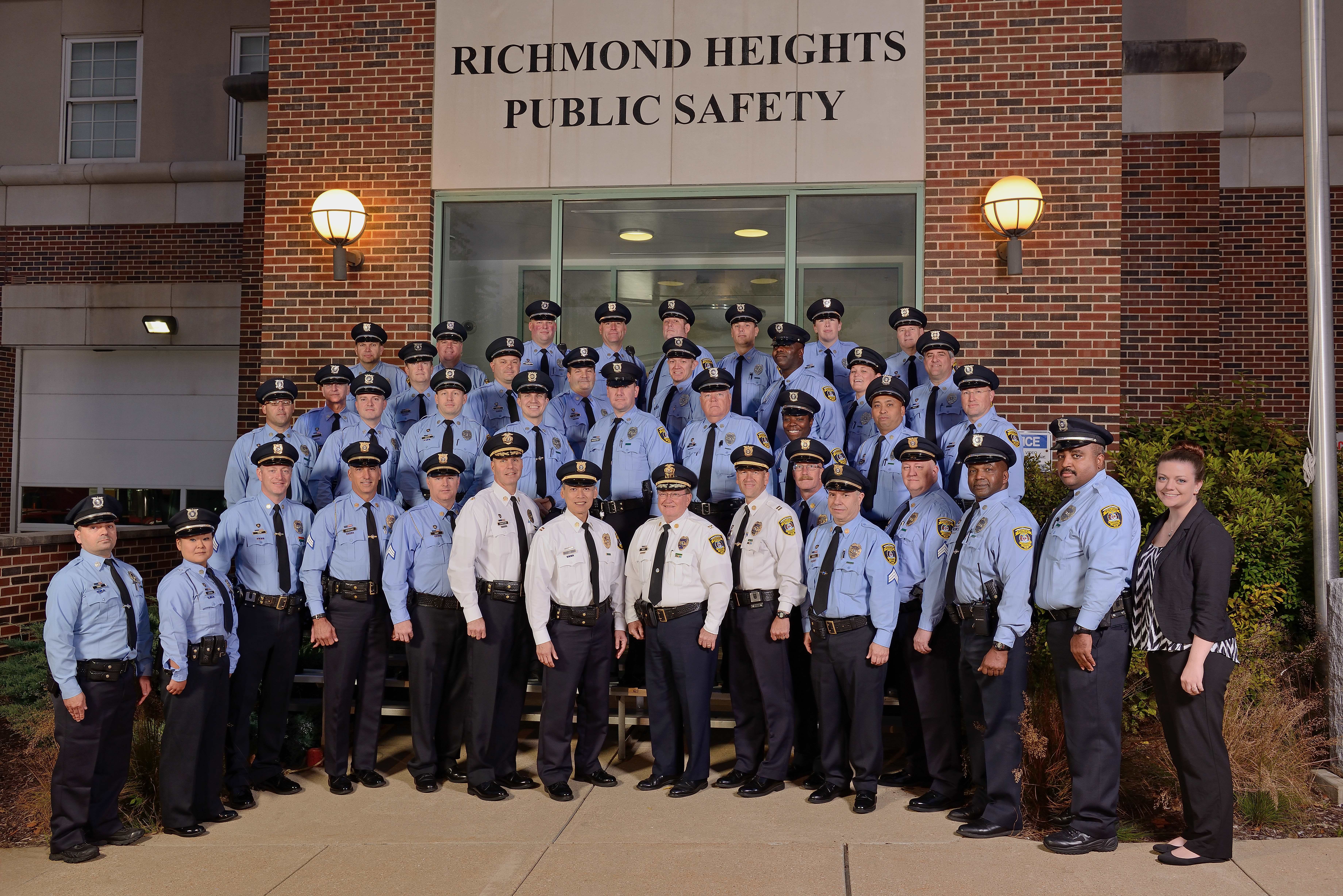
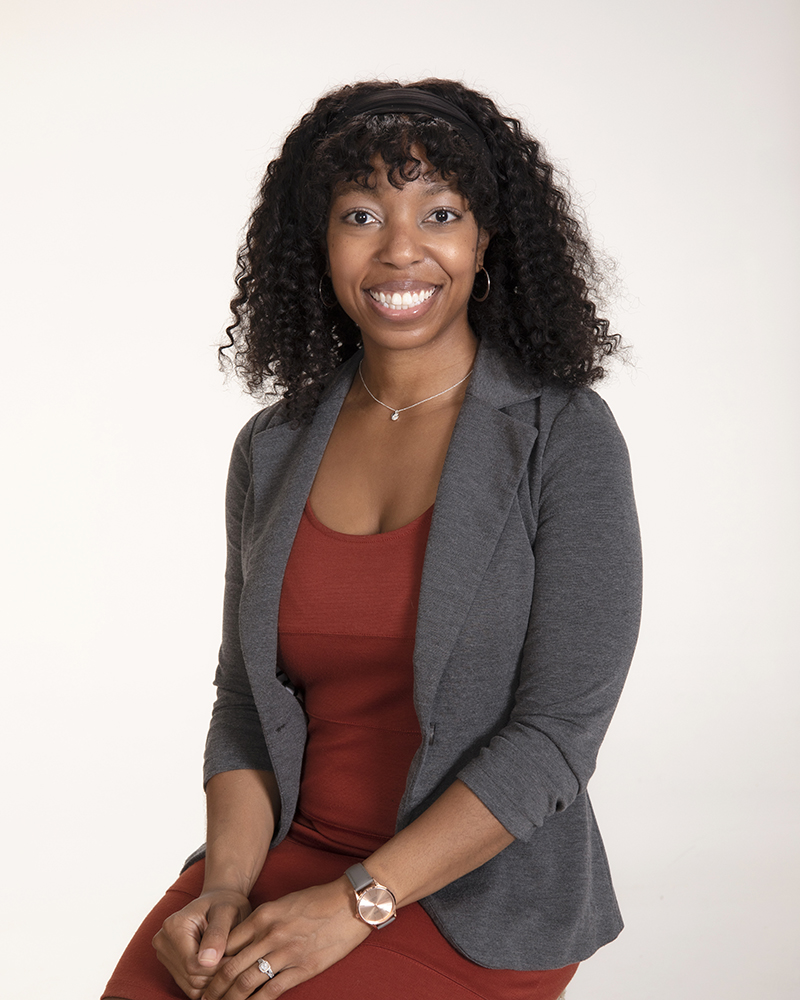

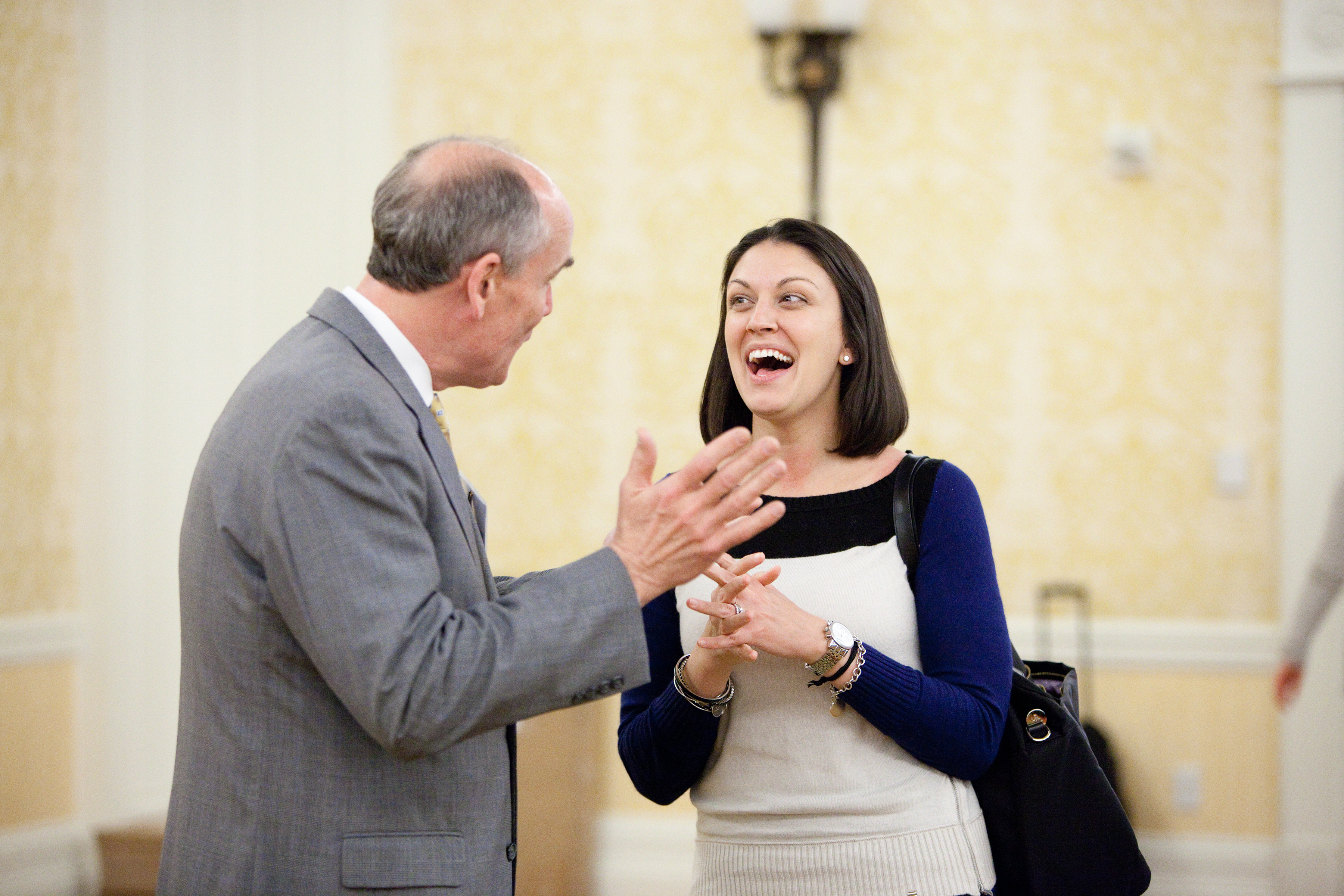


What “Economical” Actually Means for Trade Show Coverage
Economical coverage is a strategy—not a price point. It means we design the shoot to eliminate waste:
1) Pre-planned shot list = fewer hours, better results
A trade show floor is chaos. If you “wing it,” you burn time and miss key assets. We plan around:
- Booth hero shots (clean, brand-forward angles)
- Product/service demos (hands, interaction, screens)
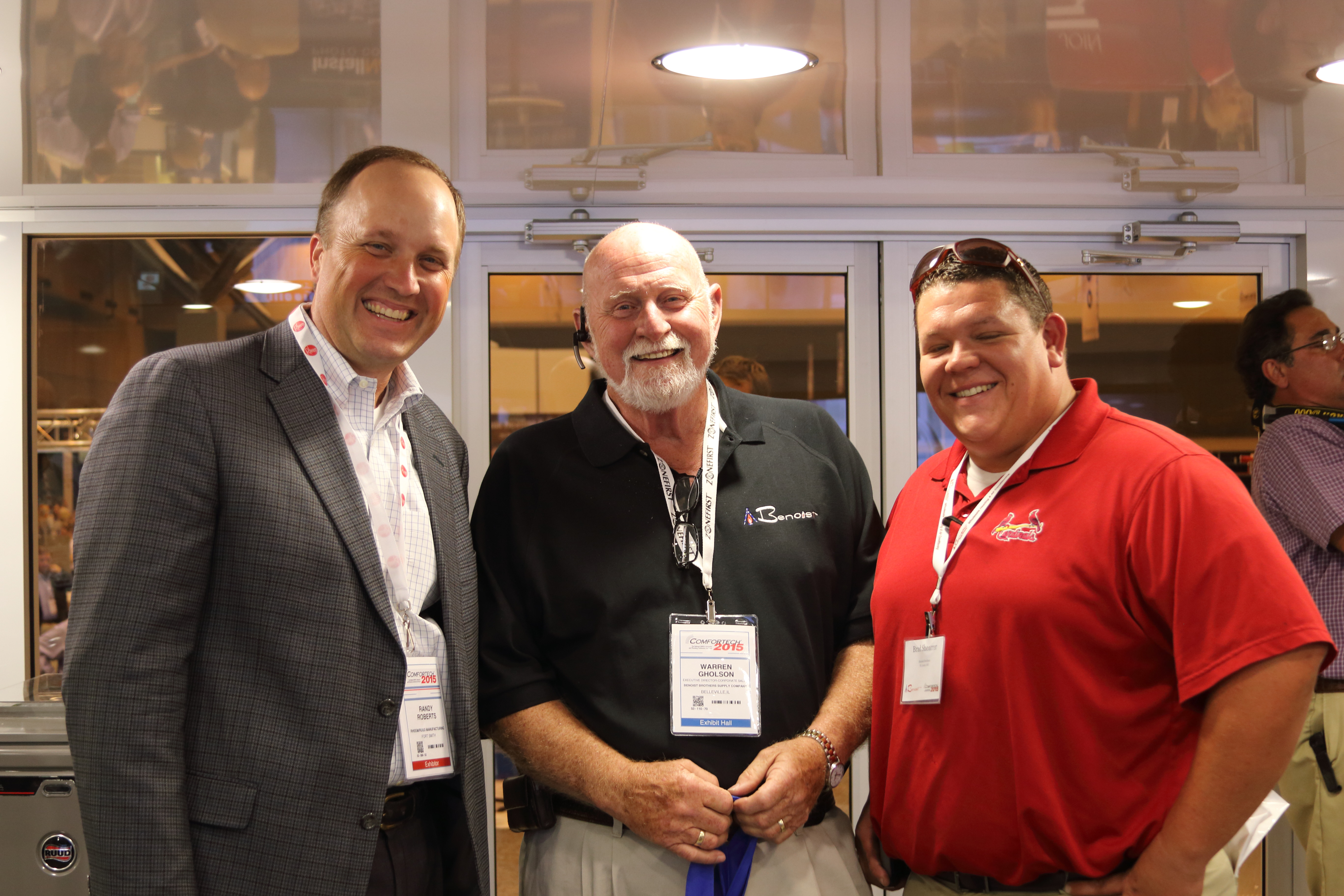
- Lead engagement (real conversations, not staged awkwardness)
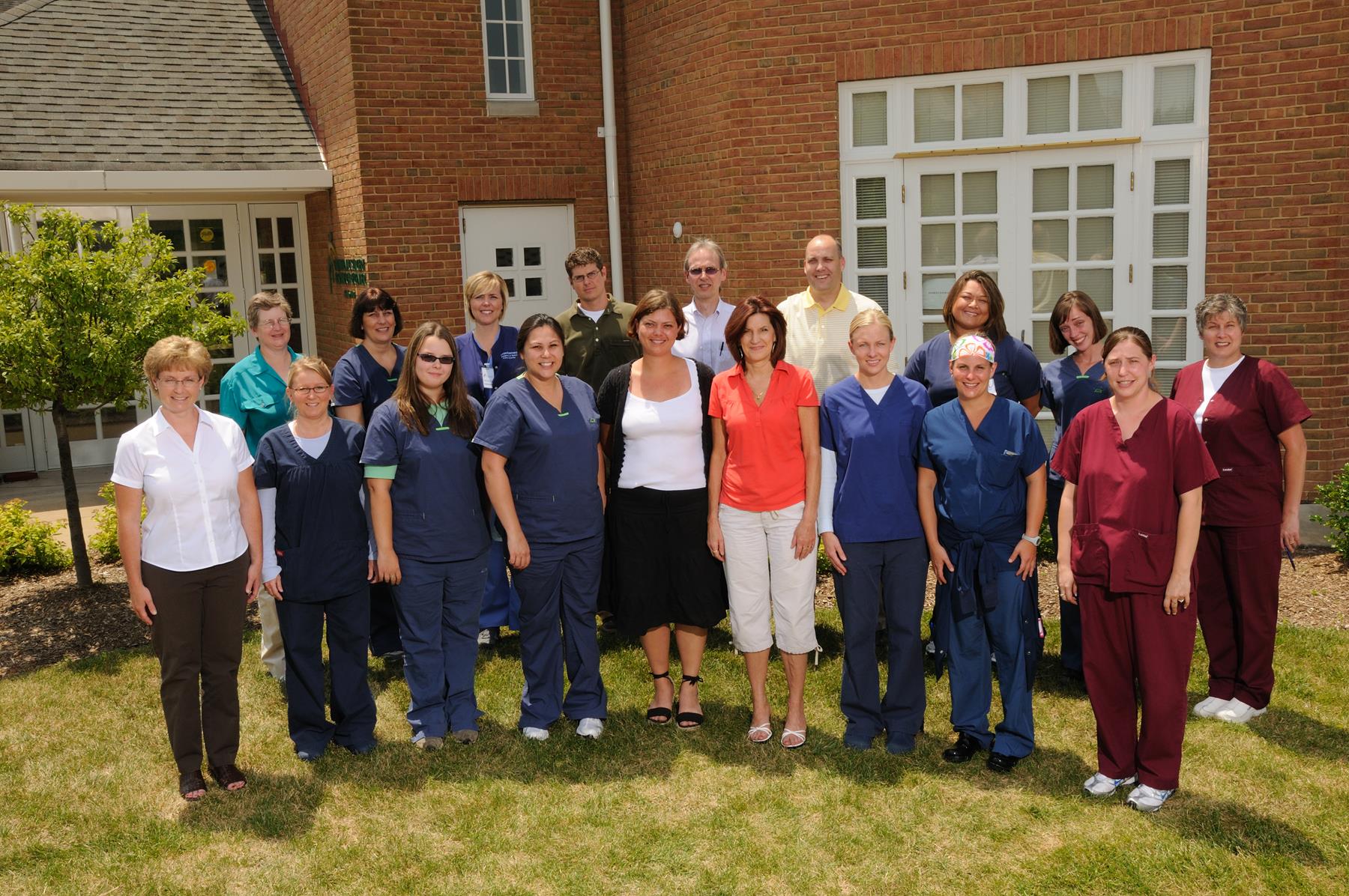
- Team presence (approachable, professional, active)
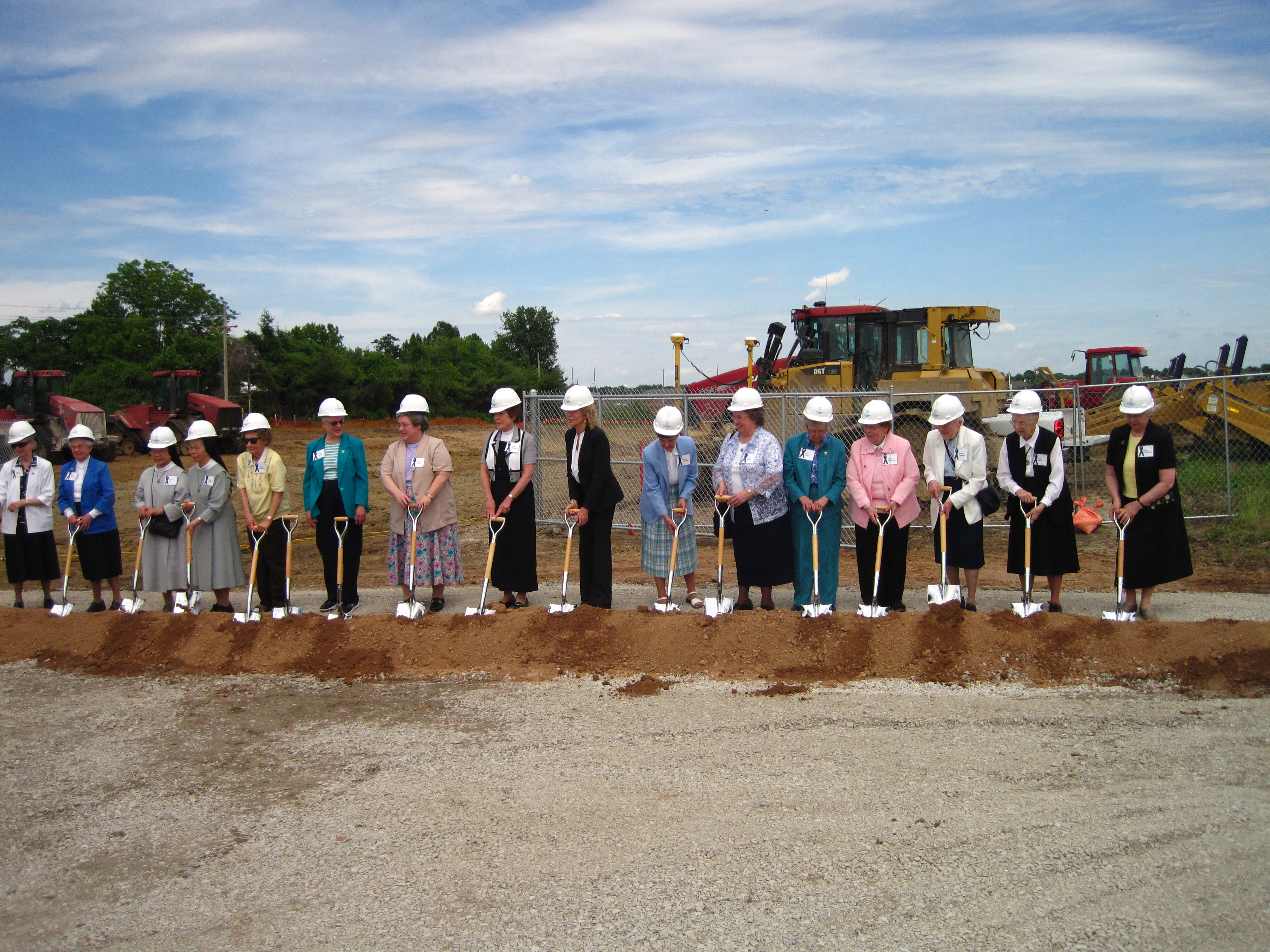
- VIP moments (executives, partners, awards, speaking slots)
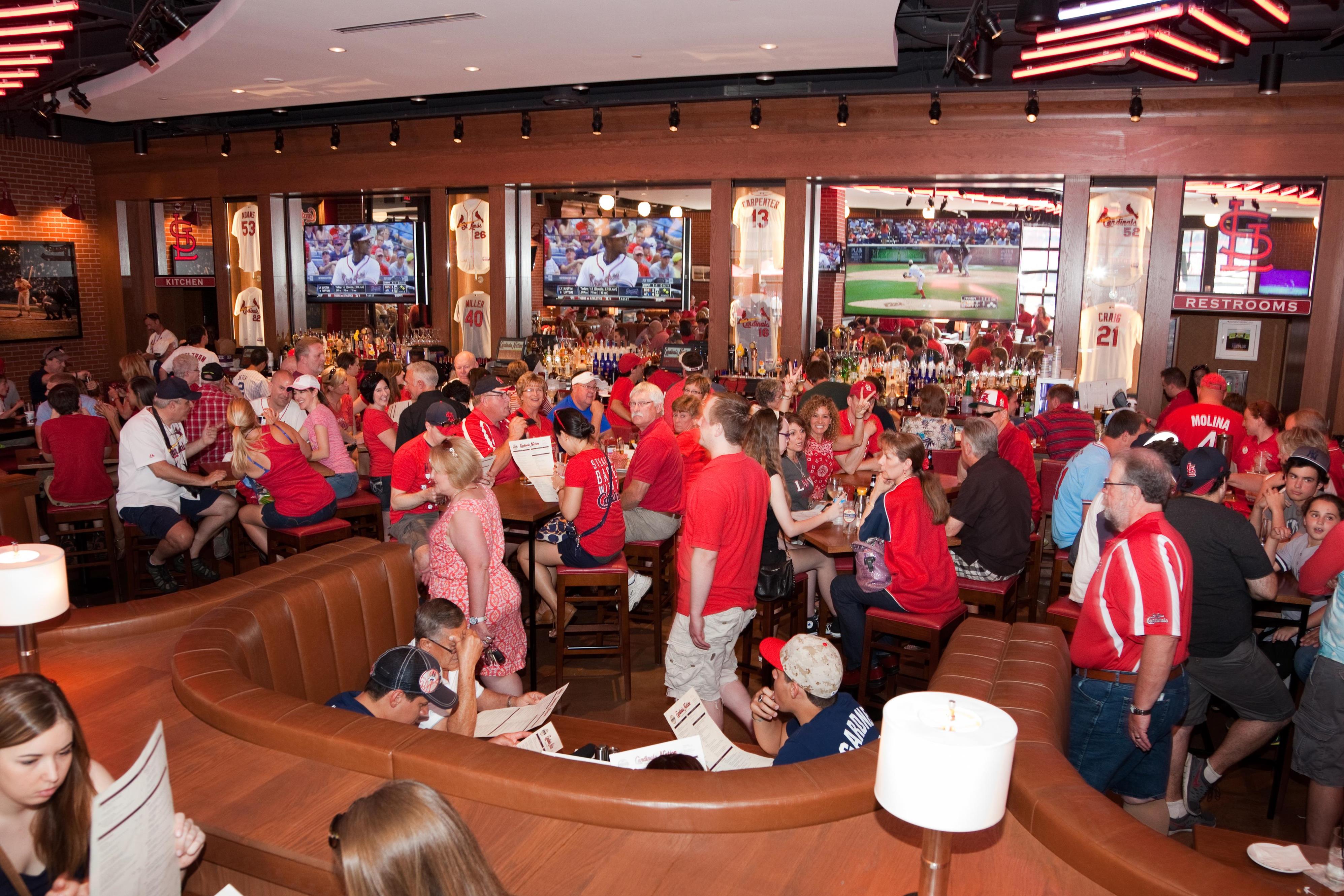
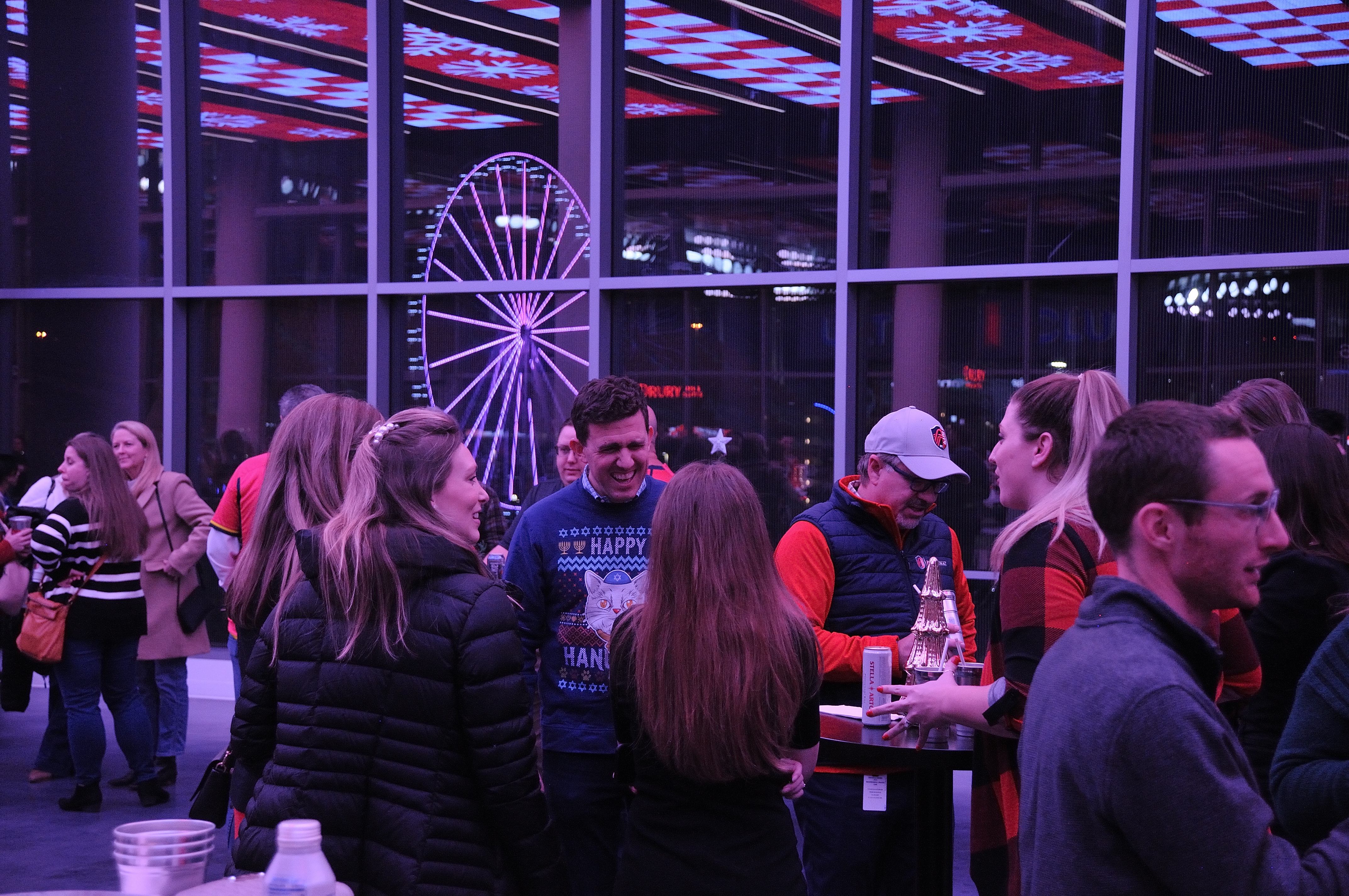
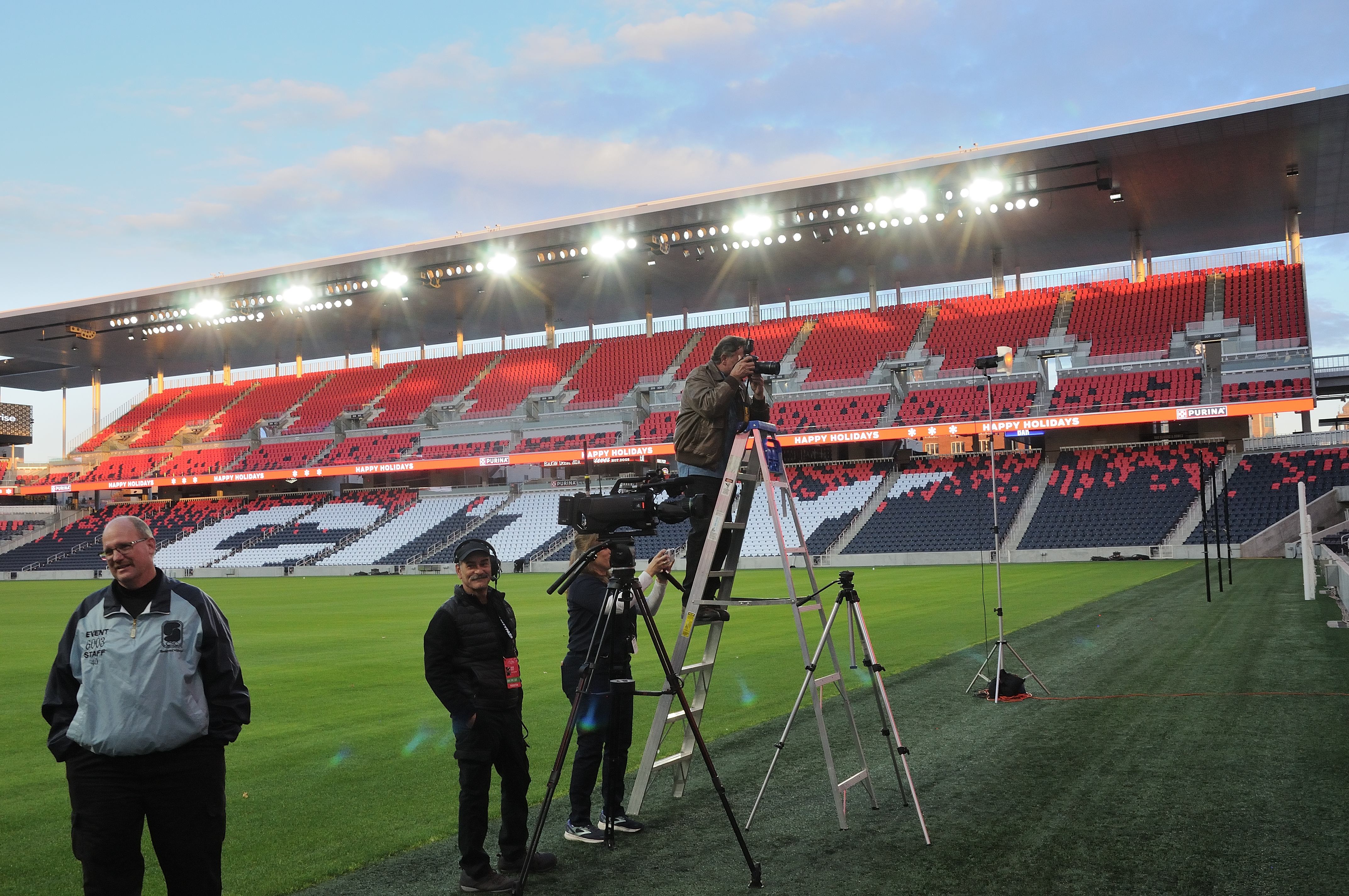
- Environmental storytelling (crowd, signage, location context)
2) Coverage timed around peak moments
The most valuable content happens at predictable times:
- Opening rush
- Scheduled demos
- Guest visits
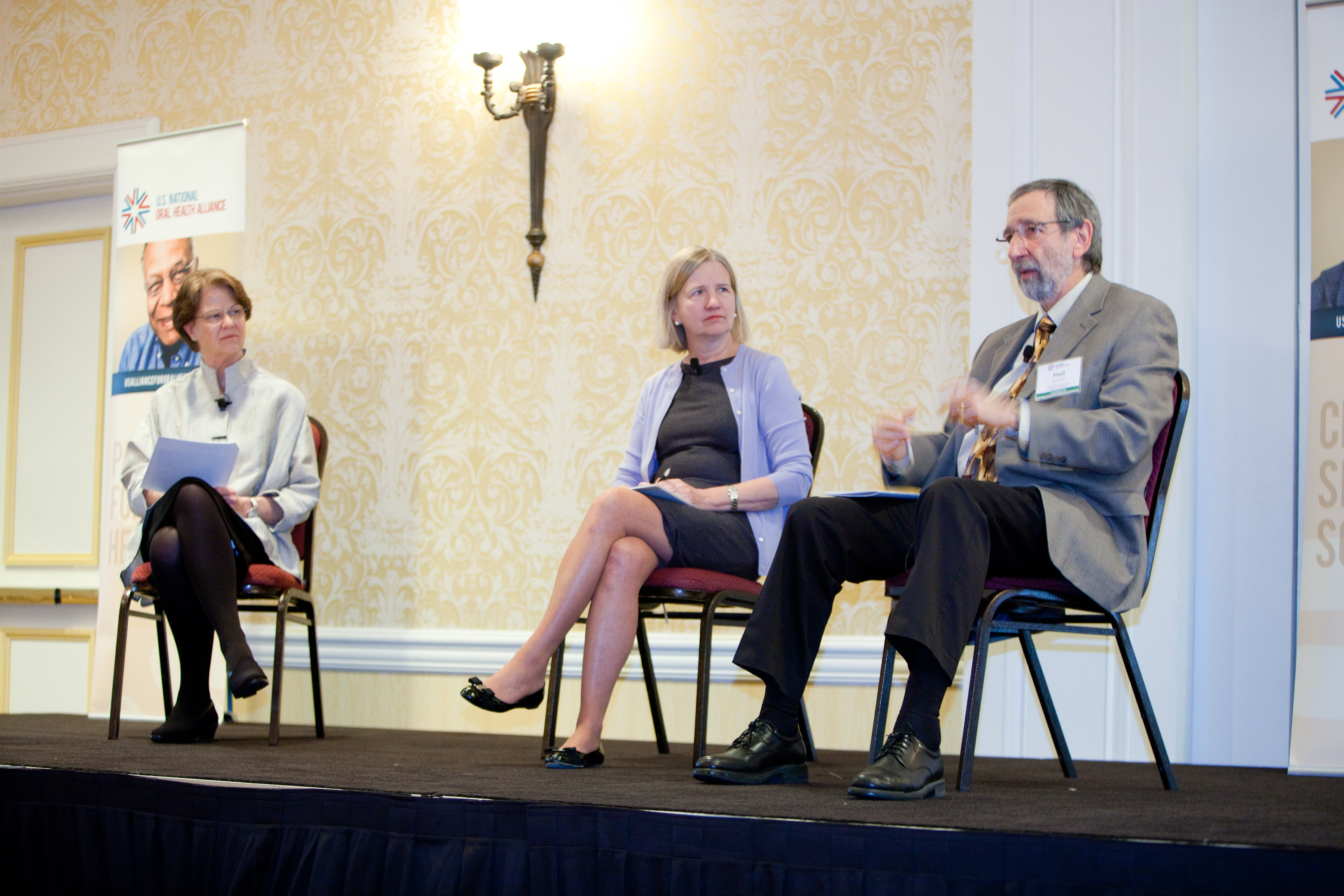
- Talks/panels
- VIP tours
- Team staffing overlaps (more faces, more energy)
We structure coverage to capture those windows efficiently—then move into headshots when the booth slows.
3) The “repurposing mindset” from the first frame
Every shot is captured with downstream use in mind:
- Croppable compositions for web banners and social
- Consistent lighting and color so assets mix well
- Horizontal + vertical options when needed
- Extra negative space for text overlays in ads
That’s how you leave with a library that fuels weeks (or months) of content.
On-Site Headshots at Trade Shows: The Highest ROI Add-On You Can Make
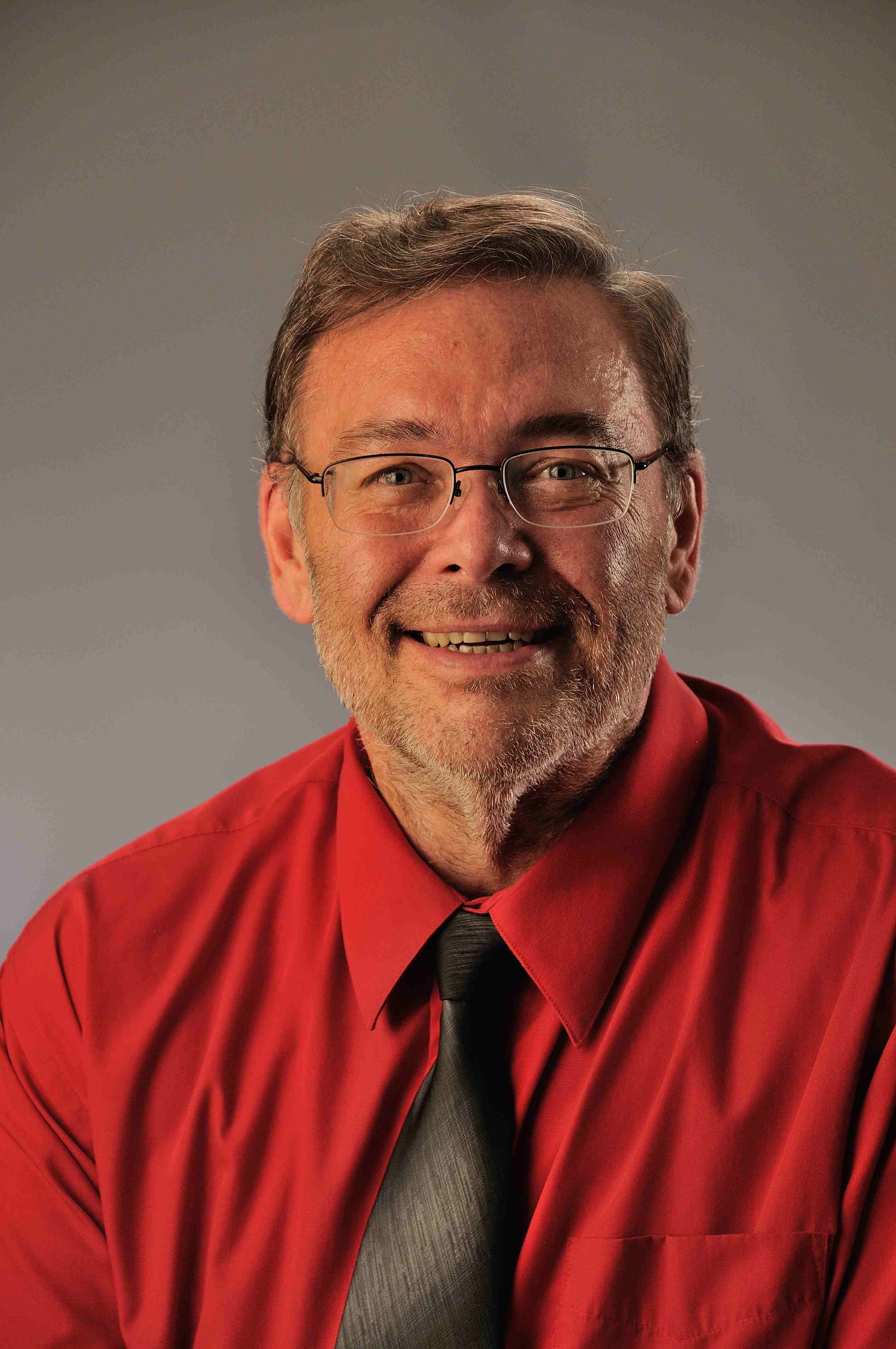
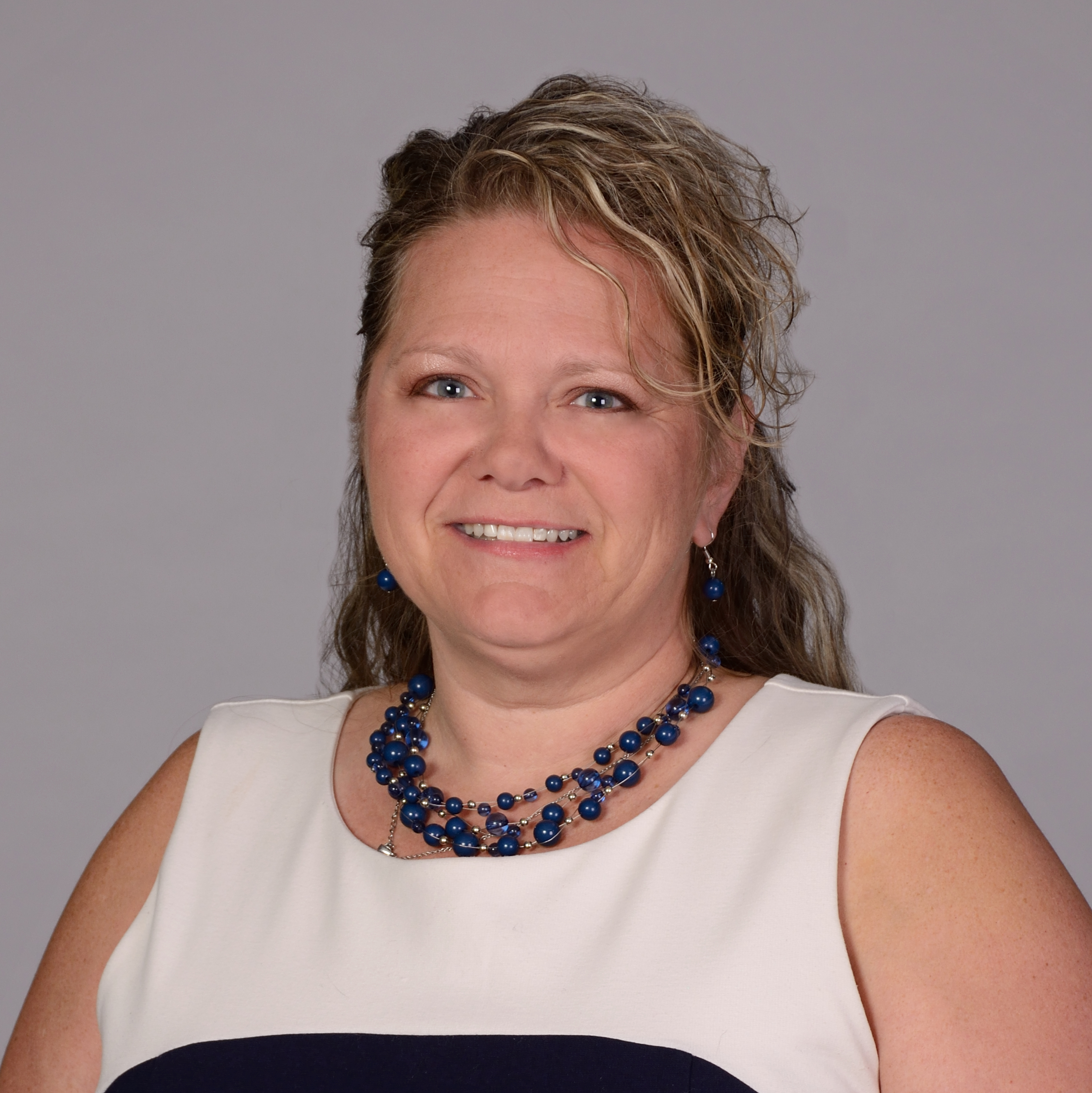
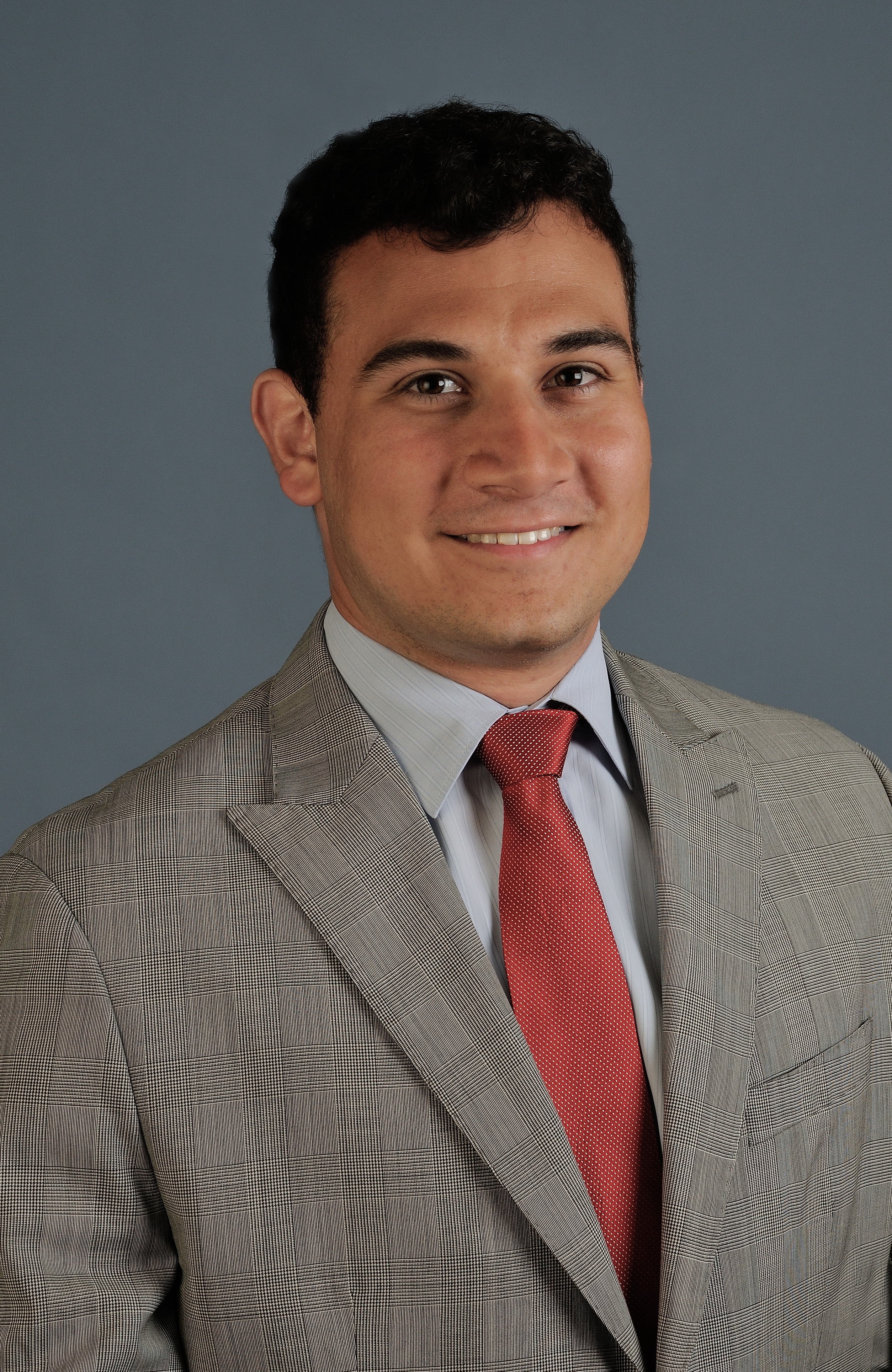
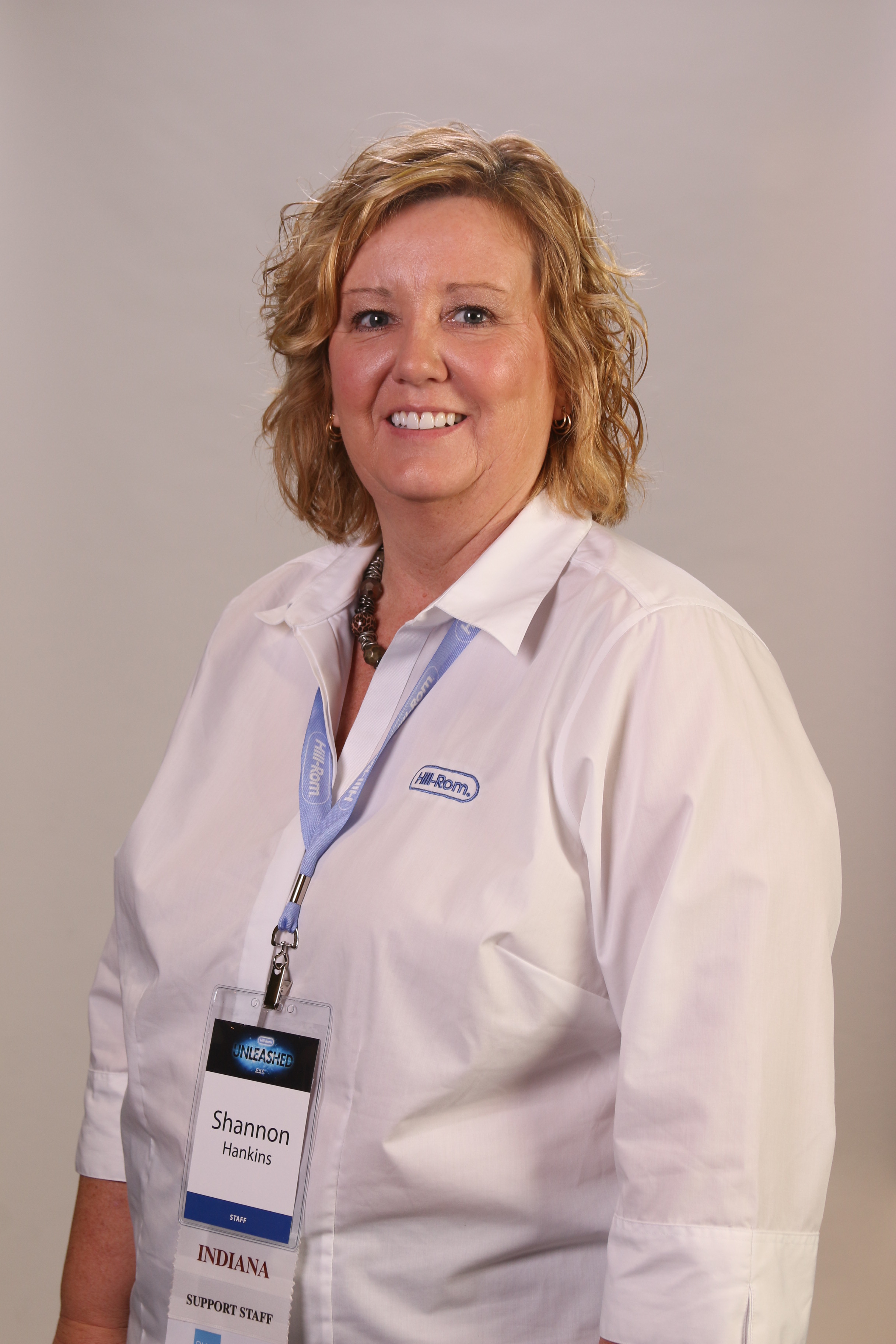
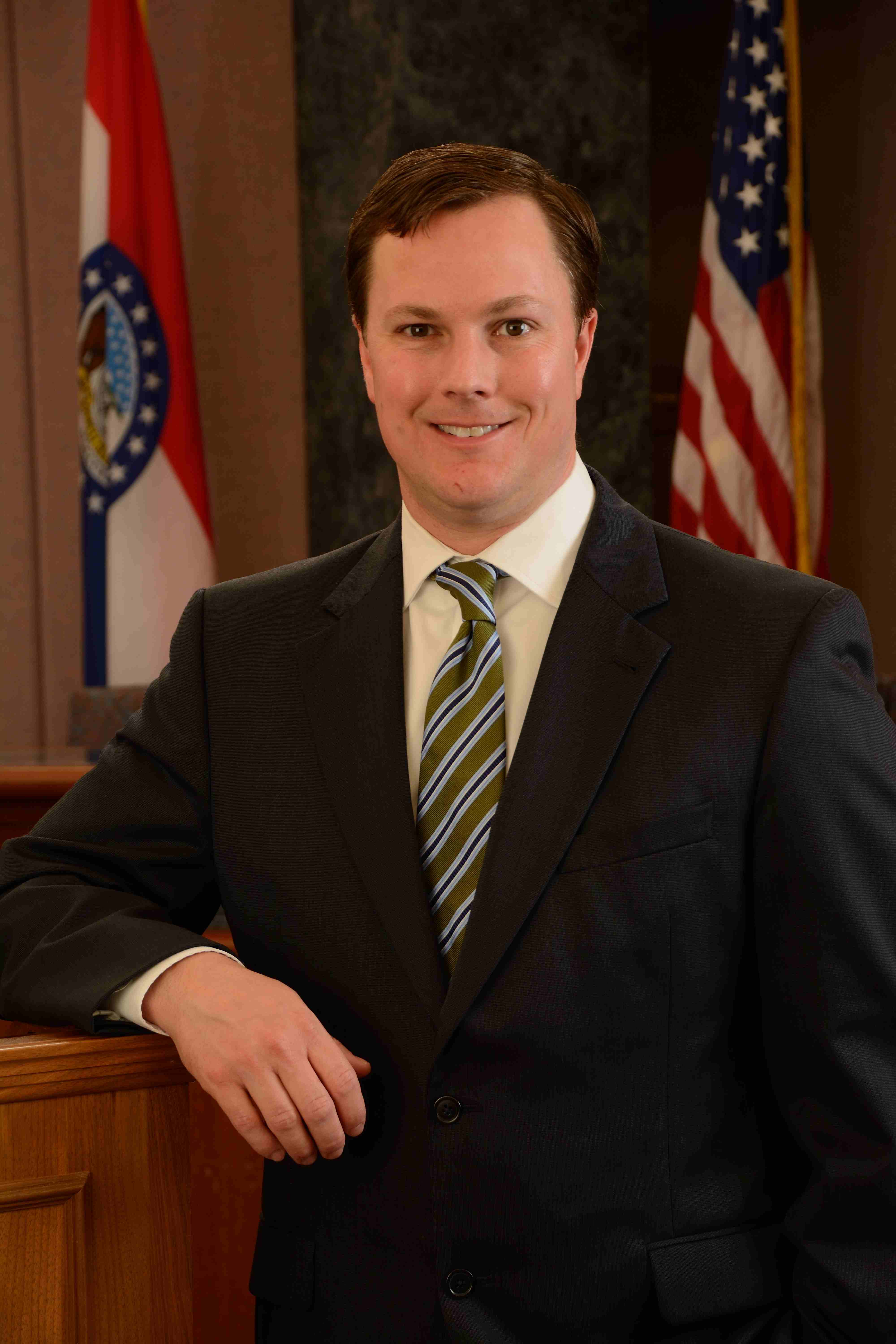
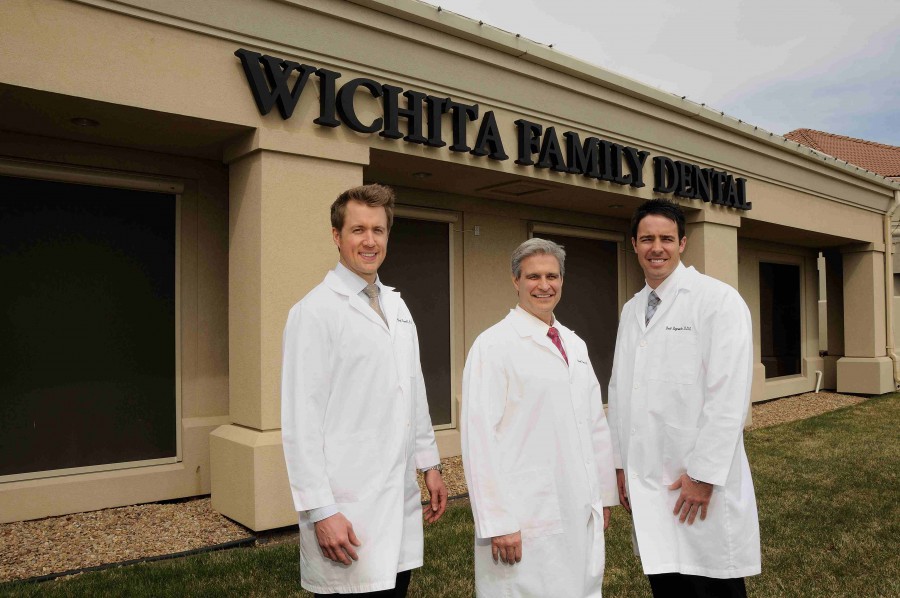
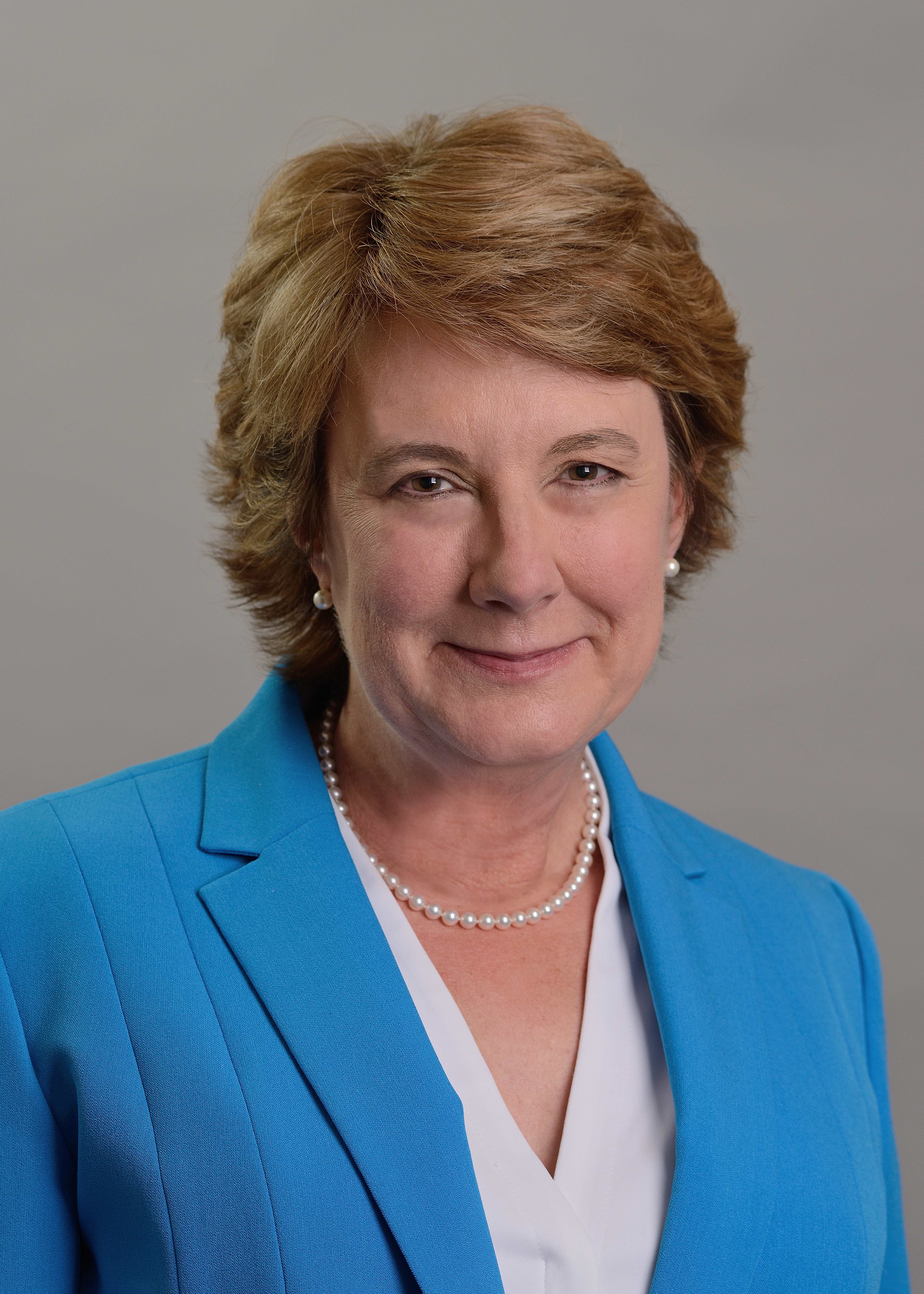
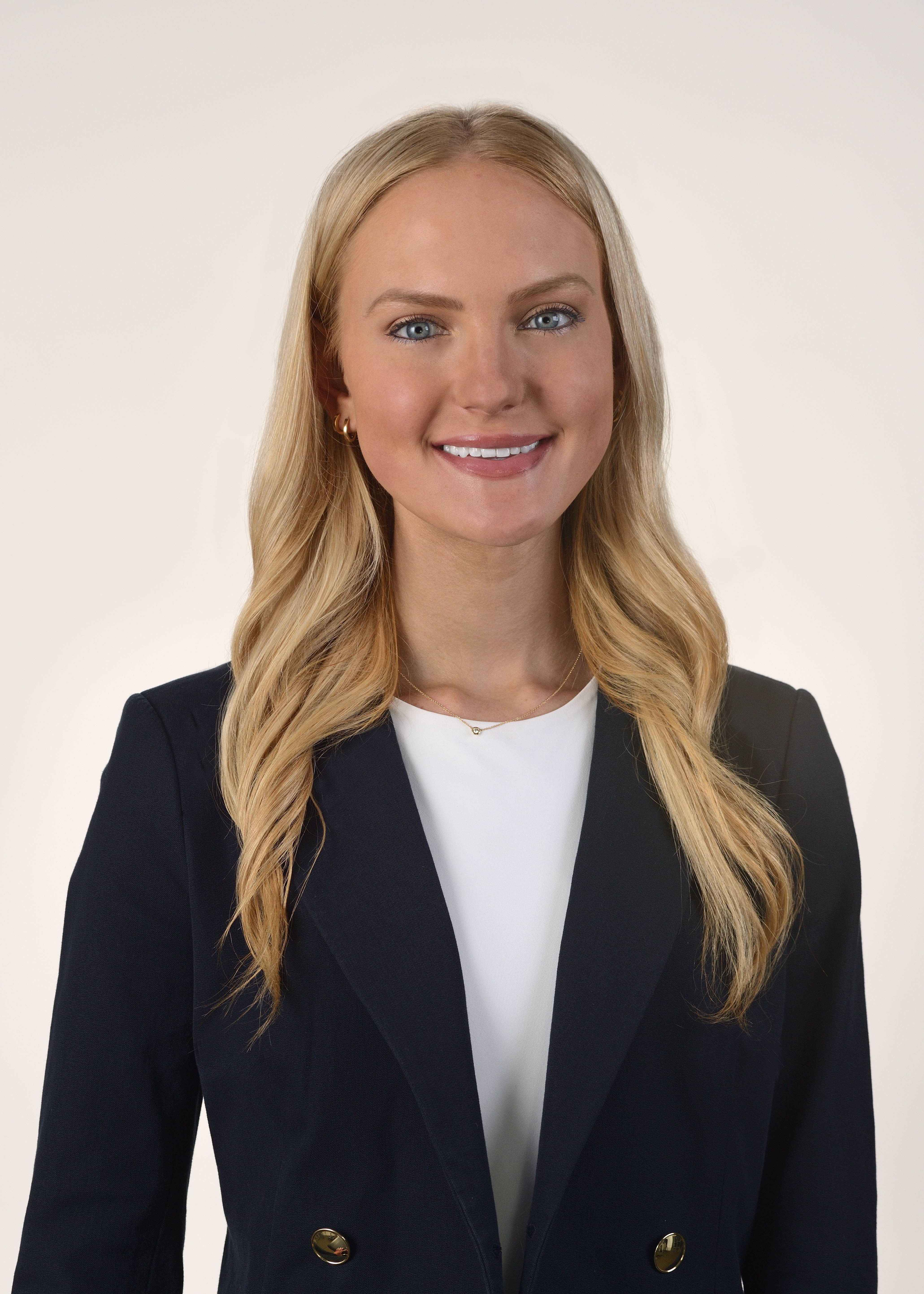
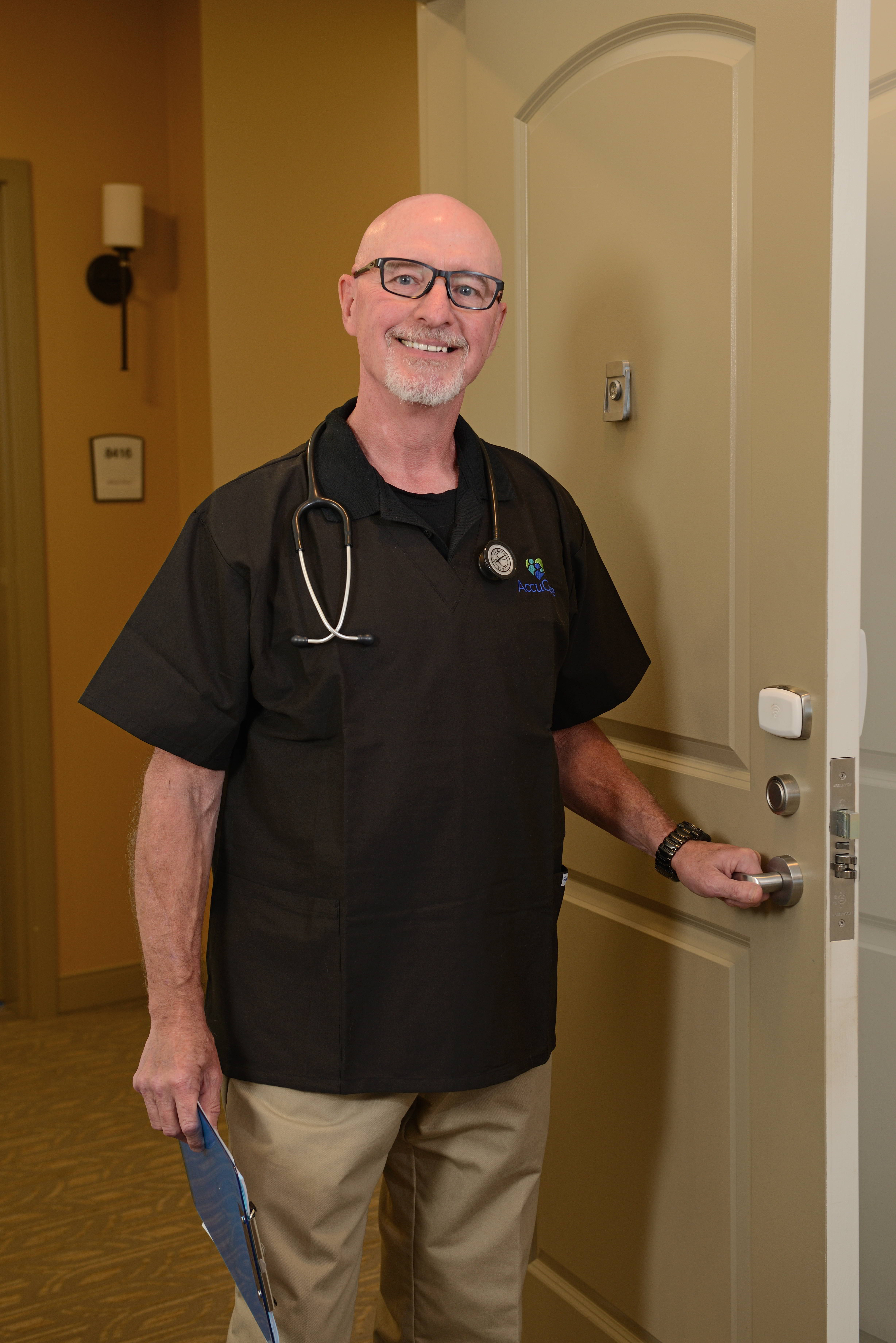
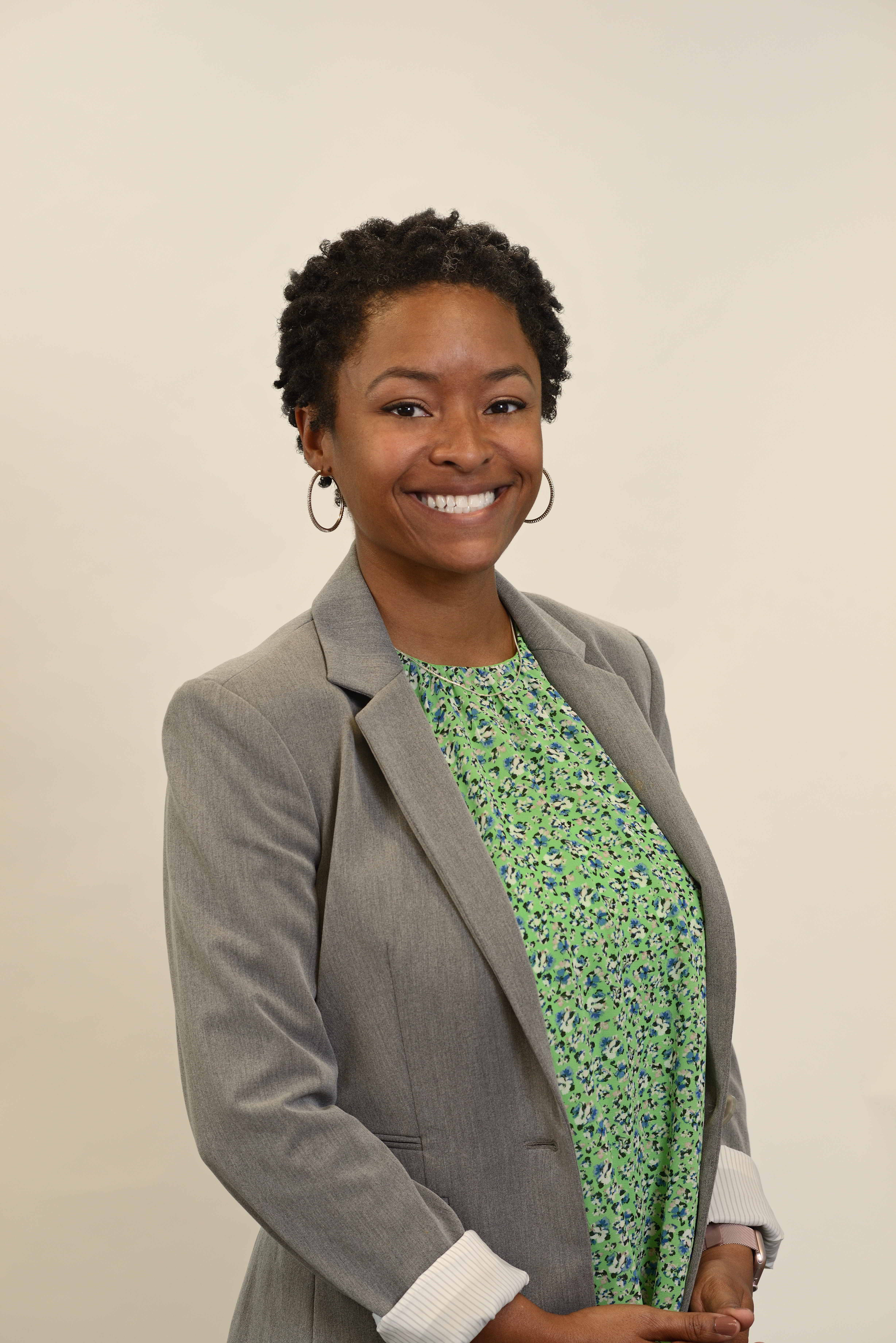
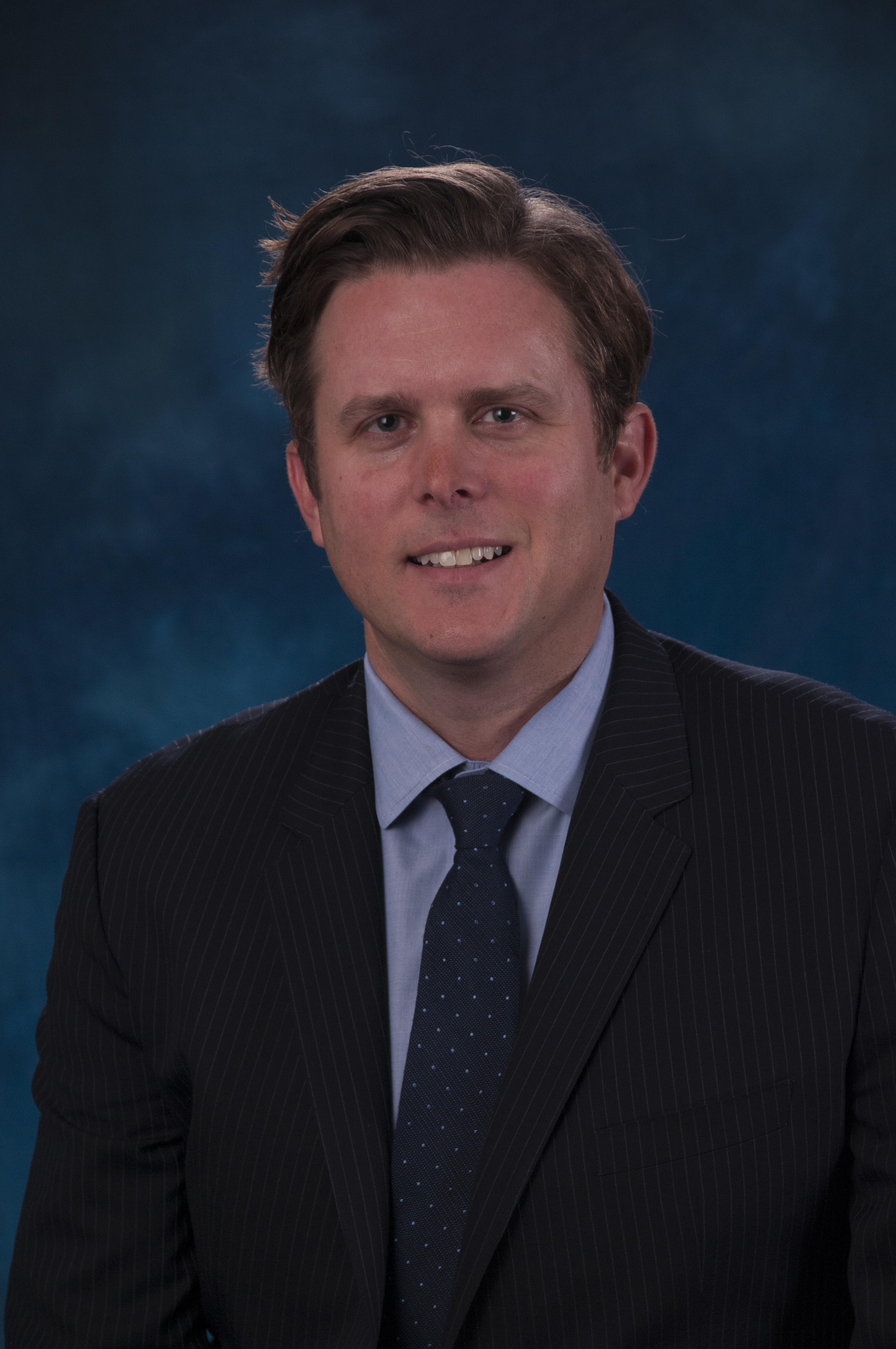
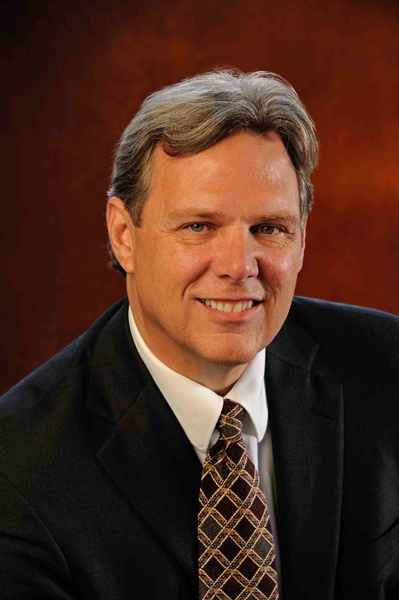
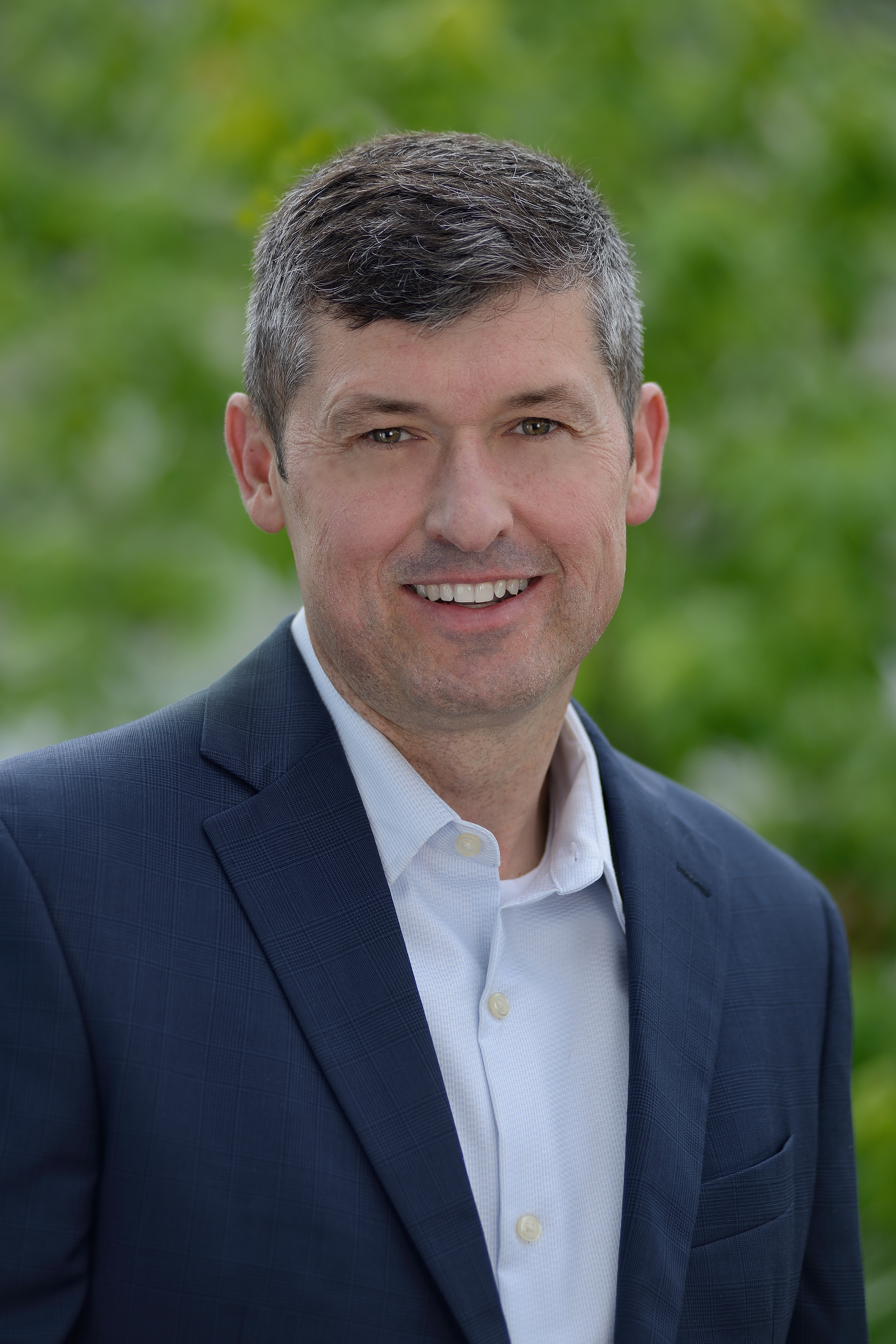
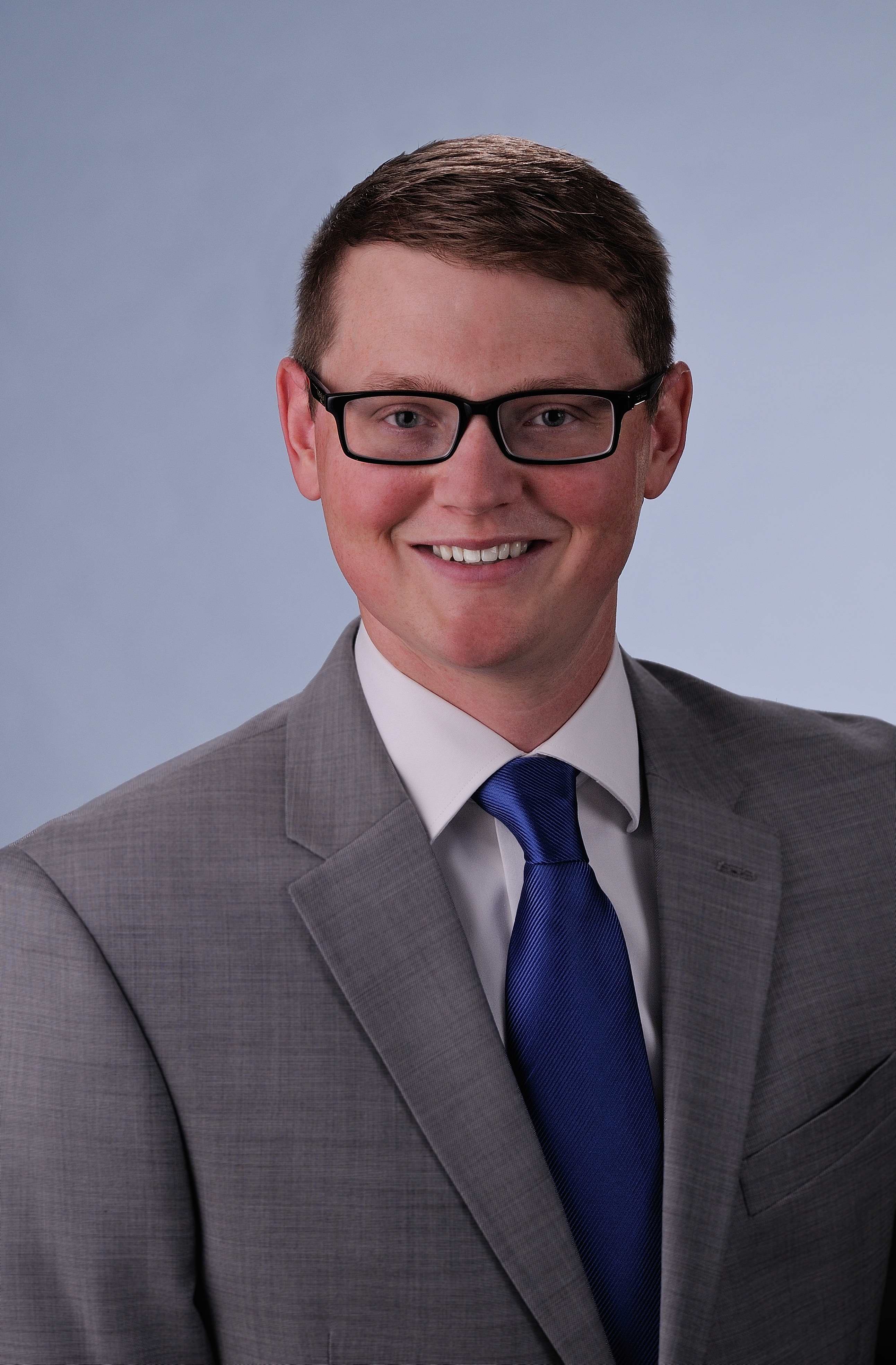
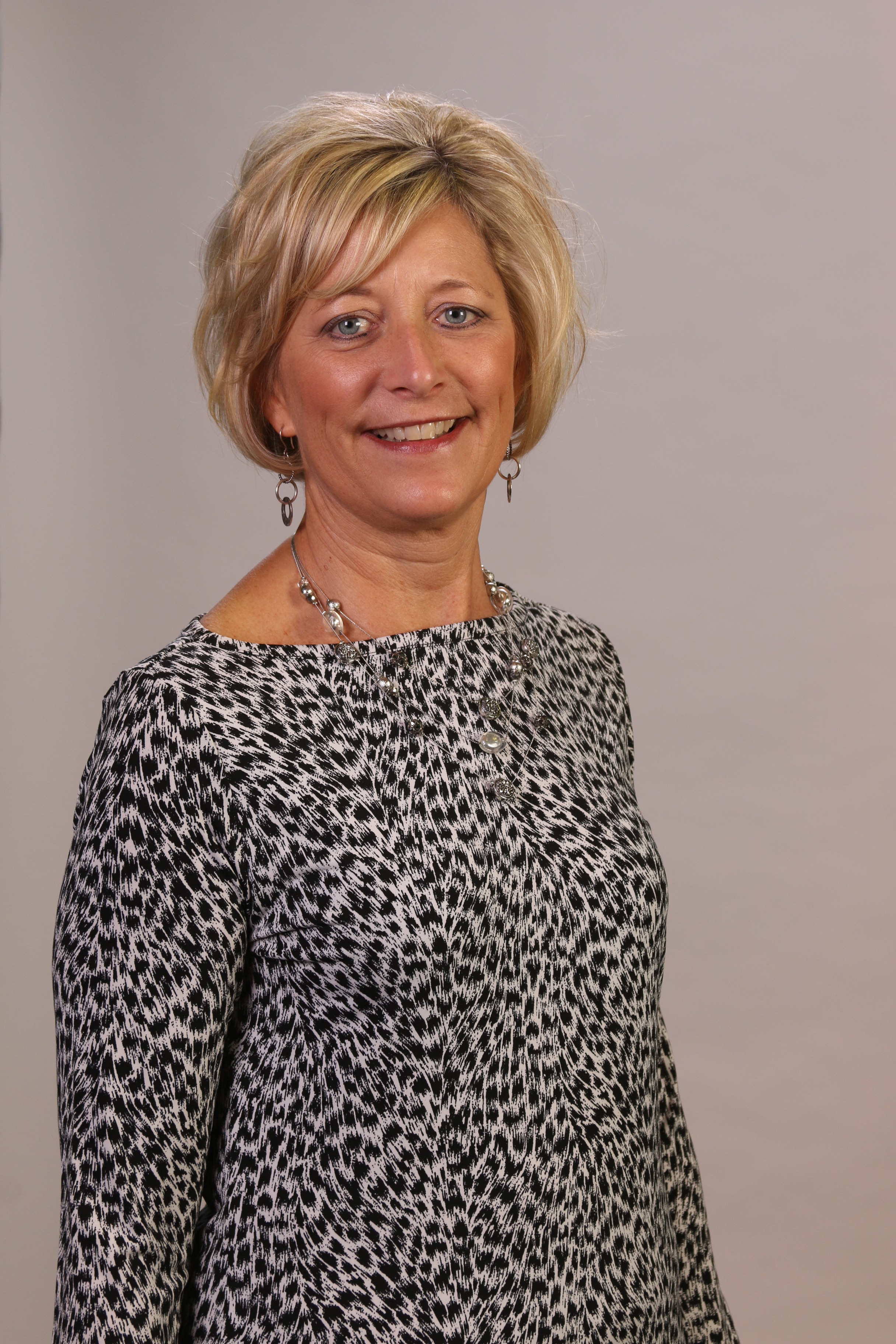
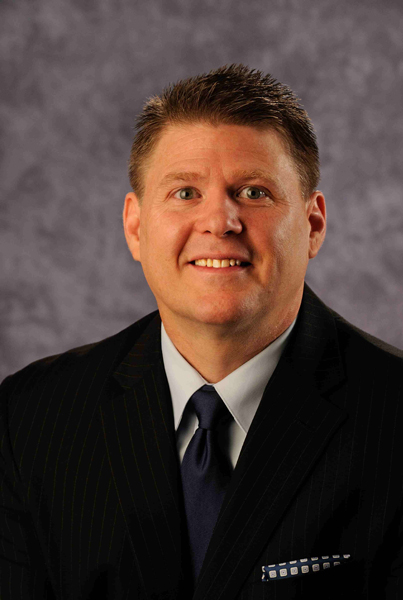
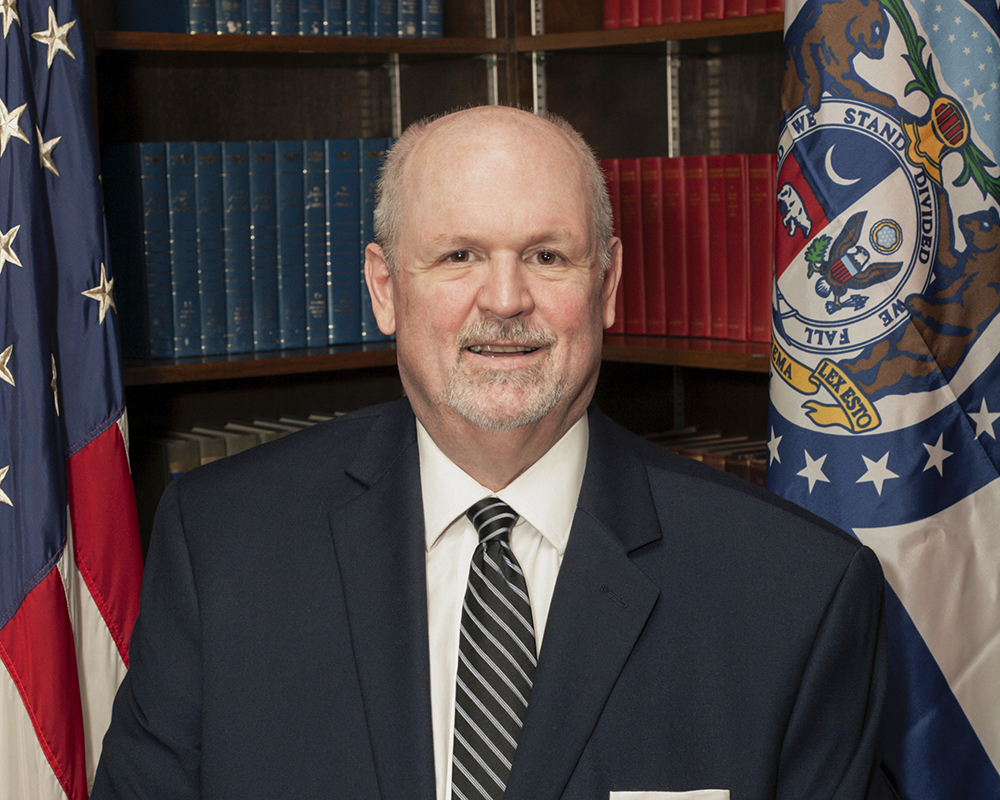
If your team is already together, dressed professionally, and in “public mode,” a trade show is the perfect time to refresh headshots.
A smart on-site headshot plan gives you:
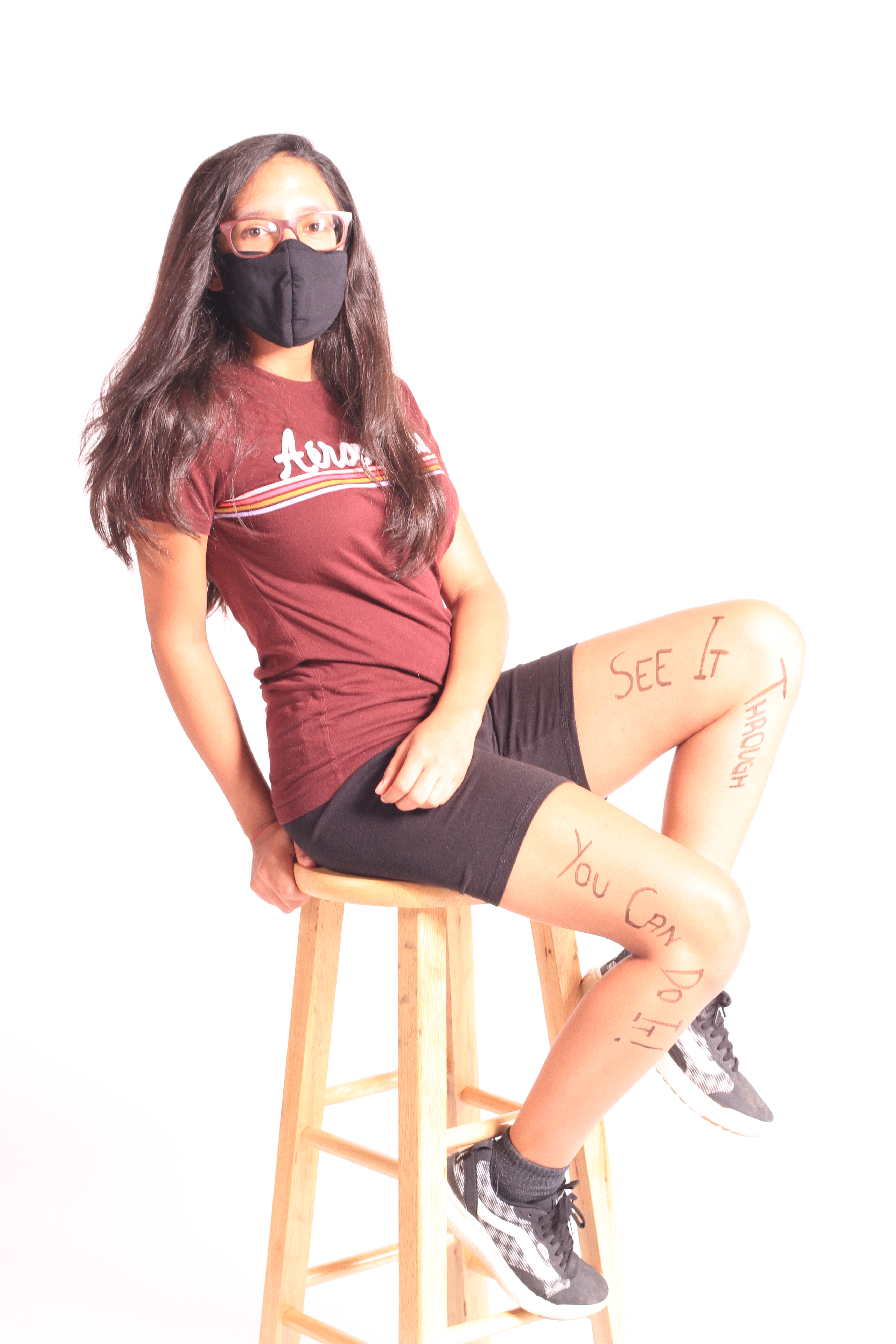
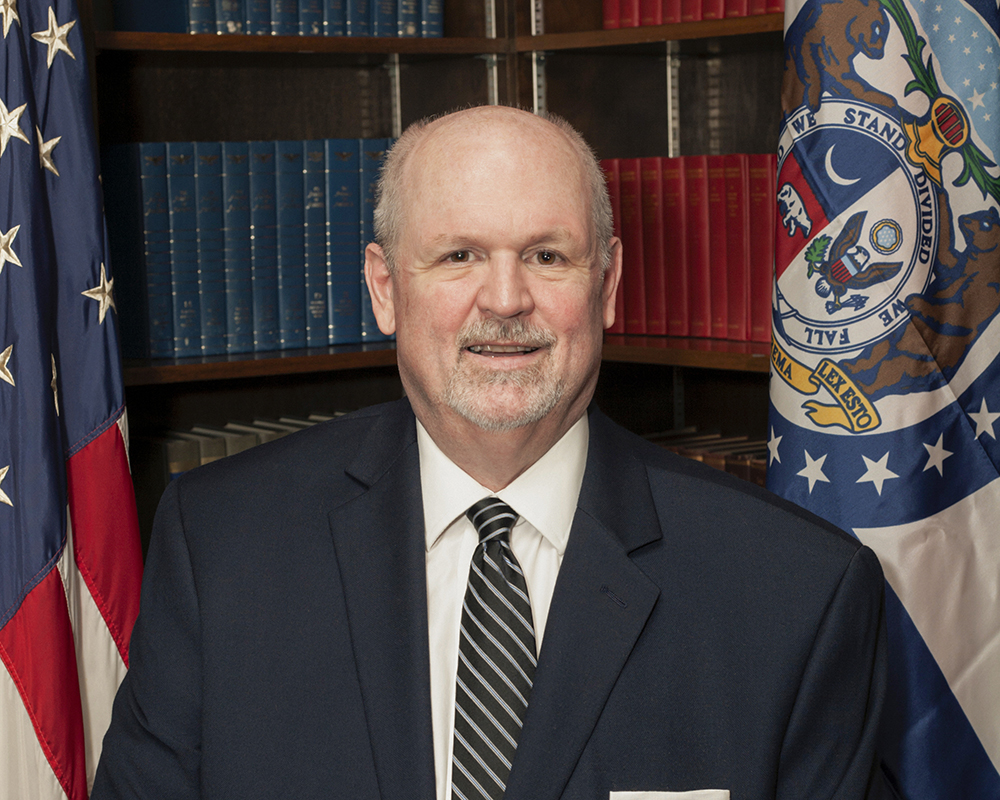
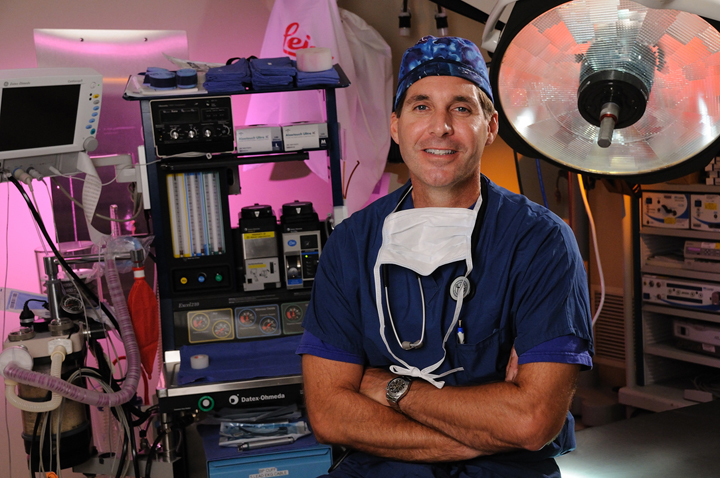
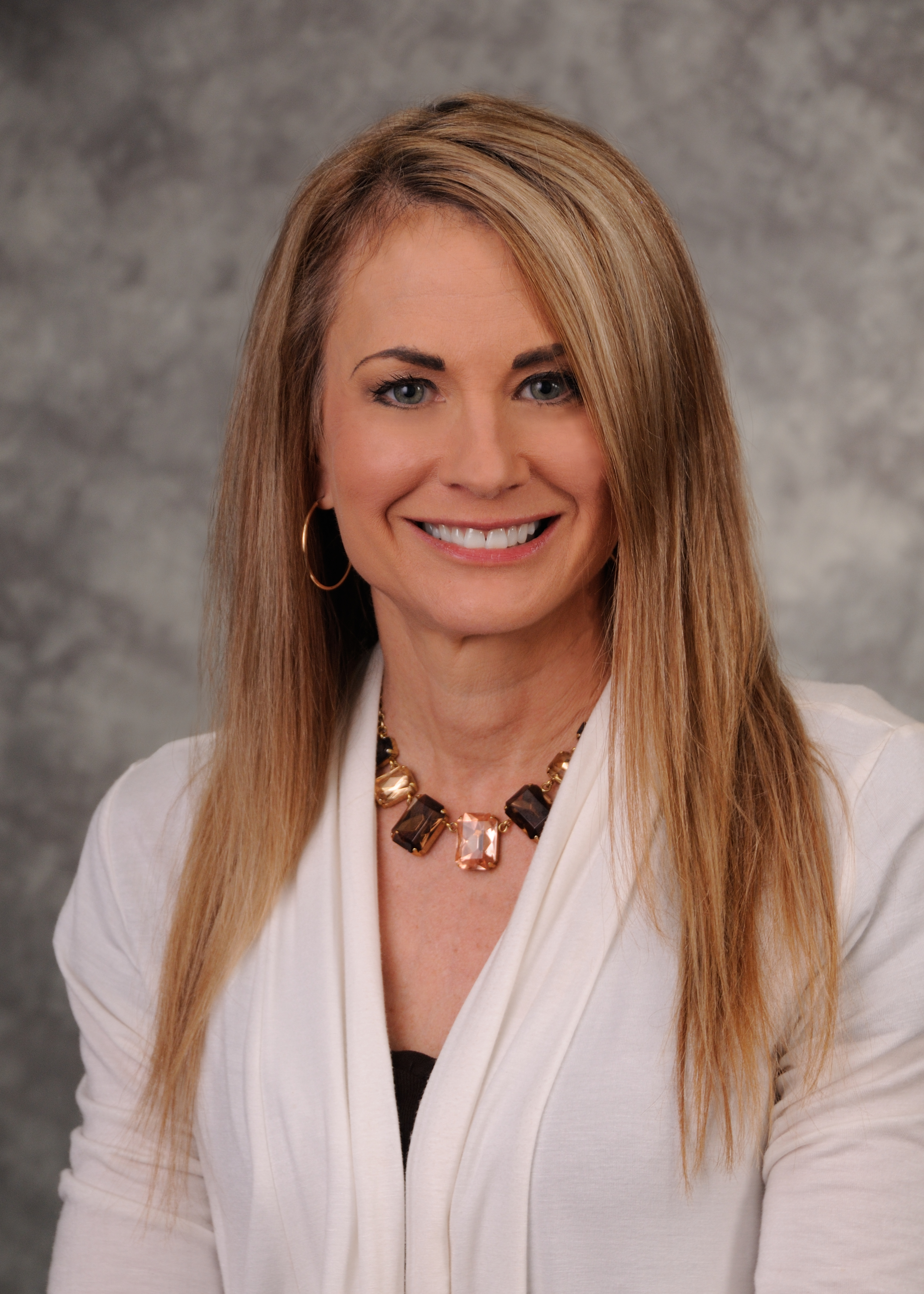
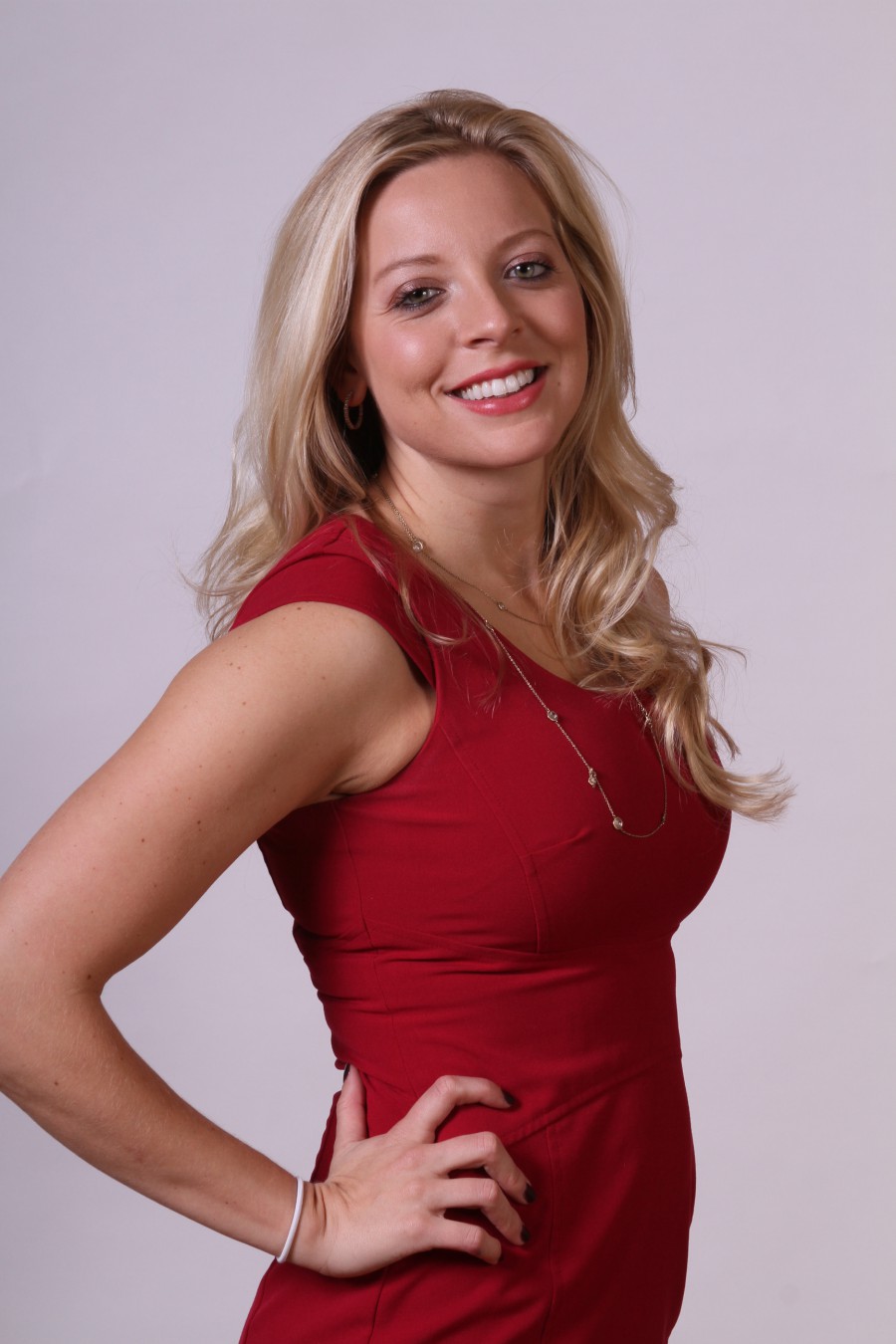
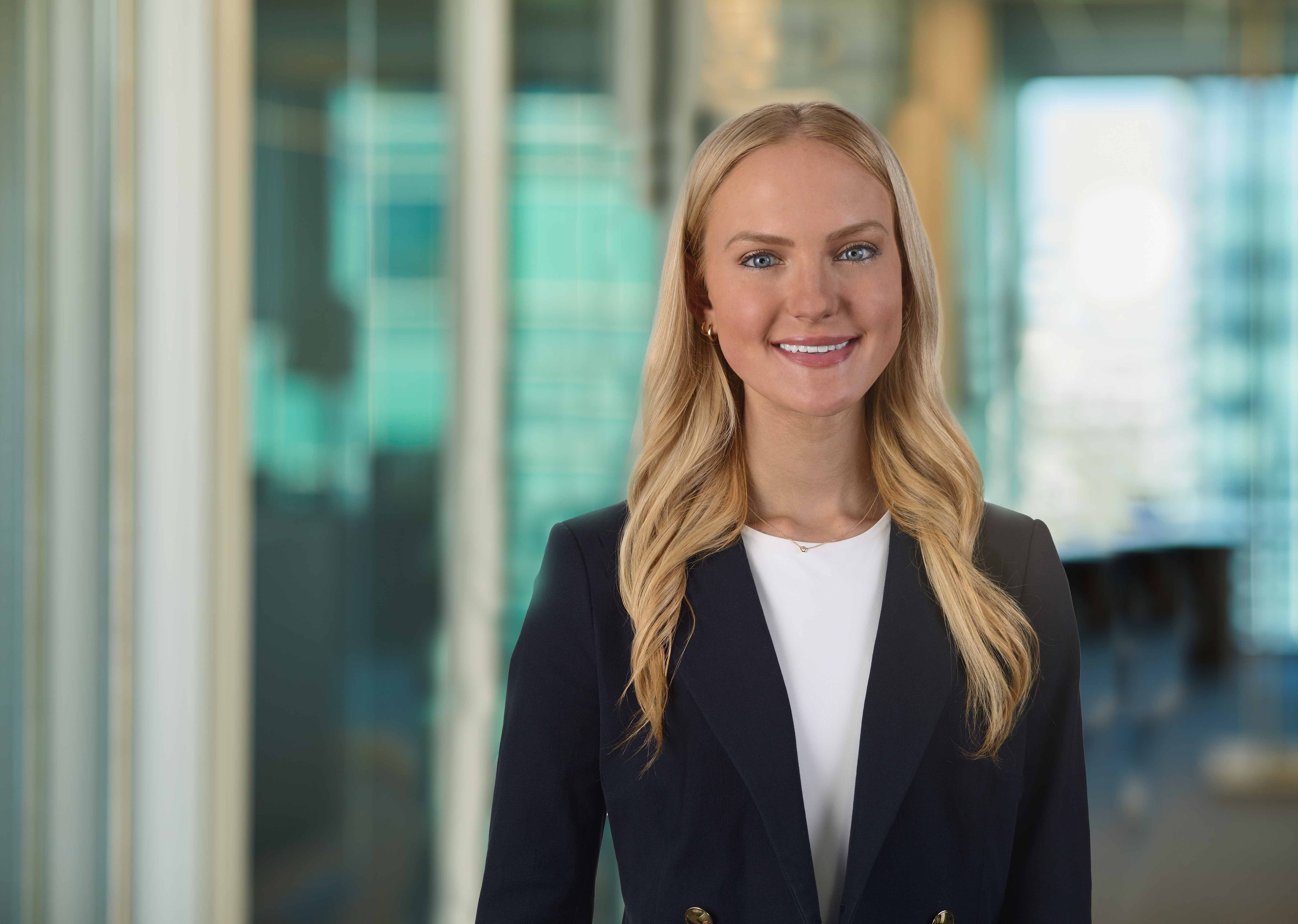
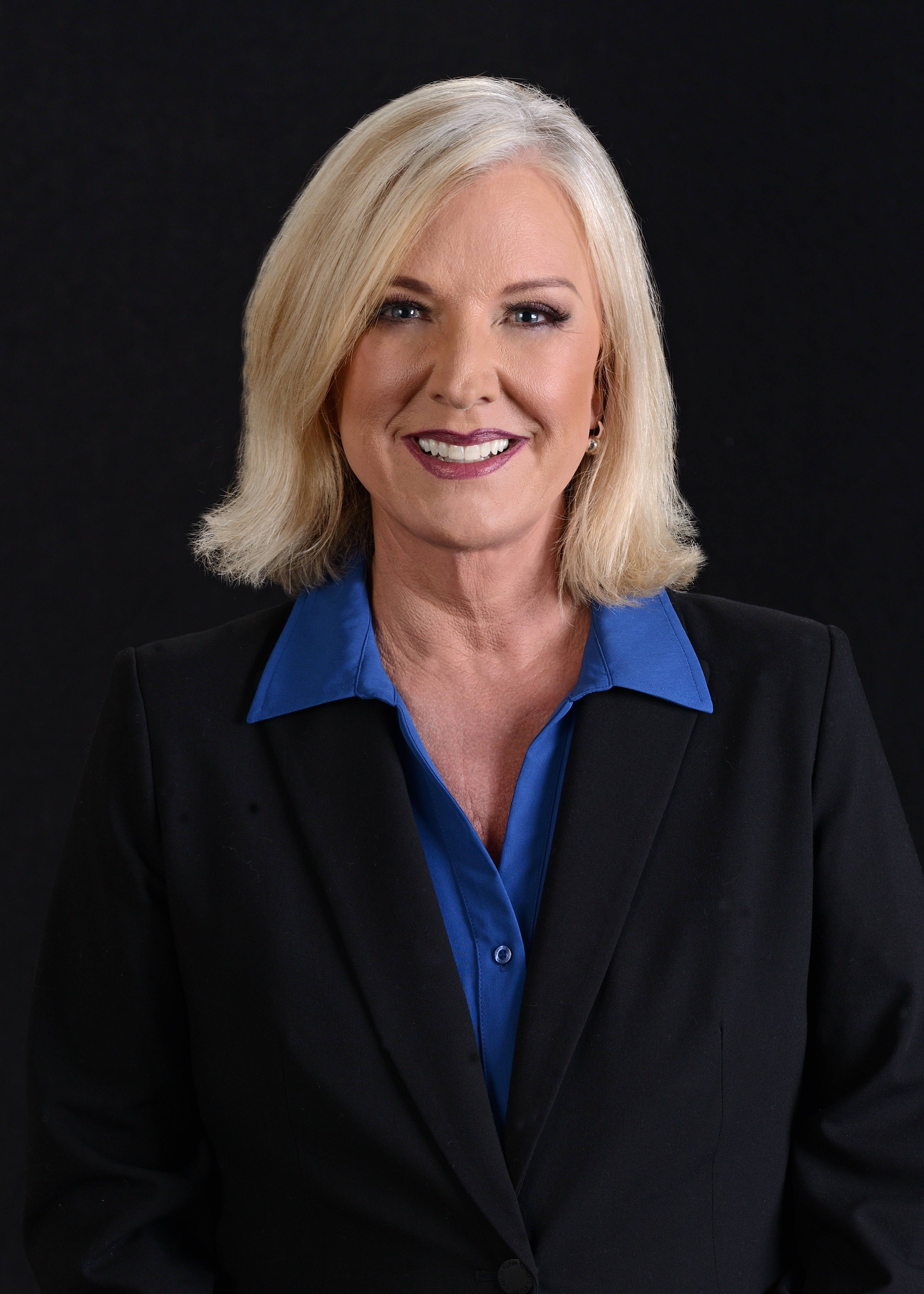
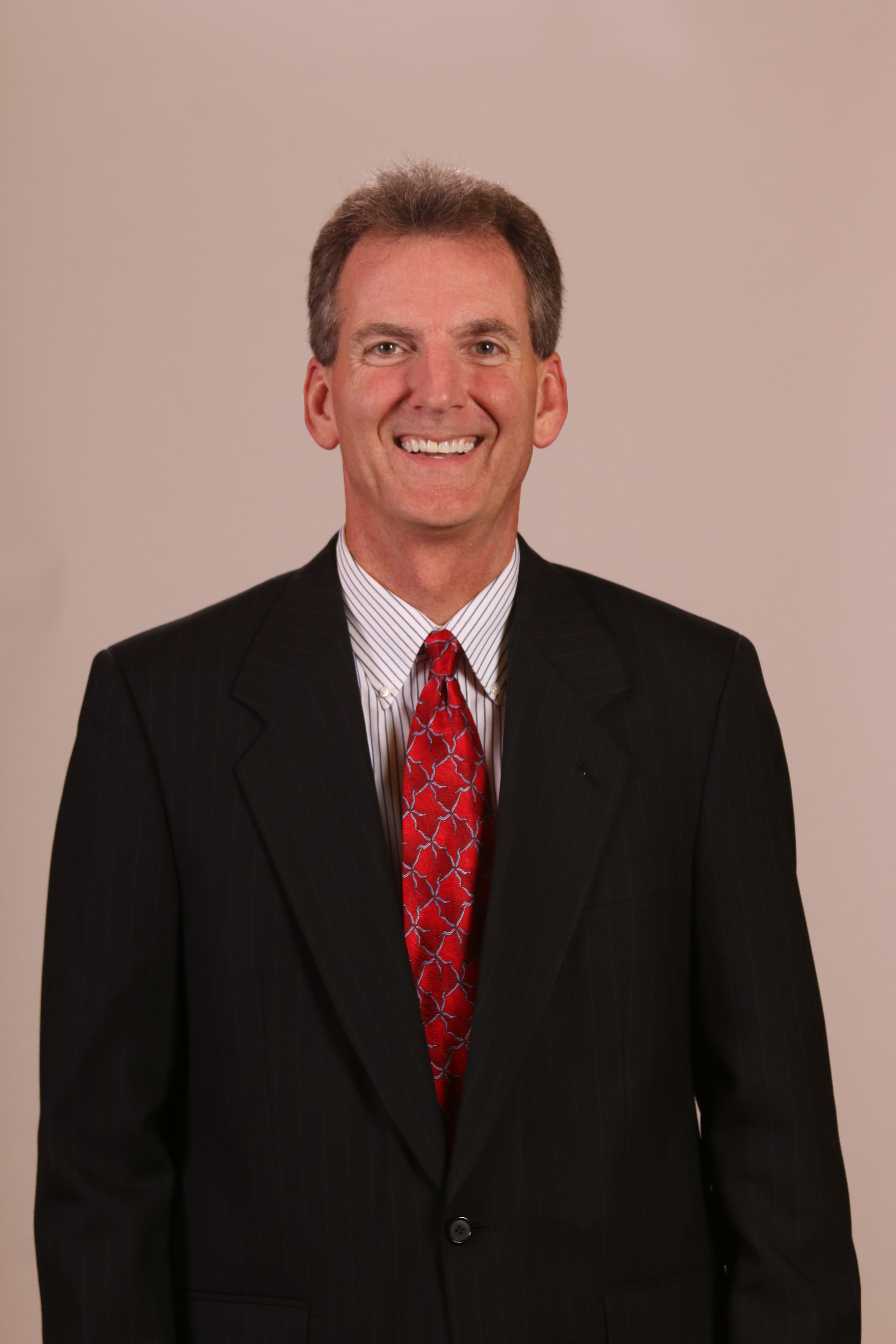
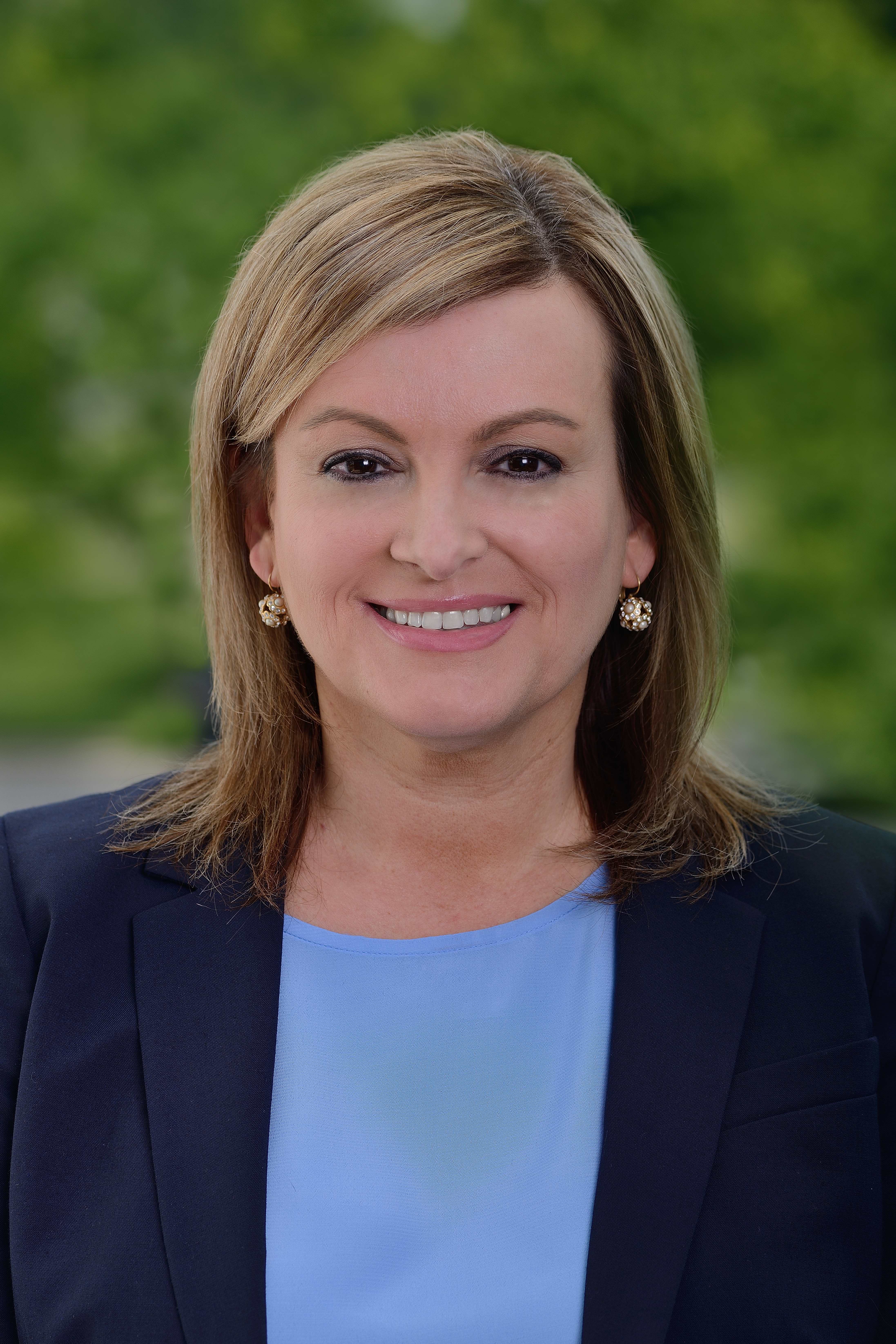
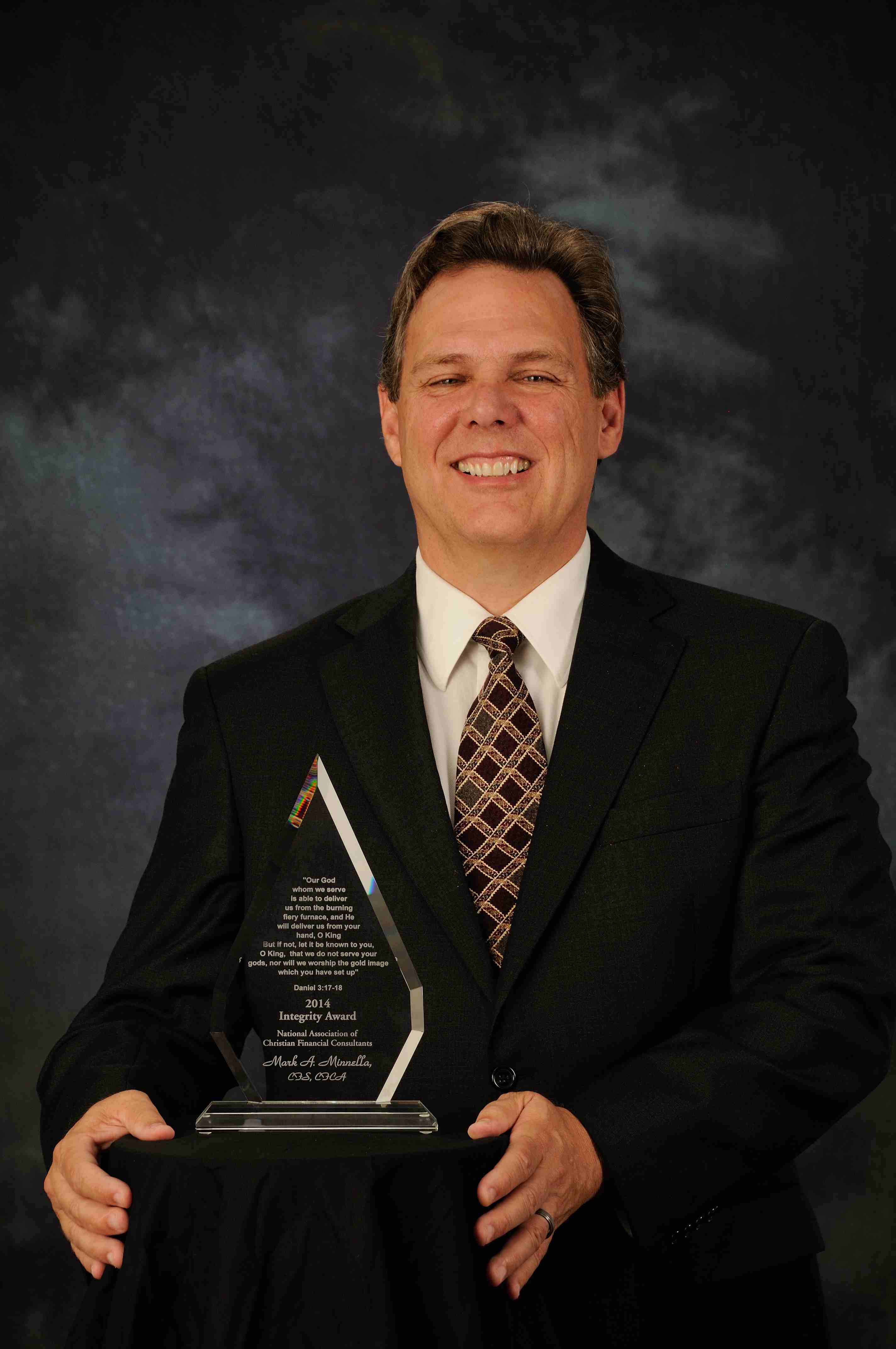
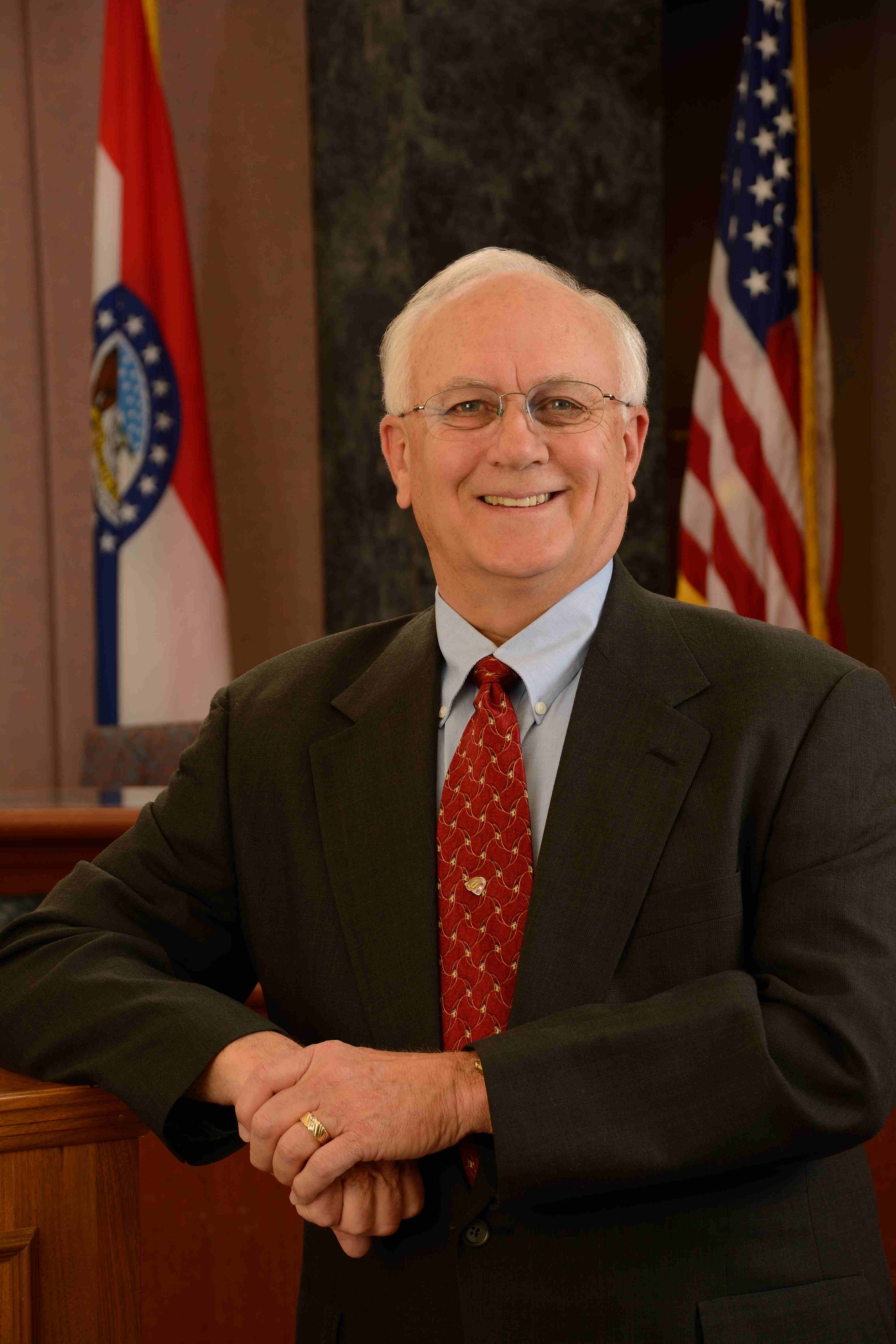
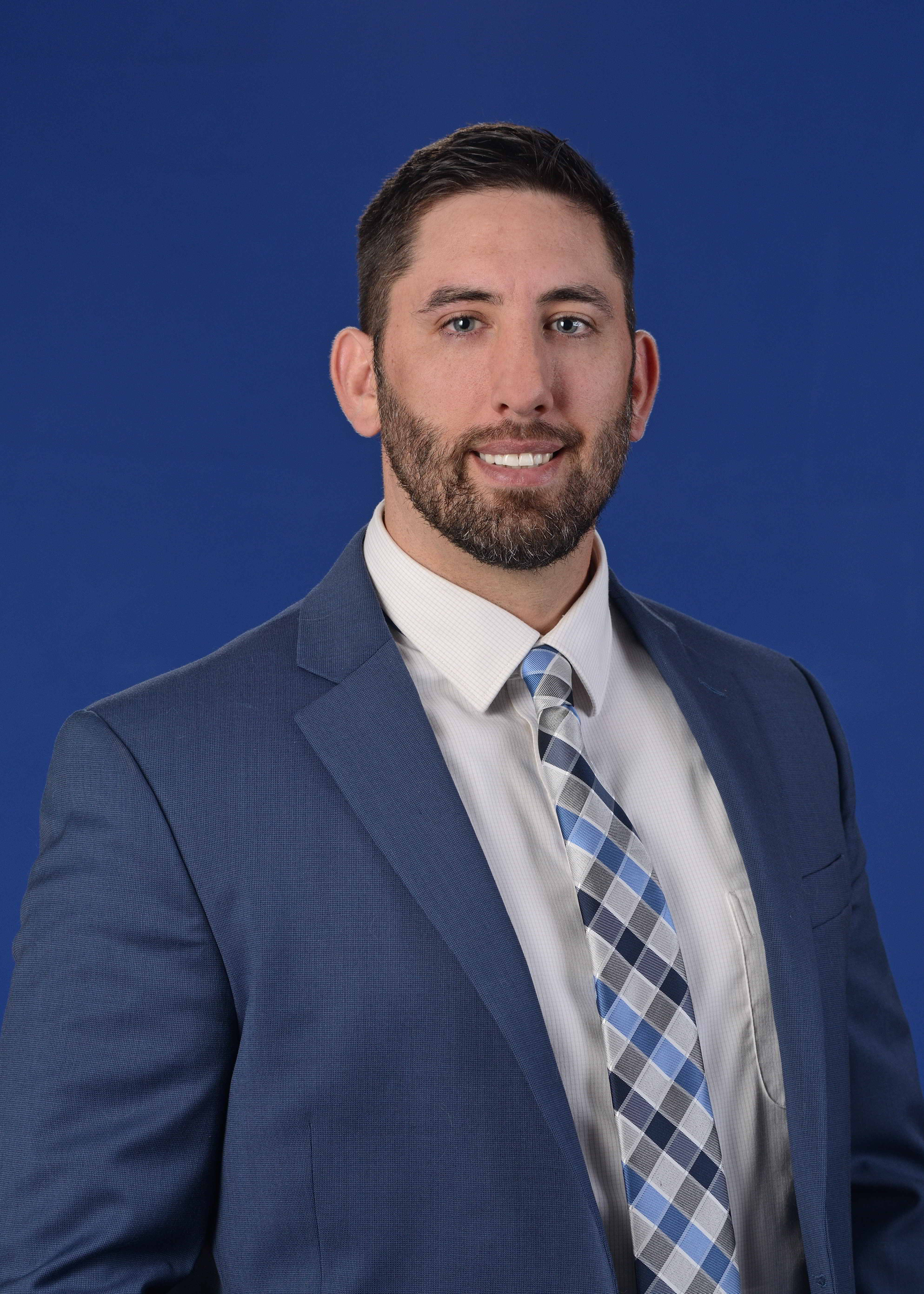
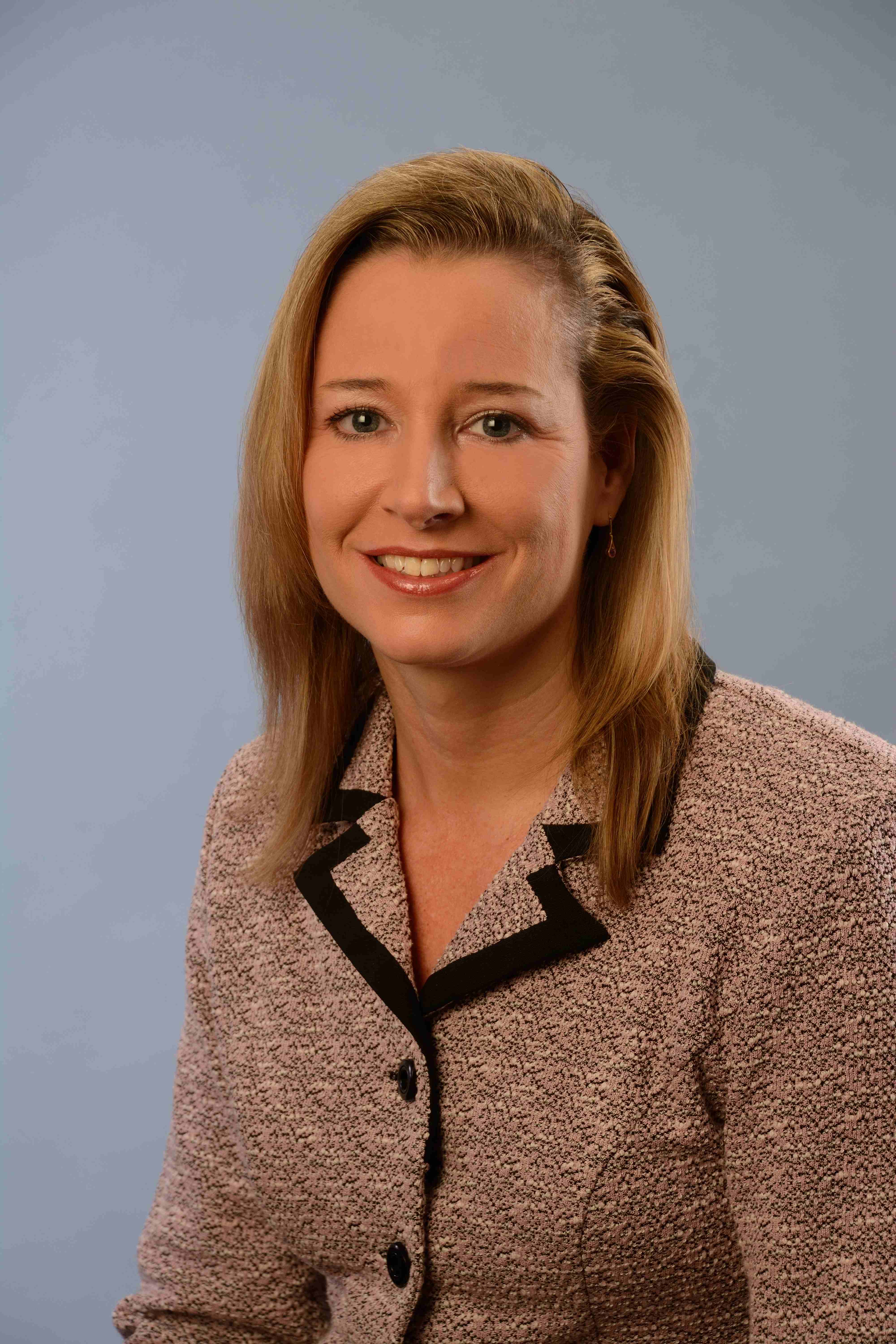
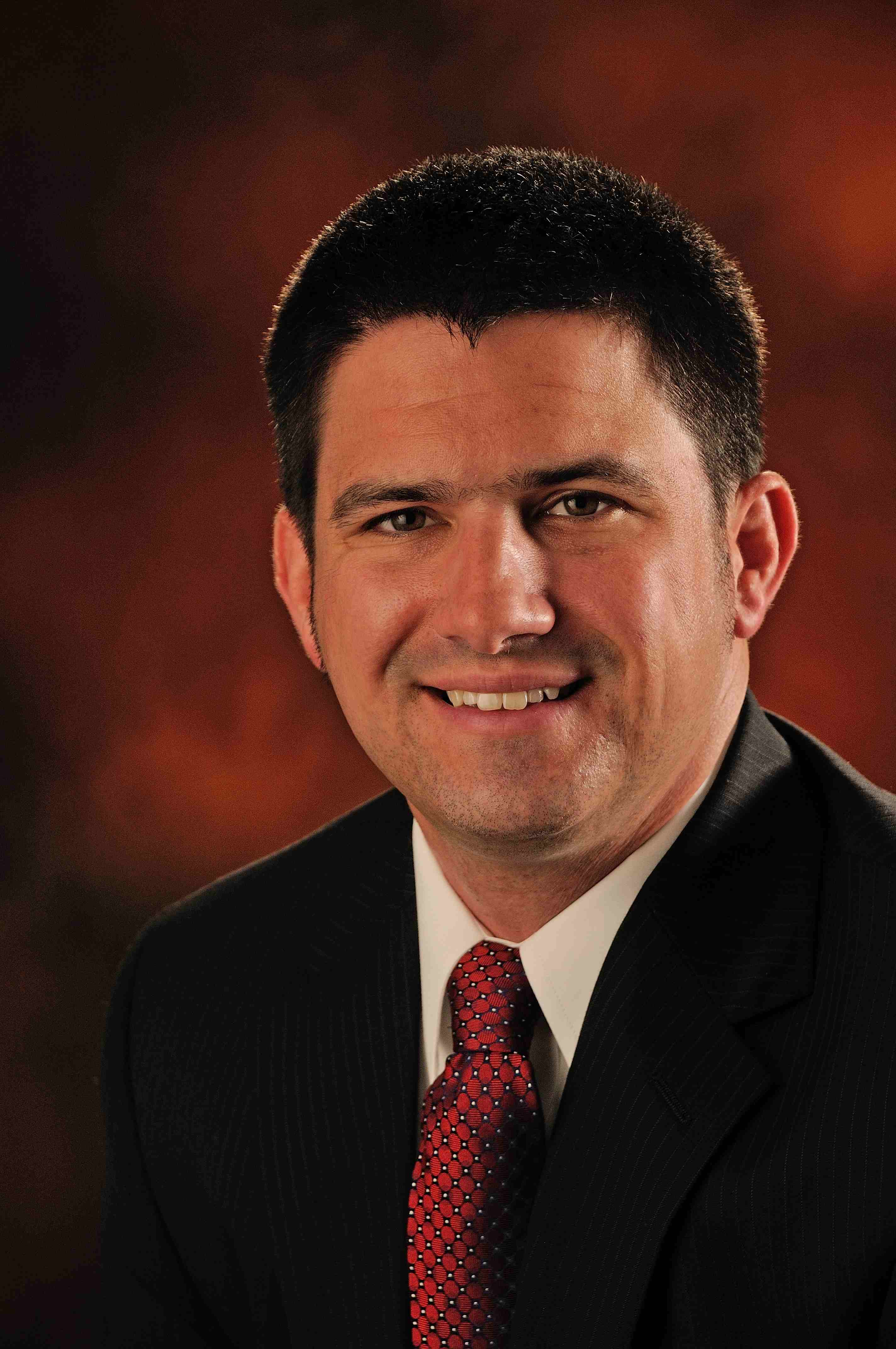
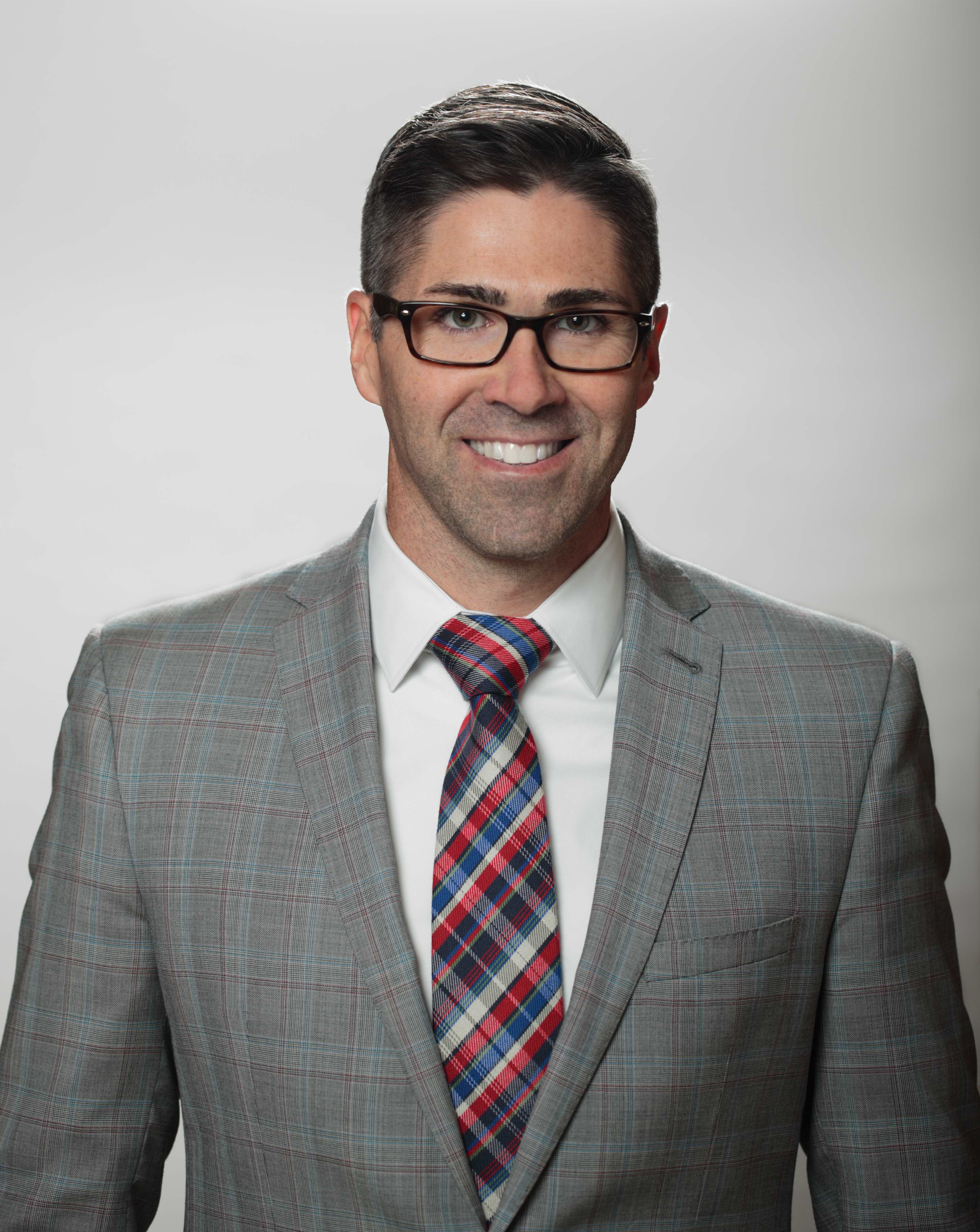
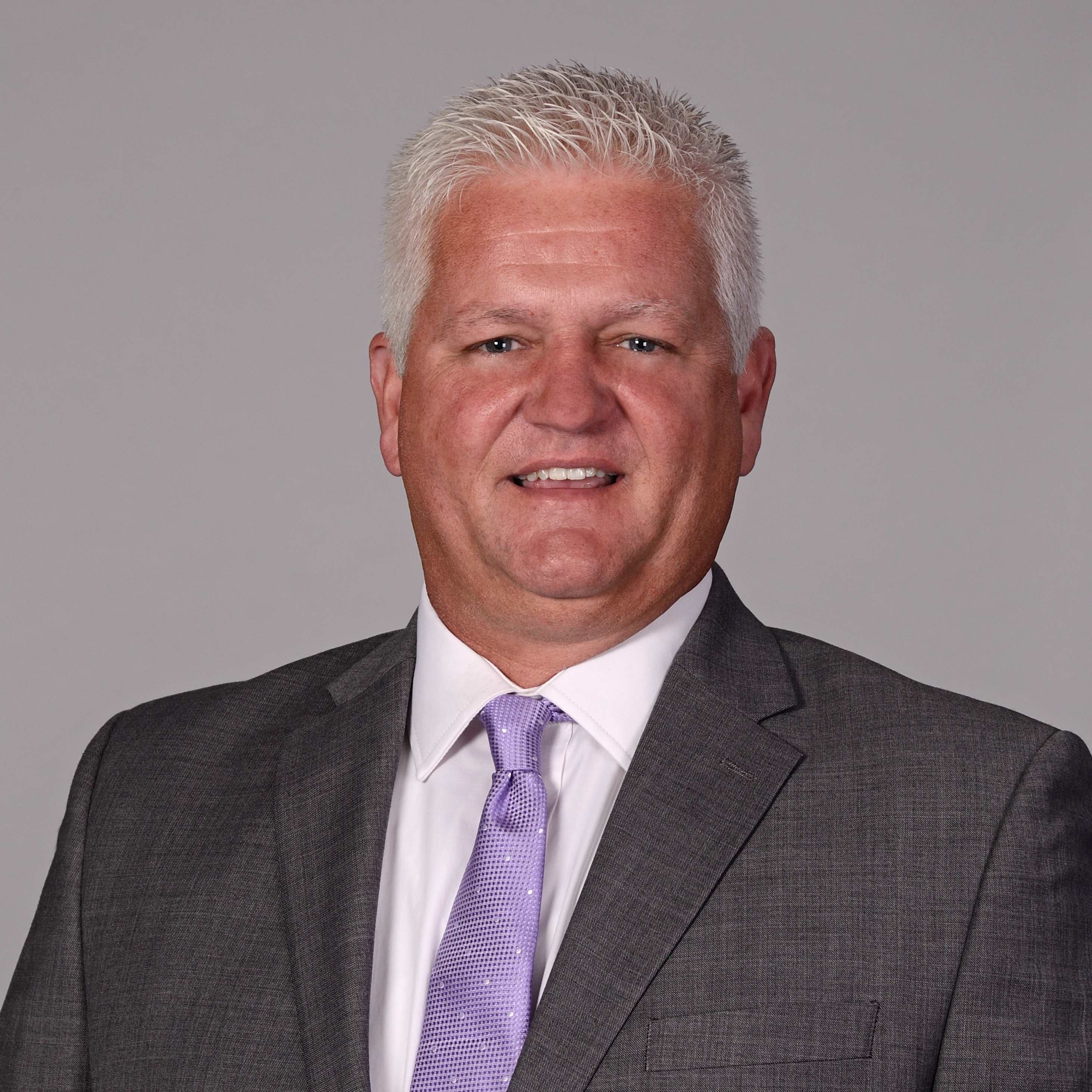
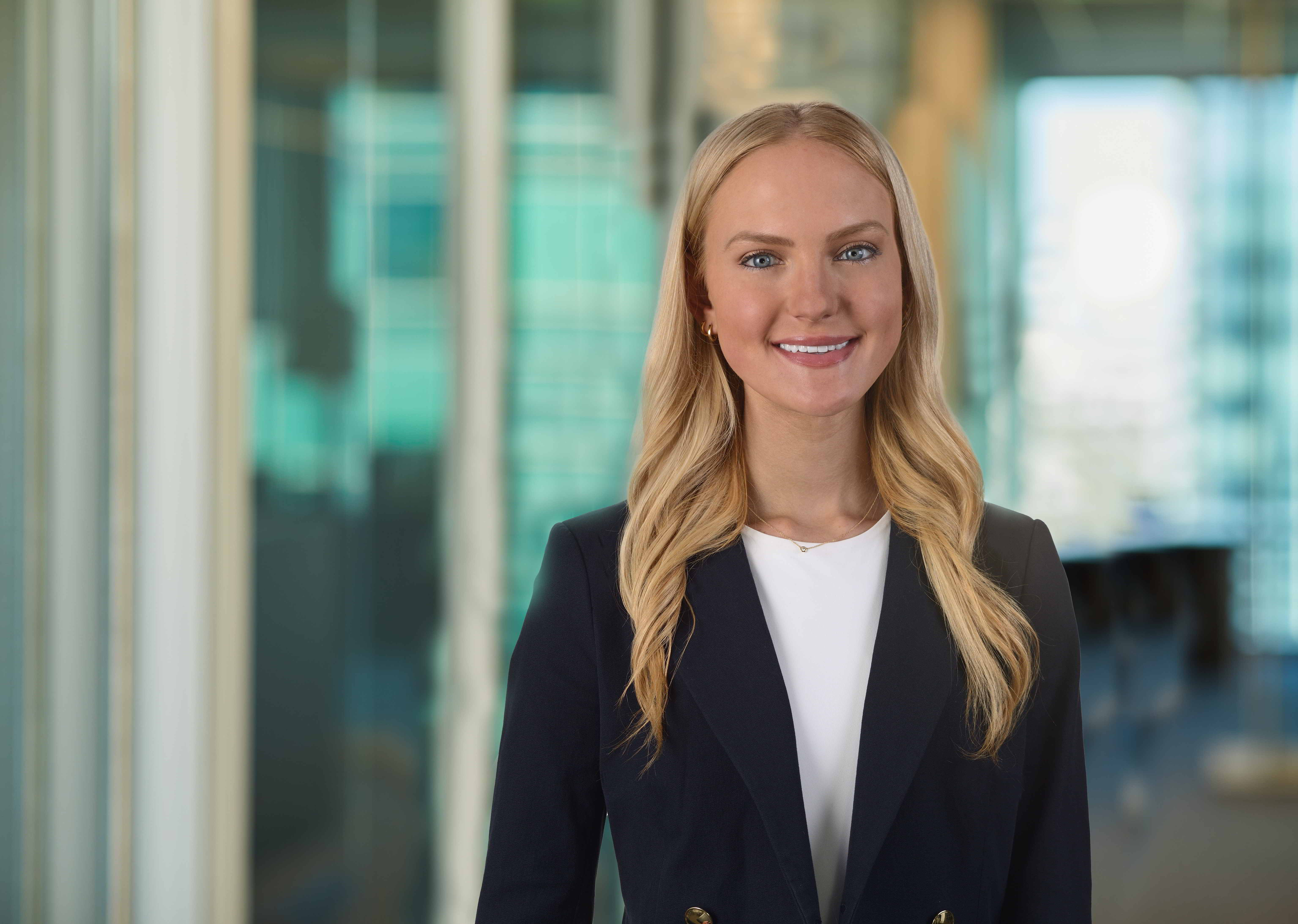
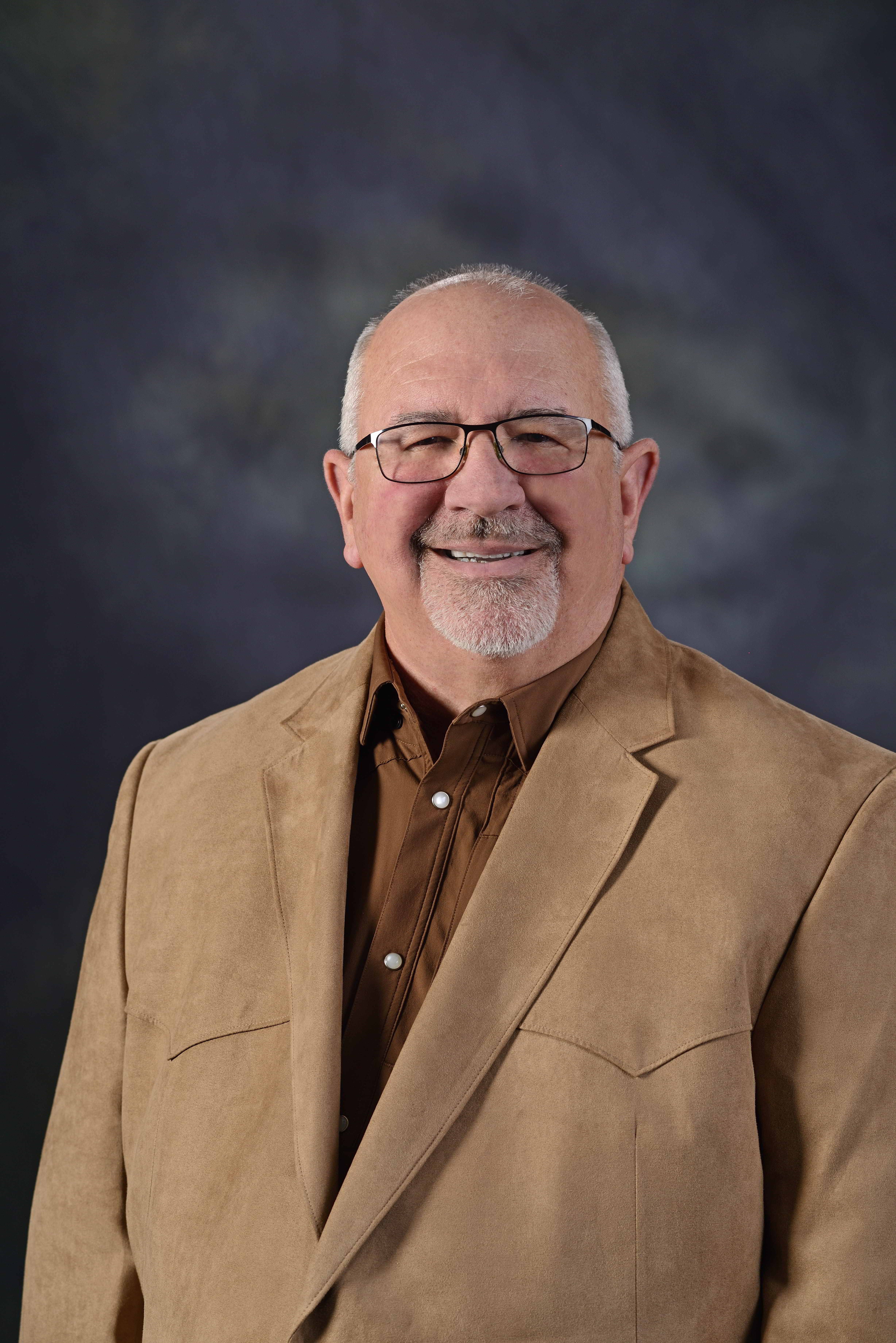
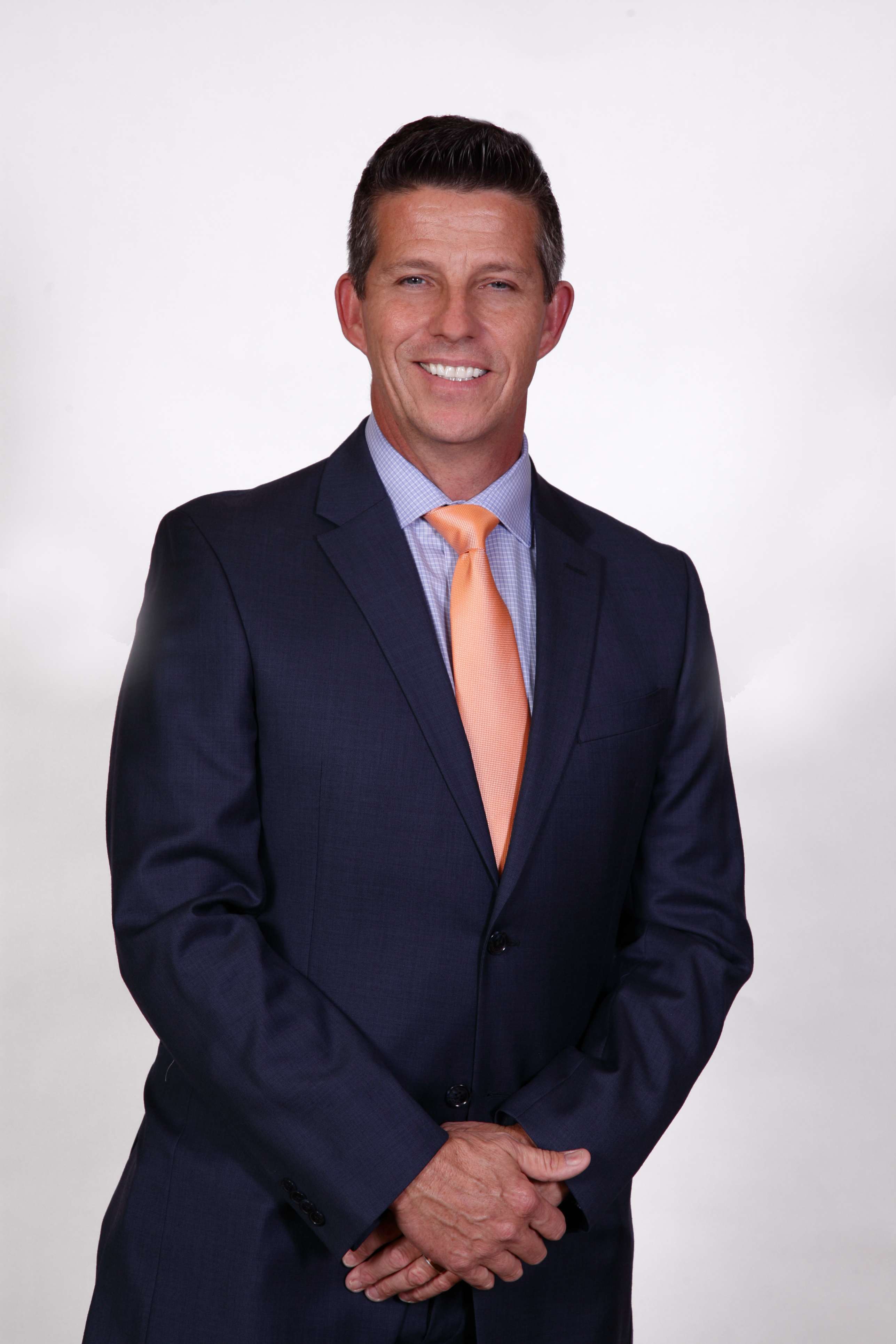
- Consistent, modern headshots for your whole team
- Executive portraits for PR and speaking bios
- New images for proposals, email signatures, and LinkedIn
- Faster onboarding assets for new hires (if scheduled)
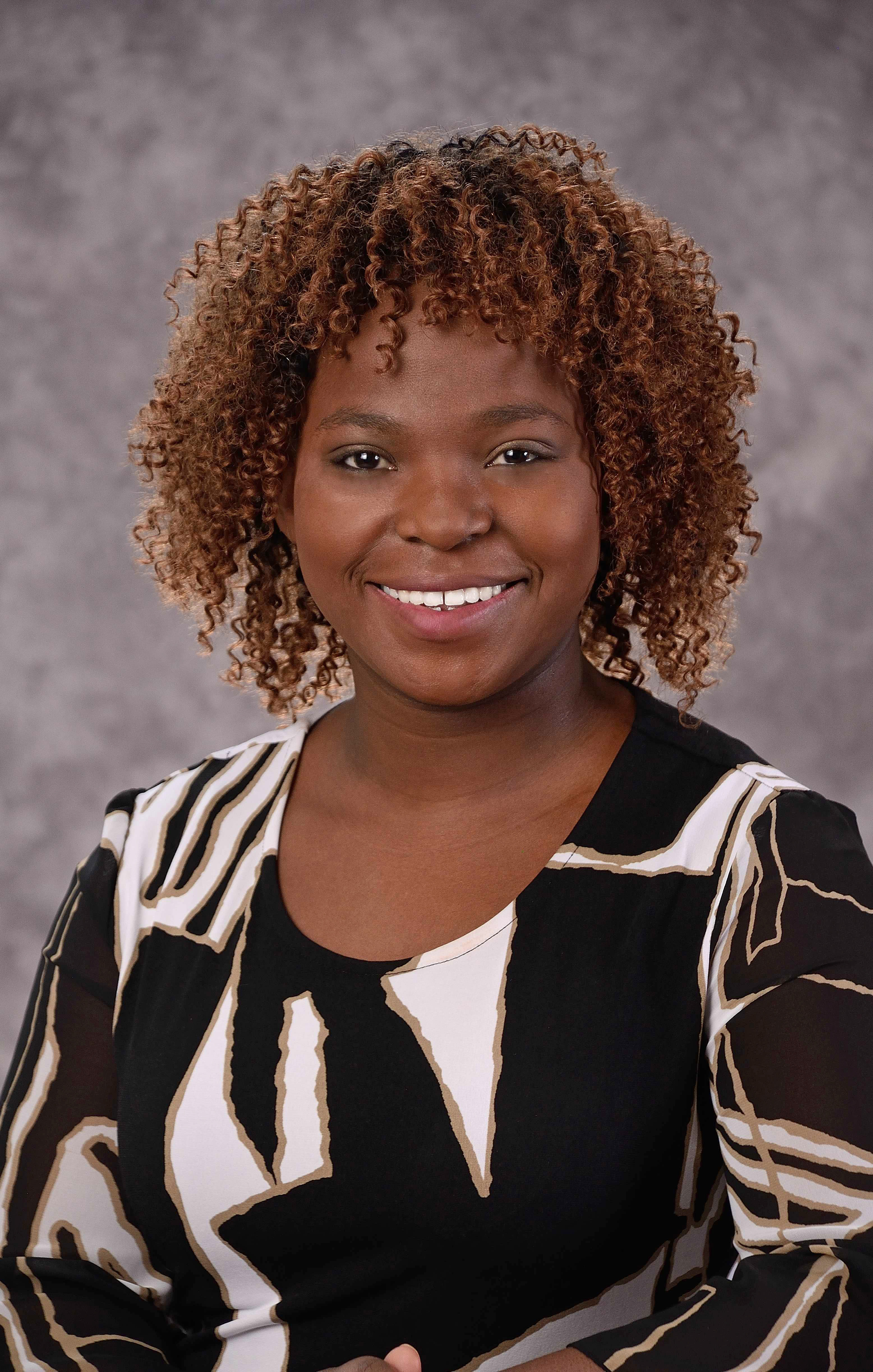



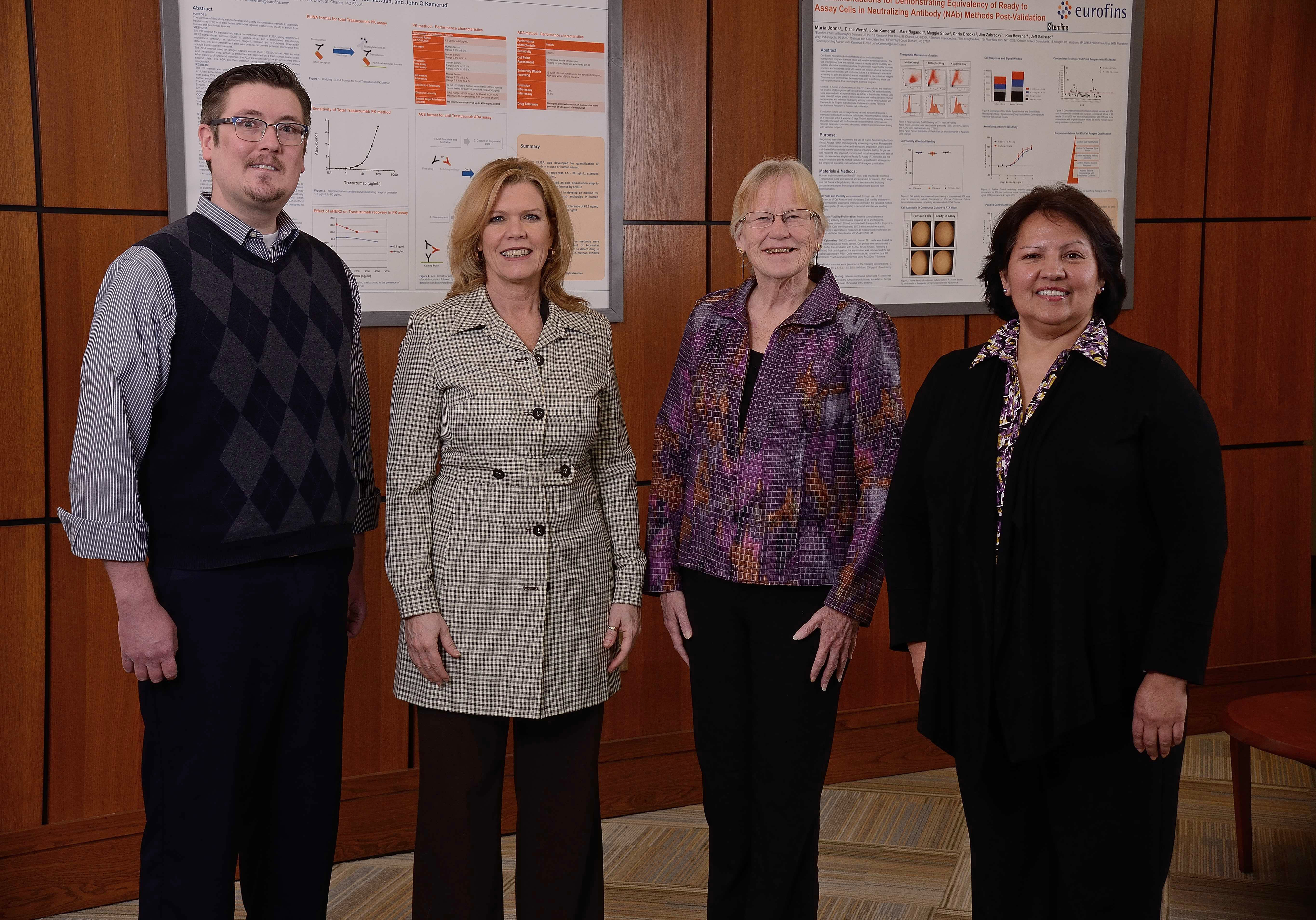
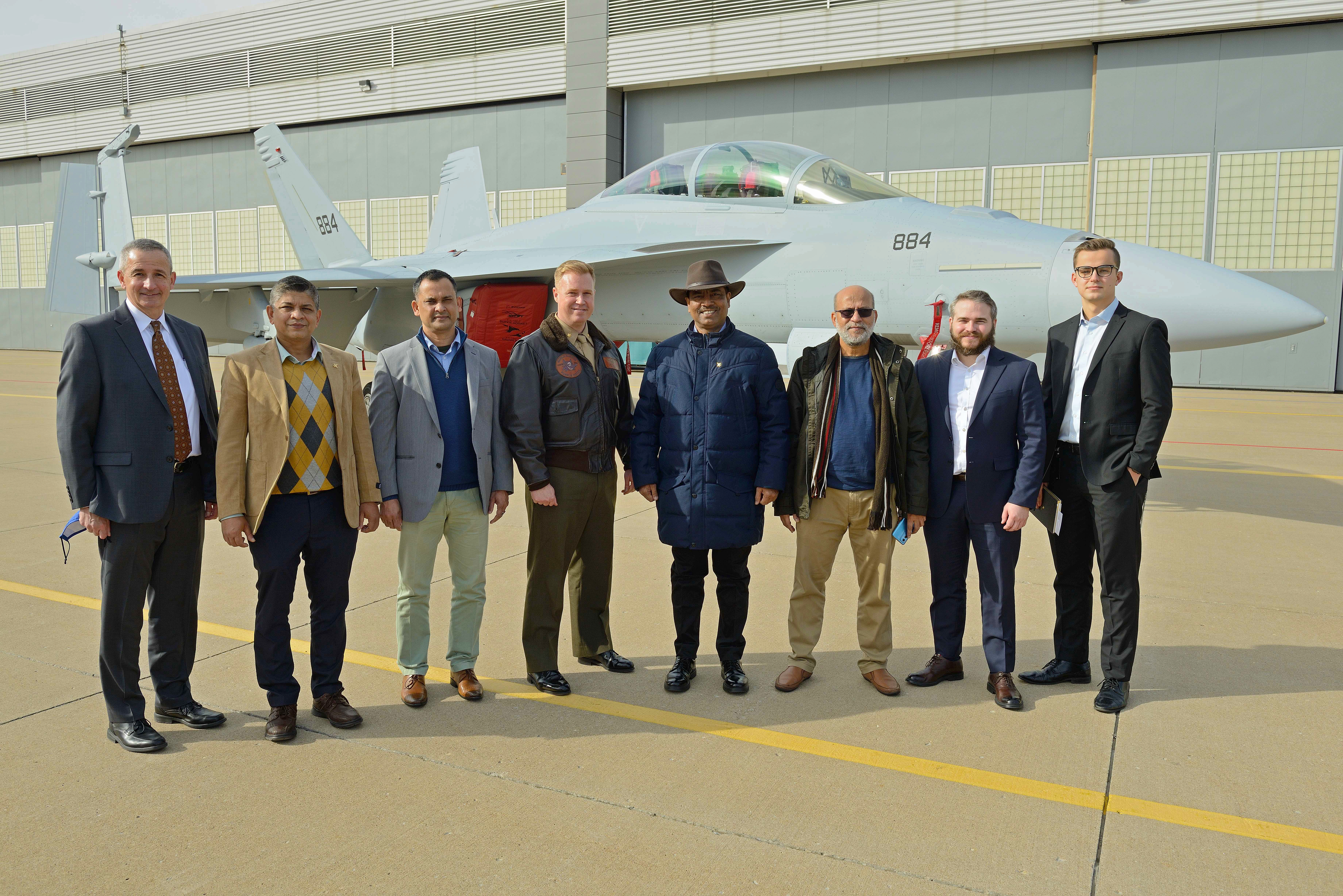

The economical way to do trade show headshots
We keep it simple and professional:
- A compact, controlled lighting setup
- Efficient posing workflow (fast, flattering, repeatable)
- Quick rotation so you don’t lose booth coverage
- A consistent look across all team members
You’re not trying to create magazine covers in a hallway. You’re building clean, confident, brand-aligned portraits that elevate your entire organization’s presentation.
Common Mistakes That Make Trade Show Photography Waste Money
Here’s where budgets get quietly torched:
Mistake 1: Only shooting wide booth shots
Wide shots are necessary, but they’re rarely the assets that drive engagement. The most valuable images show:
- People interacting
- Hands demonstrating
- Expressions and conversations
- “Proof of interest” moments
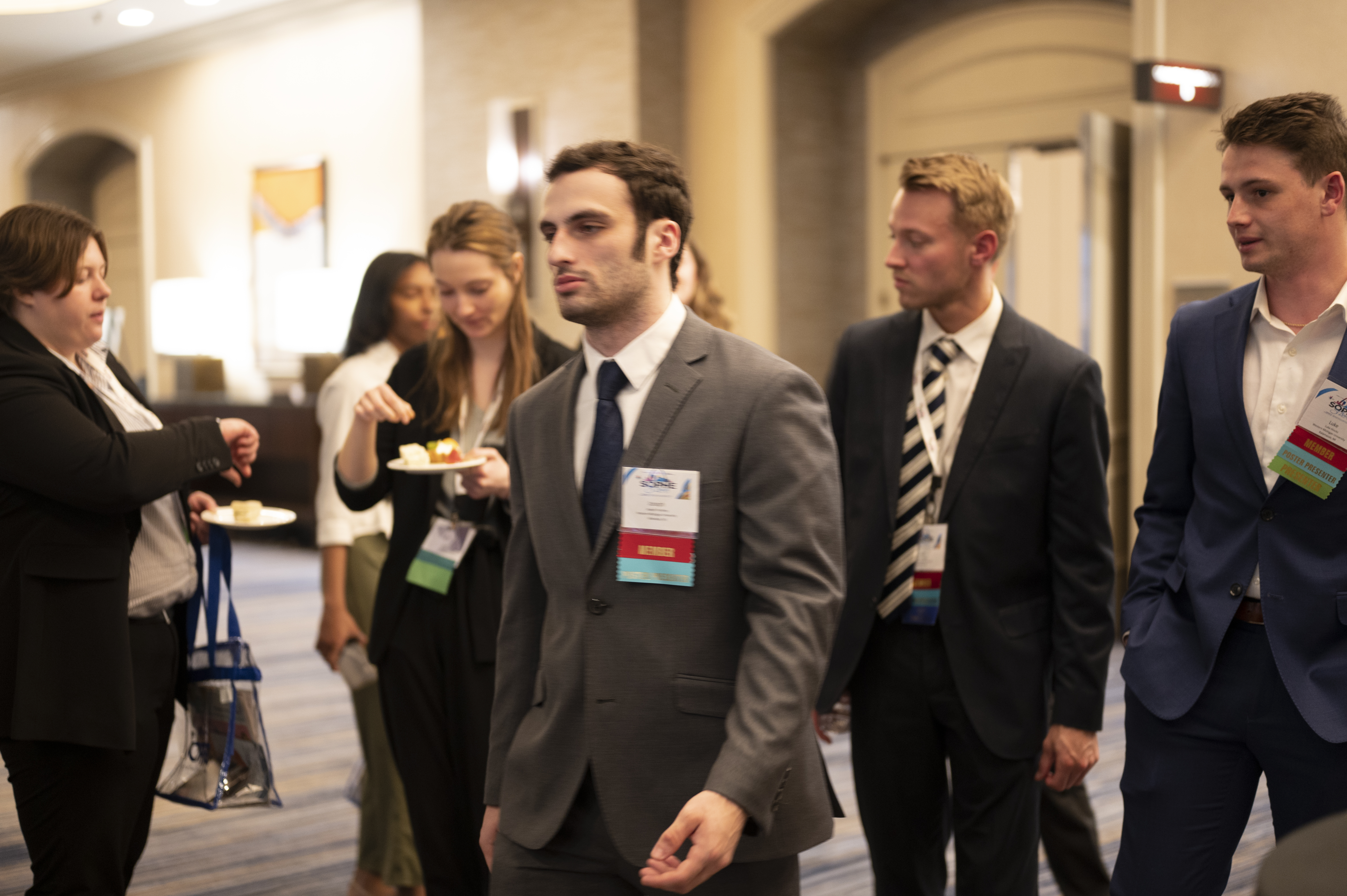
Mistake 2: Not capturing leadership + partners intentionally
If your VP of Sales meets a major partner and there’s no photo, it didn’t happen (in marketing terms). We plan for:
- Executive moments
- Partner photos
- Customer visit photos
- Sponsor/association moments
Mistake 3: No plan for delivery and reuse
If images come back late—or unorganized—your marketing team won’t deploy them. Fast delivery and usable structure is part of “economical.”


A Practical Shot List for Decision Makers
If you want content that works, prioritize this hierarchy:
- Hero booth images (clean, branded, no clutter)
- Engagement images (leads + demos + conversations)
- Team at work (not posed, but intentional)
- Executive/partner moments
- Detail shots (signage, product, screens, handouts)
- Headshots (consistent set, fast rotation)
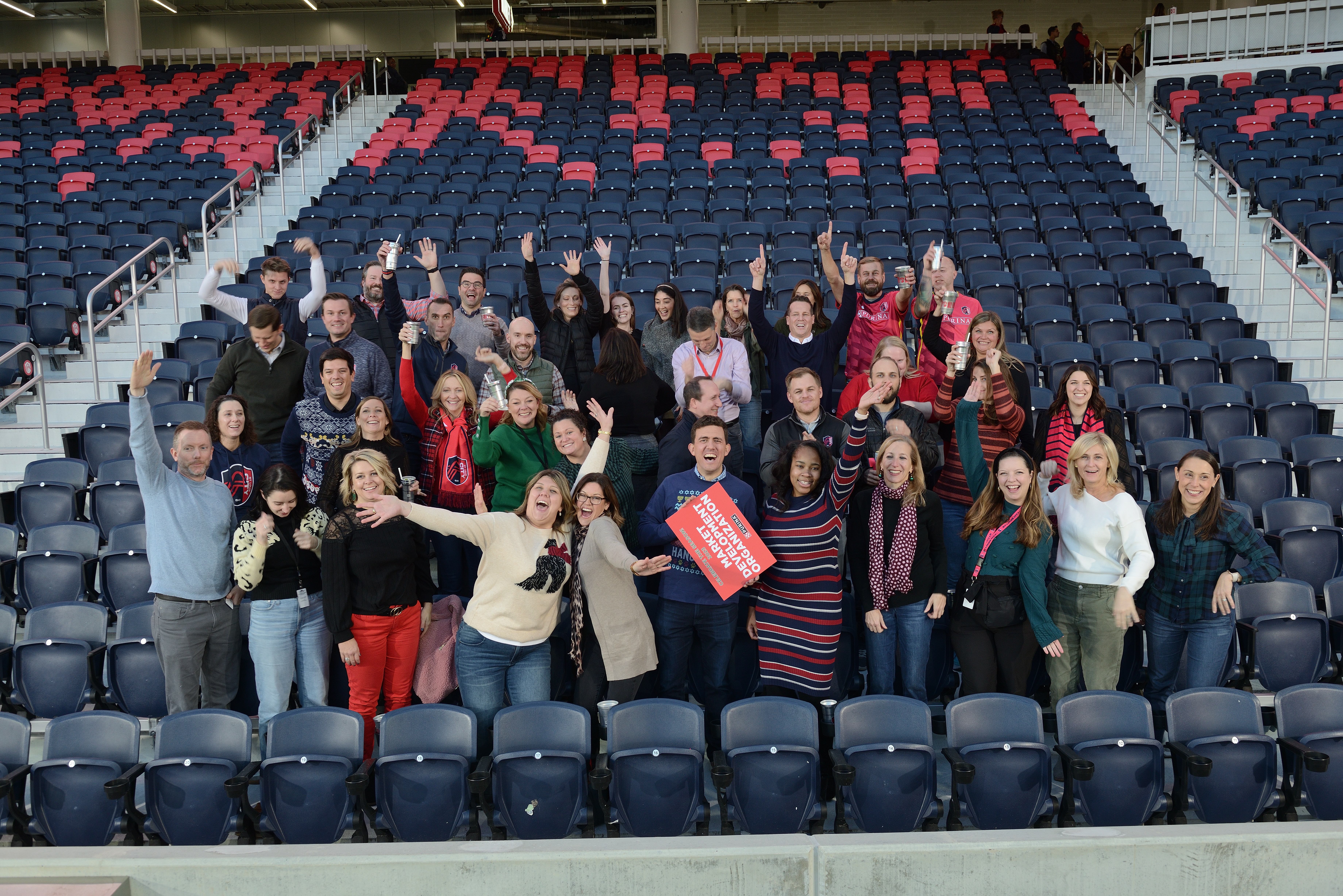
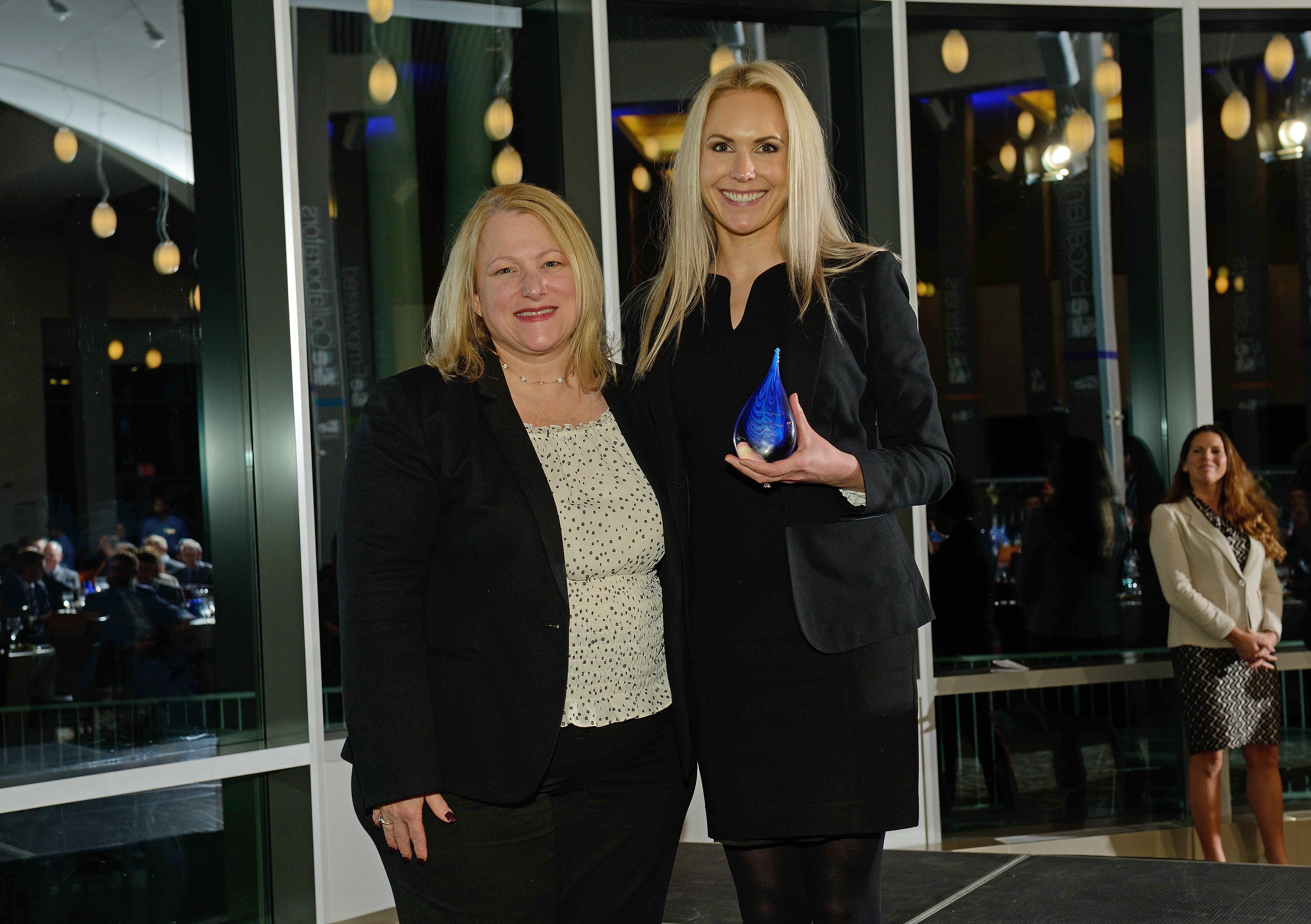
- A few “culture” shots (energy, smiles, candid confidence)
This mix supports sales, marketing, recruiting, and PR—without inflating coverage time.
Tips to Make Your Trade Show Photo Investment Pay Off Immediately
Here are a few tactical moves that consistently improve results:
- Assign a booth “traffic cop.” One person helps coordinate who steps out for headshots and when.
- Keep the booth photo-ready. Clear clutter zones, hide personal bags, and straighten signage.
- Build a 10-minute buffer around speaking slots. That’s when leadership photos matter most.
- Capture customer stories while they’re fresh. A quick photo with a happy client can become a high-performing social post the same day.
- Plan your post-show rollout before the show ends. If your marketing team knows what’s coming, they’ll publish faster.
The Bottom Line: Economical Doesn’t Mean Minimal—It Means Strategic
Trade shows are one of the few moments where your brand, your people, and your customers are all in the same physical space. Capturing that intelligently is how you turn a one-time event into an ongoing asset engine.
Why St Louis Headshot Photographer Is Built for Efficient, High-Value Tradeshow Coverage
At St Louis Headshot Photographer, we’re not just taking photos—we’re producing deliverables for real-world marketing use.
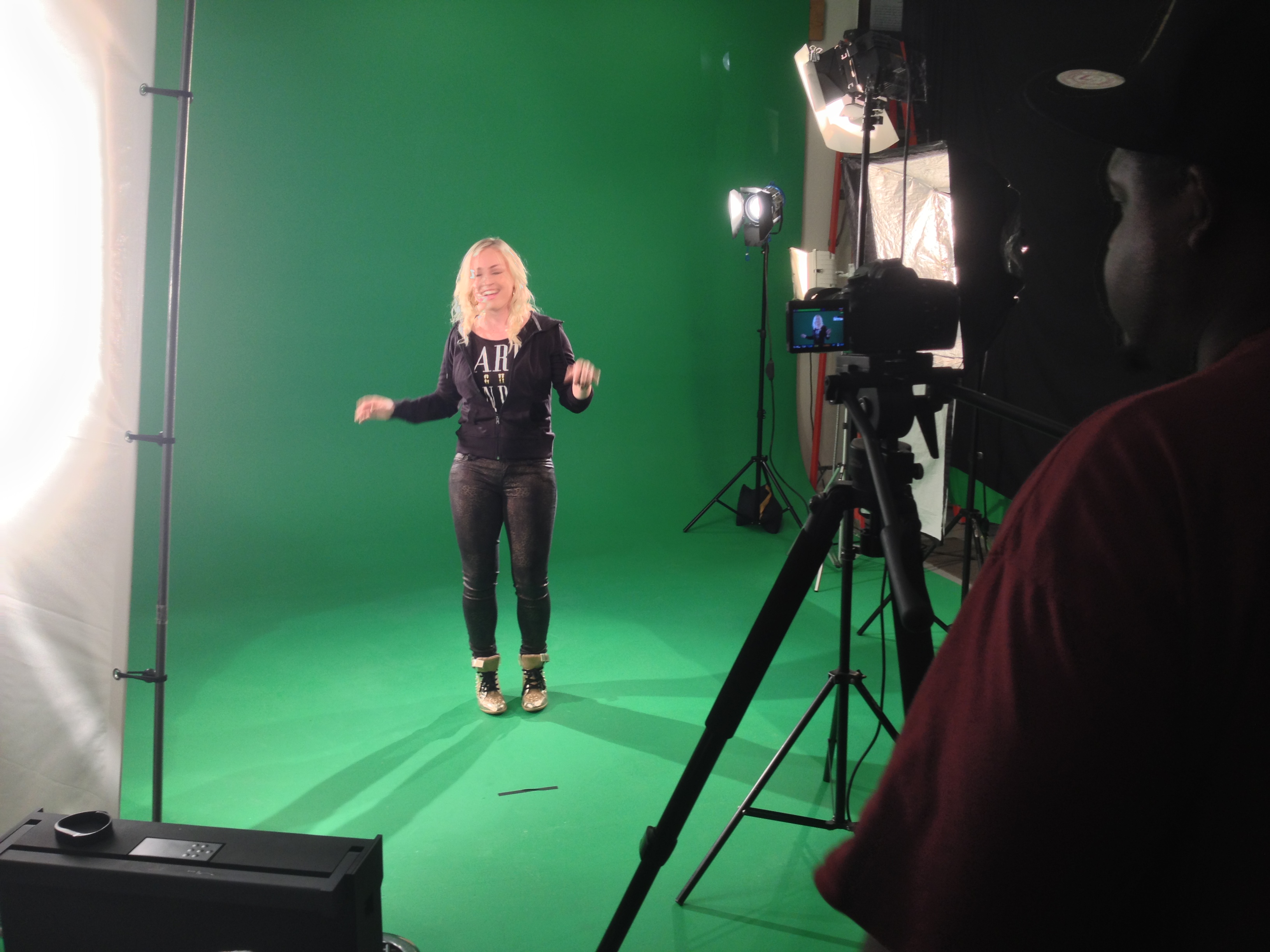
We are a full-service professional commercial photography and video production company with the right equipment, creative crew, and service experience for successful image acquisition. We offer full-service studio and location video and photography, plus editing, post-production, and licensed drone services. St Louis Headshot Photographer can customize productions for diverse media requirements, and repurposing your photography and video branding to gain more traction is a core specialty.

We’re well-versed in all file types, media styles, and the software workflows marketing teams depend on—and we use the latest Artificial Intelligence across our media services when it improves efficiency, consistency, and turnaround. Our private studio lighting and visual setup is ideal for small productions and interview scenes, and our studio space is large enough to incorporate props to round out your set. We support every aspect of production—from setting up a private, custom interview studio to supplying professional sound and camera operators and the right equipment—ensuring your next video production is seamless and successful. We can even fly specialized drones indoors when the project calls for it.
And as a full-service video and photography production corporation since 1982, St Louis Headshot Photographer has worked with many businesses, marketing firms, and creative agencies across the St. Louis area—helping them capture tradeshow visuals and headshots that look premium, deploy quickly, and keep working long after the event ends.
314-913-5626
Mike Haller
Studio upon appointment, please: 4501 Mattis Road St. Louis, MO 63128











































 St Louis HeadShot Photographer, Inc.