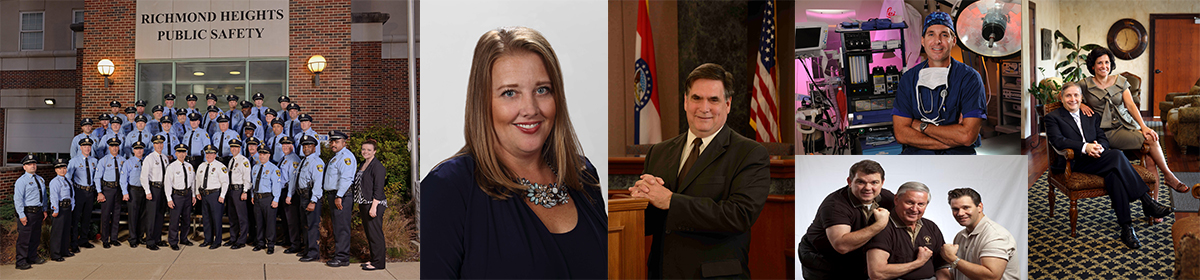
When businesses think about headshots, they often think of a simple portrait session for one executive, one employee, or one new hire. In practice, professional headshots can be much more strategic than that. They can support recruiting, strengthen brand consistency, improve presentation quality, and help an organization look more polished everywhere its people appear. That includes websites, proposal documents, press releases, LinkedIn profiles, investor materials, conference signage, email signatures, internal communications, and sales collateral.
For many organizations, the real question is not whether they need professional headshots. The question is where and how those headshots should be produced. Should your team come into a studio environment, or should the photographer bring the production to your office? And if you need multiple people photographed, how do you do it efficiently without sacrificing quality?
As an experienced videographer, photographer, and producer at St Louis Headshot Photographer, I can tell you that both studio headshots and on-location office headshots can be excellent choices when they are planned properly. The best option depends on your goals, your brand style, your schedule, and the number of people who need to be photographed.
Why Professional Headshots Matter More Than Ever
Decision makers today are asking their teams to represent the company across more channels than ever before. A headshot is no longer just an HR formality. It is often the first visual impression a client, prospect, media contact, or potential recruit sees.
A strong headshot communicates professionalism, confidence, approachability, and credibility. A weak one can make even a strong organization appear inconsistent or outdated. This is especially true when some team members have polished portraits while others are using cropped event photos, cell phone images, or portraits with mismatched backgrounds and lighting.
A professionally produced headshot program helps organizations:
- Create a more unified brand presence
- Make leadership and team pages look stronger
- Support sales and marketing outreach
- Improve social media and LinkedIn presentation
- Strengthen recruiting materials
- Provide updated visuals for media and PR opportunities
- Save time by creating a repeatable process for new hires and team updates
For companies with multiple employees, headshots are not just about appearance. They are about brand management.
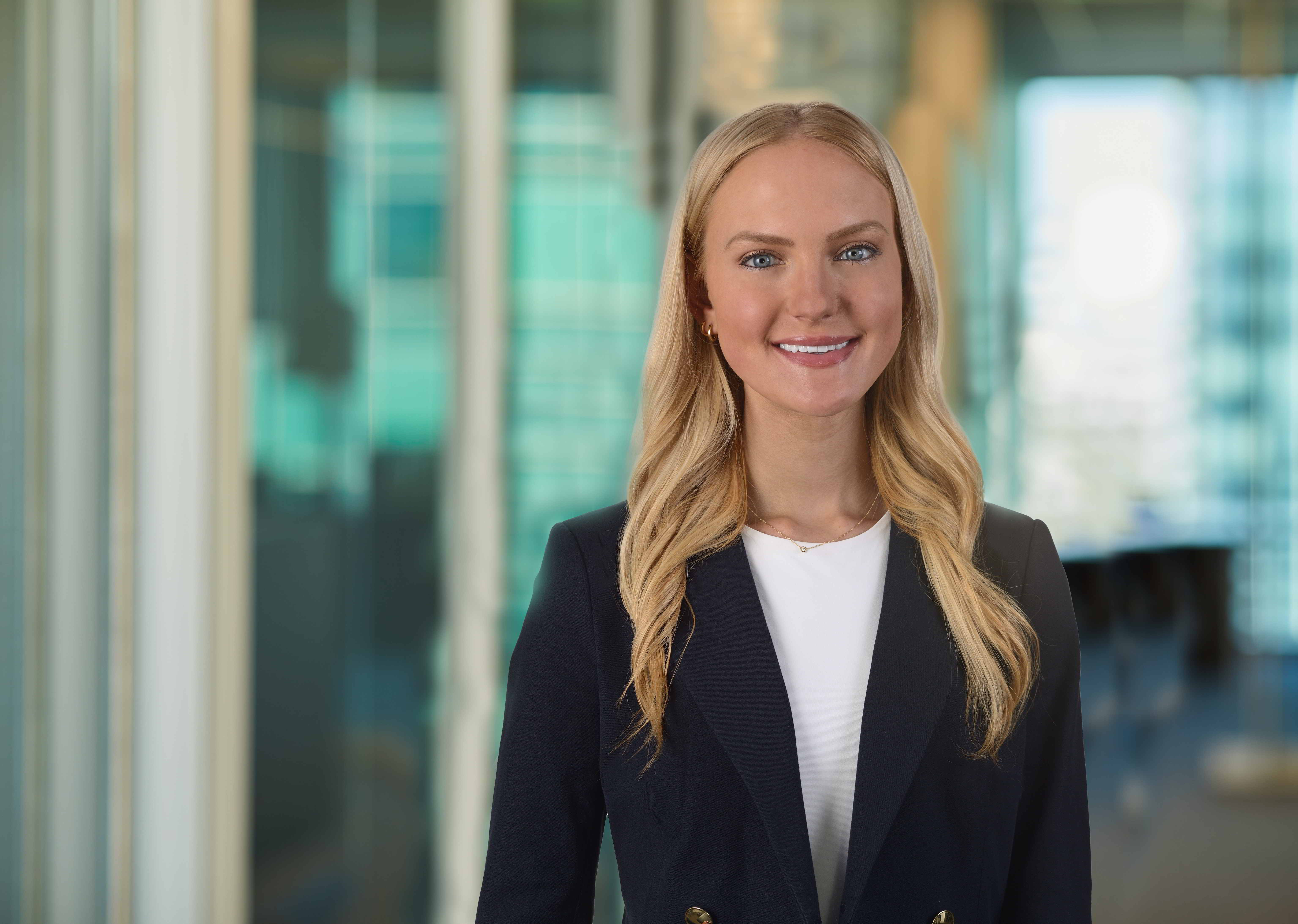
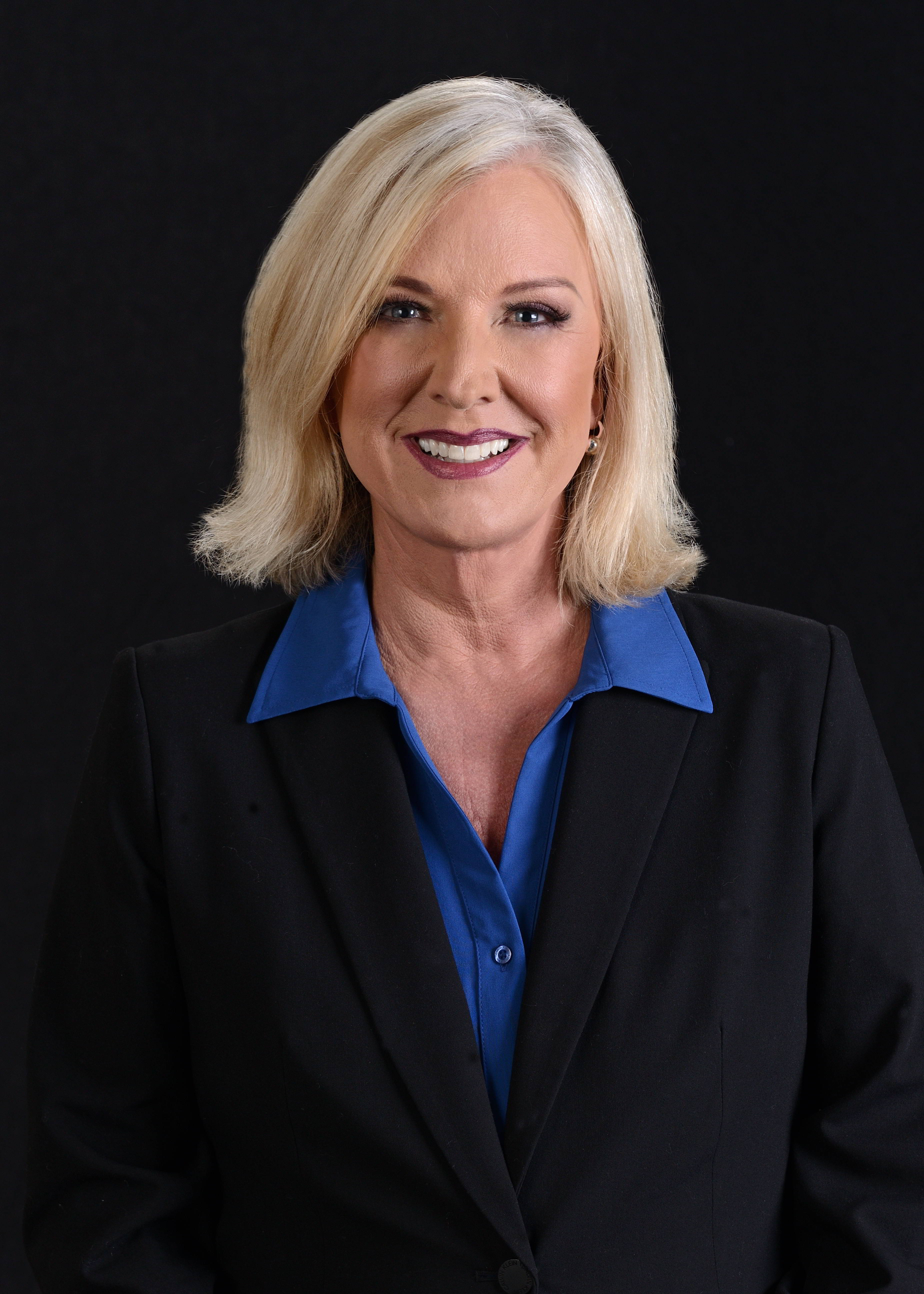
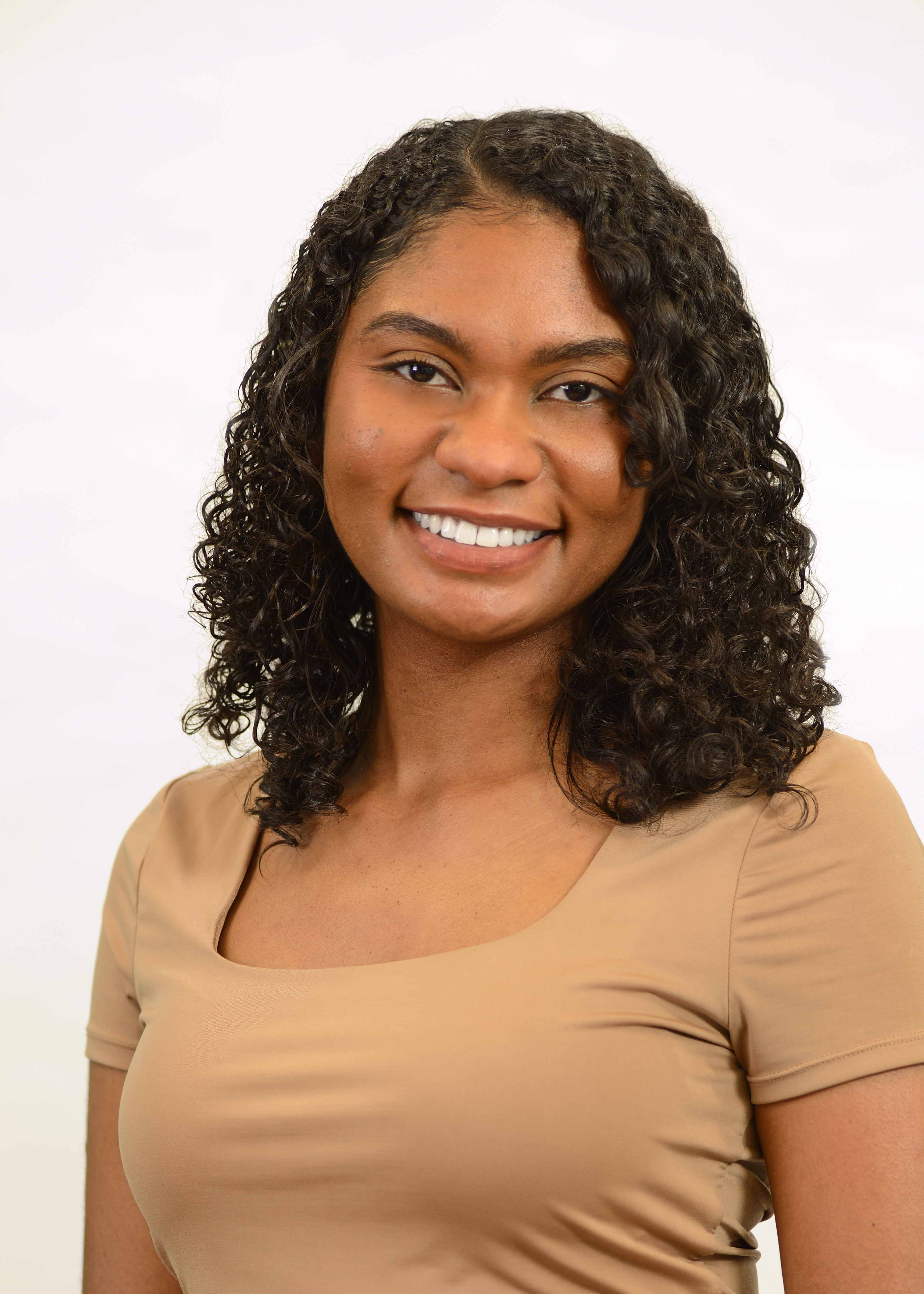
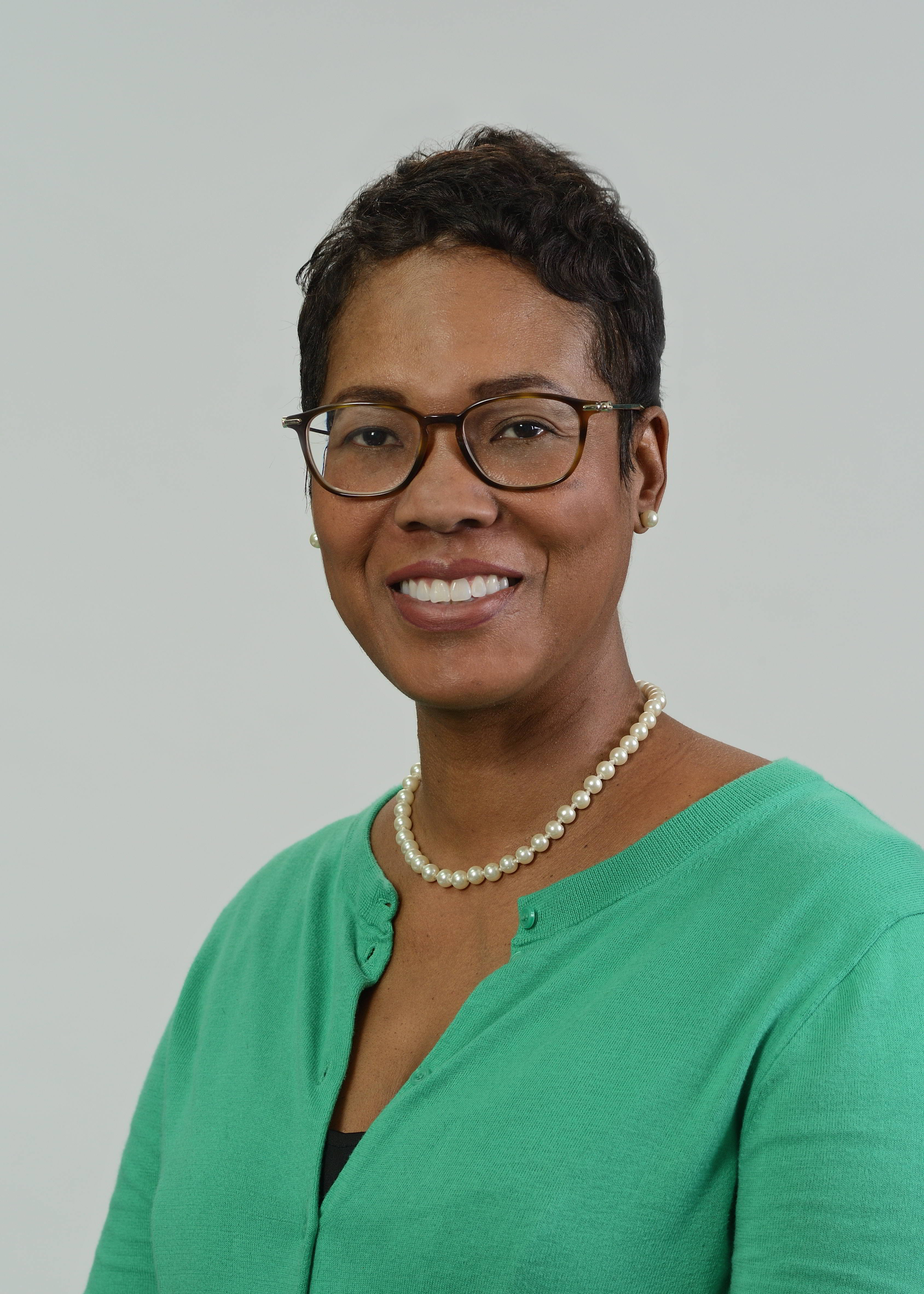
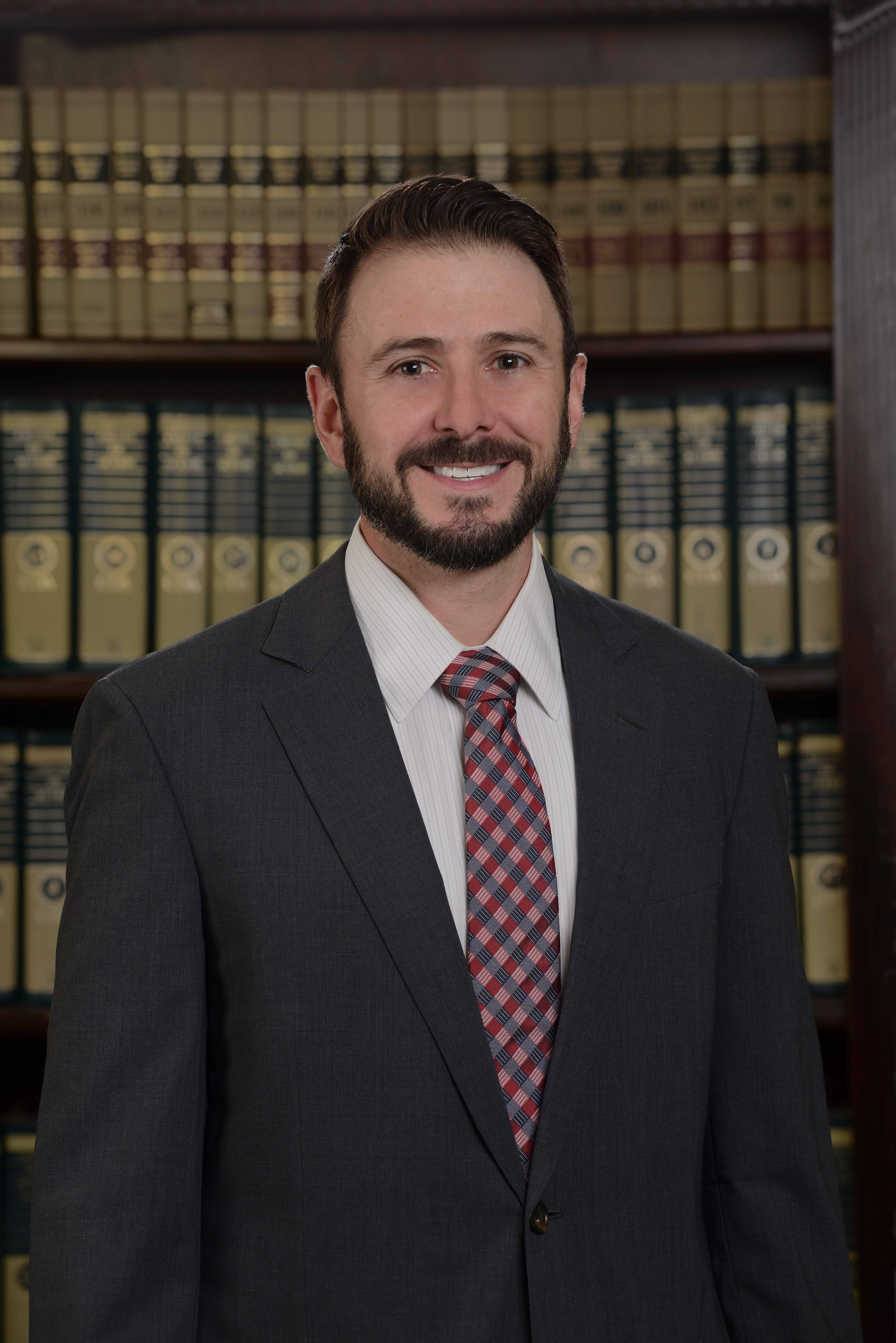
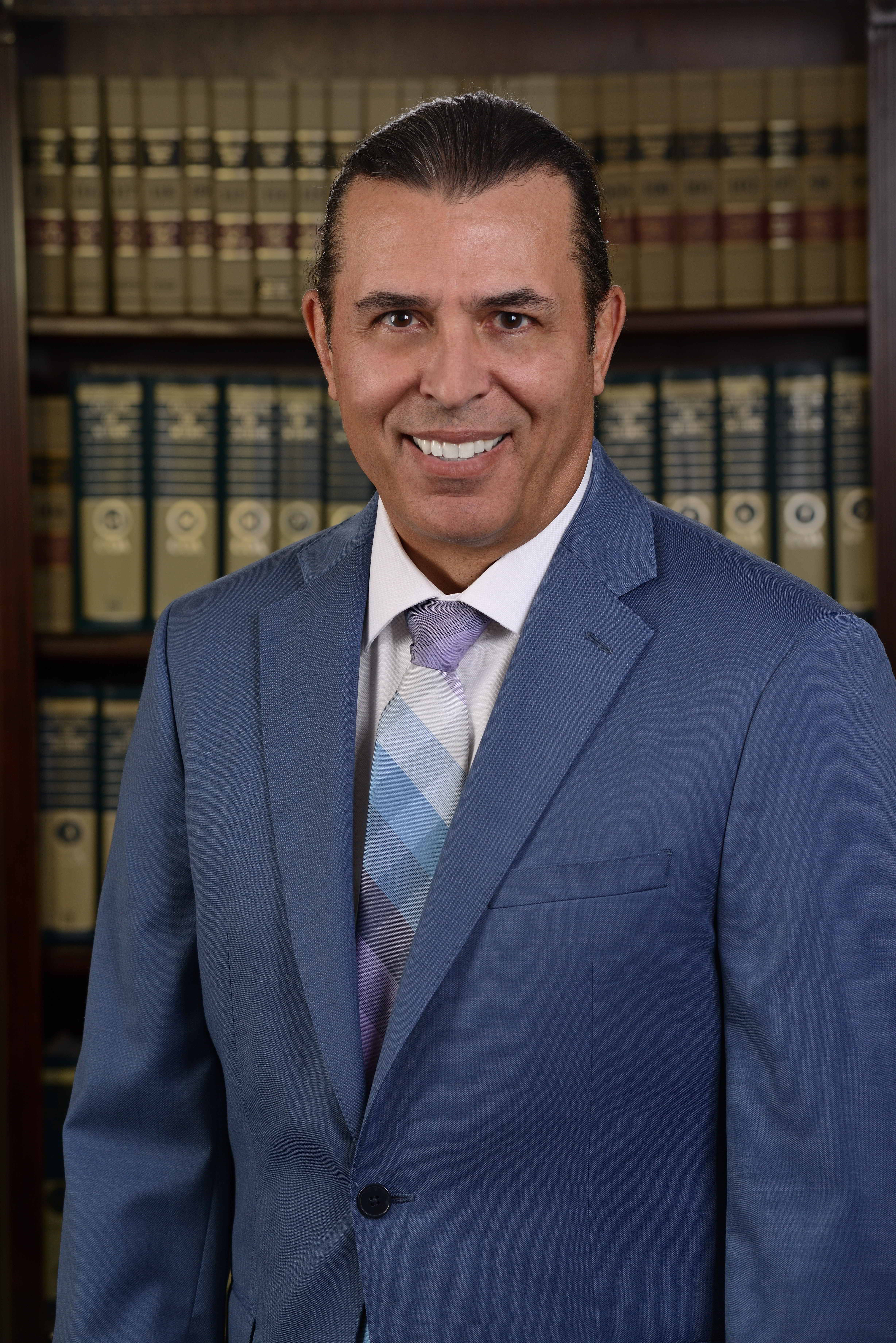
Studio Headshots: Controlled, Consistent, and Highly Polished
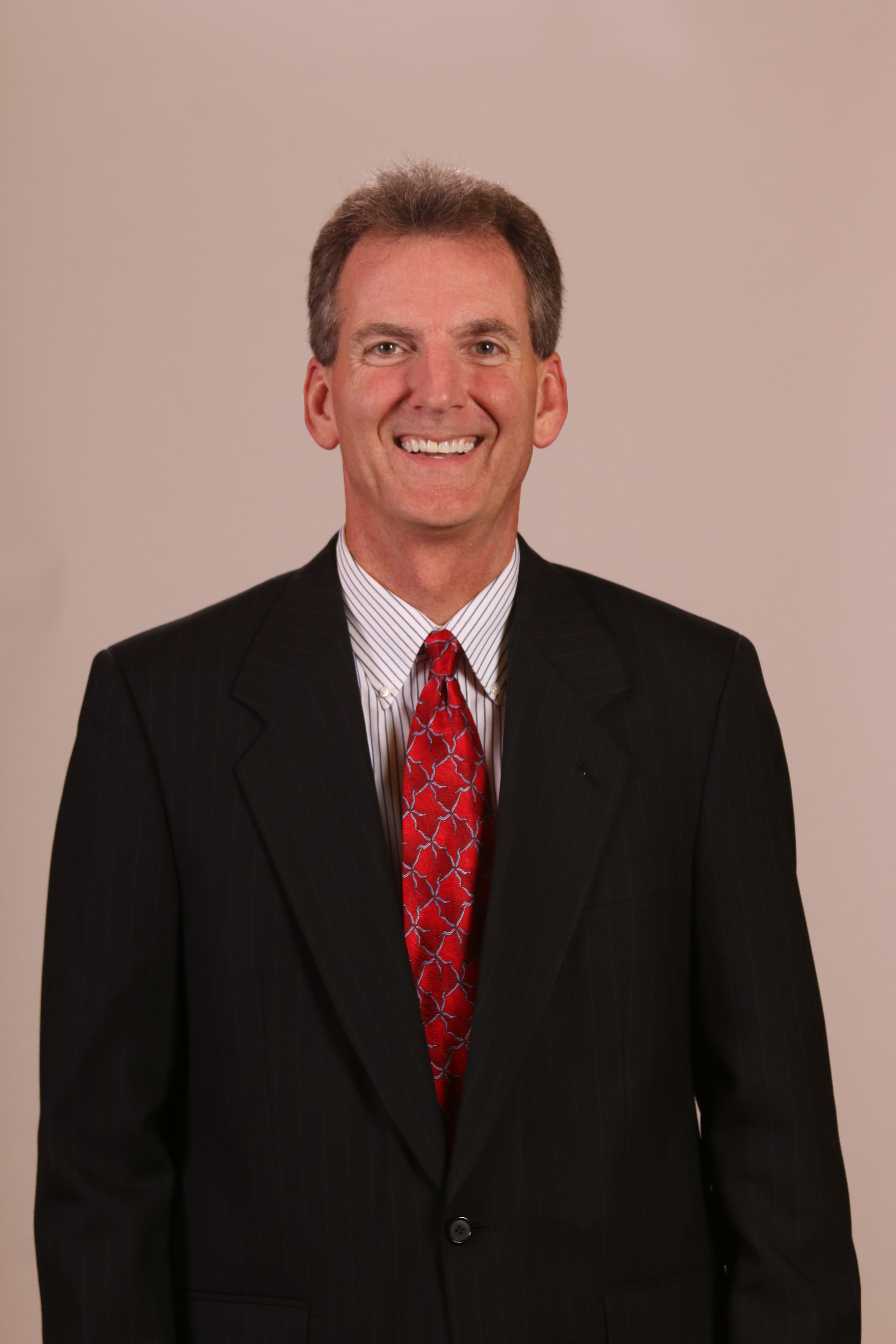
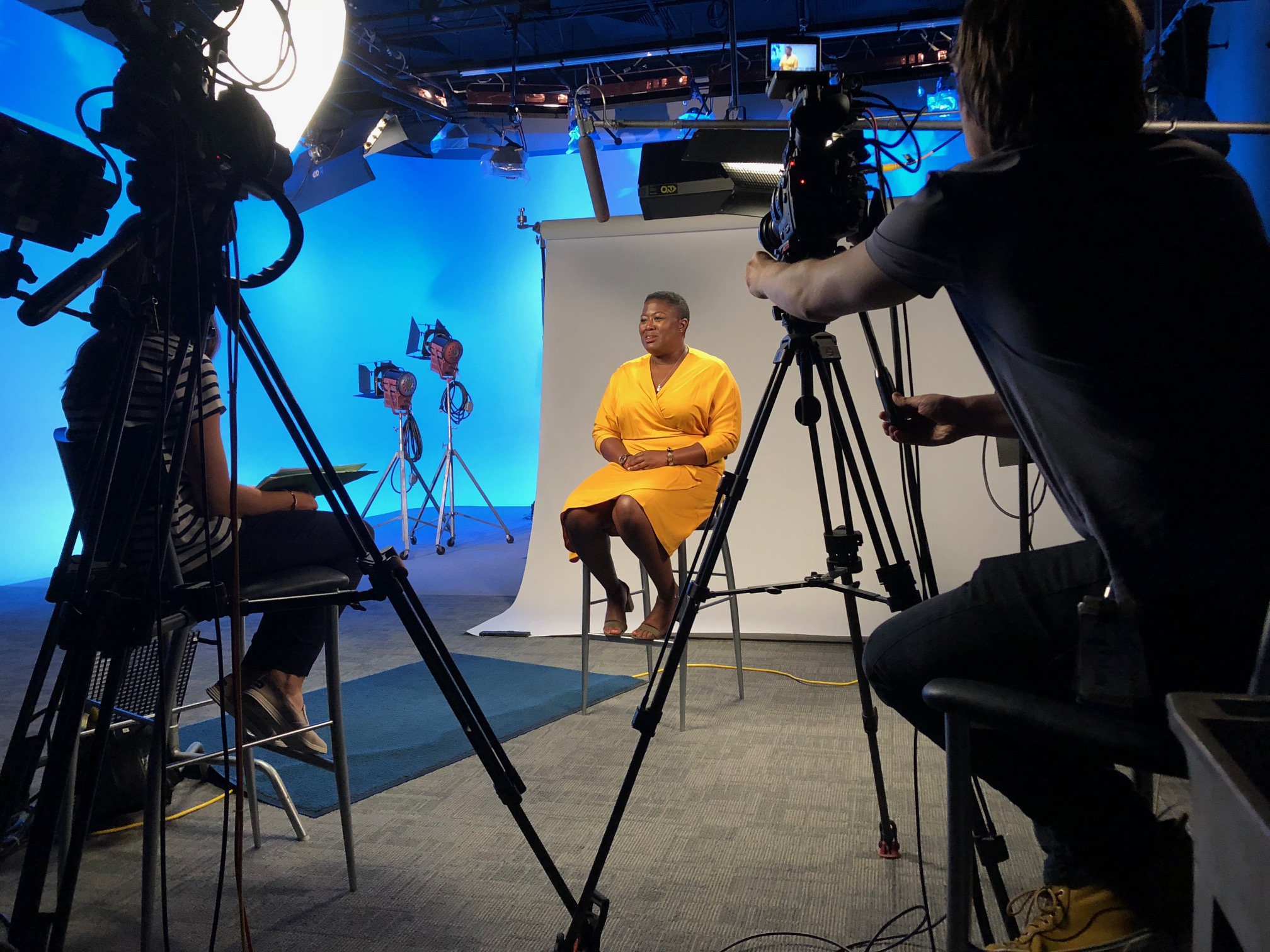
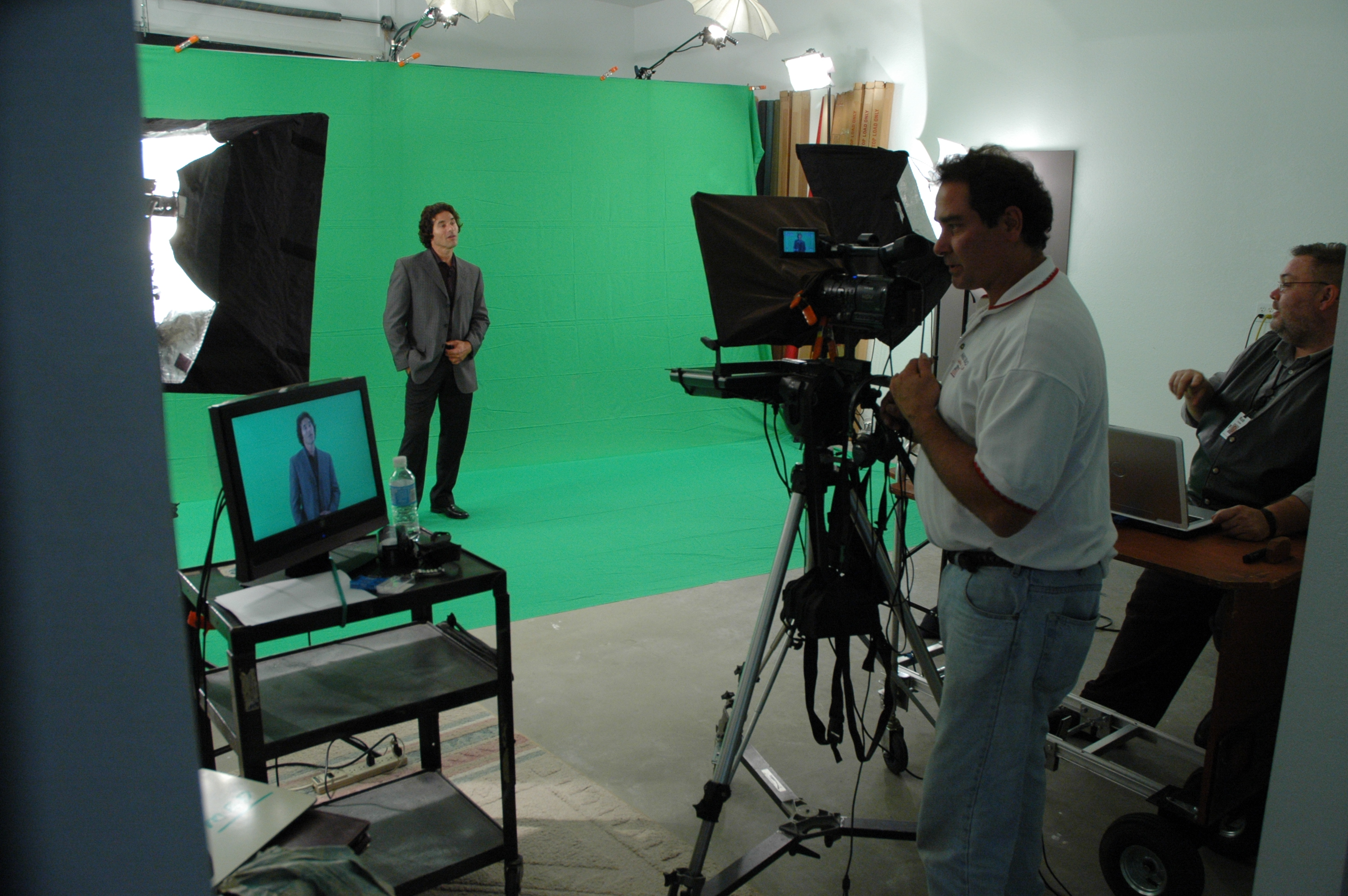
There is a reason studio headshots remain a preferred option for many businesses and professionals. A studio environment gives the production team maximum control over lighting, background, posing, camera angle, and overall visual consistency.
When individuals or teams come into the studio, we can shape the session around the exact look the client wants. That might mean classic corporate portraits, more modern approachable branding headshots, darker dramatic executive portraits, or bright clean images that feel open and contemporary.
Benefits of Studio Headshots
A studio session offers several important advantages.
Complete control of lighting and background.
Studio lighting is predictable and repeatable. That means we can produce a refined look that is consistent from one person to the next.
Minimal office distractions.
There are no interruptions from meetings, hallway traffic, ringing phones, or changing daylight conditions.
A more comfortable portrait environment.
Many people actually feel more focused in a dedicated studio setting where the session is clearly designed for photography.
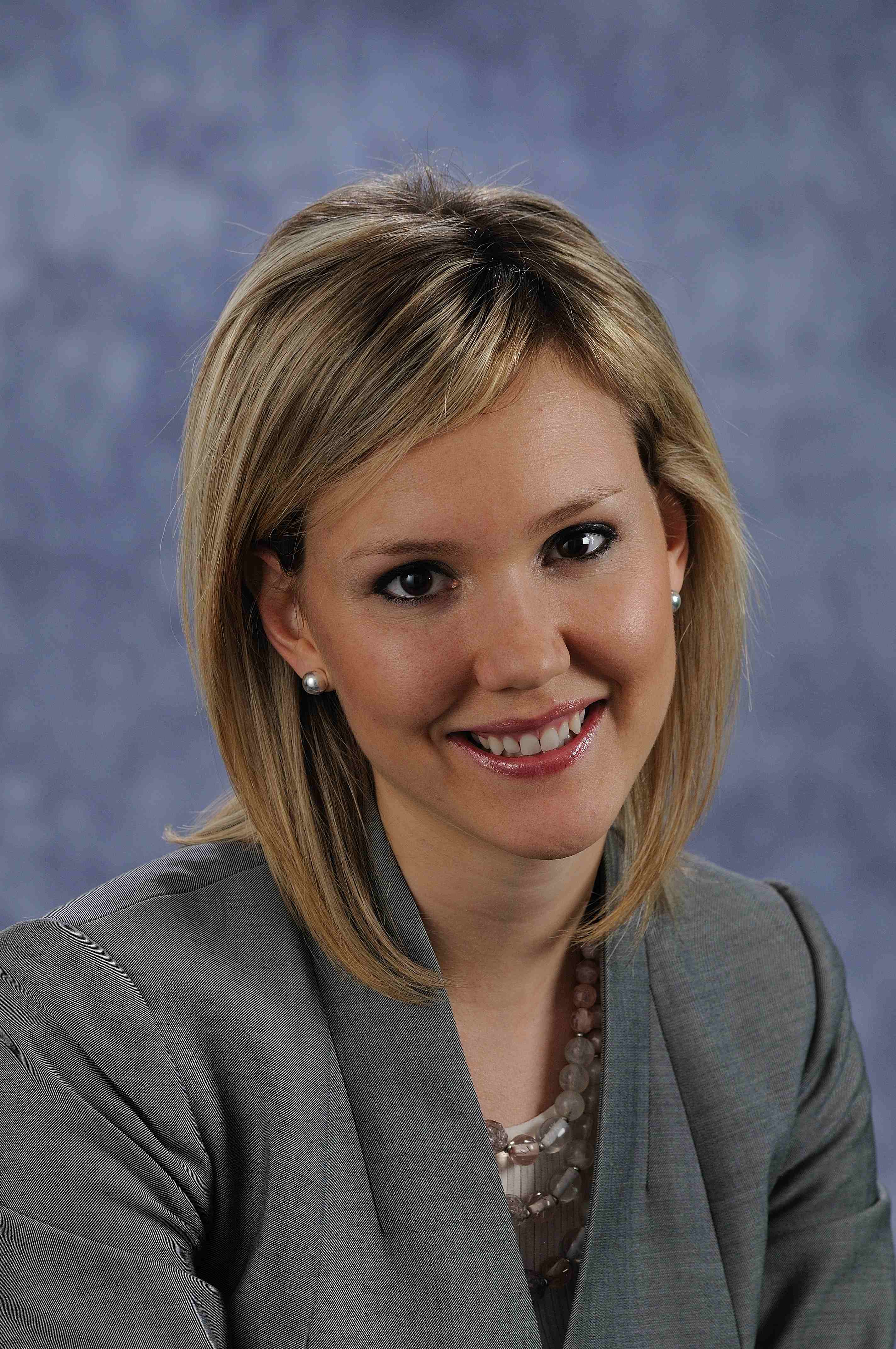
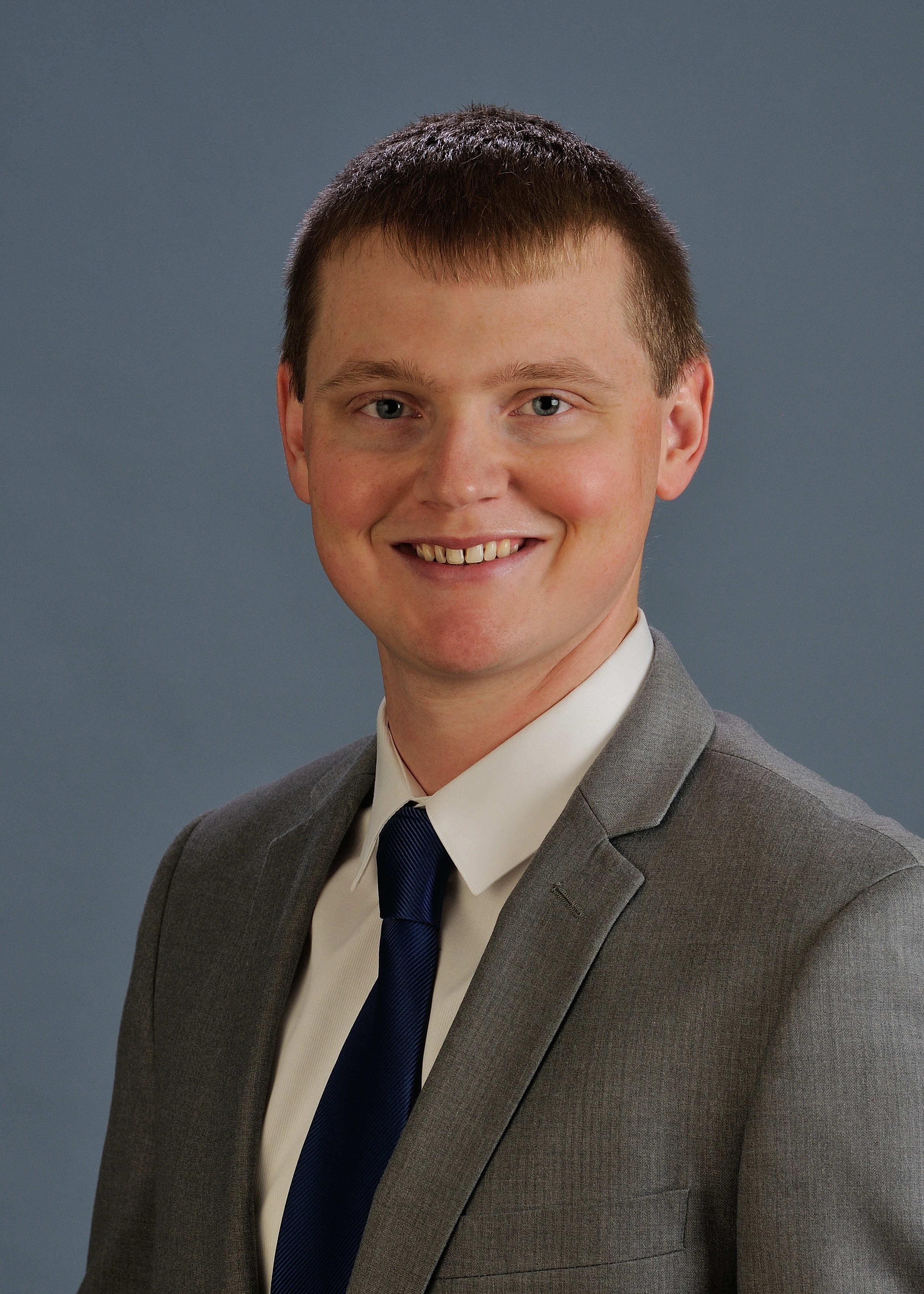
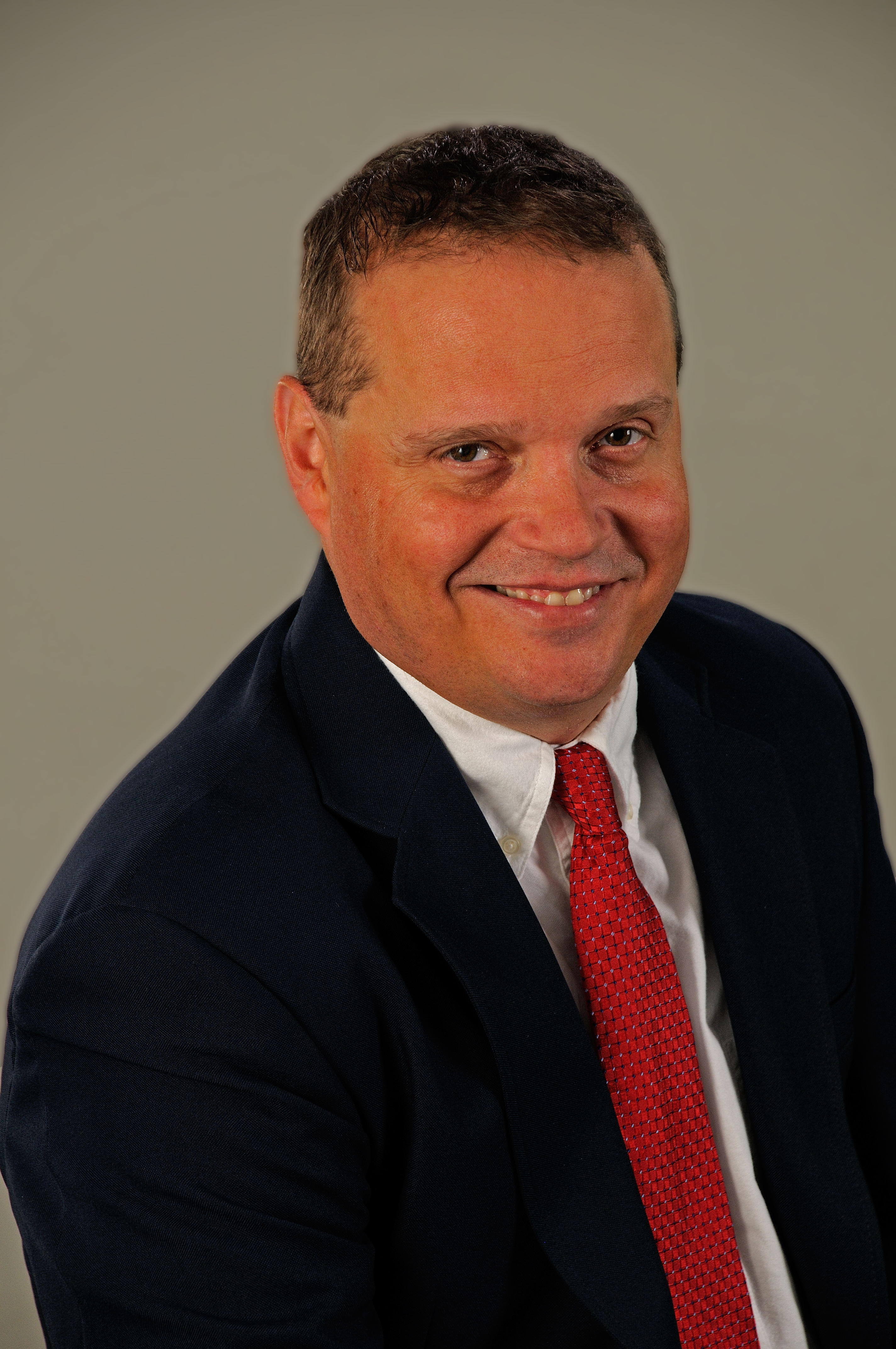
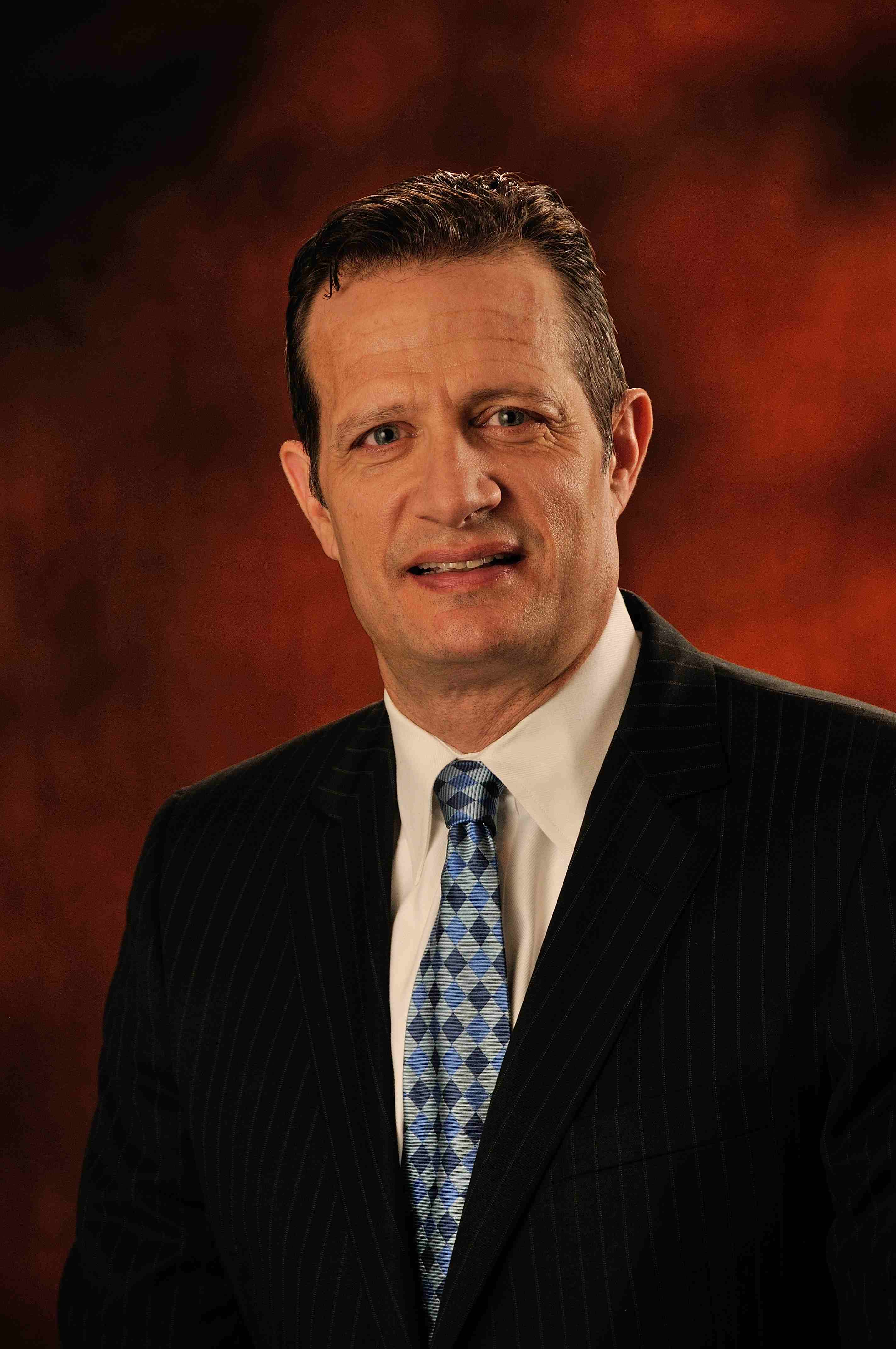

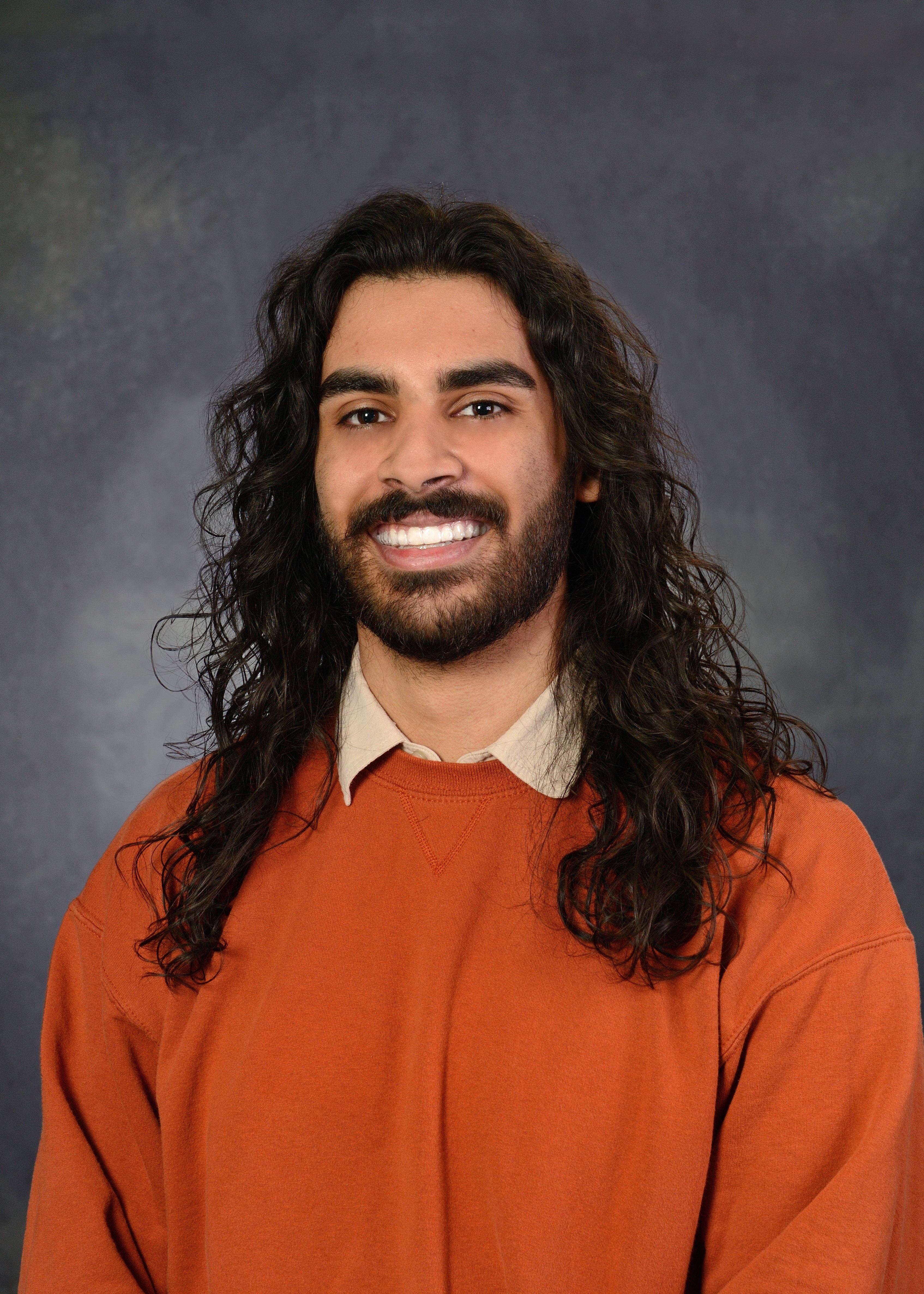


Ideal for executives, personal branding, and smaller groups.
When a key leader, sales professional, attorney, physician, consultant, or spokesperson needs a more carefully crafted image, the studio often delivers the most polished result.
Clean, timeless results.
Studio portraits tend to age well because they are less dependent on temporary office interiors or design trends.
For organizations that want a high-end, deliberate, brand-driven result, a studio headshot session is often the best fit.
Office Headshots: Efficient, Convenient, and Scalable
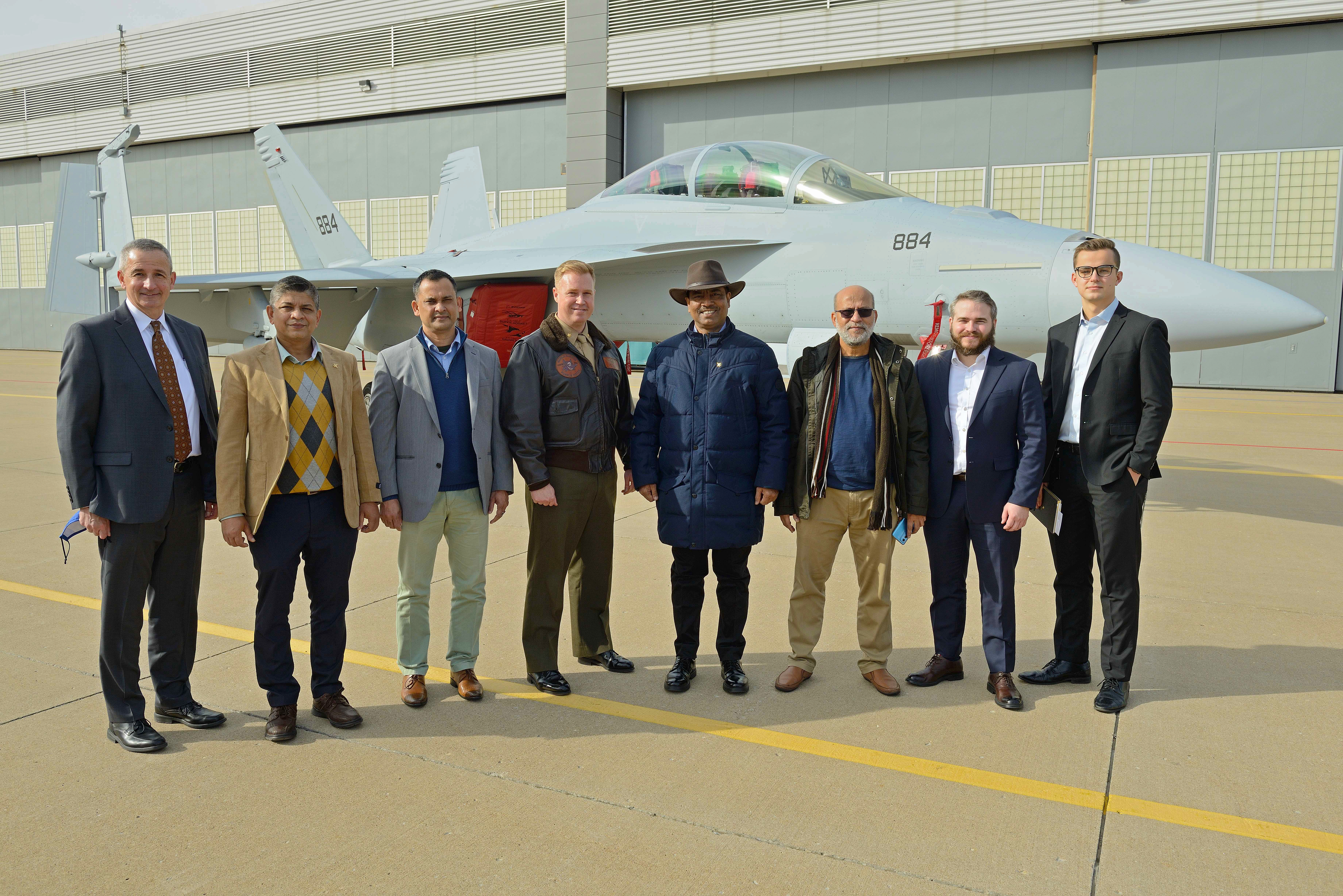
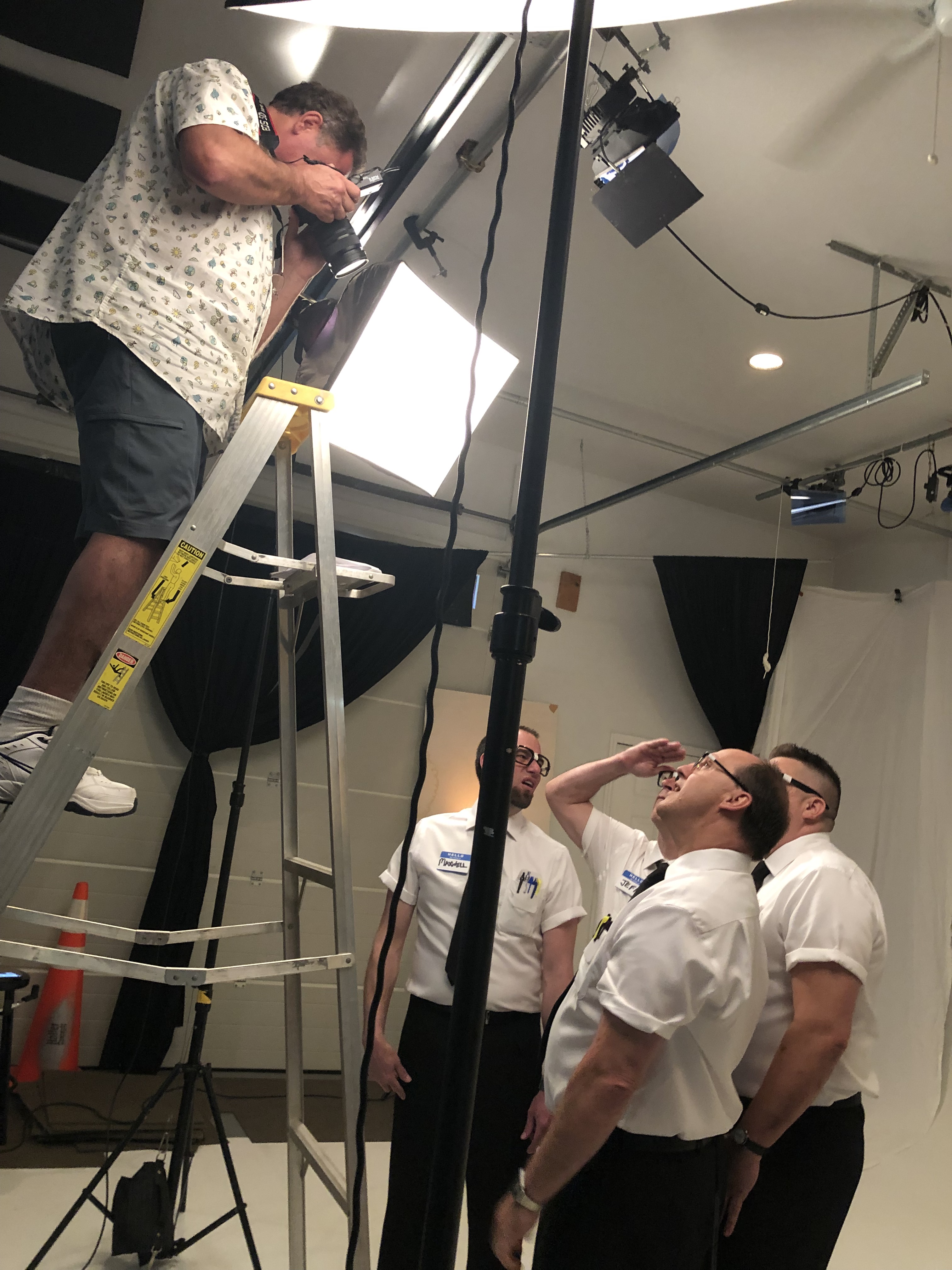
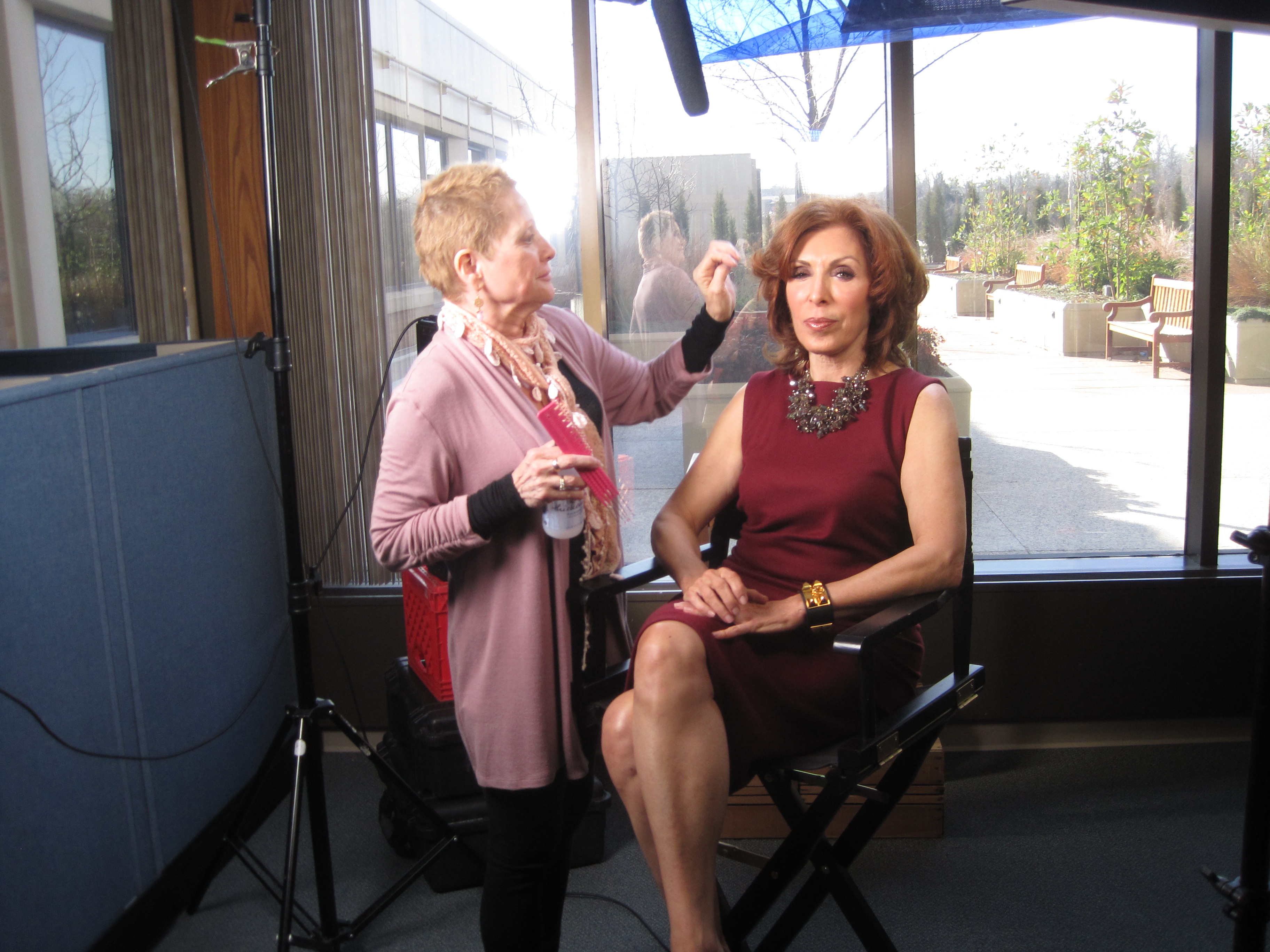
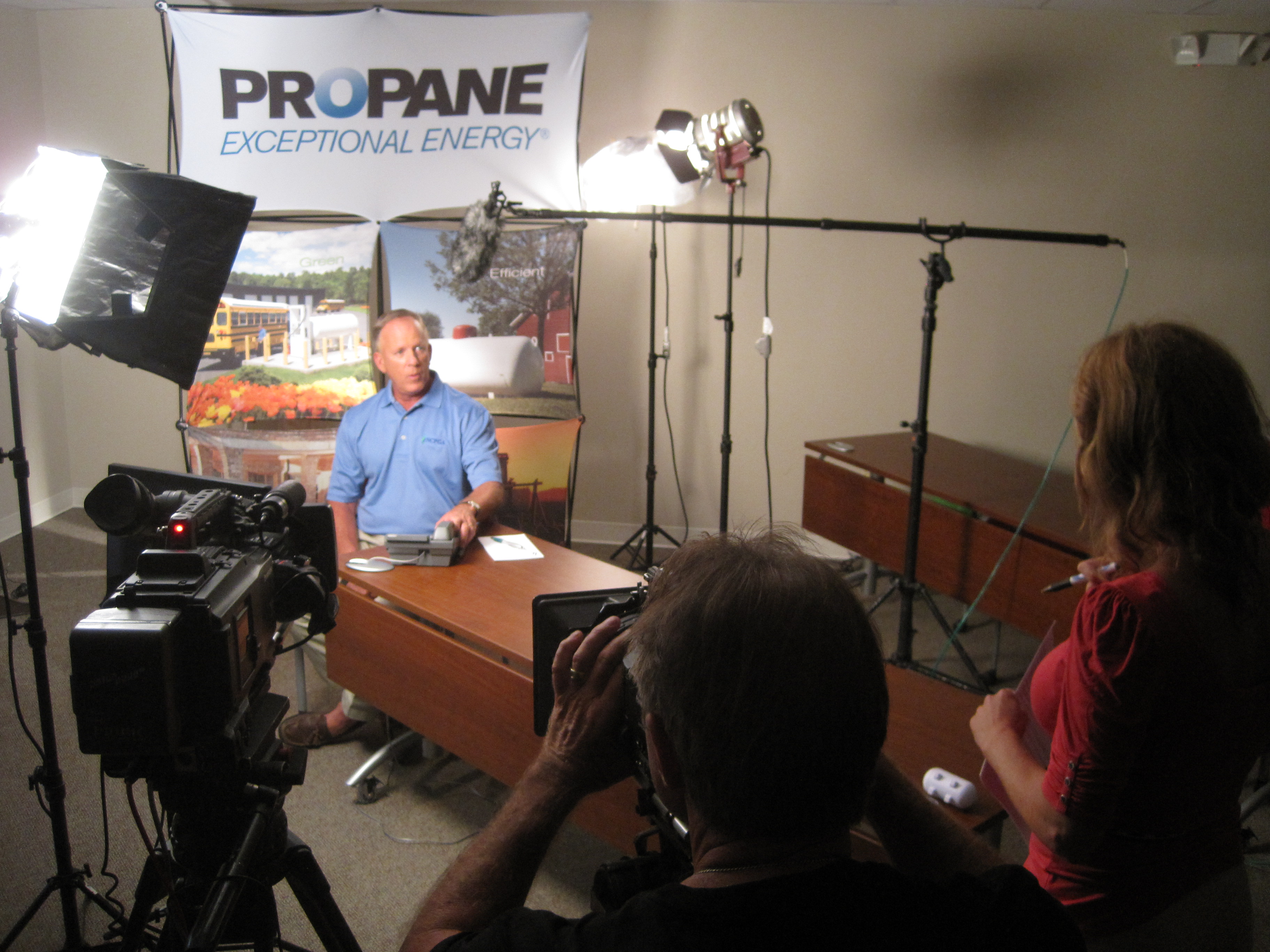
There are many situations where bringing the headshot production directly to the client’s offices is the smarter business move. If you need multiple team members photographed, if your staff has limited availability, or if you want to minimize time away from work, on-location headshots can be extremely effective.
A professional crew can bring a complete lighting and backdrop setup into your offices and create a temporary portrait station that delivers studio-quality results with minimal disruption.


Benefits of On-Location Office Headshots
Convenience for teams.
Employees do not need to commute to a separate location. They simply step out of their workflow for a short session and return to work.
Efficient scheduling for multiple people.
This is often the most practical solution for photographing departments, leadership teams, regional offices, or company-wide updates.
Strong for onboarding or company refreshes.
Organizations updating their website, launching a new brand, or preparing for a PR or recruiting push often benefit from photographing many employees at once.
Consistent visuals across the team.
Even when photographing dozens of people, the right setup and process can keep backgrounds, lighting, and framing aligned.
Opportunity to combine photography and video.
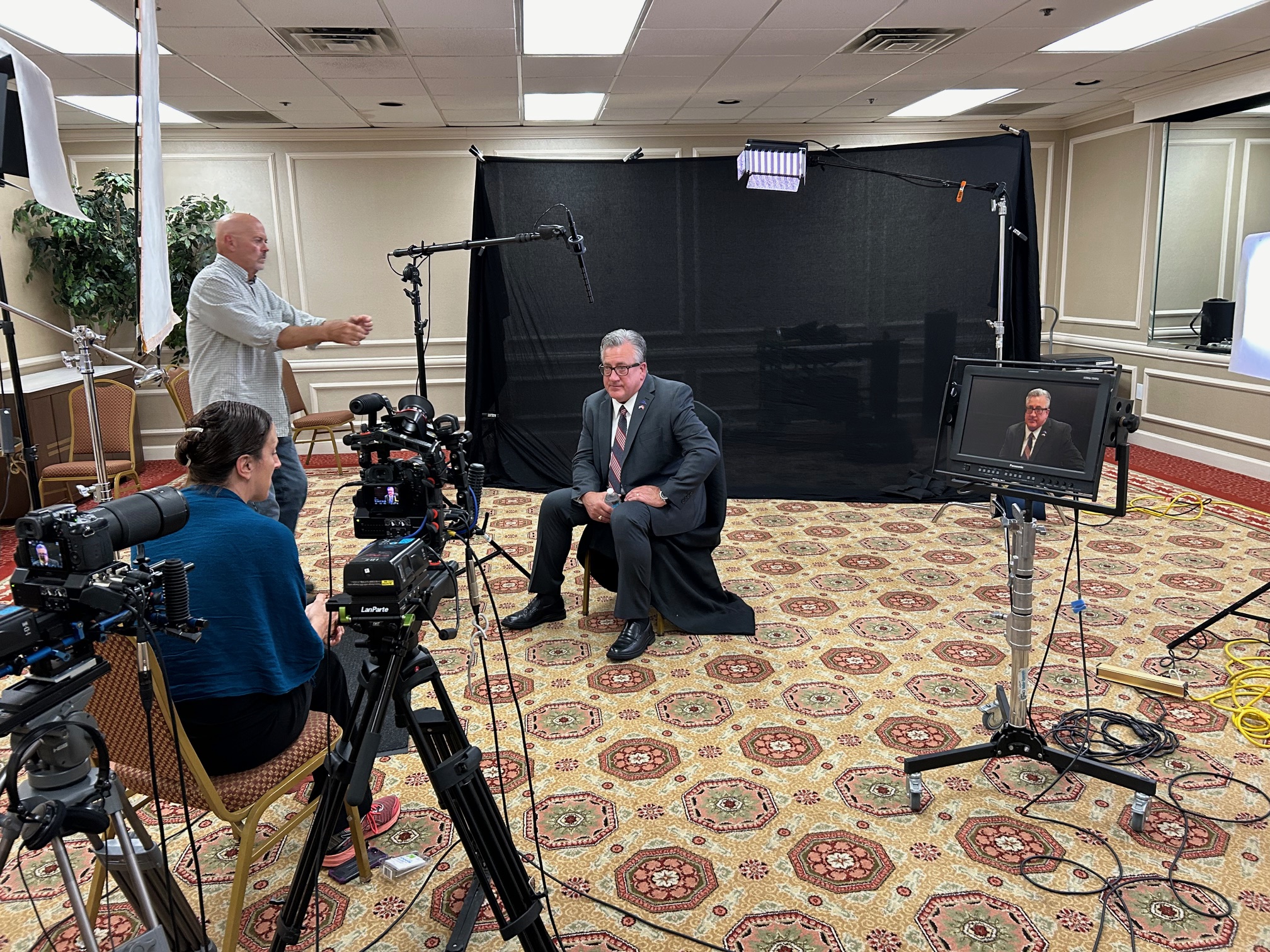
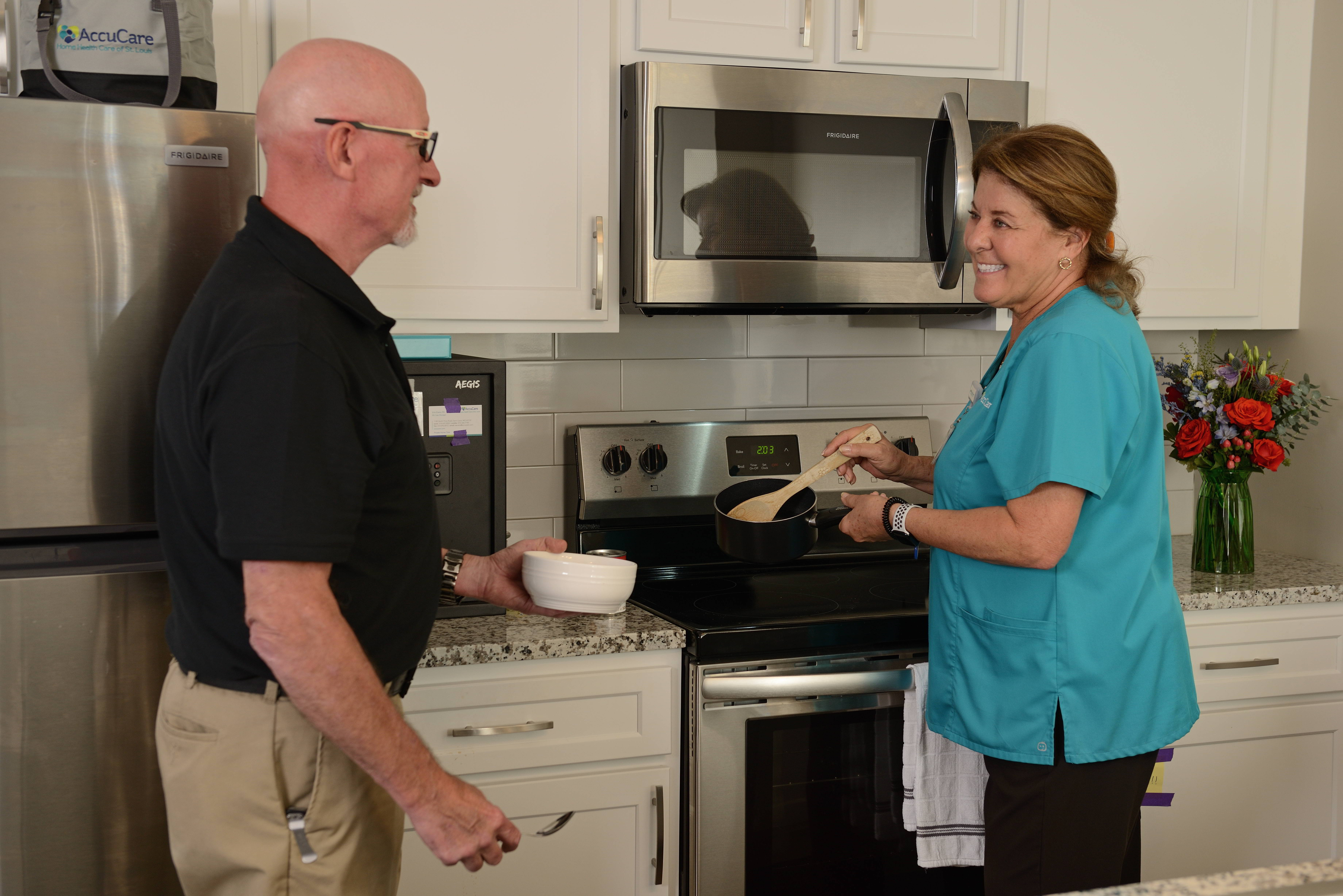
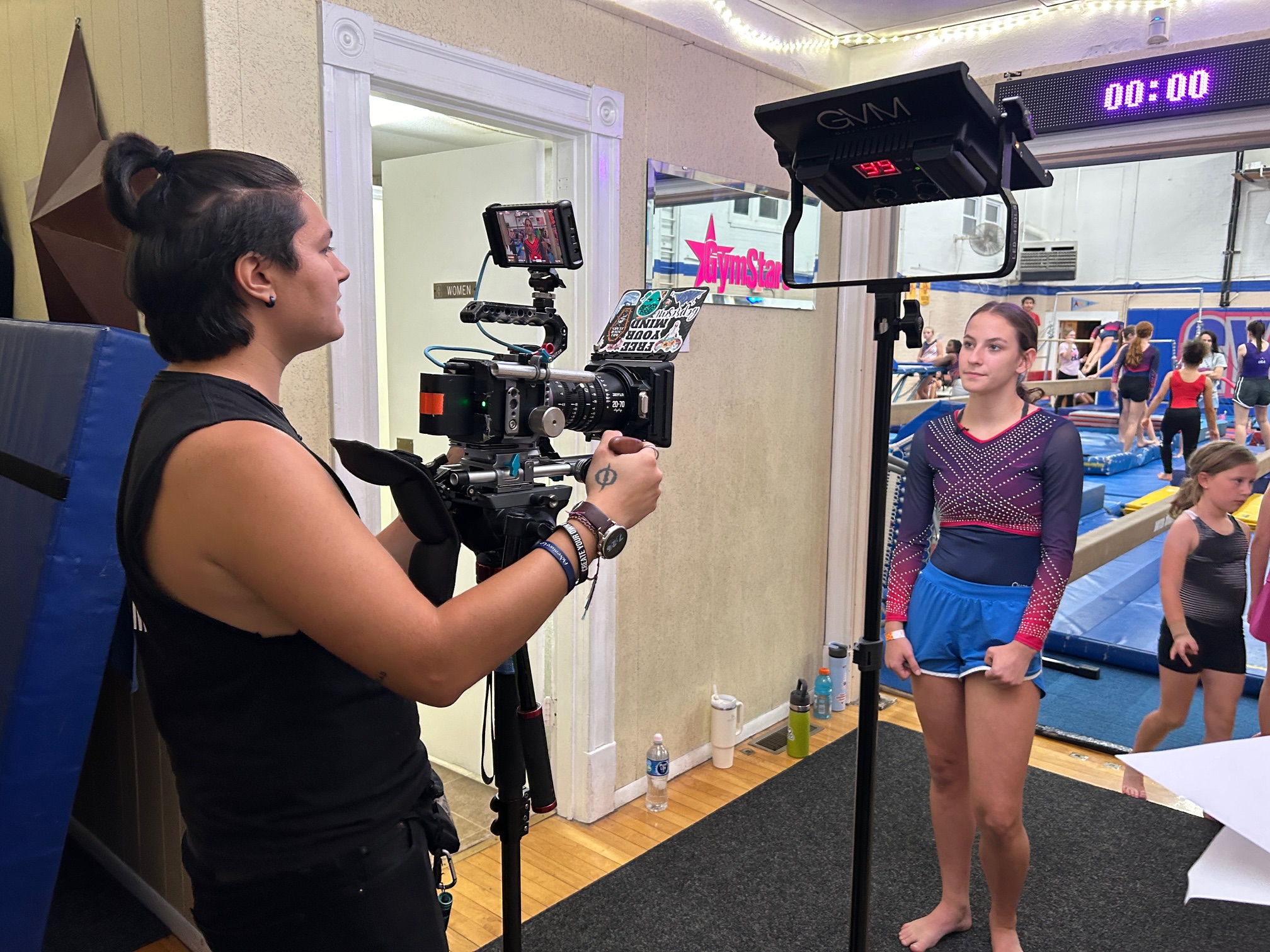
Once a professional crew is already on-site, many companies expand the day to include workplace photography, team images, interview videos, office environment visuals, or short branded content pieces.
For businesses that need scale, speed, and minimal disruption, on-site headshots are often the ideal solution.

Which Is Better: Studio or Office?
The honest answer is that neither option is automatically better. The better choice depends on the assignment.
A studio session is usually best when:
- You want the most polished and controlled visual outcome
- You are photographing one person or a small number of people
- The portraits are for executive branding, media use, or high-visibility marketing
- You want a refined studio look rather than an environmental office feel
An office session is usually best when:
- You need to photograph multiple people efficiently
- Your team has limited time
- You want to avoid sending employees off-site
- You are updating an entire company directory or team page
- You want to combine headshots with other photo or video production while the crew is on location
The important point is that a professional production team should be able to guide you toward the best format based on your goals, not force every client into the same template.



Headshots for Individuals vs. Headshots for Teams
The needs of one person and the needs of an organization are not the same.
Individual Headshots
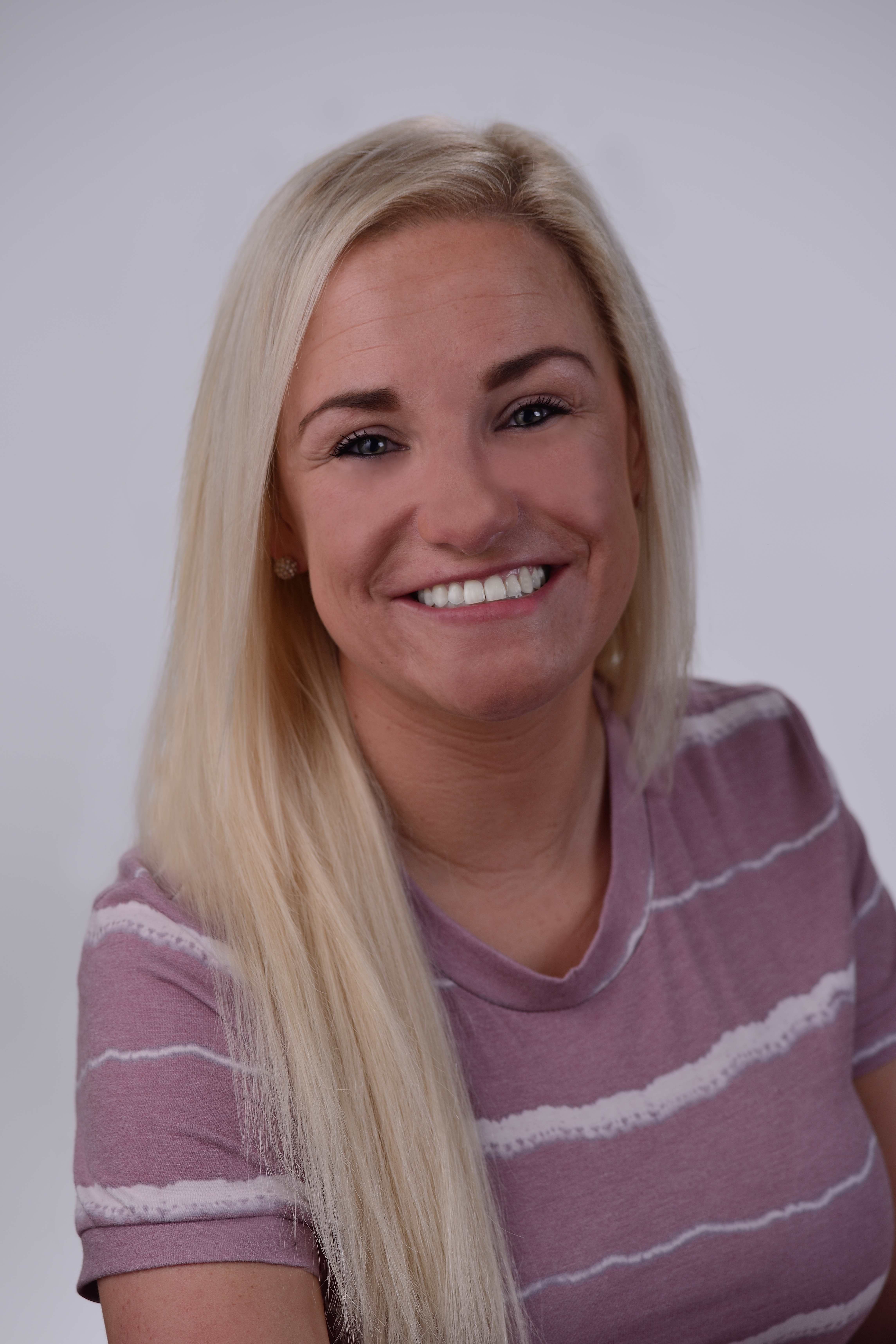
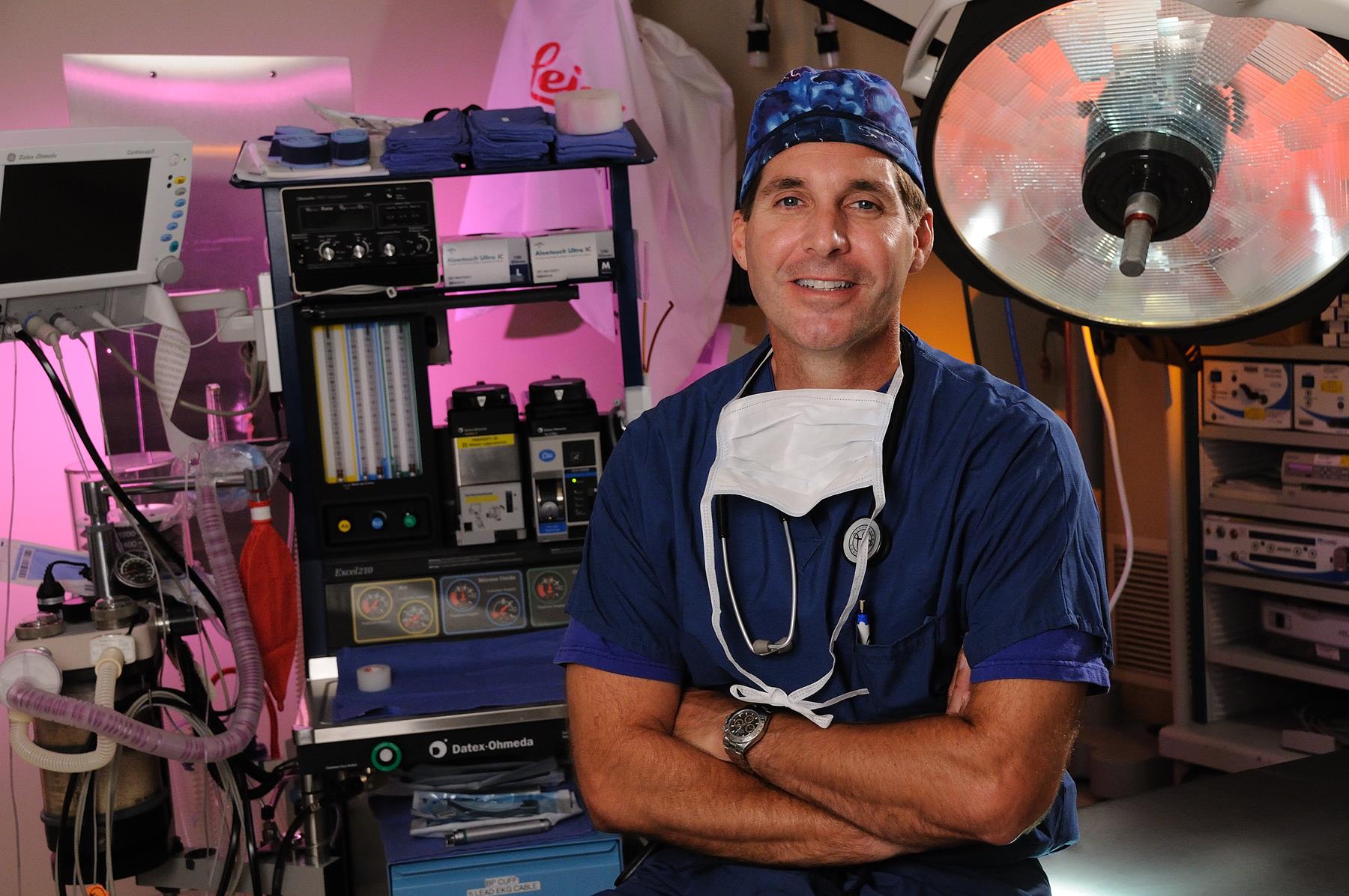
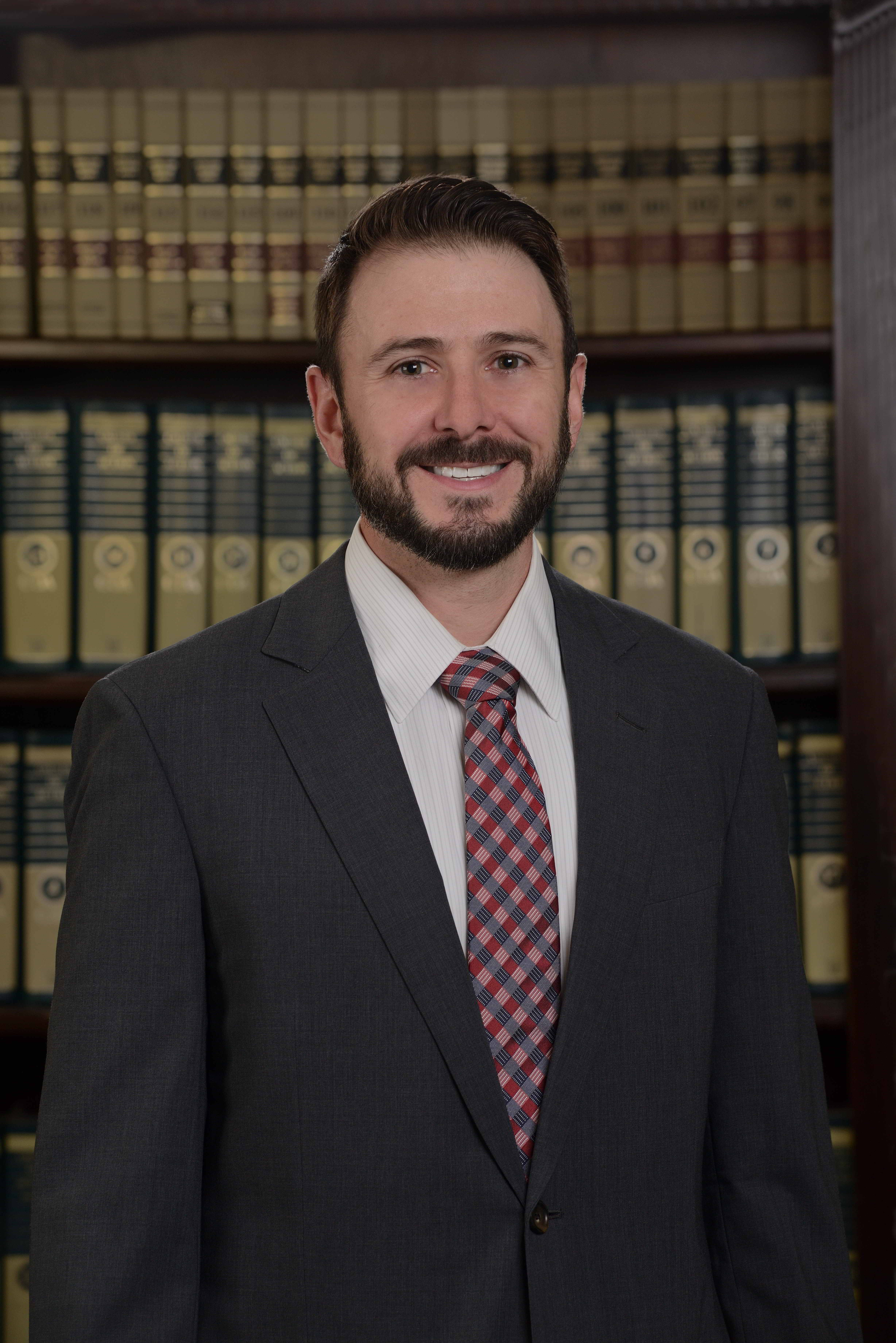
Individuals often want a portrait that reflects both professionalism and personality. Their headshot may be used on LinkedIn, company bios, speaking engagements, press materials, business development outreach, and personal branding platforms.
For an individual, the focus is often on:
- Expression
- Wardrobe
- Brand positioning
- Background choice
- Retouching preferences
- Industry expectations
An attorney may want a different look than a startup founder, physician, financial professional, real estate executive, or marketing consultant.
Team Headshots
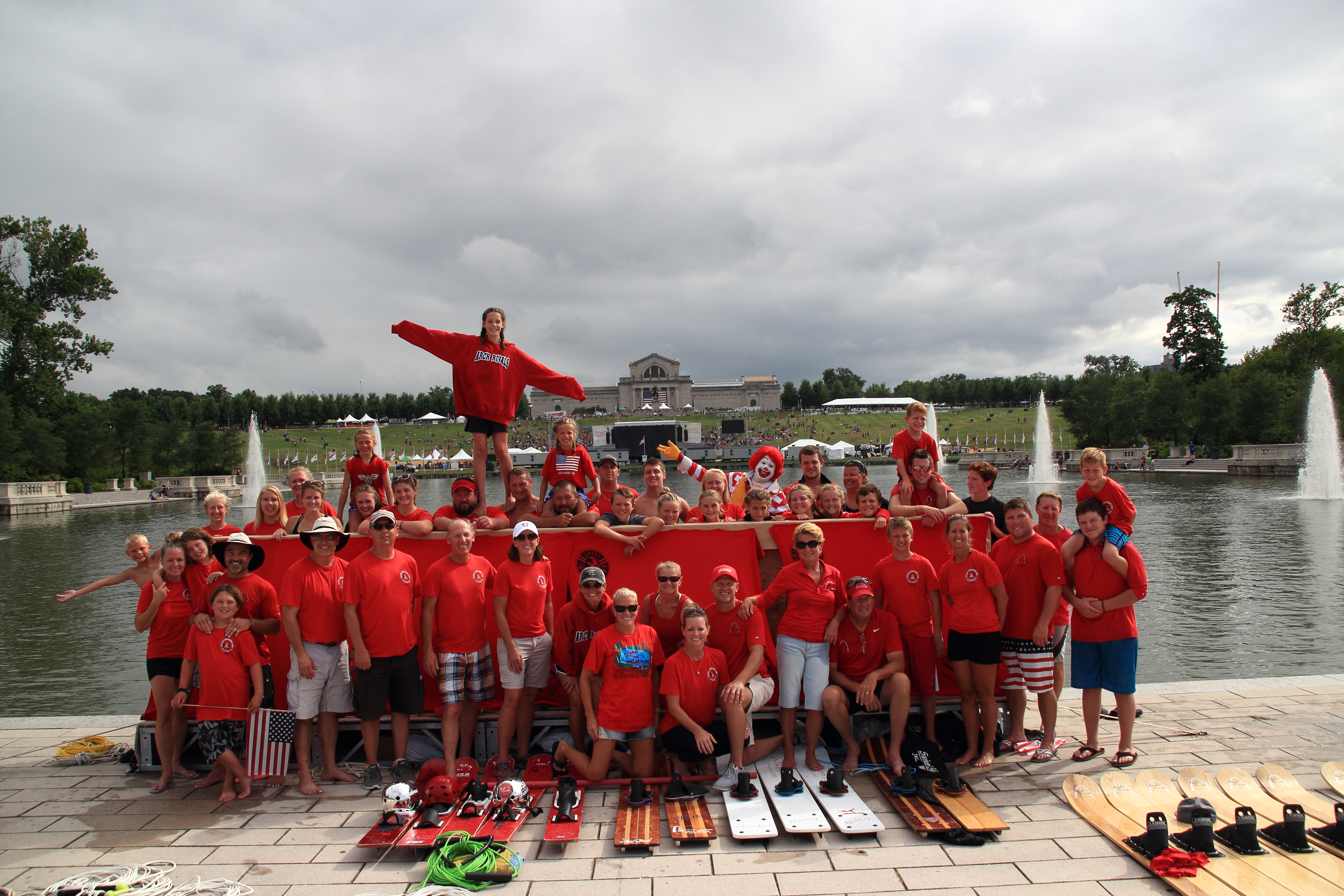
With teams, consistency becomes far more important. The goal is not to make everyone look identical, but to make the organization look cohesive.
That means attention must be paid to:
- Matching background style
- Consistent lighting ratio
- Similar crop and composition
- Uniform posing guidance
- Scheduling flow
- Clear wardrobe recommendations
- Efficient review and file delivery
When team headshots are handled well, the finished result makes the organization appear more established, more organized, and more trustworthy.
Planning for Multiple Team Members
One of the biggest mistakes companies make is underestimating the logistical side of team headshots. Photographing multiple people is not just a bigger version of an individual session. It requires production planning.
A successful team headshot day usually includes:
Pre-Production Scheduling
A shot schedule prevents bottlenecks and confusion. Teams should know when to arrive, how long sessions will take, and how to stay on track without losing too much work time.
Wardrobe Guidance
Employees should be given practical recommendations in advance. This helps avoid distracting patterns, inconsistent formality, and last-minute uncertainty.
Background and Style Decisions
Before the session, the company should decide whether the portraits should feel formal, modern, approachable, neutral, or brand-forward.
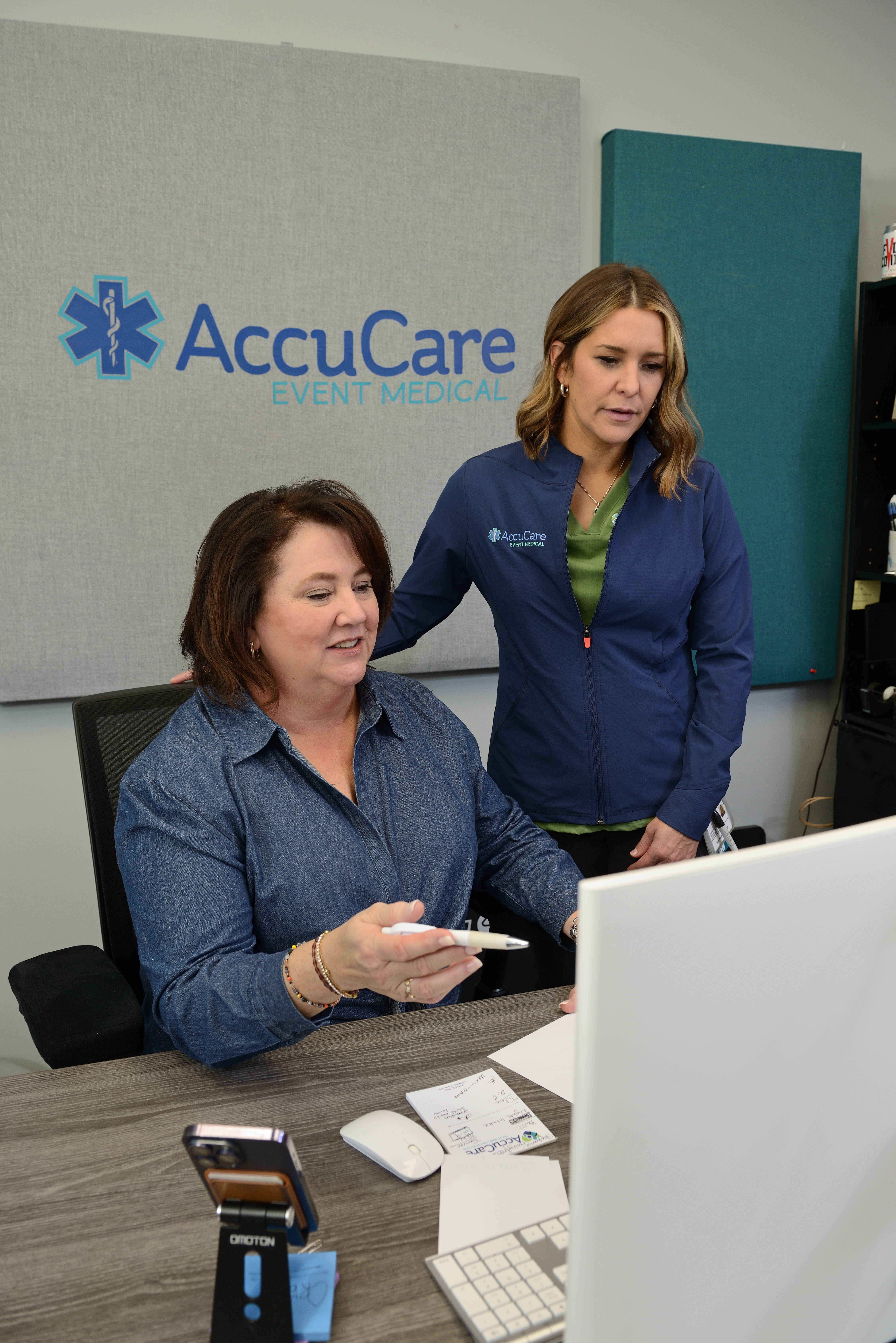
Space Evaluation for On-Location Sessions
If headshots are being produced at the office, the production team should identify the right room or area for lighting, staging, and flow.
File Naming and Delivery Workflow
For companies with multiple team members, organized file handling matters. Images should be easy to identify, sort, distribute, and use.
The difference between a rushed headshot day and a professionally managed one is often invisible to the casual observer, but very obvious in the finished results.
Making People Comfortable on Camera
Many professionals are not comfortable being photographed. That is normal. One of the most important parts of a headshot session is not the camera. It is direction.
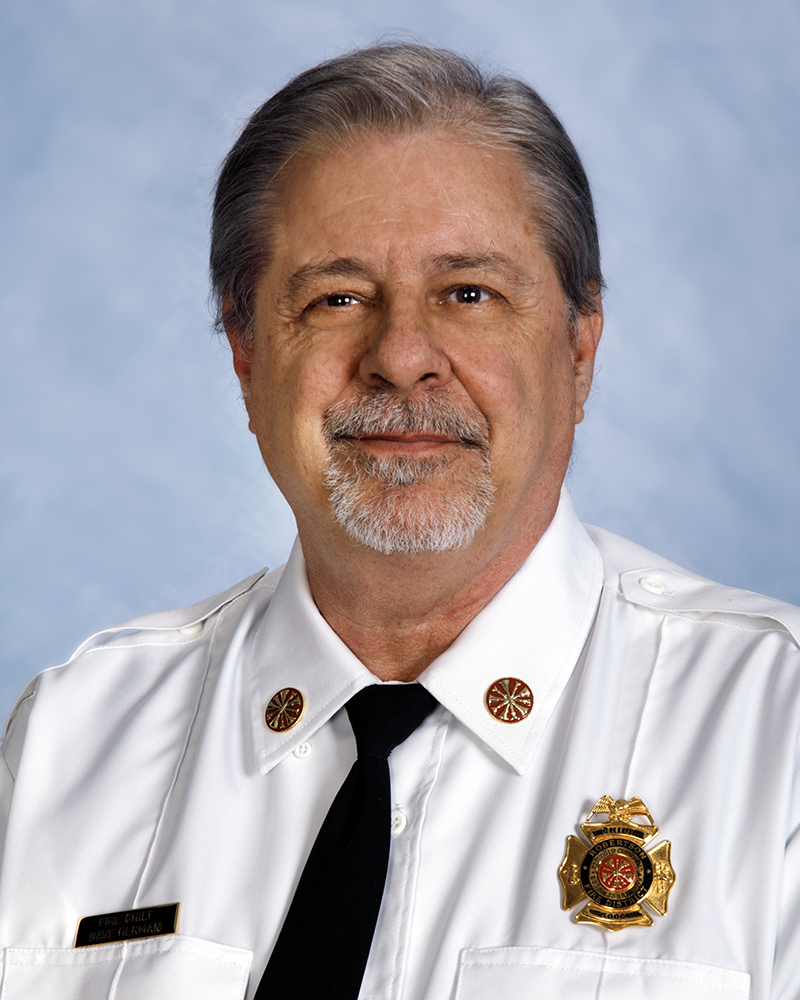
A good headshot photographer knows how to coach expression, posture, chin angle, eye line, hand position, and body language in ways that feel natural instead of stiff. That matters whether the subject is a CEO, salesperson, physician, attorney, engineer, or administrative team member.
When people feel guided rather than judged, their expressions improve. Their posture improves. Their confidence improves. And that confidence shows in the final image.
That is especially important when photographing groups within an organization. If the first few people have a positive experience, that attitude usually spreads to the rest of the team.
Beyond Headshots: Building a Stronger Visual Library
A headshot day can also be an opportunity to create more than just portraits.
Many businesses use the same production day to capture:
- Team photography
- Office environment images
- Leadership group photos
- Workplace interaction scenes
- Interview videos
- Branded video content
- Social media visuals
- Recruitment imagery
This is one of the smartest ways to maximize production efficiency. Once the lighting, crew, and equipment are already in place, it often makes sense to create a wider set of visual assets that marketing and communications teams can use for months.
Instead of thinking of headshots as a one-off task, organizations should think of them as part of a broader content strategy.
How Often Should Businesses Update Headshots?
There is no single rule, but many businesses benefit from updating headshots every two to three years, or sooner if there are noticeable changes in role, appearance, branding, or team structure.
You may also want to schedule new headshots when:
- You launch a new website
- You go through a rebrand
- You hire a significant number of new employees
- Leadership changes occur
- Your visual branding has become inconsistent
- Your team is becoming more active in media, speaking, sales, or recruiting
The cost of outdated imagery is usually not obvious on a line item, but it does affect brand perception.
Choosing the Right Partner for Studio or On-Site Headshots
Whether you bring people into a studio or bring the production to your offices, experience matters. Headshots may look simple from the outside, but producing them at a high level requires technical skill, people skills, production discipline, and brand awareness.
You want a partner who understands:
- Lighting quality
- Efficient production flow
- How to direct non-professional talent
- Consistency across multiple subjects
- File delivery and usage needs
- The difference between portraits that are merely acceptable and portraits that actually elevate a brand
That is where experienced production support makes the difference.
Why St Louis Headshot Photographer Is a Strong Choice for Studio and On-Location Headshots
St Louis Headshot Photographer has extensive experience producing headshots in our studio and at client offices for individuals, executives, and multiple team members. Since 1982, St Louis Headshot Photographer has worked with many businesses, marketing firms, and creative agencies in the St. Louis area for their marketing photography and video.
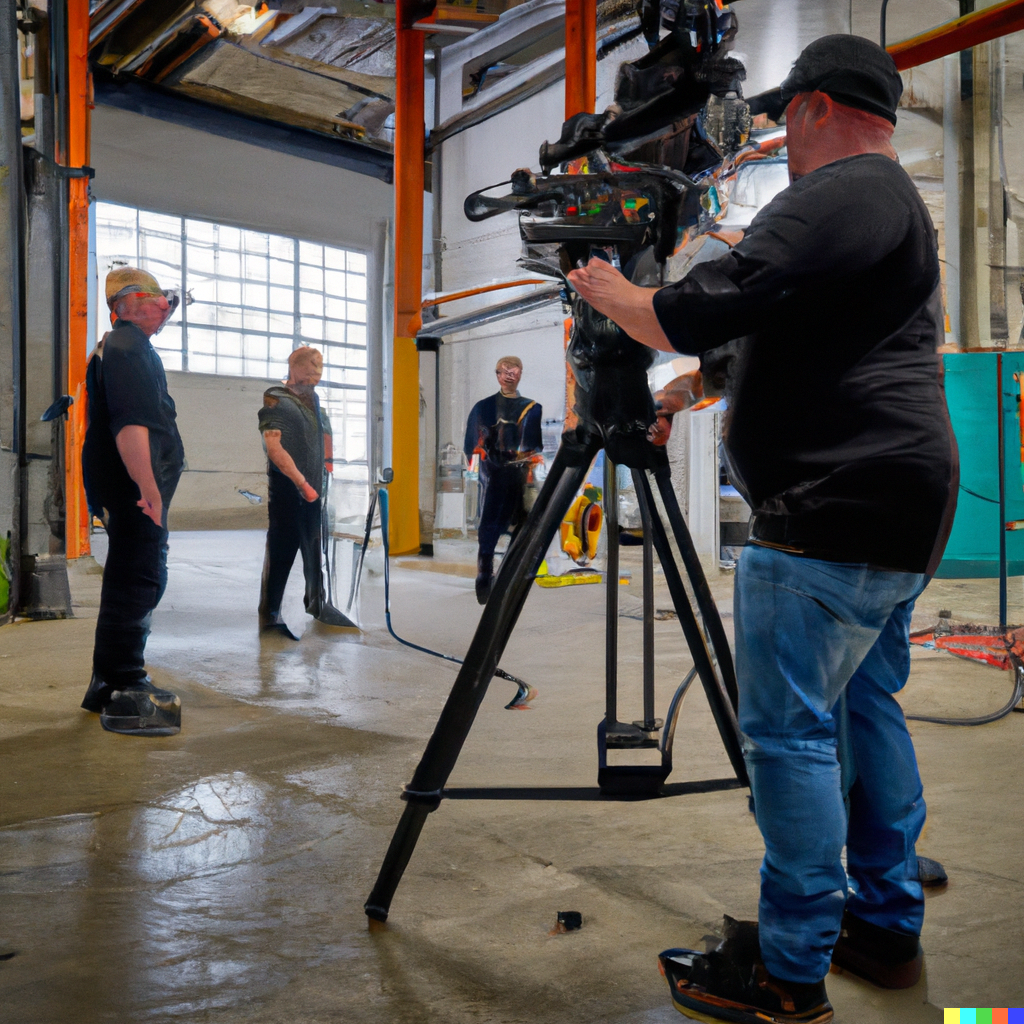
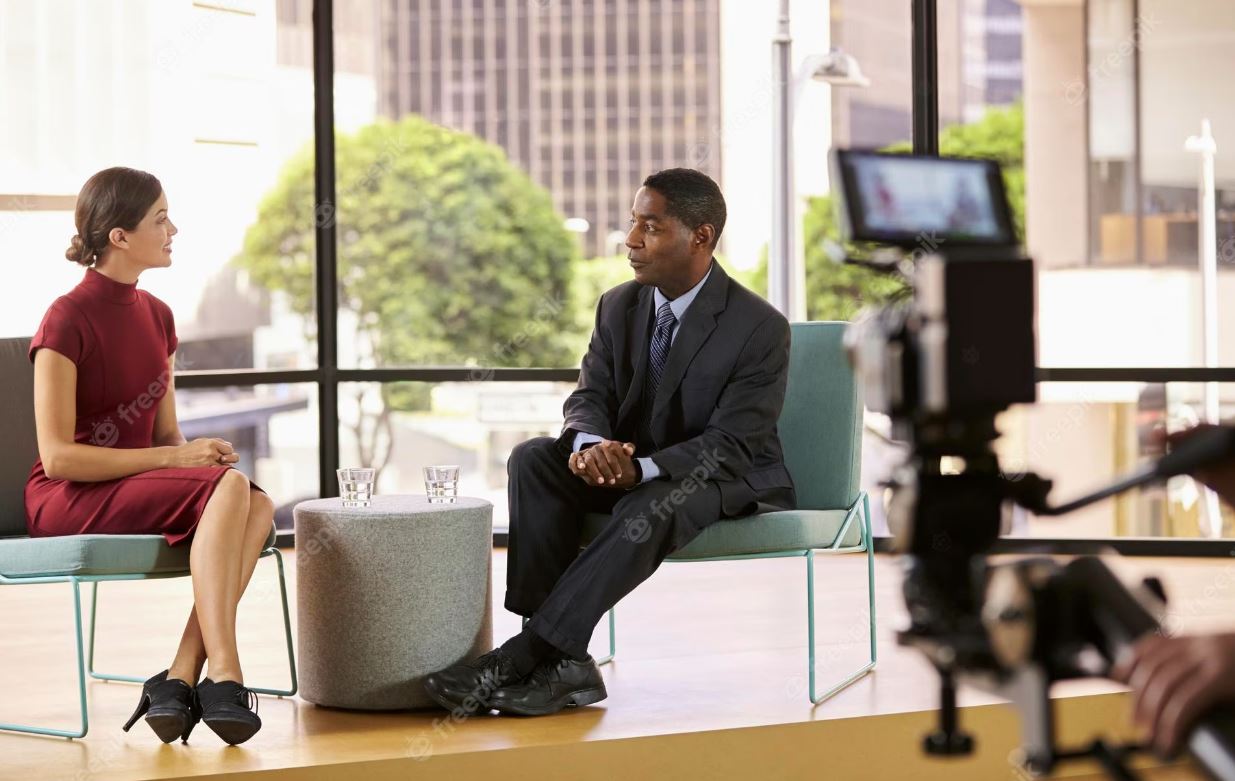
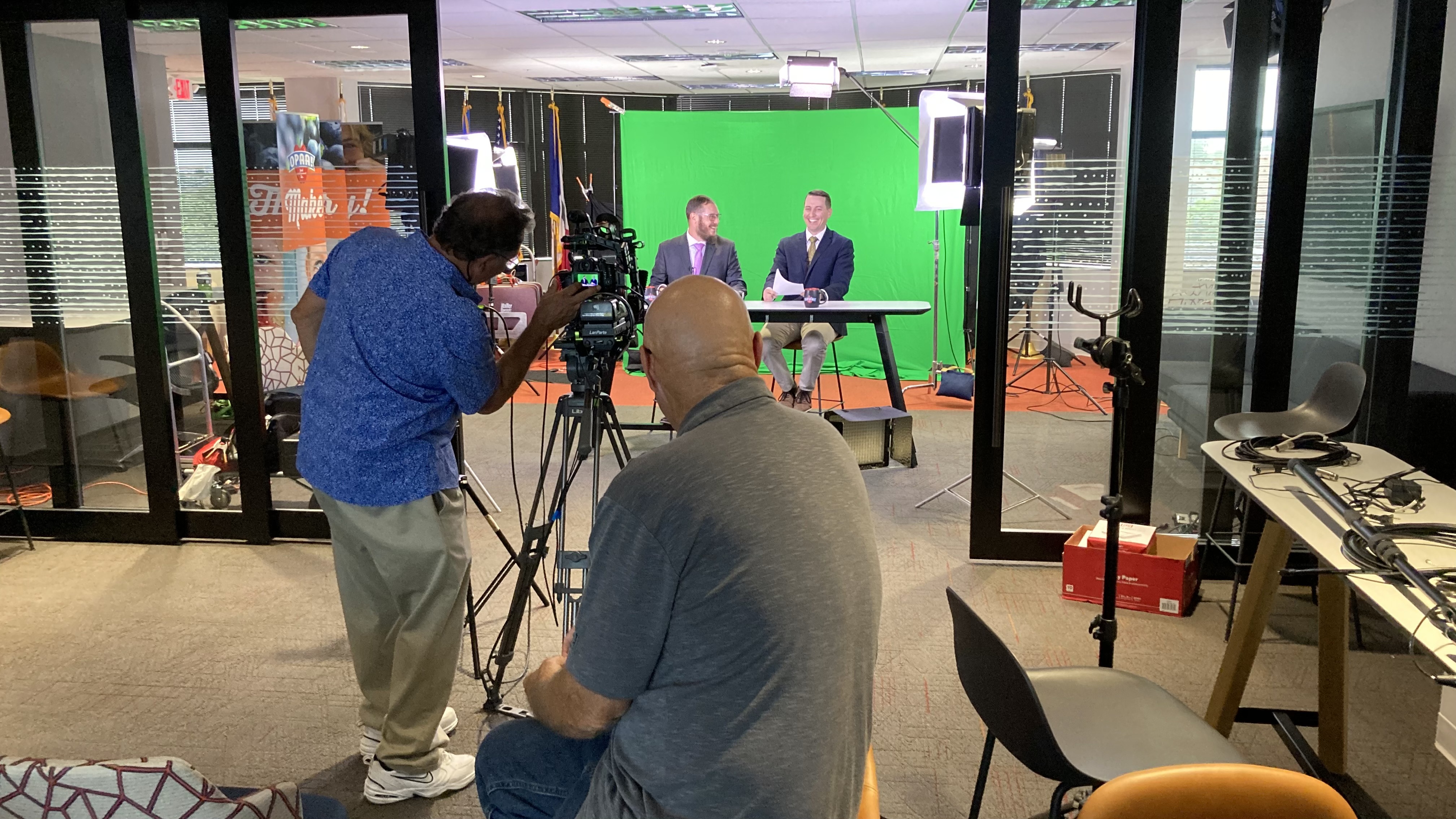
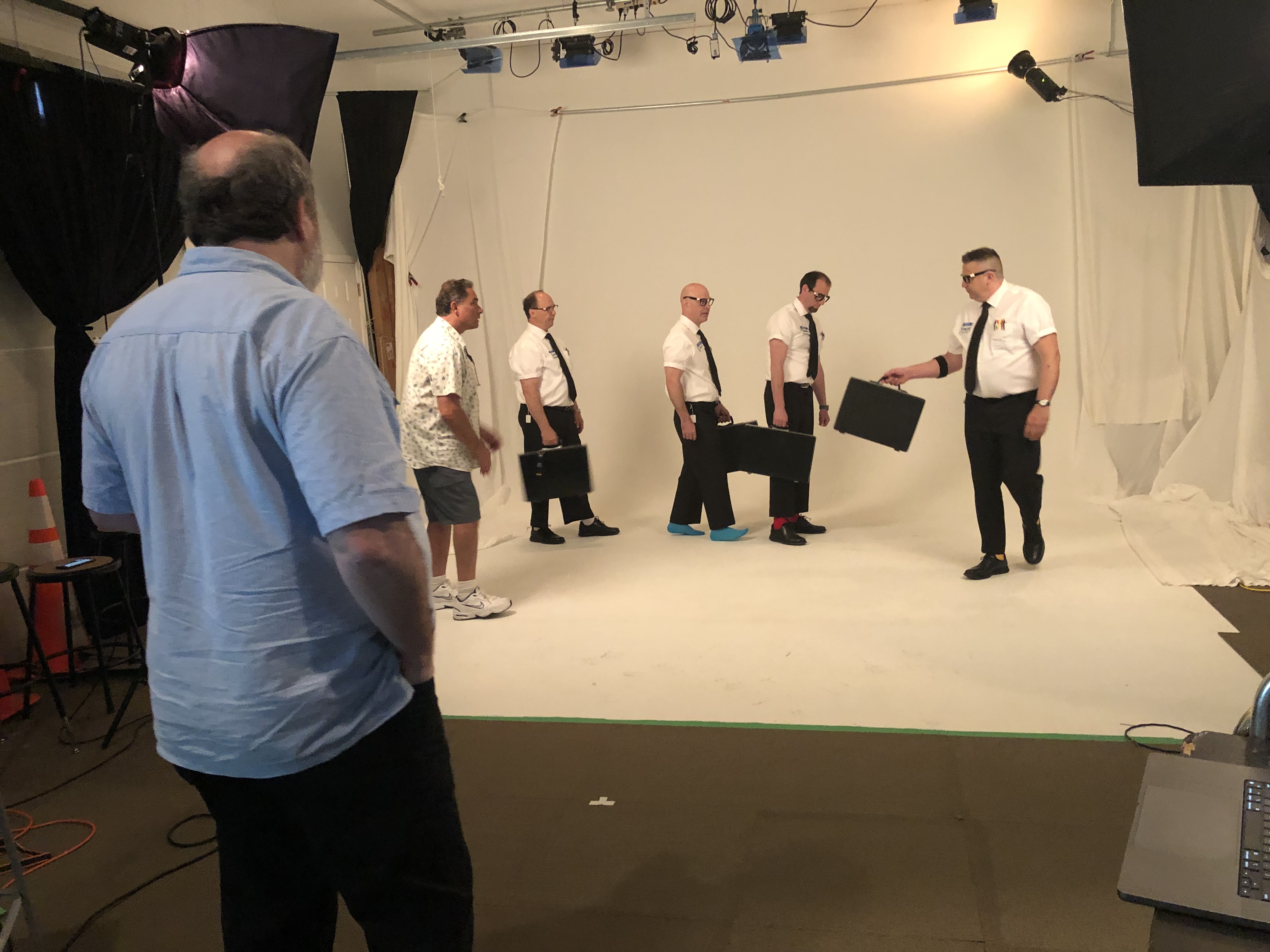
We are a full-service professional commercial photography and video production company with the right equipment and creative crew service experience for successful image acquisition. We offer full-service studio and location video and photography, as well as editing, post-production, and licensed drone services. St Louis Headshot Photographer can customize your productions for diverse types of media requirements.
Repurposing your photography and video branding to gain more traction is another specialty. We are well-versed in all file types and styles of media and accompanying software. We use the latest in Artificial Intelligence for all our media services. Our private studio lighting and visual setup is perfect for small productions and interview scenes, and our studio is large enough to incorporate props to round out your set.
We support every aspect of your production, from setting up a private, custom interview studio to supplying professional sound and camera operators, as well as providing the right equipment, ensuring your next video production is seamless and successful. We can fly our specialized drones indoors.
Whether you need a polished individual portrait in the studio, consistent headshots for an entire department at your offices, or a broader content production that combines headshots with video and branding visuals, St Louis Headshot Photographer has the experience, flexibility, and production capability to help you create images that work hard for your business.
314-913-5626
Mike Haller
saintlouisbusinessportraits@gmail.com
Studio upon appointment, please: 4501 Mattis Road St. Louis, MO 63128
 St Louis HeadShot Photographer, Inc.